
Size
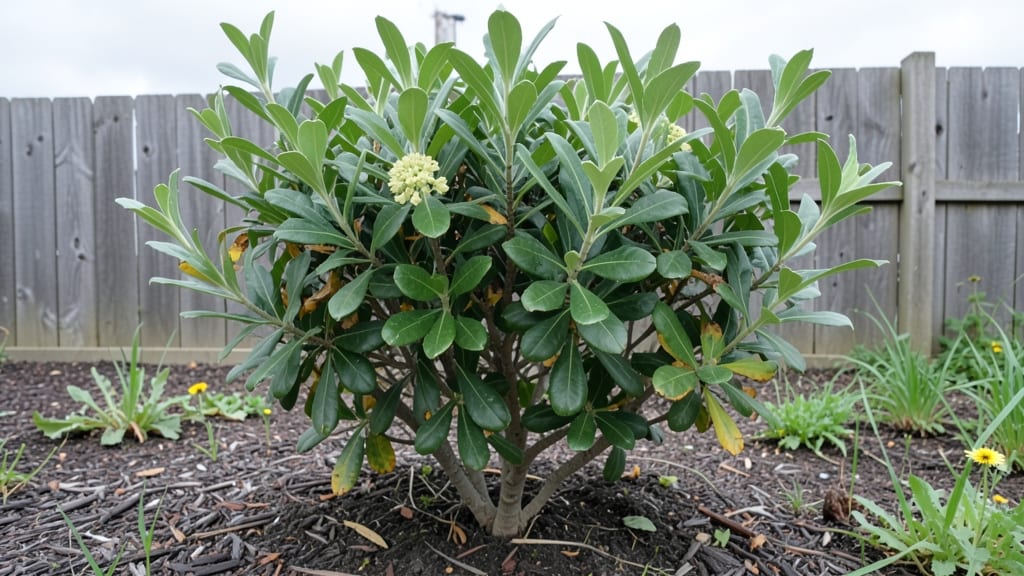
Growing a bay tree means fresh, fragrant leaves year-round for cooking and crafts—no more wilting grocery store bundles. 🌿 I’ve nurtured mine from a tiny cutting to a thriving 6-foot plant, and the secret isn’t complicated: it’s about light, patience, and knowing when to step back.
My first bay tree nearly died from overwatering, but now it’s the centerpiece of my kitchen, its glossy leaves always within arm’s reach.
Bay trees thrive indoors or out, but they demand bright, indirect light—think east-facing windows or a sunny patio. The soil should stay slightly moist but never soggy, and a well-draining potting mix prevents root rot.
Prune sparingly in late winter to shape the tree and encourage bushier growth, and you’ll harvest leaves all season long. The key? Consistency—bay trees reward steady care with decades of productivity.
Once established, your bay tree becomes a culinary workhorse—dried leaves flavor soups, stews, and marinades for months. Outdoors in warmer climates, they grow into small trees, while indoors, they stay compact and elegant.
The fragrance alone makes them worth growing, but the real magic is in how they transform everyday dishes. With the right setup, you’ll have a leafy treasure trove in just a few years.
Whether you’re starting from seed, a cutting, or a nursery plant, bay trees adapt well to containers or garden beds. In winter, keep indoor plants away from drafts, and reduce watering slightly.
The first year is about getting the basics right, but after that, your bay tree will thrive with minimal fuss—just like the one I’ve had for over a decade. Ready to grow yours?
📚 In This Guide
- What you need
- Instructions
- Tips and common mistakes
- Wrapping up and next steps
What you need
- ● Bay tree seeds or sapling: 1-2 (seeds take longer to sprout; saplings grow faster). Choose Laurus nobilis for culinary use.
- ● Well-draining potting mix: 1 bag (5-10 gallons). Use a blend of peat moss, perlite, and compost (60% potting soil, 20% perlite, 20% compost).
- ● Pot (indoors) or garden bed (outdoors): Indoors: 1 pot (12-18 inches wide) with drainage holes. Terracotta or ceramic works best.
- ● Outdoors: Full-sun spot with at least 6 feet of space (bay trees can grow 10-15 feet tall!).
- ● Watering can or hose: 1 (with a gentle spray nozzle for seedlings).
- ● Pruning shears: 1 pair (sharp, sterilized).
- ○ Fertilizer (optional but helpful): Balanced liquid fertilizer (e.g., 10-10-10) OR organic compost tea.
- ● Slow-release granules (follow package instructions).
- ● Mulch (outdoors only): 2-3 inches of organic mulch (e.g., wood chips or straw) to retain moisture.
- ● Light: Full sun (6+ hours/day) for outdoors; bright, indirect light indoors (south-facing window or grow lights).
- ● Temperature: Ideal range: 60–80°F (15–27°C). Avoid drafts or extreme cold (<32°F/0°C).
- ● Humidity: Moderate to high (bay trees love moisture!). Use a humidifier or pebble tray indoors if air is dry.
- ● Soil pH: Slightly acidic to neutral: 6.0–7.0.
- ● 🌱 For seeds: Soak in warm water for 24 hours to speed up germination.
- ● 🔄 Repotting: Upgrade pots every 2–3 years if growing indoors (bay trees love room to stretch!).
- ● ✨ Outdoor prep: Test soil drainage—bay trees hate soggy roots!
Step-by-step instructions for cultivating a thriving bay tree
Here's my foolproof method for growing a bay tree—whether you're starting from seed or transplanting.
🌱 Step 1: Choose Your Starting Point and Prepare the Soil
Bay trees thrive from cuttings or nursery plants. If using cuttings, take a 4-6 inch healthy stem with at least two leaf nodes. Dip the cut end in rooting hormone to encourage growth. For nursery plants, select a 1-2 gallon container-grown specimen with no signs of pests.
Use a well-draining potting mix—I blend equal parts potting soil, perlite, and compost to ensure aeration and nutrients. Fill your container (at least 12 inches deep for mature growth) with this mix, leaving 1 inch of space at the top. Water lightly until the soil is evenly moist but not soggy.
☀️ Step 2: Position for Light and Establish a Routine
Bay trees love bright, indirect light—think 6+ hours of sunlight daily, but avoid harsh afternoon rays that scorch leaves. Indoors, place near an east or west-facing window. Outdoors, choose a sheltered spot with dappled shade in hot climates. If leaves yellow or grow sparse, your plant needs more light.
Water when the top 1-2 inches of soil feel dry—bay trees hate soggy roots. I water deeply once a week in summer, reducing to every 10-14 days in winter. Overwatering is the #1 killer, so always check moisture before adding more. Mist leaves occasionally to boost humidity, especially indoors.
🪴 Step 3: Prune and Fertilize for Bushy Growth
Prune in late winter or early spring to shape your tree and encourage new growth. Cut back leggy stems by ⅓ to stimulate branching. Use clean, sharp shears to avoid tearing. Save the clippings—they root easily in water for free propagation!
Feed with a balanced liquid fertilizer (10-10-10) every 4-6 weeks during growing season. Reduce feeding in fall/winter. Yellow leaves often signal over-fertilizing—flush the soil with water if this happens. Bay trees grow slowly, so patience is key.
✂️ Step 4: Harvest and Maintain for Long-Term Health
Harvest leaves anytime, but avoid taking more than ⅓ of the plant at once. Use individual leaves for cooking or bundle stems for drying. Hang bundles upside down in a warm, dry, dark place for 2-3 weeks until crisp. Store dried leaves in airtight containers away from light.
Repot every 2-3 years when roots crowd the container. Choose a pot just 2 inches larger in diameter. Spring is ideal—bay trees stress easily during transitions. Watch for pests like spider mites (tiny webs on leaves) or aphids (sticky residue). Treat early with neem oil or insecticidal soap.
Tips & tricks for perfect bay tree cultivation
Between us, growing a bay tree is easier than you think—once you know these game-changing tricks. Here's what nobody tells you about keeping your bay tree thriving.
Rooting Hormone Hack: When taking those 4-6 inch cuttings, don't just dip in rooting hormone—give it a gentle twist after dipping. This helps the hormone adhere better to the stem, creating a stronger root system. I've found that cuttings treated this way root in about 3-4 weeks instead of 6, and they're much hardier once established.
Light Positioning: That 6+ hours of sunlight is crucial, but placement matters just as much. For indoor plants, rotate your bay tree a quarter turn every week. This prevents one-sided growth and ensures even exposure to light. I learned this the hard way after my first bay tree grew lopsided and leggy—now I keep it perfectly balanced.
Watering Wisdom: The "top 1-2 inches dry" rule is spot-on, but here's the thing: always water in the morning. This gives the soil time to dry properly before nightfall, reducing the risk of fungal issues. I also use a moisture meter to double-check—bay trees are finicky about soggy roots, and it's better to be safe than sorry.
Pruning Payoff: When you're cutting back those leggy stems by ⅓ in late winter, save the clippings and place them in a jar of water. Within a few weeks, you'll have brand-new baby bay trees ready to pot up. It's like getting free plants—just make sure to keep the water fresh and change it every few days. This is my favorite propagation trick!
Pro Tips for Grow A Bay Tree
- Between us, growing a bay tree is easier than you think—once you know these game-changing tricks.
- Rooting Hormone Hack: When taking those 4-6 inch cuttings, don't just dip in rooting hormone—give it a gentle twist after dipping.
- Light Positioning: That 6+ hours of sunlight is crucial, but placement matters just as much.
Frequently asked questions
Got questions about growing your own bay tree? You’re not alone—here are some of the most common ones we hear, answered for you!
How long does it take for a bay tree to grow big enough for harvesting?
A bay tree typically takes 3–5 years to mature enough for regular leaf harvesting. Young trees focus on root and branch growth, so patience is key! Prune lightly to encourage bushiness, but avoid heavy trimming until the plant is at least 2–3 years old.
Why are my bay tree leaves turning yellow or brown?
Yellowing leaves often signal overwatering or poor drainage, while brown edges can mean underwatering or low humidity. Check the soil—it should stay slightly moist but never soggy. If your tree is indoors, mist the leaves or place it near a humidifier.
Can bay trees survive winter outdoors, or do they need to be brought inside?
Bay trees are tender perennials and cannot tolerate frost. If grown outdoors in colder climates (below 15°F), move potted trees indoors before the first frost. For in-ground plants, mulch heavily and protect with burlap or a frost cloth.
What’s the best way to propagate a bay tree from cuttings?
Take 4–6 inch cuttings in spring or summer, using healthy, non-flowering stems. Dip the cut end in rooting hormone (optional) and plant in moist potting mix. Keep the soil warm (70–75°F) and humid, covering with a plastic bag until roots form (4–8 weeks).
Are there any easy alternatives to bay leaves if I can’t grow my own?
If growing a bay tree isn’t feasible, try dried bay leaves from stores (look for Laurus nobilis on the label) or substitutes like thyme, oregano, or marjoram for cooking. For ornamental use, California bay (Umbellularia californica) is a hardier outdoor alternative (but not edible).
Wrapping up and next steps
Growing a thriving bay tree—whether indoors or out—is totally within your reach with the right care and patience! 🌿 From picking the perfect spot to mastering pruning and troubleshooting, you now have all the tools to nurture this fragrant, versatile herb.
Whether you’re harvesting leaves for cooking or simply admiring its lush foliage, your bay tree will reward you with beauty and flavor for years.
Ready to take the next step? Start small:
- Plant your bay tree this weekend and watch it grow!
- Share your progress with fellow gardeners—every expert was once a beginner!