
Pruning
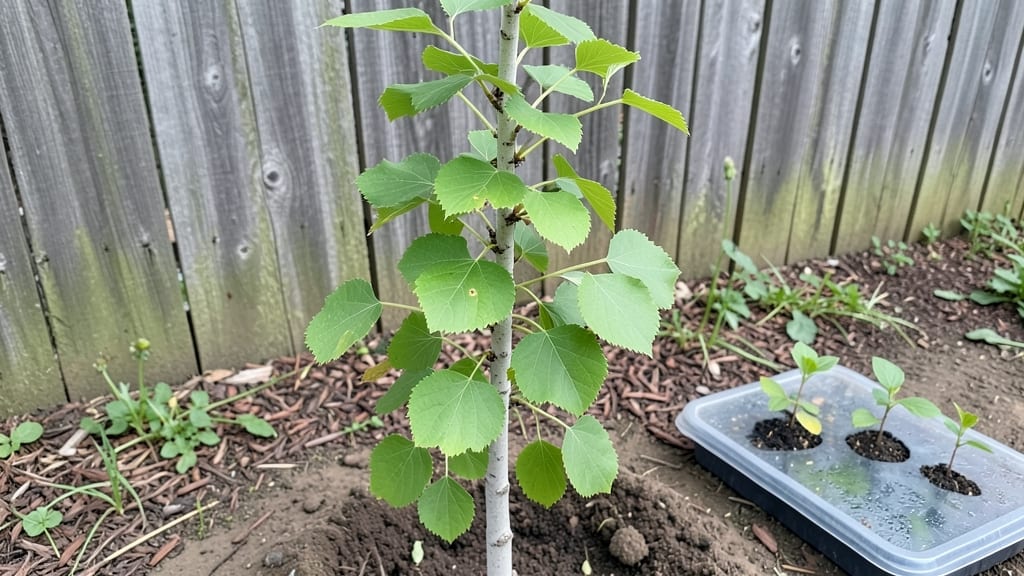
Growing aspen tree seeds into sturdy saplings in just three months feels like watching a tiny whisper of green become a forest giant. 🌱 I’ve struggled with aspen seeds before—those fluffy cottonwood-like seeds that seem too delicate to survive—but I’ve cracked the code on how to coax them into life.
The key isn’t just patience; it’s knowing exactly when to soak, how deep to plant, and when to shield them from wind.
You’ll need a few simple supplies: a shallow tray, damp paper towels, a small pot or seedling flat, and a sunny windowsill or grow light. Aspen seeds are finicky about moisture—too dry and they won’t wake up, too wet and they’ll rot.
The goal is to keep them damp like a wrung-out sponge, not soggy. Germination can take anywhere from 10 days to 3 weeks, so don’t give up if nothing sprouts right away.
Once those first pale green shoots appear, you’ll be hooked. They grow fast—2-3 inches in the first month—if you keep the soil consistently moist and give them 6+ hours of sunlight daily.
The real magic happens when you transplant them into individual pots with well-draining soil. By month three, you’ll have 4-6 inch saplings ready to toughen up for their forever home in the ground.
Here’s the secret: aspen seeds are best started indoors, but they’re notoriously difficult to grow from seed compared to cuttings. If you’re serious about aspens, consider rooting suckers from an existing tree instead—but if you’re determined to try seeds, this method gives you the best shot at success.
Let’s get those seeds sprouting!
📚 In This Guide
- What you need
- Instructions
- Tips and common mistakes
- Wrapping up and next steps
What you need
- ● Aspen tree seeds – 10–20 seeds (ensure they’re fresh or cold-stratified for best germination).
- ● Seed-starting mix – 1–2 gallons (sterile, well-draining potting soil blend).
- ● Seed trays or small pots – 6–12 individual containers (3–4 inches deep, with drainage holes).
- ● Clear plastic domes or plastic wrap – For humidity retention.
- ● Spray bottle – To mist seeds gently.
- ● Grow lights or sunny windowsill – 12–16 hours of light daily (south-facing window or LED grow lights).
- ○ Heat mat (optional but helpful) – 70–75°F to speed germination.
- ● Fertilizer (balanced, water-soluble) – Diluted to half-strength (e.g., 10-10-10 or 5-5-5).
- ● Cold stratification setup – Refrigerator or seed fridge (if seeds aren’t pre-stratified).
- ● Humidity tray – To maintain moisture without overwatering.
- ● pH test kit – To check soil acidity (ideal: 6.0–7.0).
- ● Transplanting tools – Small trowel, biodegradable pots for easier relocation.
- ● Aspen tree care guide – For reference on light, water, and growth milestones.
Step-by-Step instructions for growing aspen tree saplings
Here's how to nurture those tiny aspen seeds into sturdy young trees.
🌱 Step 1: Prepare Seeds for Faster Germination
Aspen seeds have a tough outer coating that slows germination. Start by soaking them in lukewarm water for 24 hours. I use a small glass bowl and cover it loosely with plastic wrap to keep moisture in. The water should be just warm enough to touch comfortably—hot water will damage the delicate embryos.
After soaking, spread the seeds on a damp paper towel and fold it over. Place the towel in a sealed plastic bag and store it in your refrigerator for 30-60 days. This cold stratification mimics winter conditions and helps break dormancy. Check them weekly—they should stay moist but not soggy. You'll know they're ready when tiny white roots appear, usually after about 4-6 weeks.
🪴 Step 2: Set Up Containers and Planting Medium
Fill 4-inch diameter pots with a mix of 50% peat moss and 50% perlite. This lightweight blend prevents compaction and allows roots to breathe. I tap each pot gently on the table to settle the mix without packing it down—you want it fluffy but stable enough to hold the seeds.
Plant the stratified seeds ¼ inch deep, spacing them 1 inch apart in each pot. Aspen seeds are tiny, so I use a toothpick to create small holes and place one seed in each. Cover lightly with additional mix, then mist the surface until evenly moist. Don't water heavily—you want the soil to stay damp, not wet.
☀️ Step 3: Provide Ideal Growing Conditions
Place the pots in a location with indirect light and 60-70°F temperatures. A bright windowsill facing east works well, but avoid direct southern sun which can overheat the seedlings. I keep mine on a seedling heat mat set to 70°F during the day to encourage faster growth.
Germination takes 2-4 weeks, and you'll see tiny green shoots emerge first. Once they appear, reduce the heat mat to 65°F to prevent leggy growth. Water gently from the bottom by placing pots in ½ inch of water for 10 minutes—this keeps the soil evenly moist without disturbing the delicate seedlings.
🌿 Step 4: Transition to Outdoor Conditions
After 4-6 weeks, when seedlings have 2-3 sets of true leaves, it's time to harden them off. Start by moving pots outside to a shaded, sheltered spot for 1 hour the first day. Gradually increase exposure by 1 hour daily over 10-14 days, moving them to sunnier locations as they adapt.
Watch for signs of stress—wilting or yellowing leaves mean they're getting too much sun too soon. Once they tolerate 4-6 hours of morning sun without wilting, they're ready for their permanent outdoor home. Choose a location with partial shade and well-draining soil to plant them.
Tips & tricks for growing aspen tree saplings
Real talk: Aspen seeds are finicky little things, but these tricks will help you avoid the most common pitfalls and give your seedlings their best shot at thriving.
Stratification Success: That 30-60 day cold period in Step 1 is non-negotiable for breaking dormancy. I've learned the hard way that cutting it short means you'll be waiting months longer for germination. Place a small dish of water in your fridge near the bag to maintain humidity—condensation on the bag means it's too wet, which can rot your seeds.
Container Prep Tip: When filling your 4-inch pots with that 50/50 peat moss and perlite mix, don't skip the gentle tapping on the table. This settles the mix just enough to prevent air pockets around those tiny seeds. I use a wooden spoon to tap each pot 5-6 times—just enough to firm up the surface without compacting it.
Lighting Strategy: Aspen seedlings are sensitive to light intensity. If you don't have an east-facing window, place your pots under a grow light on a 14-hour cycle. I use a simple LED bulb about 6 inches above the pots—closer than that and you'll scorch the delicate leaves. The 60-70°F range in Step 3 isn't just about temperature; it's also about preventing heat stress from direct sunlight.
Hardening Off Hack: During the 10-14 day hardening process, I keep a spray bottle of water handy. If you notice leaves curling or wilting during the daily sun exposure increases, give them a quick misting. This helps them recover faster from the stress of adapting to outdoor conditions. Start with morning sun only—afternoon sun is much more intense and can shock your seedlings.
Pro Tips for Aspen Tree Seeds
- Real talk: Aspen seeds are finicky little things, but these tricks will help you avoid the most common pitfalls and give your seedlings their best shot at thriving.
- Stratification Success: That 30-60 day cold period in Step 1 is non-negotiable for breaking dormancy.
- Container Prep Tip: When filling your 4-inch pots with that 50/50 peat moss and perlite mix, don't skip the gentle tapping on the table.
Frequently asked questions
Got questions about growing aspen tree seeds?
You’re not alone! Here are answers to the most common queries to help you nurture your saplings with confidence.
How do I know when aspen tree seeds are ready to plant?
Aspen seeds (samaras) are ready to plant when they’re fully mature but not dried out—typically in late summer to early fall. Look for plump, brown seeds with intact wings. Plant them immediately or store them in a cool, dry place for up to 6 months. Pro tip: If seeds sprout in the pod, they’re past their prime!
Why aren’t my aspen seeds germinating after 3 months?
Aspen seeds can be finicky! Slow germination often stems from cold stratification needs—most require 30–60 days in moist, chilled conditions (like a fridge) to mimic winter. If you skipped this step, try soaking seeds in water for 24 hours before replanting. Troubleshoot: Check for mold (discard affected seeds) or ensure your soil stays consistently moist but not soggy.
Can I grow aspen trees from store-bought seeds, or do they need to be wild-harvested?
Store-bought aspen seeds can work, but wild-harvested seeds often have higher viability. If buying, opt for certified organic or local nursery seeds labeled for tree growth. Wild seeds (collected from mature aspens) may have better regional adaptation. Bonus: Cross-pollinated seeds can yield more vigorous saplings!
What’s the best soil mix for aspen seedling growth?
Aspen seedlings thrive in well-draining, slightly acidic soil (pH 5.0–6.5). Mix equal parts peat moss, perlite, and compost for ideal conditions. Avoid heavy clay—it can suffocate roots. For containers, use a 50/50 blend of potting soil and sand to prevent waterlogging. Remember: Aspens hate "wet feet"!
Are there pests or diseases I should watch for in young aspen saplings?
Keep an eye out for aspens sawfly larvae (they skeletonize leaves) and aphids (sticky residue on stems). Fungal issues like root rot can strike if soil stays too wet. Preventative care: Spray neem oil for pests and ensure proper drainage. If leaves yellow or wilt, repot or adjust watering—overwatering is the #1 killer!
Wrapping up and next steps
Growing aspen tree seeds into saplings in just three months is a rewarding challenge that connects you to nature’s resilience. With the right soil, patience, and care, you’ve got everything you need to nurture these delicate seedlings into strong, towering trees. 🌱
Now that you’re armed with knowledge, take the next step—whether it’s planting your first batch of seeds or sharing your newfound expertise with fellow gardening enthusiasts. Every seed you sow today could one day become a shimmering aspen grove! 🌿