
Propagation
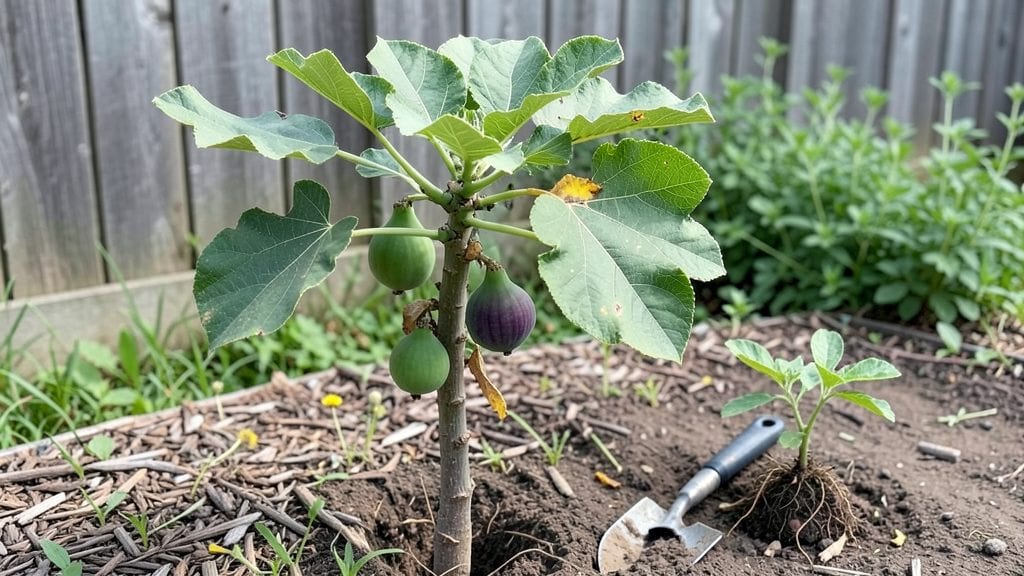
Growing a fig tree from a single fig is one of those gardening magic tricks that actually works. 🌱 I’ve turned grocery store figs into thriving trees—no fancy nursery skills required. The secret lies in patience and a few simple steps that turn a kitchen scrap into a sun-loving tree.
Start by saving a ripe fig with its stem intact, then place it in water to encourage roots. Within 3-4 weeks, you’ll see roots forming, signaling it’s ready for soil. Choose a spot with at least 6-8 hours of sunlight and well-draining soil—figs hate soggy feet.
The best time to plant outdoors is after the last frost, but container growing works year-round.
Your new tree will reward you with glossy leaves and, eventually, sweet fruit. Prune lightly in early spring to shape it, and watch as it matures into a productive, drought-tolerant plant. Even beginners can succeed—just avoid overwatering, and you’re golden.
This method works for most fig varieties, whether you’re in a warm climate or a cooler zone with a sunny patio. Once rooted, figs adapt well, making them a foolproof project for any gardener. Ready to turn that fig into a tree?
📚 In This Guide
- What you need
- Instructions
- Tips and common mistakes
- Wrapping up and next steps
What you need
- ● 1 fresh fig – Choose a ripe, organic fig (preferably with a stem attached). Avoid store-bought figs treated with preservatives.
- ● 1 small glass or jar – A clean, clear container (8–12 oz) with a narrow neck to hold the fig upright.
- ● Room-temperature water – Enough to submerge the fig’s stem by about 1 inch.
- ○ Rooting hormone (optional but helpful) – A small bottle of powder or gel to encourage faster root growth.
- ● Well-draining potting soil – A 6–8 inch pot with a mix designed for citrus or Mediterranean plants (or DIY: 50% potting soil + 50% perlite/sand).
- ● Small pot or seedling tray – For transplanting once roots form (3–4 inches in diameter).
- ● Spray bottle – To mist the soil and keep it moist without overwatering.
- ● Twine or rubber band – To secure the fig’s stem to a small stake (if needed for stability).
- ● Bright, indirect light – A sunny windowsill (south-facing) or a grow light for 6+ hours daily.
- ● Warmth (70–80°F) – Fig trees thrive in cozy spots; avoid drafts or cold windows.
- ● Patience (4–8 weeks) – Roots typically take 4–6 weeks to appear, with full transplant readiness in 8–12 weeks.
- ● Outdoor space (eventually!) – Figs love USDA Zones 8–11; plan for a permanent outdoor spot in warmer climates.
- ● 🌡️ Water temp matters! Use lukewarm water to avoid shocking the fig’s stem.
- ● ✨ Change the water weekly to prevent bacterial growth and keep roots oxygenated.
- ● 🎯 Skip the stem? If your fig lacks a stem, snip a small piece from the top (with a leaf) and place it in water—it might root!
Step-by-Step instructions for propagating figs in water
Here's how to turn a store-bought fig into a thriving tree—no fancy tools needed.
🌱 Step 1: Select and Prepare the Fig
Pick a firm, ripe fig with a short stem (about 2-3 inches long). The stem should have at least 2-3 leaf nodes—these are the bumps where leaves and roots will grow. Rinse the fig gently to remove any wax coating, which can prevent rooting.
Use clean, sharp scissors to cut the stem just below a leaf node. This ensures the cutting has the energy reserves needed to grow roots. I like to make the cut at a slight angle—it increases surface area for better water absorption.
💧 Step 2: Root in Water
Fill a clean glass or jar with room-temperature water (about 4-6 inches deep). Place the fig stem in the water so only the bottom 1-2 inches are submerged—never cover the leaves or the fig itself. The water should reach just below the lowest leaf node.
Change the water every 3-4 days to prevent bacterial growth. You'll notice tiny white roots forming in 2-4 weeks. Keep the container in bright, indirect light—direct sun can overheat the water and stress the cutting.
☀️ Step 3: Transition to Soil
Once roots reach 1-2 inches long, it's time to plant. Fill a 6-inch pot with well-draining potting mix (I use a blend of 50% potting soil and 50% perlite). Water the mix until moist but not soggy—you want the soil to hold water without being waterlogged.
Dig a hole slightly larger than the root ball and place the fig cutting in at the same depth it was rooted. Gently firm the soil around the base, but don't pack it down too tightly. This prevents air pockets that could suffocate new roots.
🌿 Step 4: Care for Your New Tree
Keep the soil evenly moist for the first 2 weeks—water when the top ½ inch feels dry. After that, let the top 1 inch dry out between waterings to encourage strong root growth. Figs are drought-tolerant once established, but young plants need consistent moisture.
Place the pot in full sun (at least 6-8 hours daily). You'll see new leaves appear within 3-4 weeks—that's your sign the fig is thriving. If leaves yellow, it's usually overwatering or poor drainage. Adjust your watering and check the pot for drainage holes.
Tips & tricks for perfect fig tree propagation
Here's what nobody tells you—these little details make all the difference between a thriving fig cutting and a sad, wilted experiment.
Leaf Node Location: In Step 1, those bumps on the stem (leaf nodes) are where roots will sprout. If your fig has only 1 node, skip it—you need at least 2-3 to give your cutting a fighting chance. I once tried with just one node and ended up with a sad, rootless stem. Place the cut just below the lowest node you want to keep, and you'll get the best root growth.
Water Quality Matters: During Step 2, use filtered or settled tap water if possible. Chlorine can stress the cutting, and cloudy water means bacterial growth. I keep a small pitcher of water at room temperature specifically for my propagation projects. Change it exactly every 3-4 days—this prevents that foul smell and keeps your cutting healthy.
Root Growth Visual Cue: When checking for roots in Step 2, look for tiny white tendrils near the waterline. If you're impatient like I was, you might be tempted to peek too often—but resist! Disturbing the cutting can slow root development. After 2-4 weeks, you'll see noticeable growth if everything's right.
Soil Mix Secret: In Step 3, that 50/50 blend of potting soil and perlite isn't just random—it's about balance. The soil provides nutrients, while perlite ensures proper drainage. If you don't have perlite, coarse sand works in a pinch, but don't skip the drainage component entirely. I've seen too many people drown their cuttings by using regular garden soil.
Pro Tips for Grow A Fig Tree From A Fig
- Here's what nobody tells you—these little details make all the difference between a thriving fig cutting and a sad, wilted experiment.
- Leaf Node Location: In Step 1, those bumps on the stem (leaf nodes) are where roots will sprout.
- Water Quality Matters: During Step 2, use filtered or settled tap water if possible.
Frequently asked questions
Got questions about growing a fig tree from a single fig? You’re not alone—this method is simple but can feel a little mysterious at first! Below, we’ve rounded up the most common questions (and answers) to help you avoid hiccups and grow with confidence.
Can I grow a fig tree from any fig I buy at the store?
Not all store-bought figs will work! Choose fresh, organic, or heirloom figs (like Brown Turkey or Black Mission) with a stem still attached. Avoid dried figs or those treated with preservatives—they won’t root. Always pick figs from non-hybrid varieties for the best success.
How long does it take for the fig to root in water?
Patience is key! Most fig cuttings sprout roots in 2–6 weeks, but some take up to 8–10 weeks. Keep the water fresh, and place the jar in bright, indirect light. If no roots appear after 2 months, your cutting may not be viable—try again with a new fig.
What if my fig cutting rots before it roots?
Rotting is usually caused by too much water, bacteria, or poor airflow. To prevent it:
- Use filtered or distilled water (tap water can introduce chlorine/bacteria).
- Change the water every 3–5 days.
- Ensure the stem is only partially submerged (1–2 inches).
- Add a few drops of hydrogen peroxide (3%) to the water to deter rot.
Should I plant my rooted fig cutting directly in the ground, or start with soil first?
For beginners, acclimate your rooted cutting to soil first to avoid transplant shock. Start with a small pot of well-draining potting mix (like cactus/succulent mix) and keep it in bright, indirect light for 2–4 weeks. Once it’s thriving, move it outdoors in spring or early fall.
Will my homegrown fig tree produce fruit like the parent plant?
Not always! Fig trees grown from cuttings may produce smaller or different-looking fruit than the parent plant, especially if the original fig was hybridized. For consistent, high-quality figs, consider grafting or buying a named variety from a nursery. But don’t worry—your tree will still yield delicious (if not identical) fruit!
Pro Tip: Speed Up Root Growth!
Boost your fig cutting’s chances by:
- Using a clear jar to monitor root progress.
- Adding a rooting hormone (optional but helpful).
- Keeping the water warm (70–75°F)—try placing the jar near a sunny window.
- Avoiding direct sunlight, which can overheat the water.
Wrapping up and next steps
Growing a fig tree from a single fig is a rewarding journey that connects you to nature’s bounty! 🌱 With just a little patience and care—water rooting, proper soil, and the right light—you’ll soon watch your tiny cutting transform into a thriving plant.
Whether you’re a beginner or a green thumb, this method proves that even the smallest fig can grow into something extraordinary.
Now that you’re armed with the know-how, take the next step! Start with your fig today, and in just a few months, you could be harvesting your own sweet, homegrown fruit. Happy planting—your future fig tree is waiting! 🍇✨