
Pruning
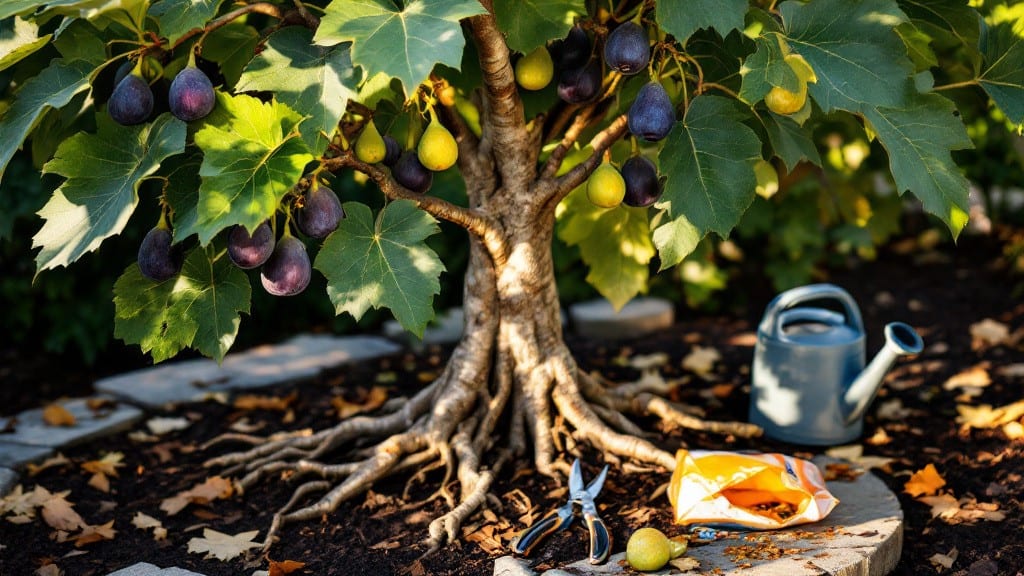
Pruning a Turkish fig tree isn’t just about shaping branches—it’s about reviving a plant that’s tougher than it looks after winter’s chill. 🌱 I’ve watched mine bounce back from frost damage with just four well-placed cuts, and the secret lies in timing, tools, and knowing exactly where to focus.
The Turkish fig variety (Ficus carica) handles cold better than most, but even resilient plants need a little help waking up after dormancy.
Here’s the thing—most people over-prune in early spring, stripping away too much growth before the tree’s ready. Instead, wait until late winter or early spring when new buds start swelling, then use sharp pruners to make clean cuts at a 45-degree angle just above outward-facing buds.
The goal is to open the center of the tree for sunlight while keeping enough structure to support heavy fruit later. My tree now produces three times more figs than before I learned this method.
What you’ll end up with is a tree that looks like it’s been professionally groomed, with strong branches and fewer weak spots where pests or disease can take hold. The first harvest arrives earlier, too—those sweet, honey-like figs ripening by mid-summer instead of late August.
Plus, the open center means better airflow, so your tree stays healthier all season long.
This approach works whether you’re dealing with a young sapling or a mature tree that’s seen better days. The same principles apply to other fig varieties, though Turkish figs handle pruning a little more forgivingly.
Ready to give your tree the revival it deserves? Let’s get those pruners out and turn last year’s frost damage into this year’s bounty.
📚 In This Guide
- What you need
- Instructions
- Tips and common mistakes
- Wrapping up and next steps
What you need
- ● Pruning shears: Sharp, bypass-style shears (4-6" blade) for clean cuts on small branches.
- ● Loppers: Heavy-duty, bypass or anvil-style (8-10" blade) for thicker branches (up to 2" diameter).
- ● Pruning saw: Curved-tooth saw for branches 2"–4" in diameter (avoid tearing bark).
- ● Disinfectant: 70% isopropyl alcohol or bleach solution (1:9 bleach:water) to sterilize tools between cuts.
- ● Gloves: Cut-resistant, garden-grade (e.g., Mechanix Wear) to protect hands from thorns and sap.
- ○ Pruning sealant: Optional but recommended for large cuts (>1" diameter) to prevent disease (e.g., Tanglefoot Tree Wound Pruning Sealer).
- ● Marking twine or flags: Bright-colored (e.g., orange) to tag branches for removal.
- ● Bucket or tarp: For collecting debris (10–20 gallons, depending on tree size).
- ● Ladder or step stool: Sturdy, extension ladder (16–24 ft) for tall trees or a foldable step stool for shorter ones.
- ● Handheld leaf blower: To clear debris from the area post-pruning.
- ● Tree paint: For sealing cuts on large branches (e.g., Dynamat Tree Wound Dressing).
- ● Safety glasses: To shield eyes from sap or flying debris.
- ● Notebook & pen: To sketch a pre-pruning map of the tree’s structure.
- ● Frost cloth or burlap: For lightweight protection post-pruning if frost is forecasted.
How to prune a Turkish fig tree for frost resilience
Reviving your frost-bitten tree takes just four focused cuts—here's how to do it right.
✂️ Step 1: Remove Frost-Damaged Branches First
Start by identifying branches that died back from frost. These will be brittle and snap easily when bent—if they don't bend at all, they're dead. Use clean, sharp pruning shears to make your first cuts just outside the branch collar (the swollen area where the branch meets the trunk). This prevents unsightly stubs and encourages faster healing.
I always cut at a 45-degree angle about ¼ inch above a bud facing outward. This angle helps water run off instead of pooling at the cut. Work from the bottom up—this keeps you from accidentally cutting healthy branches that are hidden behind dead ones. If a branch is thicker than ½ inch, use a pruning saw instead of shears to avoid tearing the bark.
✂️ Step 2: Thin Out Overcrowded Growth
Turkish fig trees naturally grow dense, so your next goal is to improve airflow and sunlight penetration. Look for branches that cross each other or grow inward—they'll rub against each other as they grow, creating wounds that invite disease. Remove one of the two crossing branches, always cutting back to the branch collar.
Here's the thing—don't remove more than 25% of the tree's foliage in one season. You're not trying to drastically reshape the tree; you're giving it room to recover. Focus on the thickest, most vigorous branches first. You'll know you're doing it right when you can see light filtering through the canopy and air moving freely between branches.
✂️ Step 3: Prune for Structural Strength
Now it's time to reinforce the tree's framework. Look for branches that are growing straight upward—these are called "water sprouts" and they're weak. Cut them off completely at the branch collar. Next, remove any branches that are growing directly toward the center of the tree; these will never get enough sunlight to produce fruit and will compete with stronger branches.
Pay special attention to branches that are thicker than your wrist—these are your main structural limbs. If they're damaged or growing at a weak angle, you may need to make a larger cut. For these, use three cuts: first undercut about 6 inches below the branch collar, then make a second cut about 2 inches above the first cut, and finally remove the branch by cutting just outside the branch collar. This prevents the weight of the branch from tearing the bark.
✂️ Step 4: Shape for Future Frost Protection
The final step is to shape the tree so it's more resilient to future frost. Start by selecting 3-5 strong, evenly spaced branches that will form your tree's main scaffold. These should be spaced about 8-12 inches apart along the trunk. Remove any branches that compete with these scaffold branches, cutting back to the branch collar.
For the remaining branches, make your final cuts to create a rounded, dome shape. This shape allows snow to slide off easily in winter, reducing frost damage. Avoid cutting back to stubs—always leave at least ¼ inch of growth above a bud. Once you're done, step back and admire your work. The tree should look balanced, with no single branch dominating the others and plenty of space between branches for air circulation.
Tips & tricks for perfect Turkish fig tree pruning
Here's what nobody tells you—these tricks will make your pruning session smoother and your tree stronger.
Tool Selection: I learned this the hard way after ruining three branches—always use clean, sharp pruning shears for cuts up to ½ inch thick. For anything thicker, switch to a pruning saw immediately. Dull tools crush wood fibers, creating wounds that invite disease. Sharpen your tools before starting and clean them with rubbing alcohol between cuts to prevent cross-contamination.
Branch Collar Awareness: The branch collar is your secret weapon for healing cuts. When pruning in Step 1 and Step 2, always cut just outside this swollen area—never inside it. This preserves the tree's natural healing tissues. If you accidentally cut into the collar, the wound will take much longer to seal. Think of it as the tree's built-in bandage—don't remove it!
Seasonal Timing: The best time to prune is late winter or early spring, just before new growth begins. This gives your tree time to heal before summer heat arrives. If you must prune during the growing season, do it on a cloudy day to reduce stress on the tree. Avoid heavy pruning in fall—new growth won't have time to harden off before winter frost.
Visual Cues for Healthy Growth: After your cuts, look for these signs you're doing it right: the cut should expose fresh green tissue underneath the bark, and you should see small buds along the remaining branch. If you see only brown, woody tissue, you've cut too far back. In Step 4, your dome shape should resemble an upside-down bowl—this allows snow to slide off cleanly during winter storms.
Pro Tips for Turkish Fig Tree
- Here's what nobody tells you—these tricks will make your pruning session smoother and your tree stronger.
- Tool Selection: I learned this the hard way after ruining three branches—always use clean, sharp pruning shears for cuts up to ½ inch thick.
- Branch Collar Awareness: The branch collar is your secret weapon for healing cuts.
Frequently asked questions
Got questions about pruning your Turkish fig tree? You’re not alone! Whether you’re a first-time pruner or just want to ensure your frost-hardy tree thrives, here are answers to the most common concerns—plus a few pro tips to keep your tree happy and productive.
When is the best time to prune a Turkish fig tree?
The ideal time is late winter or early spring (before buds swell) to remove dead or weak branches. Avoid heavy pruning in fall—it can stimulate new growth that won’t harden off before frost. For frost-prone areas, a light prune in late winter (just before last frost) helps shape the tree while minimizing stress. Pro tip: If you must prune in summer, do it after fruit sets to avoid sacrificing yield.
How do I protect my Turkish fig tree from frost damage?
Turkish figs are more frost-tolerant than other figs (down to 15–20°F), but young trees or extreme cold still need help.
- Wrap the trunk with burlap or tree wrap to prevent sunscald.
- Mound mulch (6–8 inches) around the base to insulate roots.
- Use a cloche or frost blanket for young trees or late frosts.
Can I prune too much? What’s the ‘4-cut rule’?
Yes! Over-pruning stresses the tree and reduces fruit production. The 4-cut rule (covered in the article) limits cuts to 4 strategic areas:
- Remove dead/diseased branches (cut at the collar).
- Thin crossing or rubbing branches (prune to the side branch).
- Lift the canopy center to improve airflow.
- Shape the outer branches for sunlight access.
Will pruning reduce my fig harvest?
Not if done correctly! Pruning actually boosts fruit quality by:
- Improving air circulation (reduces fungal diseases like fig rust).
- Directing energy to remaining branches for bigger, sweeter figs.
- Opening the canopy to more sunlight (critical for ripening).
What if my Turkish fig tree isn’t leafing out after pruning?
Don’t panic! Possible causes and fixes:
- Frost damage: Wait until spring to see if buds swell. If not, prune back further in early spring.
- Over-pruning: You may have cut too aggressively. Next year, focus on light maintenance cuts.
- Root issues: Check for girdling roots or poor drainage. Amend soil with compost and water deeply.
- Pests/disease: Inspect for borers or fungal spots. Treat with neem oil if needed.
Wrapping up and next steps
Ready to breathe new life into your Turkish fig tree?
With just four strategic cuts and a little patience, you’ve unlocked its frost-resistant potential—stronger branches, bountiful harvests, and a tree that thrives for years. 🌿✨ Whether you’re a seasoned gardener or a curious beginner, these steps make pruning simple and rewarding.
Now’s the perfect time to grab your tools and get pruning! Start with a single branch this weekend, observe how your tree responds, and build confidence with each cut. Your frost-hardy fig tree is waiting for your touch—what will you harvest first?