
Propagation
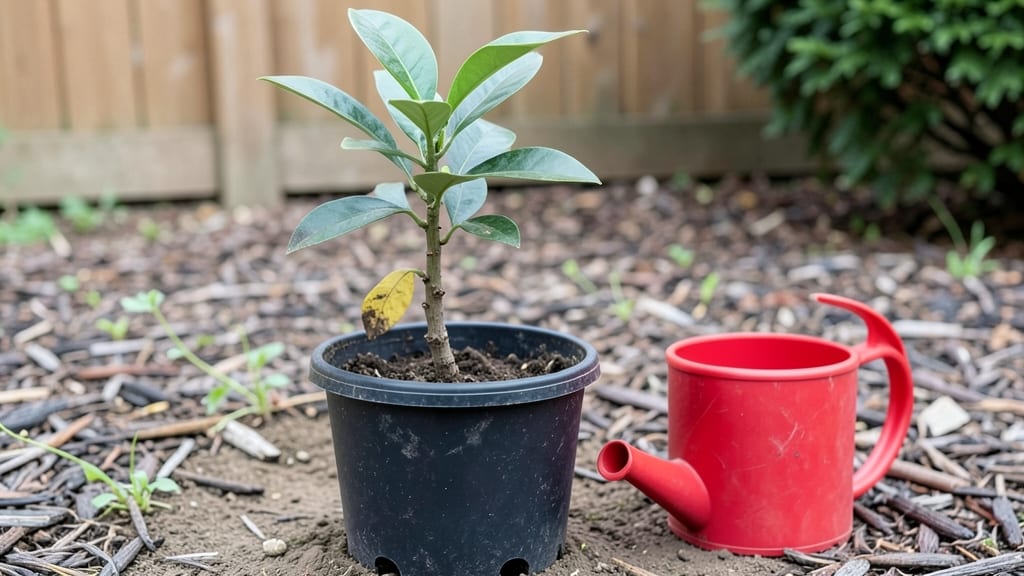
Growing a grapefruit tree from seed unlocks a tropical adventure right in your kitchen. 🌱 The journey starts with a single seed and ends with a citrus-scented houseplant—or a future backyard tree if you're lucky enough to live in a warm climate.
My first attempt took three years before it even flowered, but the smell of those first blossoms made every wait worthwhile.
The secret lies in patience and the right conditions. You'll need a sunny windowsill or grow light, a pot with drainage, and soil that stays moist but never soggy. Most people rush the process, but grapefruit seeds need warmth (around 75°F) and consistent humidity to germinate.
Once sprouted, the real test begins—keeping it alive through its awkward adolescent years when it might look more like a stubborn weed than a citrus tree.
By year five or six, you could see those first tiny blossoms—or maybe nothing yet. That's normal. The payoff comes when you finally taste homegrown fruit, even if it's just one grapefruit that takes three years to ripen.
The tree itself becomes a living conversation piece, with glossy leaves that smell like a vacation every time you brush past them. The journey teaches more about gardening than any other plant I've grown.
Whether you keep it indoors as a statement plant or eventually move it outside in a frost-free zone, this project rewards curiosity more than it does speed. The real magic happens when you realize you're growing something that would otherwise require a trip to Florida—or a grocery store.
Here's how to begin the adventure without killing it in the first few months.
📚 In This Guide
- What you need
- Instructions
- Tips and common mistakes
- Wrapping up and next steps
What you need
- ● Grapefruit seeds: 3–5 fresh, plump seeds (harvested from a ripe grapefruit—avoid hybrid varieties like 'Ruby Red' for best results)
- ● Small seed-starting pots or biodegradable peat pots: 2–3 (4–6 inches in diameter) with drainage holes
- ● Well-draining potting mix: 1 bag (look for a seed-starting blend or mix with perlite/vermiculite for aeration)
- ● Plastic wrap or a humidity dome: 1 (to retain moisture while seeds germinate)
- ● Spray bottle with water: 1 (for gentle hydration)
- ● Grow lights or a sunny windowsill: Access to warmth (70–85°F) and bright, indirect light (south-facing window or LED grow lights work well)
- ○ Fertilizer (optional but helpful): A balanced, water-soluble fertilizer (like 10-10-10) or a slow-release granular fertilizer for seedlings
- ● Larger pot (1–2 gallons) or garden bed: For transplanting once seedlings are 6+ inches tall (ensure full sun exposure if outdoors)
- ● Citrus-specific fertilizer: High in nitrogen, phosphorus, and potassium (e.g., 6-6-6 or 8-3-9 blend) for mature trees
- ○ Mulch (optional): Organic material like straw or wood chips to retain moisture and regulate soil temperature
- ● Pruning shears: For shaping and maintaining the tree as it grows
- ● 💡 Seed selection: Choose seeds from a navel or white grapefruit for better germination rates.
- ● 🌡️ Temperature matters: Grapefruit seeds need warmth to germinate—place pots in a cozy spot like near a heater or under grow lights.
- ● ✨ Patience is key: Germination can take 2–4 weeks, so stay consistent with moisture and warmth!
Step-by-Step instructions for cultivating a grapefruit tree from seed
Here's the straightforward method I've used to coax grapefruit trees from kitchen scraps.
🌱 Step 1: Extract and Prepare the Seed
Start with a fresh grapefruit—organic is best to avoid chemical residues. Cut the fruit open carefully and remove the seeds, rinsing them thoroughly under cool water. Let them air-dry for 15-20 minutes on a paper towel until the outer membranes feel slightly tacky but not sticky.
Here's the thing—grapefruit seeds have a tough outer coating that slows germination. To speed things up, I like to gently rub each seed between two pieces of sandpaper (100-grit) for 10-15 seconds per seed. This scratches the shell just enough to let water penetrate faster. Place them in a small bowl and cover with warm water for 24 hours—this softens the seed coat and kickstarts the sprouting process.
💧 Step 2: Set Up Germination in Moist Media
After soaking, drain the seeds and prepare a 4-inch diameter pot with 2 inches of moistened seed-starting mix. I use a mix of 50% peat moss and 50% perlite for perfect drainage. Press the soil down lightly—it should hold its shape when squeezed but not be compacted.
Plant 2-3 seeds per pot about ½ inch deep, spacing them 1 inch apart. Water gently until moisture reaches the bottom of the pot—you'll know it's right when water runs out the drainage holes. Cover the pot with plastic wrap to create a humidity dome, but leave a small gap for airflow. Place it in a warm spot (75-80°F)—a seedling heat mat works wonders if you have one.
☀️ Step 3: Wait for Sprouts and Provide Gentle Light
Germination can take 2-4 weeks, depending on your home's warmth. I check daily for signs of sprouting—look for a tiny white tip breaking through the soil. Once you see green cotyledons (the first true leaves), remove the plastic wrap immediately to prevent fungal growth.
Move the pot to a bright, indirect light spot—think east-facing window or under a grow light set to 12-14 hours daily. Avoid direct sun at this stage; it can scorch the delicate seedlings. Water when the top inch of soil feels dry, but don't let it stay soggy. Overwatering is the #1 killer of young citrus seedlings.
🪴 Step 4: Transplant and Encourage Strong Growth
When seedlings reach 3-4 inches tall (about 6-8 weeks), it's time to transplant them into 6-inch pots. Use the same peat-perlite mix and plant each seedling 1 inch deeper than it was before—this stabilizes the stem. Water thoroughly after transplanting to help the roots settle.
Real talk: Grapefruit trees grow slowly, so be patient. Feed them every 4-6 weeks with a balanced citrus fertilizer (like 6-6-6) diluted to half strength. Keep the soil consistently moist but never waterlogged—citrus roots rot easily. Rotate the pot a quarter turn weekly so the tree grows straight, not leaning toward the light.
Tips & tricks for growing a grapefruit tree from seed
Between us, these small adjustments can make all the difference between a thriving citrus plant and a failed experiment.
Seed Preparation Secret: Don't skip the sandpaper step in Step 1—this is what actually breaks the seed's natural dormancy. I've tried skipping it, and germination took twice as long. The 10-15 seconds per seed is crucial; too little won't help, but too much can damage the seed. After sanding, give them a quick rinse to remove any dust before soaking. This tiny step cuts your wait time by weeks!
Germination Environment: The warm spot you create (75-80°F) in Step 2 makes all the difference. If your home stays cooler, consider using a seedling heat mat underneath the pot—it's the same principle as a greenhouse. I've seen germination times cut from 4 weeks to just 10 days with this simple upgrade. Just remember to leave that tiny airflow gap in the plastic wrap or you'll risk mold.
Light Transition Strategy: When moving your seedlings to bright indirect light in Step 3, do it gradually over 3-4 days. Sudden exposure can shock the delicate plants. Start with just 2 hours of light the first day, then increase by 1 hour each subsequent day until reaching the full 12-14 hours. This mimics natural conditions and prevents sunburn on the tender leaves.
Transplanting Wisdom: In Step 4, when transplanting to 6-inch pots, be gentle with the roots—citrus seedlings are surprisingly fragile. I like to water the original pot thoroughly first, then carefully slide the seedling out by its base rather than pulling from the leaves. This preserves the root structure and helps your grapefruit establish faster in its new home.
Pro Tips for Grow A Grapefruit Tree From Seed
- Between us, these small adjustments can make all the difference between a thriving citrus plant and a failed experiment.
- Seed Preparation Secret: Don't skip the sandpaper step in Step 1—this is what actually breaks the seed's natural dormancy.
- Germination Environment: The warm spot you create (75-80°F) in Step 2 makes all the difference.
Frequently asked questions
Got questions about growing your own grapefruit tree from seed? You’re not alone! Here are some of the most common queries—and their straightforward answers—to help you avoid pitfalls and grow with confidence.
How long does it take for a grapefruit seed to sprout?
A grapefruit seed typically sprouts within 2 to 4 weeks if kept in warm, moist conditions. Keep the soil consistently damp (but not soggy) and place the pot in a sunny spot. Patience is key—some seeds may take longer, especially if they’re older or stored improperly. Pro tip: Use a heat mat to speed up germination!
Will my grapefruit tree grown from seed produce fruit?
While it’s possible, it’s unlikely your seed-grown tree will bear fruit for 10+ years (if ever). Grapefruit trees grown from seed are often non-cultivar, meaning the fruit may differ in size, taste, or quality from the parent. For reliable fruit, consider grafting a known cultivar onto your seedling later.
Can I grow a grapefruit tree indoors?
Yes, but with limitations. Grapefruit trees thrive outdoors in USDA zones 9–11, but you can grow them indoors in pots if you provide bright, indirect light (south-facing window or grow lights) and maintain 60–80°F temperatures. Expect slower growth and smaller fruit. Move it outdoors in summer for better health!
Why are my grapefruit seedlings wilting or turning yellow?
Wilting or yellowing leaves usually signal overwatering, underwatering, or pests. Check the soil moisture—it should stay evenly damp but not waterlogged. Yellowing edges may indicate nutrient deficiency (try a citrus-specific fertilizer). Inspect for spider mites or aphids and treat with neem oil if needed.
Can I use store-bought grapefruit seeds, or should I save my own?
Store-bought seeds work fine, but saved seeds may have higher viability since they’re fresh. Just ensure the fruit is organic or pesticide-free to avoid harming your seedling. Rinse seeds thoroughly before planting to remove any residual pulp or chemicals.
Wrapping up and next steps
Growing a grapefruit tree from seed is a rewarding journey that blends patience, care, and a touch of tropical magic. 🌱 While it may take years to bear fruit, every step—from sprouting to transplanting—is a chance to connect with nature’s cycles.
Once your seedling thrives, consider grafting for faster fruiting or sharing your green thumb with fellow plant lovers!
Ready to nurture your citrus dream? Start small—plant that seed today!