
Propagation
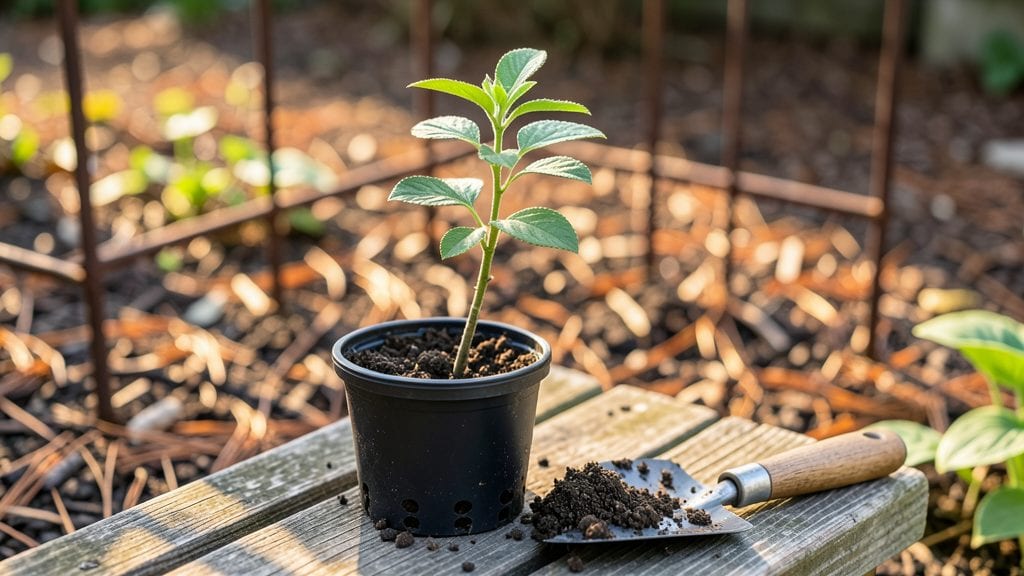
Growing an apple tree from seed is the ultimate test of patience—your first fruit won’t arrive for 8-15 years, but there’s something magical about watching a seedling grow into a tree that carries its own story.
The process starts with a simple core from a store-bought apple, but the journey teaches you more about orchards than any nursery ever could. I’ve tried this three times, and each seedling reminds me why gardening is about the adventure, not just the harvest.
The real secret isn’t complicated—it’s consistency. You’ll need a sunny spot, well-draining soil, and the willingness to wait while your seedling grows into a sapling before it even thinks about flowering.
Most people quit when the tree takes years to fruit, but that’s when the real reward begins: apples unlike any you’ve bought, shaped by your climate and care. The trade-off? Fruit quality varies wildly, and true-to-parent trees are rare—this is nature’s lottery, not a guarantee.
What you’ll end up with is a tree that outlives you, its branches heavy with fruit only you’ve ever tasted.
The bark will tell stories of storms survived, and the roots will stretch deeper than any grafted tree’s. This isn’t gardening for the impatient—it’s for those who plant with their grandchildren in mind.
By the time your tree bears its first apples, you’ll have learned more about orchards than most gardeners ever do.
Fair warning: this method demands space and time you might not have. But if you’re willing to commit, you’ll grow something no nursery can sell—a tree with history, quirks, and fruit that’s entirely yours. The first step? Grab that apple core and get started. The rest is just waiting.
📚 In This Guide
- What you need
- Instructions
- Tips and common mistakes
- Wrapping up and next steps
What you need
- ● Apple seeds: 3–5 fresh, viable seeds (from an organic, non-hybrid apple if possible—see tips below!)
- ● Small pots or seed trays: 3–4 (4–6 inches in diameter) with drainage holes
- ● Well-draining potting mix: 1–2 bags (sterile, seed-starting blend preferred)
- ● Plastic wrap or clear lid: 1 (to create a mini greenhouse effect)
- ● Spray bottle: 1 (for gentle watering)
- ● Grow lights or sunny windowsill: Access to 6+ hours of indirect light daily
- ● Larger container or garden plot: 1 (for transplanting seedlings after ~6 months)
- ● Pruning shears: 1 (sterilized, for future shaping)
- ● Seed stratification kit: 1 (or a fridge with a damp paper towel setup)
- ● Humidity dome: 1 (to speed up germination)
- ● Fertilizer: Balanced, water-soluble (e.g., 10-10-10) for later stages
- ● Mulch: Organic (e.g., straw or wood chips) for outdoor planting
- ● Tree tags or labels: 5+ (to track seed varieties)
Step-by-step instructions for growing an apple tree from seed
Here's how to nurture a seed into a tree with real potential—just be ready for a long wait.
🌱 Step 1: Select and Prepare the Seed
Choose a seed from a healthy, disease-resistant apple variety you love. The best seeds come from fully ripened fruit—pick one that's soft but not mushy. Remove the seed carefully, rinsing off any remaining fruit pulp. This prevents mold and rot during storage.
Place the clean seed in a small paper towel or damp cloth, then fold it into a loose package. Store it in a sealed plastic bag in the refrigerator for 60-90 days. This cold stratification mimics winter and breaks seed dormancy. Check the seed monthly—it should feel slightly damp but not wet.
After the cold period, remove the seed and let it sit at room temperature for 1-2 weeks. You'll know it's ready when the seed coat softens and a tiny root (radicle) begins to emerge. This is your cue to plant immediately.
🪴 Step 2: Plant the Seed in a Nursery Pot
Fill a 4-inch diameter nursery pot with sterile seed-starting mix, leaving about ½ inch of space at the top. Moisten the mix until it feels like a damp sponge—press gently to remove air pockets but don't compact it. The goal is light, fluffy soil that encourages root growth.
Plant the seed ½ inch deep, with the pointed end facing upward. If the seed has already sprouted, place it in the soil so the root stays covered while the shoot remains above ground. Gently pat the soil around the seed to secure it without burying it deeper.
Cover the pot with a clear plastic dome or wrap it loosely in plastic wrap to retain moisture. Place it in a warm spot (65-75°F) with bright, indirect light. A seedling heat mat can speed up germination if your home runs cooler. Keep the soil consistently moist but never soggy—water only when the top ¼ inch feels dry.
☀️ Step 3: Care for the Seedling Until Transplanting
Once the seedling reaches 3-4 inches tall (usually 4-6 weeks after planting), remove the plastic cover. Gradually introduce it to direct sunlight by placing it near a south-facing window for 2-3 hours daily, then increasing exposure over 10-14 days. This prevents shock from sudden light changes.
Fertilize lightly with a balanced, water-soluble fertilizer (like 10-10-10) diluted to ¼ strength every 4-6 weeks during the growing season. Over-fertilizing now can scorch young roots. Water deeply once a week, letting excess drain away to avoid root rot.
When the seedling grows 6-8 inches tall and has 4-5 true leaves, it's ready for its first transplant. Choose a 6-inch pot with fresh seed-starting mix. Handle the seedling gently by its leaves—never grasp the stem—to avoid damage. Keep it in partial shade for a week after transplanting to reduce stress.
⏰ Step 4: Transition to Outdoor Growing Conditions
After 1 year of indoor growth, the young tree will need hardening off before moving outside. Start by placing it in a sheltered, shaded outdoor spot for 1 hour daily, gradually increasing time over 2 weeks. Watch for wilting or yellowing leaves—these are signs it's not ready for longer exposure.
Once the seedling tolerates full sun for a full day, plant it in a protected outdoor location (like a large container or garden bed) with well-draining soil. Choose a spot with at least 6 hours of sunlight daily and shelter from strong winds. Dig a hole twice as wide as the root ball but no deeper.
Mulch around the base with 2-3 inches of organic mulch (like shredded bark) to retain moisture and regulate soil temperature. Water deeply twice a week for the first month, then taper to once a week as the roots establish. Avoid overhead watering to prevent fungal diseases.
🌿 Step 5: Long-Term Care for Fruit Production
Apple trees grown from seed take 5-10 years to bear fruit, and the apples may not match the parent tree's quality. To improve fruit production, consider grafting a named variety onto your seedling when it's 3-5 years old. This ensures consistent flavor and disease resistance.
Prune the tree annually in late winter (before buds swell) to remove dead, crossing, or crowded branches. Focus on opening the center to improve airflow and sunlight penetration. Thin out 20-30% of the branches each year to encourage stronger growth. Use clean, sharp pruners to make cuts just above a outward-facing bud.
Monitor for pests like aphids, codling moths, and apple scab. Use organic sprays (like neem oil or horticultural oil) in early spring and late summer to prevent infestations. Keep the area around the tree free of debris to reduce hiding spots for pests. Patience is key—your tree will reward you with fruit eventually, but it requires consistent care.
Tips & tricks for growing an apple tree from seed
A few key insights will help you avoid common pitfalls and give your young apple tree the best possible start.
Seed Selection Tip: The health of your apple tree begins with the seed. Choose seeds from apples that are fully ripe but not overripe—look for fruit that's soft to the touch but still firm. I learned this the hard way after using seeds from bruised apples that failed to germinate. Also, if you're growing from a favorite variety, keep in mind the resulting tree may not produce identical fruit, as apple seeds often yield surprises in the orchard.
Cold Stratification Insight: Don't rush the 60-90 day cold period—this is non-negotiable for breaking seed dormancy. I once tried skipping the full 90 days and ended up with a seed that sprouted but grew slowly and weakly. Place a small reminder on your fridge door to check the seed monthly. The seed should feel damp but not soggy; if it's too dry, mist it lightly with water and reseal the bag.
Lighting Strategy: Those first few weeks with bright, indirect light are crucial. I've seen seedlings stretch painfully toward weak light sources, becoming leggy and weak. If you don't have a south-facing window, consider a grow light placed 6-12 inches above the pot. The goal is to encourage sturdy growth without shocking the delicate seedling with direct sun too soon.
Transplanting Technique: When your seedling reaches 6-8 inches and has 4-5 true leaves, handle it with extra care during transplanting. I've found that using a small trowel to gently lift the seedling from its first pot preserves more roots than pulling it out by hand. After transplanting to the 6-inch pot, keep it in partial shade for a week to help it adjust gradually to its new environment.
Pro Tips for Grow Apple Tree From Seed
- A few key insights will help you avoid common pitfalls and give your young apple tree the best possible start.
- Seed Selection Tip: The health of your apple tree begins with the seed.
- Cold Stratification Insight: Don't rush the 60-90 day cold period—this is non-negotiable for breaking seed dormancy.
Frequently asked questions
Got questions about growing an apple tree from seed? You’re not alone—this process takes time and care! Here are answers to the most common queries to help you navigate the journey with confidence.
How long does it take for an apple seedling to produce fruit?
Be patient! Apple trees grown from seed can take 5–10 years (or even longer) to bear fruit. This is because they’re not grafted like nursery trees, so their growth and fruiting timeline is unpredictable. If you want faster results, consider grafting later or buying a grafted tree.
Can I grow an apple tree from seed in cold climates?
Yes, but choose cold-hardy apple varieties like Malus pumila (wild crabapple) or ‘Liberty’ or ‘Enterprise’ (if you can find seeds). Start seeds indoors 8–10 weeks before your last frost, then transplant seedlings outdoors after the soil warms. Mulch heavily in winter to protect young roots.
Will my homegrown apple tree produce the same fruit as the parent?
Probably not! Apple seeds grow into seedlings, which often produce small, tart, or even inedible fruit. For consistent, flavorful apples, graft a scion from a desired variety onto your seedling later. If you love the parent’s fruit, save seeds and cross-pollinate for genetic diversity!
What pests or diseases should I watch for in young apple seedlings?
Keep an eye out for aphids, spider mites, and apple maggots (tiny white larvae in fruit). For diseases, fire blight (blackened branches) and powdery mildew (white fungal growth) are common. Use neem oil or insecticidal soap early, and prune affected areas immediately to prevent spread.
Can I grow an apple tree from seed in a pot?
Start seeds in a 5–7 inch pot with well-draining soil. Use a dwarf rootstock (like M.9) if you want a compact tree. Move pots outside during the day in spring/summer, then bring them indoors when temps drop below 40°F (4°C). Repot every 2–3 years until transplanting outdoors.
Pro Tip:
Label your seedlings! Since apple trees from seed are unpredictable, jot down the parent variety (if known) and planting date. This helps track growth and future grafting efforts—plus, it’s satisfying to see your experiment come to life over time!
Wrapping up and next steps
Growing an apple tree from seed is a rewarding journey that blends patience with the joy of nurturing life.
While it may take years to see fruit, every step—from planting to pruning—teaches you the art of gardening and the beauty of nature’s timeline. Celebrate your progress! Once your tree is thriving, consider grafting to ensure consistent fruit quality—or simply enjoy the unique apples your seedling may produce. Happy growing! 🌱🍏
Next step: Research local apple varieties or grafting techniques to enhance your tree’s potential!