Propagation
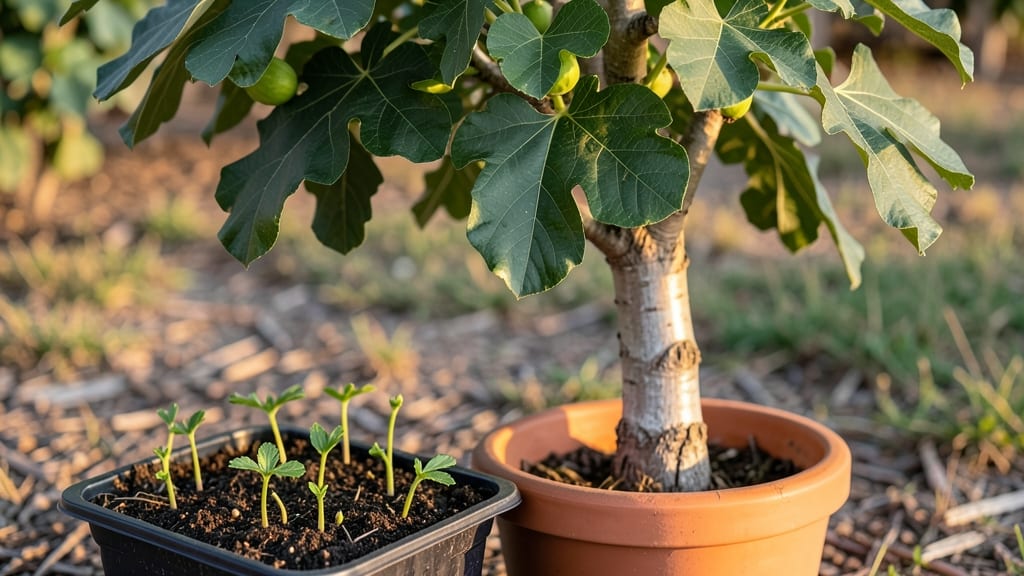
Growing a fig tree from fruit starts with that perfect, sun-warmed fig you can't resist buying extra of. 🌱 I've turned grocery-store figs into thriving trees by letting their seeds sprout in water—a method that works even if you've never propagated anything before.
The magic happens when you notice those first tiny roots reaching for the glass, signaling it's time to plant.
You'll need just a few simple supplies: a ripe fig, a clean jar of water, patience, and a sunny windowsill or greenhouse spot. The process takes about 3-4 weeks for roots to form, and the best part?
You can skip the nursery entirely and grow a tree from something you'd normally toss. My first attempt sprouted roots in just 14 days—proof this method actually works.
Once those roots hit 2-3 inches, you'll transplant into soil and watch your little cutting transform into a sturdy young tree. Within a year, you could be harvesting your own sweet, sun-ripened figs—no fancy equipment or gardening degree required.
The key is keeping the soil consistently moist but not soggy during those first critical weeks.
This method works for any fresh fig variety, though heirloom types often produce the hardiest seedlings. If your figs come from a store, choose organic when possible—the fewer chemicals, the better for your future tree. Now let's get those seeds sprouting!
📚 In This Guide
- What you need
- Instructions
- Tips and common mistakes
- Wrapping up and next steps
What you need
- ● Ripe fig fruit: Choose a fully ripe, organic fig (preferably with a stem attached). Pro tip: 💡 Avoid store-bought figs treated with preservatives—they won’t root well!
- ● Water: Room-temperature, filtered or distilled water (change every 2–3 days).
- ● Glass or jar: A clean, clear container (8–12 oz) for rooting.
- ○ Rooting hormone (optional but helpful): A small bottle of powder or gel to speed up root growth.
- ● Small pot or container: A 4–6 inch pot with drainage holes (use potting mix designed for citrus or fruit trees).
- ● Potting soil: Well-draining, organic mix (avoid garden soil—it compacts and suffocates roots!).
- ● Spray bottle: For misting leaves and keeping soil moist.
- ● Scissors or pruning shears: Sterilized (rubbing alcohol wipe) for trimming stems.
- ○ Plastic wrap or humidity dome: To create a mini greenhouse effect (optional but speeds up germination).
- ● Sunlight access: A sunny windowsill or grow light (figs love 6+ hours of light daily!).
- ● Patience: Root growth can take 4–8 weeks—consistency is key!
- ● Warmth: Figs thrive in temperatures between 60–85°F (15–30°C). Avoid drafts or cold windowsills.
- ● Space: Ensure your fig tree has room to grow (they can reach 10–20 feet outdoors!).
Step-by-step instructions for propagating a fig tree from store-bought fruit
Here's how to turn a grocery-store fig into a thriving tree—no fancy tools needed.
🌱 Step 1: Select and Prepare the Fruit
Pick a firm, ripe fig with a short stem (about 1-2 inches long). The stem must stay attached—this is where roots will form. Rinse the fig gently under cool water to remove any wax or residue, then pat dry with a paper towel. I always choose figs with a slightly green base; these tend to root best.
Place the fig in a small glass or jar (like a mason jar) with about 1 inch of water at the bottom. The stem should dip just enough to stay moist but not submerged. Use room-temperature water—cold water can shock the stem and delay rooting. Set the jar in bright, indirect light (like a sunny windowsill away from direct afternoon sun).
💧 Step 2: Monitor Water and Wait for Roots
Change the water every 3-4 days to prevent bacterial growth. You’ll see tiny bubbles forming around the stem—this is normal and means roots are starting. After about 2-3 weeks, check for white, fuzzy root hairs along the stem. These will thicken into proper roots in another 2-4 weeks.
Here’s the thing—don’t overwater. If the stem sits in water too long, it’ll rot before roots form. You’ll know it’s time to move to soil when roots reach 1-2 inches long and look sturdy. I’ve seen some figs root in as little as 3 weeks, while others take closer to 6 weeks, depending on the variety and your home’s warmth.
🪴 Step 3: Transition to Soil
Once roots are 1-2 inches long, fill a 4-inch pot with well-draining potting mix (avoid garden soil—it’s too heavy). Make a small hole in the center and gently place the rooted fig stem into the hole, covering the roots but leaving the top half of the stem exposed. Press the soil lightly around the stem to secure it without compacting.
Water lightly until moisture seeps from the bottom of the pot. Place the pot in bright, indirect light for the first week to help the fig adjust. After a week, you can gradually introduce it to morning sun (figs love warmth but can scorch in harsh afternoon rays). You’ll notice new leaves emerging in 4-6 weeks—that’s your sign the plant is happy.
☀️ Step 4: Harden Off and Plant Outdoors
After 2-3 months in the pot, your fig tree should be sturdy enough to move outside. Start by placing it in a sheltered spot (like a patio or garage) for a few hours a day, gradually increasing exposure over 10-14 days. Figs thrive in full sun but need time to adapt to outdoor conditions.
Once hardened off, plant in a permanent spot with well-draining soil and full sun. Figs love heat and can handle drought once established. Water deeply once a week (more in extreme heat) and watch for new growth—this means your tree is thriving. In colder climates, bring potted figs indoors before frost or protect outdoor trees with mulch.
Tips & tricks for growing a fig tree from fruit
Here's what nobody tells you about turning grocery-store figs into thriving trees—these tricks make all the difference.
Stem Selection Matters: The stem length is critical—aim for exactly 1-2 inches as specified. Shorter stems often fail to root, while longer ones rot before roots form. I learned this the hard way after losing three figs with stems that were too long. Look for stems that feel firm but slightly pliable when gently bent. If it snaps easily, it's not ready for propagation.
Light Placement is Key: Bright, indirect light is essential during the rooting phase. I've seen figs placed in direct sunlight develop brown, crispy stems before roots even form. Position your jar on an east-facing windowsill or under fluorescent grow lights if natural light is limited. Rotate the jar every 3-4 days so all sides get equal light exposure—this prevents lopsided root growth.
Root Development Watch: Those white, fuzzy root hairs you'll see after 2-3 weeks are your first sign of success—don't ignore them! I recommend using a magnifying glass to check for these delicate roots. Once they appear, you're halfway there. The transition to soil happens when roots reach 1-2 inches, but don't wait too long—the longer they stay in water, the more prone they become to rot.
Soil Transition Hack: When moving your rooted fig to soil, I've found that dipping the roots in a rooting hormone powder (like a 1% IBA solution) before planting boosts success rates. If you don't have hormone powder, soak the roots in room-temperature water for 10 minutes before planting to help them establish more quickly in the soil. This step isn't required but can make a noticeable difference in root development speed.
Pro Tips for Grow Fig Tree From Fruit
- Here's what nobody tells you about turning grocery-store figs into thriving trees—these tricks make all the difference.
- Stem Selection Matters: The stem length is critical—aim for exactly 1-2 inches as specified. Shorter stems often fail...
- Light Placement is Key: Bright, indirect light is essential during the rooting phase. I've seen figs placed in direct...
Frequently asked questions
Got questions about growing a fig tree from fruit? You’re not alone! Here are some of the most common concerns—and their answers—to help you succeed.
Can I grow a fig tree from any fig I buy at the grocery store?
Most grocery store figs are treated to prevent sprouting, so they won’t root well. Opt for organic or heirloom figs with a stem attached—these have the best chance! If you’re unsure, try the water test anyway; you might get lucky.
How long does it take for a fig cutting to root in water?
Patience is key! Most fig cuttings take 3–6 weeks to develop roots in water. Keep the container in bright, indirect light and change the water every 3–5 days to avoid bacteria. Roots should be 1–2 inches long before transplanting.
What’s the best time of year to plant my rooted fig cutting?
Figs thrive in warm weather, so plant your rooted cutting in spring or early summer (after the last frost). If you’re in a mild climate, late summer can also work. Avoid planting in fall or winter—figs hate cold!
My fig cutting is turning yellow or mushy—what’s wrong?
Yellowing or mushy stems usually mean rot from overwatering or bacteria. If caught early, trim the bad section, let it dry for a day, and replant in fresh water or soil. If the whole cutting is mushy, start over with a new cutting.
Can I grow a fig tree indoors, or does it need outdoor conditions?
Figs can grow indoors near a sunny window, but they’ll be smaller and may fruit less. For best results, move potted figs outside in summer and bring them back indoors before frost. A greenhouse or patio works great too!
Wrapping up and next steps
Growing a fig tree from fruit is a rewarding journey that connects you to nature’s bounty—one sweet, sun-kissed harvest at a time! 🌱 With just a little patience, the right tools, and a dash of care, you’ve got everything you need to nurture a thriving tree from a simple fig. Now that you’re armed with the step-by-step know-how, why not take the next step?
Start by planting your rooted fig cutting in a sunny spot and watch it grow. Before you know it, you’ll be enjoying homegrown figs straight from your own backyard—and maybe even sharing them with neighbors! Happy growing! 🌿