
Size
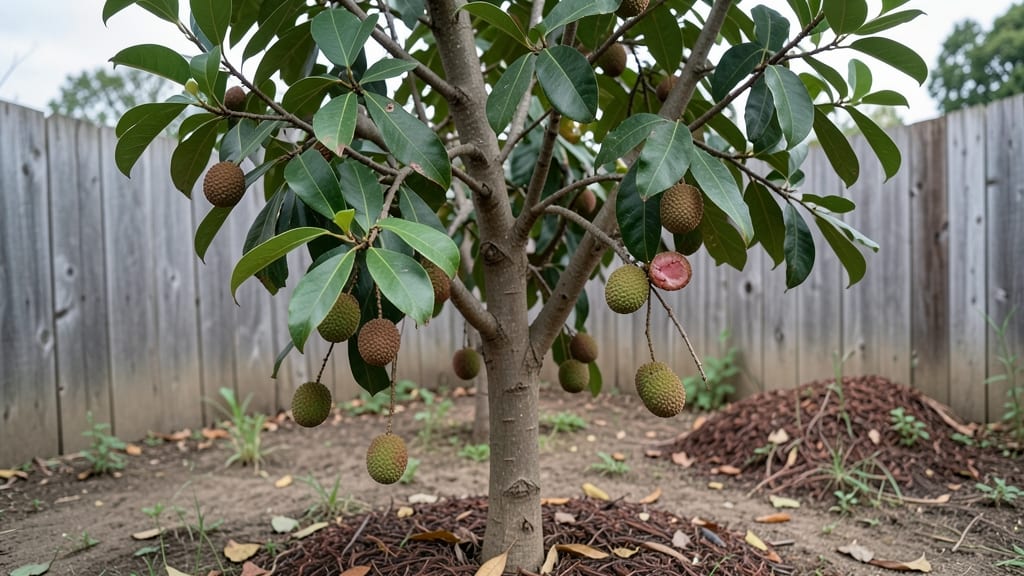
Growing a lychee fruit tree from seed means waiting for sweet, fragrant rewards that taste like summer in a single bite—but only if you nail the tropical conditions first. 🌿 I learned the hard way that these trees aren’t just picky about heat; they demand humidity levels that mimic their Southeast Asian homeland.
My first attempt in a dry California summer ended with crispy leaves by August, but I’ve since cracked the code for both ground planting and container growing.
The key starts with soil that drains like a sandy beach but holds moisture like a sponge—think equal parts potting mix, perlite, and compost.
For containers, a 15-gallon pot with drainage holes is your best bet, while in-ground plantings need well-amended soil and a spot where temperatures stay above 60°F year-round.
Young trees need daily misting in dry climates, and I’ve found that grouping them with other tropical plants (like hibiscus) keeps the microclimate just right.
By year three, you’ll see the real magic: glossy new leaves, delicate white flowers, and eventually—if you’ve been patient—the first fuzzy-skinned lychees hanging like nature’s candy. The first harvest might be small, but the flavor?
Worth every decade of waiting. With the right setup, you’ll be peeling your own fruit within 5-7 years, though some heirloom varieties take even longer to bear.
Here’s the twist: even if you live outside zone 10, you can grow a lychee in a sunroom or greenhouse with supplemental heat lamps. The secret isn’t forcing the climate to change—it’s creating a pocket of paradise where your tree can thrive. Let’s get those roots growing.
📚 In This Guide
- What you need
- Instructions
- Tips and common mistakes
- Wrapping up and next steps
What you need
- ● Lychee Tree Seedling or Grafted Sapling: 1 healthy, disease-free Litchi chinensis sapling (age 1-2 years, 3-5 ft tall).
- ● Check for Wuzishatian or Bengal varieties if available in your region.
- ● Soil: 3-5 bags (20 lbs each) of well-draining, slightly acidic soil (pH 5.5–6.5). Mix with:
- ● 50% peat moss or coconut coir (for moisture retention).
- ● 30% perlite or coarse sand (for aeration).
- ● 20% compost (for nutrients).
- ● Container (if growing in pots): 1 large fiberglass or plastic pot (15–25 gallons, 18+ inches deep).
- ● Ensure it has drainage holes at the bottom.
- ● Fertilizer: 1 lb of balanced fertilizer (e.g., 10-10-10 NPK) for initial planting.
- ● 1 lb of citrus-specific fertilizer (high in zinc and iron) for ongoing care.
- ● Mulch: 2–3 bags (10 lbs each) of organic mulch (e.g., wood chips or straw).
- ● Tools: 1 trowel or spade (for planting).
- ● 1 pruning shears (for shaping and maintenance).
- ● 1 watering can or hose with a gentle spray nozzle.
- ● 1 pH testing kit (to monitor soil acidity).
- ● Grow Lights: 1–2 full-spectrum LED grow lights (if indoors or in low-light areas).
- ● Pollination Aid: A small paintbrush (for hand-pollinating flowers if bees are scarce).
- ● Tree Support: 1 stake and ties (for young saplings in windy areas).
- ● Soil Amendments: 1 lb of Epsom salt (for magnesium boost).
- ● 1 cup of lime (if soil is too acidic).
- ● Pest Control: Neem oil spray or insecticidal soap (for aphids or scale).
- ● Yellow sticky traps (for monitoring fruit flies).
Step-by-step instructions for cultivating a lychee tree
Here’s how I’ve learned to grow these delicate tropical trees—whether in pots or planted in the ground.
🌱 Step 1: Start with a Healthy Nursery Seedling
Lychee trees are notoriously difficult to grow from seed, so I always buy a 1-2 year-old grafted nursery plant from a reputable supplier. Look for a tree with smooth, green bark and no signs of yellowing leaves—these are the first signs of stress or disease. The roots should be white or light tan, not brown or mushy.
If you’re growing in containers, choose a 15-20 gallon pot with drainage holes. For in-ground planting, select a spot with well-draining soil—lychees hate soggy roots. Amend heavy clay soil with 1-2 inches of coarse sand or perlite to improve drainage before planting.
☀️ Step 2: Position for Warmth and Shelter
Lychee trees thrive in USDA Zones 10-12, where temperatures stay above 50°F year-round. If you live in a cooler climate, grow yours in a large container and bring it indoors when temperatures drop below 45°F. Place the tree in a bright, sunny spot—at least 6-8 hours of direct sunlight daily.
Here’s the thing—lychees need warmth to set fruit. If your area gets below 55°F at night, you’ll likely get no fruit or small, poor-quality harvests. A greenhouse or patio covered with frost cloth helps extend the growing season. Watch for leaf drop or brown edges—these are signs the tree is too cold.
💧 Step 3: Water Deeply but Infrequently
Once established, lychee trees are drought-tolerant, but young trees need consistent moisture. Water deeply once a week during the growing season, soaking the soil until water runs out the drainage holes. Let the top 2-3 inches of soil dry out between waterings—this prevents root rot. Overwatering is the #1 killer of young lychee trees.
In containers, check moisture by sticking your finger 1 inch into the soil. If it feels dry, water thoroughly. If it’s still damp, wait another day. Mulch around the base with 2-3 inches of organic mulch (like pine bark) to retain moisture and regulate soil temperature. Avoid wetting the leaves when watering—this can lead to fungal issues.
✂️ Step 4: Prune for Shape and Fruit Production
Prune your lychee tree once a year in late winter or early spring, just before new growth begins. Remove dead, diseased, or crossing branches first—these compete with healthy growth. Then, thin out overcrowded branches to improve airflow, which reduces the risk of fungal diseases like anthracnose. Aim for an open, vase-like shape to let sunlight reach the center.
Lychees produce fruit on new wood, so avoid heavy pruning. Cut back only 10-15% of the tree’s canopy per year. If your tree is young (under 5 years), focus on removing suckers (shoots growing from the base) to direct energy into the main trunk. You’ll see new green growth within 2-3 weeks of pruning—this is your sign the tree is recovering well.
🍈 Step 5: Encourage Flowering and Fruit Set
Lychee trees need warm, humid conditions to flower and set fruit. If your tree isn’t producing, try hand-pollinating flowers with a small brush in the morning when they’re open. Lychees are self-pollinating, but extra help can boost yields. Watch for small white flowers in late spring—these will turn into fruit if pollinated successfully.
Once fruit forms, thin the crop by removing half the small lychees when they’re about 1 inch in diameter. This ensures the remaining fruit grows larger and sweeter. Avoid over-fertilizing at this stage—too much nitrogen leads to leafy growth at the expense of fruit. Instead, switch to a low-nitrogen, high-phosphorus fertilizer (like 5-10-10) to support flowering and fruiting.
Tips & tricks for growing a thriving lychee tree
These practical tips will help you avoid common pitfalls and maximize your tropical harvest.
Seedling Selection: Don't rush your purchase—look for a grafted nursery plant that's 1-2 years old with firm, white roots and no yellowing leaves. I've learned the hard way that stressed seedlings struggle to establish. When inspecting, gently squeeze the stem—it should feel firm, not mushy. This is your first line of defense against future problems.
Container Considerations: If growing in pots, invest in a 15-20 gallon container with drainage holes—lychees despise soggy roots. I use terra cotta pots because they breathe better than plastic, but make sure to elevate them on casters for easy winter relocation. The 2-3 inches of organic mulch around the base isn't just for looks—it helps regulate soil temperature and retain moisture during those critical growing weeks.
Sunlight Strategy: Those 6-8 hours of direct sunlight are non-negotiable, but here's the thing: morning sun is more important than afternoon. Position your tree to catch the first rays of the day, which helps prevent leaf scorch. If you notice brown edges on leaves, it's a sign your tree is getting too much afternoon heat—try moving it slightly or providing afternoon shade during peak summer months.
Pruning Precision: When pruning in late winter, focus on removing only 10-15% of the canopy—this might seem counterintuitive, but lychees produce fruit on new wood. I always prune just before new growth begins, and I never cut back more than a third of any single branch. The 2-3 weeks of new green growth that follows is your confirmation the tree is healthy and ready for the growing season.
Pro Tips for Grow Lychee Fruit Tree
- These practical tips will help you avoid common pitfalls and maximize your tropical harvest.
- Seedling Selection: Don't rush your purchase—look for a grafted nursery plant that's 1-2 years old with firm, white roots and no yellowing leaves.
- Container Considerations: If growing in pots, invest in a 15-20 gallon container with drainage holes—lychees despise soggy roots.
Frequently asked questions
Got questions about growing your own lychee tree? You’re not alone! Here are answers to the most common concerns—from patience to pests—so you can tackle this tropical treasure with confidence.
How long does it take for a lychee tree to bear fruit?
A lychee tree grown from seed can take 10–15 years to produce fruit, while grafted trees (the best choice!) may bear fruit in 3–5 years with proper care. Patience is key—think of it as a long-term investment in sweet rewards!
Can lychee trees survive cold weather?
Lychee trees thrive in USDA Zones 10–12 and are sensitive to frost. If you live in colder climates, grow them in large containers and move them indoors (or under cover) when temperatures drop below 40°F (4°C). Mulch heavily and protect young trees with frost cloth for extra safety.
What are the most common pests or diseases for lychee trees?
Watch for:
- Scale insects (sticky residue on leaves)
- Mealybugs (white, cottony clusters)
- Anthracnose fungus (brown spots on fruit/leaves)
- Root rot (from overwatering)
Can I grow a lychee tree in a container?
Use a 15–20 gallon pot with drainage holes and a mix of sandy loam + compost. Choose a dwarf or semi-dwarf variety (like ‘Brewer’ or ‘Wai Chee’) for smaller spaces. Move the pot to a sunny spot and repot every 2–3 years to refresh the soil.
What’s the difference between lychee and rambutan? Can I grow both?
Lychees have smooth, pinkish-red skin and translucent white flesh, while rambutans have spiky, hairy skin and redder flesh. Both love warmth, humidity, and acidic soil, so yes—you can grow them side by side! Just note rambutans are slightly hardier in cooler zones.
Pro Tip:
Need a shortcut? Buy a grafted lychee tree (not from seed) from a reputable nursery—it’ll fruit faster and resist diseases better. Plus, prune regularly to encourage airflow and fruit production!
Wrapping up and next steps
Growing a lychee tree is a rewarding journey that blends tropical charm with delicious results! 🌱 With the right climate, soil, and care, you can enjoy sweet, fragrant fruit—whether in a container or planted in the ground.
Remember to be patient, as lychees take time to mature, but the effort is worth every juicy bite.
Now that you’re armed with the know-how, take the next step—start your lychee adventure today! Whether you’re a beginner or a seasoned gardener, your tropical harvest is just around the corner. Happy planting! 🌴✨