
Planting
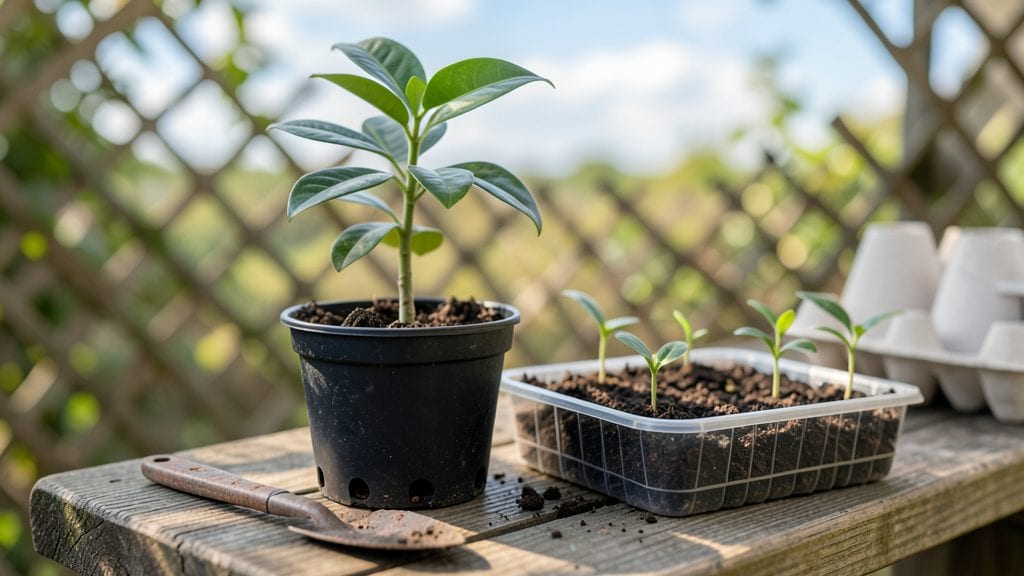
Planting a lemon tree from seed feels like holding a tiny piece of sunshine between your fingers. 🌱 The process is simpler than you think—no fancy nurseries or expensive saplings needed—just patience, the right soil, and a warm spot.
I’ve grown three from seed, and while they won’t bear fruit for years, the journey is worth every watering.
The key to success starts with the seed itself—freshness matters, so use one from a ripe, organic lemon. You’ll need a small pot, well-draining soil mix, and a sunny windowsill or grow light.
Germination can take 2-4 weeks, so don’t rush it. I’ve seen seeds sprout faster in slightly damp, warm conditions, but avoid soggy soil—root rot is the silent killer of citrus seedlings.
Once those first leaves appear, you’ll be hooked. Your seedling will need bright light for 6+ hours daily and occasional pinching to encourage bushier growth. By the time it’s ready for a larger pot or garden bed, you’ll have a sturdy, 3-4 foot tree with a strong root system.
The real magic happens in 3-5 years, when you might just see your first tiny, tart lemon.
Here’s the secret: citrus trees thrive on consistency. Water when the top inch of soil feels dry, fertilize lightly in spring, and protect young plants from drafts. With these steps, you’re not just planting a seed—you’re cultivating a future harvest, one leaf at a time.
📚 In This Guide
- What you need
- Instructions
- Tips and common mistakes
- Wrapping up and next steps
What you need
- ● Lemon seed: 1-2 fresh, plump seeds (from an organic lemon if possible). Pro tip: 💡 Rinse seeds to remove pulp before planting!
- ○ Small pots or seed trays: 2-3 (3-4 inches deep) with drainage holes. Optional: Biodegradable peat pots for easy transplanting.
- ● Well-draining potting mix: 1 bag (look for a citrus-specific blend or mix with perlite/sand for aeration).
- ● Spray bottle: 1 (for gentle watering).
- ● Plastic wrap or humidity dome: 1 sheet (to retain moisture).
- ● Grow lights or sunny windowsill: Access to 6+ hours of indirect light daily (south-facing window or LED grow lights).
- ○ Fertilizer (optional but helpful): A balanced citrus fertilizer (5-5-5 ratio) or diluted liquid seaweed extract.
- ● Patience: 🌱 Seedlings take 6-12 months to bear fruit (if they ever do—seed-grown lemons are often less sweet than grafted trees!).
- ● Warmth: Ideal germination temp: 70-85°F (21-29°C). Use a seedling heat mat if needed.
- ● Space: A 5-gallon pot (minimum) for mature trees, or garden bed in USDA Zones 9-11 (or container-friendly climates).
- ● Time: Commit to daily checks for moisture and light exposure.
- ● Soil moisture meter ($10) to avoid over/under-watering.
- ● Trellis or stakes for support as the tree grows.
- ● Citrus-specific pest control (neem oil spray for aphids).
Step-by-step guide to growing a lemon tree from seed
Here’s how I’ve turned store-bought seeds into thriving citrus plants—no green thumb required.
🌱 Step 1: Extract and Soak the Seed
Start with a fresh lemon seed—no need to wash it. I like to scoop it out with a spoon after squeezing the fruit, then place it in a small bowl of lukewarm water. The seed’s outer coating slows germination, so a 12-hour soak softens it considerably. You’ll see tiny cracks forming after 8-10 hours—that’s your signal the seed is ready.
Don’t skip this step. Dry seeds can take weeks to sprout, if they sprout at all. After soaking, drain the water and let the seed air-dry for 10 minutes before planting. This prevents rot while keeping the seed moist enough to germinate.
🪴 Step 2: Plant in a Well-Draining Container
Use a small pot—4-6 inches deep—with drainage holes. Fill it with a mix of 50% potting soil and 50% perlite or coarse sand to improve drainage. Citrus roots hate soggy conditions, so this blend prevents rot. Press the soil down lightly, then make a ½-inch deep hole in the center.
Place the seed ½ inch deep, cover it with soil, and water gently until the surface feels damp. A spray bottle works best—avoid heavy watering, which can displace the seed. Keep the pot in a warm spot (70-75°F) and cover it loosely with plastic wrap to retain moisture. Check daily for condensation; remove the wrap if mold appears.
☀️ Step 3: Provide Warmth and Light for Germination
Germination takes 2-4 weeks, depending on temperature. Place the pot in bright, indirect light—near a south-facing window works, but avoid direct sun until the seedling emerges. If your home is cool, a seedling heat mat set to 75°F speeds up the process. You’ll know it’s working when you see a tiny sprout pushing through the soil.
Once the first true leaves appear (not the initial seed leaves), remove the plastic wrap. This prevents damping-off, a fungal disease that attacks young seedlings. Water only when the top inch of soil feels dry—overwatering is the #1 killer of citrus seedlings.
🌿 Step 4: Transplant and Care for Early Growth
After 4-6 weeks, when the seedling reaches 4-6 inches tall, transplant it into a 6-inch pot with fresh potting mix. Gently loosen the roots before placing it in the new container to avoid shock. Citrus trees need space, so use a pot slightly larger than the root ball—no need for oversized containers yet.
Place the pot in a sunny spot with 6+ hours of direct sunlight daily. If indoors, supplement with a grow light. Water when the top inch of soil dries out, and fertilize lightly every 4-6 weeks with a balanced citrus fertilizer. Prune leggy growth to encourage bushier development, but avoid heavy trimming until the tree is established.
Tips & tricks for planting a lemon tree from seed
A few simple tricks can make all the difference between a thriving lemon tree and one that never takes off.
Seed Selection: Always use seeds from fresh, organic lemons when possible—they germinate faster and produce healthier seedlings. If your lemons are from the store, choose organic varieties when available, as conventional lemons may have been treated with fungicides that can inhibit germination. Confession: I skipped this step for years and wondered why my seeds took so long to sprout!
Soak Timing: During the 12-hour soak, change the lukewarm water after 6 hours to prevent bacterial growth. The 8-10 hour crack appearance is your best indicator—if you see no cracks after 12 hours, give it one more hour before planting. Here's what nobody tells you—over-soaking beyond 12 hours can actually soften the seed too much, making it more prone to rot when planted.
Container Size: While 4-6 inch pots work, I've found that using a slightly larger 6-inch pot from the start (instead of transplanting at 4-6 weeks) gives roots more room to establish without shock. Just make sure it still has drainage holes—citrus roots absolutely hate soggy conditions, and this is where most beginner failures happen.
Light Transition: When moving your seedling from indirect light to direct sun after germination, do it gradually over 7-10 days. Start with 1-2 hours of morning sun, then gradually increase. Sudden exposure can cause leaf burn, and I've seen this ruin perfectly good seedlings in just a few hours. Think of it like sunbathing—you wouldn't go from zero to full sun exposure either!
Pro Tips for Plant A Lemon Tree From A Seed
- A few simple tricks can make all the difference between a thriving lemon tree and one that never takes off.
- Seed Selection: Always use seeds from fresh, organic lemons when possible—they germinate faster and produce healthier seedlings.
- Soak Timing: During the 12-hour soak, change the lukewarm water after 6 hours to prevent bacterial growth.
Frequently asked questions
Got questions about growing your own lemon tree from seed?
You’re not alone! Here are answers to the most common queries to help you avoid pitfalls and boost your chances of success.
How long does it take for a lemon seed to sprout?
A lemon seed typically sprouts within 2 to 4 weeks if kept in warm, moist conditions (around 70°F). Patience is key—some seeds may take up to 6 weeks. If nothing happens after a month, check moisture levels and warmth.
Will a lemon tree grown from seed produce fruit?
Yes, but it’ll take 5 to 10 years (or longer) to bear fruit—and the quality may vary. Seed-grown trees are not grafted, so fruits might be smaller, less sweet, or inconsistent. For faster, better-quality lemons, consider grafting or buying a young tree.
When is the best time to plant a lemon seed?
The ideal time is spring or early summer when temperatures are warm (above 60°F) and frost isn’t a risk. Seeds germinate faster in heat, and seedlings get a head start before winter. If you plant in fall, use a grow light or keep them indoors until spring.
Why did my lemon seedling turn yellow or wilt?
Yellowing leaves or wilting often signal overwatering, underwatering, or poor drainage. Lemon trees hate soggy roots—let soil dry slightly between waterings. Check for pests (like aphids) or nutrient deficiencies (use a citrus fertilizer if needed). Pro tip: Yellow leaves on older growth are normal, but new leaves should stay green!
Can I grow a lemon tree indoors from seed?
Start seeds in pots near a sunny window or grow light, then transplant outdoors later. Use well-draining soil and a container with drainage holes. Just ensure it gets 6+ hours of light daily—indoor lemon trees thrive with care but may grow slower.
What’s the difference between a lemon seed and a store-bought lemon tree?
| Seed-Grown Tree | Store-Bought Tree |
|---|---|
| Slower to fruit (5–10+ years) | Fruits in 2–4 years (grafted for consistency) |
| Less predictable fruit quality | Uniform size, sweetness, and disease resistance |
| Cheaper upfront (just a seed!) | More expensive but faster results |
Pro tip: If you want lemons sooner, buy a grafted tree—but seed-grown trees are a fun, low-cost experiment!
Wrapping up and next steps
Growing a lemon tree from seed is a rewarding journey that combines patience, care, and a little bit of green-thumb magic! 🌱 While it may take time for your seedling to bear fruit, every step—from planting to nurturing—brings you closer to a thriving citrus tree.
Once your lemon tree is established, don’t stop there: experiment with pruning, fertilizing, or even grafting to enhance its growth and fruit production.
Now that you’re armed with the knowledge, roll up your sleeves and get planting! Keep an eye on your seedling’s progress, and soon, you’ll be enjoying the sweet scent of lemon blossoms—and maybe even fresh lemons—right in your own backyard. Happy growing! 🍋✨