Pruning
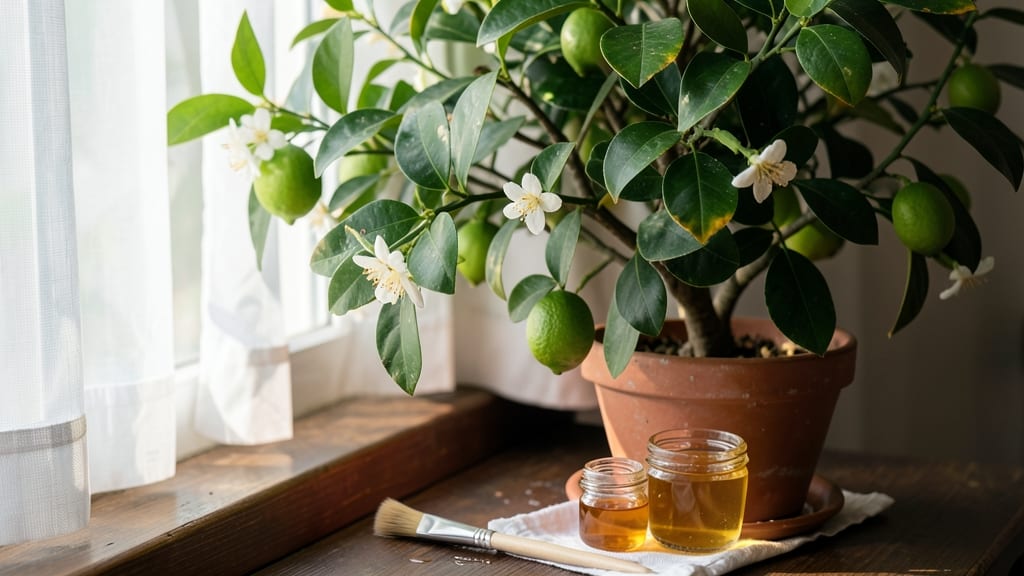
Pollinating an indoor lemon tree transforms those delicate white blossoms into sweet, juicy fruit—something I learned after my first tree bloomed beautifully but never set a single lemon. 🌱 The key is mimicking bees with a simple brush method during peak flowering, when the air hums with potential.
You’ll need just three things: a small paintbrush (like a makeup brush with soft bristles), a steady hand, and patience during the 2-3 week flowering window.
Most indoor lemon trees struggle with natural pollination due to poor airflow or lack of bees, but this method works reliably—even in low-light conditions. The brush transfers pollen from one flower’s stamens to another’s stigma, triggering fruit development within 6-8 weeks.
What you’ll end up with are bright green lemons forming along your branches, their scent filling the room like a citrusy hug. The fruit may be smaller than outdoor-grown varieties, but the flavor?
Often more concentrated and sweeter. Just watch for overcrowded branches—thin out extra fruit to let the remaining ones grow plump.
This method works year-round, though winter flowering may need extra humidity (try a pebble tray) and consistent warmth. For best results, pollinate in the morning when flowers are fresh, and avoid touching the petals—focus on the yellow centers where pollen lives.
Your tree will thank you with a harvest that tastes like summer, no matter the season.
📚 In This Guide
- What you need
- Instructions
- Tips and common mistakes
- Wrapping up and next steps
What you need
- ● Soft-bristle paintbrush (size ½ to 1 inch wide) – A clean, new makeup or artist’s brush works great!
- ○ Small handheld mirror (optional but helpful) – For peeking into tight spots where flowers hide.
- ● Fine mist spray bottle (filled with room-temperature water) – To lightly dampen flowers if they’re dry.
- ● Notebook & pen – For tracking bloom cycles and pollination dates.
- ● Glove or tissue paper – To protect your hands from sticky pollen or sap.
- ● Small handheld vacuum or pollen collector – For capturing excess pollen if your tree is extra dusty.
- ● Honey or sugar water solution (1 tsp honey in 1 cup water) – A light spray to attract pollinators (like fruit flies) if you’re experimenting with natural methods.
- ● LED magnifying glass – For spotting tiny, hidden flowers on dense branches.
- ● Timer – To keep brush strokes consistent (2-3 seconds per flower cluster is ideal!).
Step-by-step guide to hand-pollinating your indoor citrus tree
Here's the foolproof method I use to ensure every flower becomes a fruit on my Meyer lemon tree.
🌿 Step 1: Identify the Right Stage for Pollination
Wait until your tree has fully opened flowers with visible stamens and pistils—these look like tiny yellow clusters with both fuzzy centers (pistils) and slender rods (stamens). The best time is mid-morning when flowers are fully unfurled but before they start wilting by afternoon. I check my tree around 9-10 AM when humidity is moderate and pollen is most active.
Here's the thing—you can't pollinate closed buds. The pollen needs to be exposed to air and ready for transfer. If you see flowers that haven't opened completely, give them another day. Overzealous pollination of immature flowers wastes energy and can stress the tree. Look for flowers where the petals have separated enough to see the reproductive parts clearly.
✂️ Step 2: Gather Your Pollination Tools
You'll need a soft-bristled paintbrush (I use a size 00 detail brush from an art store) and a small bowl of water. The brush should be clean and dry—any moisture can damage delicate pollen grains. Keep your workspace near the tree to minimize flower handling time, which can cause petal damage.
Real talk: I keep a dedicated brush just for pollination in my gardening toolkit. Regular household brushes often have residue that can contaminate flowers. Before each session, I gently tap the brush against my palm to remove any loose debris. The goal is to transfer pollen without introducing any pathogens to your tree's flowers.
💧 Step 3: Perform the Gentle Brush Method
Start with one flower and use the brush to gently stroke the stamens (those slender yellow rods) in circular motions for about 5-10 seconds. This releases pollen that will stick to the brush bristles. Move immediately to another flower and stroke the pistil (the fuzzy center) in the same circular motion. You'll see tiny yellow dust particles transferring—this is the pollen making contact.
Don't press hard enough to damage petals. Think of it like dusting—light touch only. I pollinate about 3-5 flowers per session, giving the tree time to process each pollination before moving on. The key is consistency—pollinate the same flowers every 2-3 days until you see the pistil start to swell slightly, indicating successful fertilization.
☀️ Step 4: Create Ideal Post-Pollination Conditions
After pollination, move your tree to a location with bright, indirect light (east or west window is ideal) and maintain 65-75°F temperatures. Increase humidity around the tree by placing the pot on a tray of pebbles with water (keep water level below pebbles). This mimics the tropical conditions lemon trees prefer during fruit set.
Here's where it gets fun—watch the pistils transform. Within 7-10 days, you should see them swell into tiny green buds. If you don't see this growth after two weeks, gently check another flower with your brush to confirm proper pollen transfer. Sometimes pollen needs a second chance to stick properly.
⏰ Step 5: Monitor Fruit Development and Adjust Care
Once you see fruit beginning to form (about 4-6 weeks after pollination), increase watering slightly—keep the soil evenly moist but never soggy. Lemon trees need more potassium and phosphorus during fruiting, so I apply a balanced citrus fertilizer every 4-6 weeks. Reduce fertilizer if you notice new leaves developing instead of fruit growth.
This is the moment that matters: When fruits reach golf ball size, thin them to leave only the largest, healthiest ones. Overcrowded fruit stresses the tree and reduces quality. I usually end up with 4-6 fruits on my mature Meyer lemon tree—just enough for fresh juice and preserves without overwhelming the plant.
Tips & tricks for perfect indoor lemon tree pollination
These subtle adjustments can transform your indoor citrus tree from flower to fruit with minimal effort.
Timing Secret: The 9-10 AM window for pollination isn't arbitrary—it's when pollen is most active and humidity is moderate enough to prevent flower damage. If your schedule doesn't align, aim for early morning whenever possible. I've found that pollinating after 11 AM often results in less successful transfers due to drying pollen. For indoor growers, consider using a small humidifier near the tree during pollination sessions to mimic outdoor morning conditions.
Tool Selection Tip: While any soft brush will work in a pinch, a size 00 detail brush from an art supply store is ideal because its fine bristles can access the tiny stamens without damaging delicate petals. I've tested makeup brushes and even clean mascara wands, but they often shed fibers that can contaminate your flowers. Clean your brush thoroughly after each use by gently wiping with a damp cloth and letting it air dry completely—this prevents bacterial growth between sessions.
Post-Pollination Care: The 65-75°F temperature range after pollination is critical because it mimics the tropical climate lemon trees evolved in. If your home tends to run cooler, consider using a small space heater with a thermostat near the tree during the 7-10 day bud formation period. I've seen pistils fail to develop properly when temperatures dip below 60°F during this sensitive stage. A simple LED grow light on a timer can also help supplement light if your tree isn't getting enough indirect sunlight.
Visual Cues for Success: When checking for proper pollen transfer in Step 3, look for tiny yellow dust particles on the brush after stroking stamens—this confirms pollen release. For pistil confirmation, gently examine the fuzzy center with a magnifying glass after 2-3 days: successful pollination will show a slight swelling at the base. I keep a small notebook to track which flowers I've pollinated and their progress—this helps identify any patterns in successful versus failed pollinations.
Pro Tips for Pollinate An Indoor Lemon Tree
- These subtle adjustments can transform your indoor citrus tree from flower to fruit with minimal effort.
- Timing Secret: The 9-10 AM window for pollination isn't arbitrary—it's when pollen is most active and humidity is mod...
- Tool Selection Tip: While any soft brush will work in a pinch, a size 00 detail brush from an art supply store is ide...
Frequently asked questions
Got questions about hand-pollinating your indoor lemon tree? You’re not alone! Here are answers to the most common concerns—so you can grow those juicy lemons with confidence.
How do I know if my lemon tree needs pollination?
If your tree has plenty of flowers but no fruit, it’s likely due to poor pollination. Check for closed buds that drop off or flowers that wilt without setting fruit. Healthy trees with open blooms (especially in the morning) are ready for your gentle touch!
When is the best time of day to pollinate?
Pollinate on bright, dry mornings (8–10 AM) when flowers are fully open and bees aren’t active. Avoid evenings or rainy days—humidity can hinder pollen transfer. Pro tip: Do it every 2–3 days during peak bloom for best results!
Can I use a bee instead of my hand?
While bees are natural pollinators, indoor environments lack them. If you spot a bee, let it work its magic—but don’t rely on it. Hand-pollination is more reliable for indoor trees. Bonus: Release the bee gently outside afterward to help local ecosystems!
Why aren’t my pollinated flowers turning into lemons?
Several factors could be at play: immature trees (wait 2–3 years), low light (move to a sunlit spot), or nutrient deficiencies (fertilize with citrus-specific food). Also, some varieties (like Meyer lemons) are self-pollinating but may need a nudge!
Does temperature affect pollination success?
Yes! Ideal temps for pollination are 65–85°F (18–29°C). Below 55°F (13°C), pollen grains become sluggish. Keep your tree in a consistently warm, draft-free zone—like a sunny windowsill away from AC vents or heaters.
Wrapping up and next steps
Pollinating your indoor lemon tree is a simple yet rewarding task that brings you one step closer to homegrown citrus fruit! 🌱 With just a soft brush and a little patience, you can mimic nature’s magic and encourage those tiny flowers to blossom into sweet, juicy lemons.
Now that you’ve mastered the gentle brush method, why not expand your green thumb? Try experimenting with other indoor citrus varieties like limes or oranges—or even share your newfound skills with fellow plant lovers. Happy gardening! 🌟