Planting
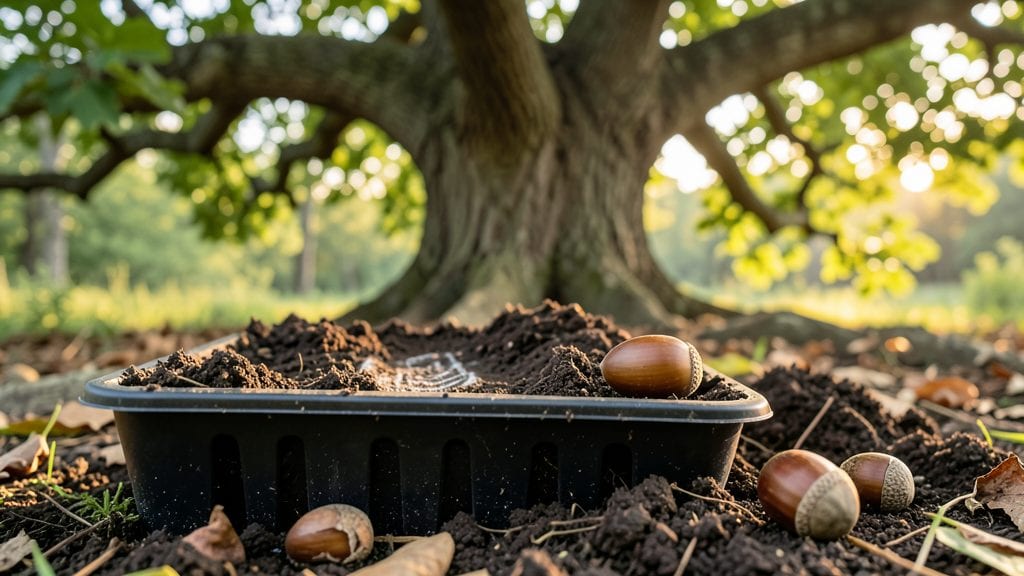
Planting acorns for trees isn't just about tossing seeds into the dirt—it's about nurturing future forests. 🌳 The key starts with selecting plump, healthy acorns from mature oaks, because not all seeds will sprout.
I've learned the hard way that patience is the real secret: some acorns need months of cold stratification before they'll even think about growing.
You'll need a few simple supplies: a shovel, a well-draining soil mix, and either a cold frame or a refrigerator for stratification. Plant acorns about 2 inches deep in late fall or early spring, depending on your climate zone.
The soil should stay moist but never soggy—overwatering is the fastest way to kill your acorns before they germinate.
What you're really planting is hope for decades to come. Within a year, you might see tiny shoots breaking through the soil, but full-sized trees take 10-20 years. The payoff?
A living legacy of shade, wildlife habitat, and that unmistakable oak scent in autumn. Every acorn you plant today could be a 100-foot giant in your grandchildren's backyard.
Different oak species have different needs—white oaks germinate faster than red oaks, for example. Hickory acorns need even more patience. The biggest mistake? Expecting instant results. This isn't a quick-growing annual—it's a long-term investment in nature's future. Let's get those acorns in the ground and start the wait.
📚 In This Guide
- What you need
- Instructions
- Tips and common mistakes
- Wrapping up and next steps
What you need
- ● Acorns: 10–50 fresh, mature acorns (preferably from Quercus species like white oak or red oak). Pro tip: 💡 Collect them in fall (September–November) when they’re fully ripe but still firm.
- ● Scarification tools: Sandpaper (100–150 grit) or
- ● Knife or file (for manual nicking)
- ● Planting containers: Small pots (4–6 inches deep) or
- ● Seedling trays with drainage holes
- ○ Potting mix: Well-draining soil blend (e.g., 50% peat moss, 30% perlite, 20% sand). Optional: Add a handful of compost for nutrients.
- ● Watering can or spray bottle (with a fine mist setting).
- ● Plastic wrap or humidity dome (to retain moisture during germination).
- ● Plant labels & markers (to track varieties and planting dates).
- ● Location: Partial shade to full sun (young saplings prefer shade; mature oaks thrive in sun).
- ● Climate: Temperate zones (USDA Hardiness Zones 4–9). Acorns need cold stratification (40–50°F for 60–90 days).
- ● Water source: Consistent moisture (but avoid waterlogging).
- ● Heating mat (to speed up germination in cold climates).
- ● Fungicide (e.g., neem oil spray) to prevent mold.
- ● Garden twine & stakes (for transplanting larger saplings).
- ● Shade cloth (to protect young seedlings from harsh sun).
Step-by-step instructions for growing oak trees from acorns
Here's how to turn those fallen acorns into towering oaks—nature's way, with a little help.
🌱 Step 1: Collect and Stratify Acorns for Germination
Gather acorns from mature, healthy oak trees in late fall. Look for plump, firm acorns without cracks or holes—these hold the best potential. Store them in a breathable container like a paper bag or mesh sack in a cool, moist place (around 35-40°F) for 90-120 days. This cold treatment mimics winter and breaks dormancy, a critical step for oak seeds.
Check your acorns weekly. If they start to sprout before the 90-day mark, move them to a warmer spot to speed up germination. Real talk: some acorns may never sprout, even after stratification—that's normal. Don't stress over a few that don't cooperate; you'll likely have plenty of success with others.
💧 Step 2: Plant Stratified Acorns in Moist Growing Medium
Fill small pots (about 3-4 inches deep) with a mix of 50% peat moss and 50% perlite—this ensures good drainage while keeping moisture. Plant each acorn 1 inch deep, pointing the pointed end downward. I like to use individual pots for each acorn so I can monitor their progress without disturbing others.
Water gently until the soil feels evenly moist but not soggy. Place the pots in a warm, bright spot (around 65-75°F) with indirect light. You'll see tiny roots emerge first, followed by a shoot breaking through the soil in 2-6 weeks. Here's the thing—oak seedlings grow slowly, so patience is key. Don't rush the process with extra warmth or light.
☀️ Step 3: Transplant Seedlings to Outdoor Nursery Beds
Once seedlings reach 4-6 inches tall (usually after 6-12 months), they're ready for their first outdoor move. Choose a partially shaded spot in your garden with well-draining soil. Dig a hole twice as wide as the root ball but only as deep as the container the seedling came in—planting too deep can suffocate the roots.
Water the seedling thoroughly before transplanting to reduce shock. After planting, water deeply again and add a 2-inch layer of mulch around the base (but not touching the stem) to retain moisture and suppress weeds. Oak seedlings need consistent moisture, so keep the soil evenly damp for the first few weeks. You'll notice new growth within a month—that's your signal everything is working.
⏰ Step 4: Care for Young Oak Saplings Long-Term
For the first 2-3 years, protect your young oaks from deer, rabbits, and other critters that love tender new growth. I wrap the trunks with hardware cloth for the first winter to give them a fighting chance. Water deeply once a week during dry spells, aiming for 1-2 gallons per tree. You'll see stronger, thicker stems as they mature.
After 3-5 years, your saplings will be sturdy enough to handle full sun. Gradually move them to sunnier spots over time. Remember, oaks grow slowly—don't expect a mature tree overnight. But with patience, you'll have a future forest right in your backyard. Here's where it gets fun: watch the acorns start appearing in 15-20 years—that's when you'll know you've succeeded.
Tips & tricks for perfect acorn tree germination
Turn those acorns into mighty oaks with these insider tips that'll help you avoid common pitfalls along the way.
Stratification Success: The 90-120 day cold treatment is non-negotiable for oak acorns—this mimics winter's natural dormancy break. I store mine in a sealed plastic bag with a damp paper towel inside a refrigerator set to 35-40°F. Check weekly for sprouting; if you see tiny roots peeking out before 90 days, move them to a warmer spot to speed things along. Between us, some acorns will never cooperate—that's just nature's way of keeping things interesting.
Pot Selection Matters: Those 3-4 inch deep pots are perfect for individual monitoring, but don't overlook drainage. Poke a few holes in the bottom if your pots don't have them—oak seedlings hate soggy roots. I use clear plastic cups with drainage holes because they let me watch root development without disturbing the seedlings. The peat moss and perlite mix should stay lightly moist but never waterlogged after planting.
Lighting Strategy: That 65-75°F warm spot with indirect light is crucial—direct sunlight can scorch tender new shoots. I place my seedling trays on a sunny windowsill with a sheer curtain to diffuse harsh rays. If you don't have good natural light, a grow light on a timer (12-14 hours daily) works wonders. Watch for the first roots appearing in 2-6 weeks—this is your reward for patience!
Transplant Timing: Wait until those seedlings hit 4-6 inches tall before moving them outdoors—usually after 6-12 months. I test readiness by gently tugging on the seedling; if it resists, it's ready. The key is gradual acclimation: start with morning sun exposure and slowly increase to full sun over 2 weeks. That 2-inch mulch layer is a game-changer for moisture retention during those first critical weeks.
Pro Tips for Plant Acorns For Trees
- Turn those acorns into mighty oaks with these insider tips that'll help you avoid common pitfalls along the way.
- Stratification Success: The 90-120 day cold treatment is non-negotiable for oak acorns—this mimics winter's natural dormancy break.
- Pot Selection Matters: Those 3-4 inch deep pots are perfect for individual monitoring, but don't overlook drainage.
Frequently asked questions
Got questions about growing mighty oaks from acorns? You’re not alone! Here are answers to the most common curiosities—so you can plant with confidence and watch those tiny acorns transform into towering trees.
How long does it take for an acorn to sprout?
Most acorns take 4 to 12 weeks to germinate indoors (depending on species and conditions). Outdoors, they may sprout in 2 to 6 months, especially if planted in fall. Patience is key—some oaks, like white oaks, can take up to a year to show signs of life. If nothing happens after 3 months, check moisture levels or try a new batch!
Can I plant acorns directly in the ground without pre-soaking?
Yes! While pre-soaking speeds up germination, many acorns thrive when planted raw in fall (their natural timing). Dig a hole 3–4 times deeper than the acorn, place it with the pointed end up, and cover with soil. Nature’s moisture will handle the rest—just mark the spot so you don’t forget!
Will squirrels or animals steal my acorns before they grow?
Squirrels, deer, and birds love acorns. To outsmart them:
- Plant in winter (when critters are less active).
- Use chicken wire cages (remove after sprouting).
- Scatter acorns in multiple shallow holes—some may still survive.
What if my acorn sprouts but then dies?
Don’t worry—even "failed" sprouts can teach you! Common killers include:
- Overwatering (keep soil moist but not soggy).
- Drought stress (mulch helps retain moisture).
- Fungal rot (use sterile soil and good drainage).
Can I grow acorns from any tree, or do they need to be from a specific oak species?
Most native oak acorns (red, white, bur, or live oaks) work well, but avoid non-native or hybrid acorns—they may not thrive. For best results, source acorns from healthy, mature trees in your region. Check local guidelines: Some areas restrict planting to prevent invasive spread!
Wrapping up and next steps
Planting acorns is a rewarding way to grow your own oak trees and contribute to future forests! 🌳 By following these steps—from selecting fresh acorns to nurturing young saplings—you’re giving nature a helping hand.
Whether you’re a gardener, eco-warrior, or just curious about tree growth, your effort will pay off in years to come.
Now that you’re ready, take the next step: start with just a few acorns this season and watch your little forest grow. Share your progress with fellow plant enthusiasts or even inspire others to join the cause. Happy planting! 🌱