
Pruning
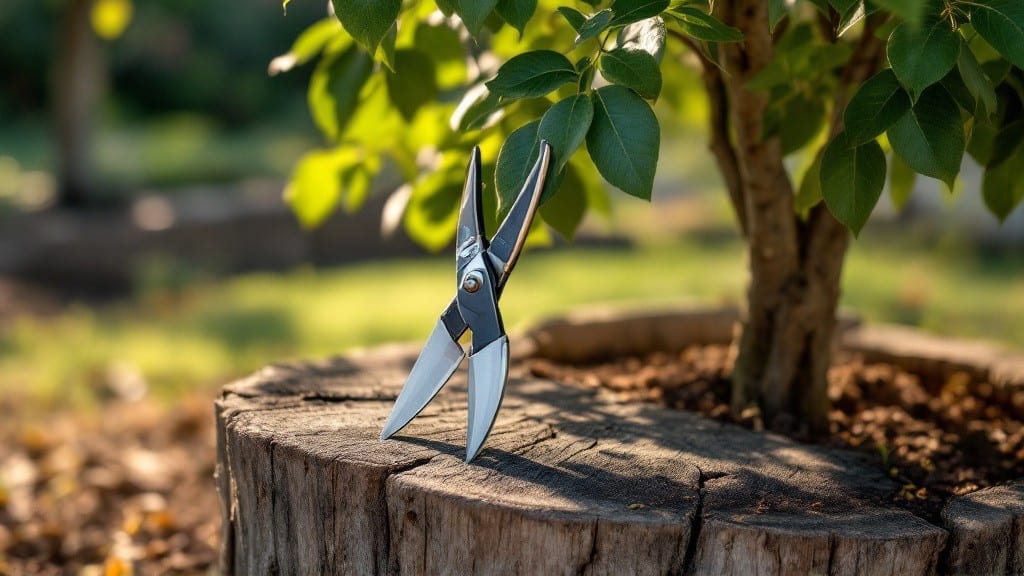
Pruning a fruitless mulberry tree isn't just about trimming branches—it's about unlocking a stronger, healthier tree that stays lush year-round. 🌿 I’ve pruned these trees for years, and the right cuts transform them from scraggly to showstopping within just a few seasons.
The key? Timing, tool selection, and knowing which branches to keep (or remove) for optimal air circulation and shape.
You’ll need sharp pruners, a saw for thicker branches, and a clear day to work—no need for fancy equipment, just the right approach. The best time to prune is late winter or early spring, when the tree is dormant but ready to rebound with fresh growth.
We’re talking 3 key cuts: removing dead wood, thinning crowded branches, and shaping for sunlight access. It’s simpler than it sounds, and the results—thicker foliage, fewer pests, and a tree that looks like it belongs in a park—are worth every minute.
After pruning, your tree will reward you with vibrant green leaves that stay dense all season, plus better fruit production (even though it’s fruitless, the energy goes into stronger growth). The secret? Don’t overdo it—never remove more than 25% of the canopy in one session.
Focus on opening up the center for airflow, and you’ll avoid the common mistake of turning your tree into a tangled mess. Think of it like giving your mulberry a spa day: less stress, more beauty.
This method works for any fruitless mulberry, whether it’s a young sapling or a mature tree in your backyard. The same principles apply whether you’re pruning in Zone 5 or Zone 9, so you can use this guide no matter where you garden.
Ready to see your tree thrive? Let’s get those shears out!
📚 In This Guide
- What you need
- Instructions
- Tips and common mistakes
- Wrapping up and next steps
What you need
- ● Pruning shears – Bypass pruners (sharp, clean blades) for small branches (2–3 inches thick). Quantity: 1 pair.
- ● Loppers – For medium branches (3–6 inches thick). Quantity: 1 pair (with ratchet or bypass blades for precision).
- ● Pruning saw – For thick branches (>6 inches). Specs: Fine-toothed, curved blade for clean cuts. Quantity: 1.
- ● Gloves – Heavy-duty, cut-resistant (e.g., leather or synthetic mesh). Quantity: 1 pair.
- ● Safety glasses – Protects eyes from debris. Quantity: 1 pair.
- ● Ladder or step stool – If your tree is tall (6+ feet). Specs: Stable, non-slip base.
- ○ Disinfectant (optional but recommended) – 70% isopropyl alcohol or bleach solution (1:9 ratio) to sterilize tools between cuts. Quantity: Small spray bottle or wipe.
- ● Rubbing alcohol or hydrogen peroxide – For cleaning wounds on larger cuts (speeds healing).
- ● Tree wound dressing – Pruning sealant (controversial, but some gardeners use it for large cuts).
- ● Marking twine or tape – To flag branches for removal before cutting.
- ● Heavy-duty trash bags – For collecting pruned branches (if not composting).
Step-by-step instructions for pruning a fruitless mulberry tree
Here's my foolproof method for keeping your tree healthy and productive year-round.
✂️ Step 1: Winter Pruning for Structure and Airflow
Start in late winter or early spring, just before buds swell. This is when the tree's energy is dormant, so it won't bleed sap excessively. I always begin by removing dead, diseased, or crossing branches—these are your priorities. Use sharp pruning shears to make clean cuts at a 45-degree angle, about ¼ inch above an outward-facing bud.
Next, look for branches growing inward or rubbing against others. These compete for sunlight and can damage each other. Remove one-third of the tree's total branches during this first cut—this opens up the canopy and lets light reach the center. You'll see new growth emerge from the center of the tree within weeks of this pruning.
For larger branches over ½ inch thick, use a pruning saw. Make your cut just outside the branch collar—the swollen area where the branch meets the trunk. Never leave a stub; this invites decay. If you're unsure about a cut, step back and visualize the tree's shape—your goal is an open, vase-like form that lets air circulate freely.
✂️ Step 2: Summer Light Pruning for Shape and Growth
About 6-8 weeks after the spring flush, do a second round of pruning. This time, focus on shaping the tree and encouraging new growth. Look for branches that are growing too long or too vigorously—these often appear as thin, leggy shoots. Cut these back by one-third to half their length, always making cuts just above a leaf node or bud.
Here's the thing—mulberry trees respond well to pruning in summer, but you want to avoid cutting back into old wood. New growth is lighter green and more tender than mature branches. If you accidentally cut into old wood, the tree will still heal, but you'll lose some of that fresh, vibrant regrowth you're aiming for.
Also, watch for water sprouts—those fast-growing, vertical shoots that pop up along the trunk or branches. These saplings steal energy from the rest of the tree. Snip them off at the base as soon as you spot them. You'll notice fewer of these after the first summer pruning, as the tree becomes more balanced.
✂️ Step 3: Late Summer Cleanup for Next Year's Growth
In late summer, about 4-6 weeks before your first frost, do a final light pruning. This is your chance to clean up any messy growth and prepare the tree for winter. Remove any dead or dying branches you missed earlier, as well as any suckers growing from the base of the tree. These suckers compete with the main trunk and should be cut at ground level.
Now's also the time to thin out any crowded branches in the tree's center. Mulberry trees naturally grow dense canopies, but too much shade in the center leads to weak, disease-prone growth. Aim to let light penetrate to the inner third of the tree. You'll see stronger, healthier branches emerge next spring from this open center.
Finally, give your pruning tools a good cleaning with rubbing alcohol to prevent spreading disease between cuts. Store them in a dry place until next season. Your tree will thank you with vibrant new growth in the following spring—proof that your pruning paid off.
Tips & tricks for pruning a fruitless mulberry tree
These simple strategies will help you maintain a healthy, thriving tree with minimal effort.
The Timing Secret: Late winter pruning—just before buds swell—is critical because the tree's dormant state minimizes sap bleeding. This timing also prevents stress on new growth that could occur if you pruned too early. I've seen trees recover much faster when pruned at this exact window, so don't rush it! The 6-8 week mark after spring flush for summer pruning gives new growth time to establish before your second cut.
Branch Selection Tip: When removing one-third of the tree's total branches in Step 1, focus on those growing inward or crossing others. These branches compete for sunlight and nutrients, weakening the tree. I learned this the hard way after seeing a tree develop weak spots from overcrowded branches. Look for branches that create a natural vase shape—this open structure allows sunlight to reach the center, promoting even growth throughout the canopy.
Water Sprout Watch: Those fast-growing vertical shoots along the trunk are called water sprouts, and they're energy vampires for your tree. Snip them off at the base immediately after they appear—don't wait! I noticed a dramatic improvement in my tree's overall health after consistently removing these within weeks of their appearance. They'll keep coming back, but staying vigilant prevents them from stealing valuable resources from your tree's main structure.
Tool Care Strategy: Always clean your pruning tools with rubbing alcohol between cuts to prevent spreading disease. I keep a small bottle in my tool bag and wipe down shears after every few branches. Proper tool maintenance isn't just about cleanliness—it's about giving your tree the best chance at healthy recovery after each cut. Store tools in a dry place to prevent rust that could dull your blades over time.
Pro Tips for Prune Fruitless Mulberry Tree
- These simple strategies will help you maintain a healthy, thriving tree with minimal effort.
- The Timing Secret: Late winter pruning—just before buds swell—is critical because the tree's dormant state minimizes sap bleeding.
- Branch Selection Tip: When removing one-third of the tree's total branches in Step 1, focus on those growing inward or crossing others.
Frequently asked questions
Got questions about pruning your fruitless mulberry tree?
You’re not alone! Here are answers to the most common concerns—from timing to tools and everything in between. Let’s clear up the confusion so you can keep your tree thriving.
When is the best time to prune a fruitless mulberry tree?
The ideal times are late winter or early spring (before new growth) and summer after fruiting (if applicable). Avoid heavy pruning in fall—it can stimulate new growth that won’t harden off before winter. For fruitless varieties, focus on shaping in dormant season to encourage dense foliage.
Can I prune a fruitless mulberry tree in summer?
Yes, but lightly! Summer pruning is best for removing dead or diseased branches or thinning to improve airflow. Avoid heavy cuts—this can stress the tree. If you must prune for shape, do it after the first flush of growth and keep cuts to <10% of the canopy to avoid shock.
What if my fruitless mulberry tree isn’t growing after pruning?
Slow growth could mean over-pruning, poor soil, or disease. Check for yellowing leaves (nutrient deficiency) or mushy stems (root rot). If the tree is otherwise healthy, reduce pruning to 15–20% of the canopy annually. Fertilize with balanced 10-10-10 in early spring and water deeply during dry spells.
Do I need special tools to prune a fruitless mulberry?
Not necessarily! Basic tools like bypass pruners (for small branches), loppers (1–2” diameter), and a pruning saw (thicker branches) work well. Sterilize tools with rubbing alcohol between cuts to prevent disease spread. For large trees, consider pole pruners or hiring a professional for safety.
Will pruning a fruitless mulberry make it bushier?
Pruning stimulates lateral branching by cutting back overly long or leggy stems. Focus on removing the top 1–2 feet of central leaders and thinning interior branches to let light reach the center. Within a season, you’ll see fuller, denser growth—perfect for shade or hedging!
What should I do if I accidentally prune too much?
Don’t panic! If you’ve removed more than 25% of the canopy, the tree may struggle. Water deeply and avoid fertilizing for 4–6 weeks. Monitor for signs of stress (wilting, leaf drop) and prune less aggressively next time. Fruitless mulberries are resilient—just give it time to recover!
Wrapping up and next steps
Pruning your fruitless mulberry tree is all about balance—keeping it healthy, lush, and productive while shaping it to fit your space. With the right tools, timing, and technique (like the three key cuts we covered), you’ll encourage strong growth and minimize pests or disease. 🌿✂️
Now that you’re armed with knowledge, grab those shears and get pruning! Start with a quick assessment of your tree’s shape, then tackle those spring, summer, and winter cuts with confidence. Your tree—and your garden—will thank you!