
Pruning
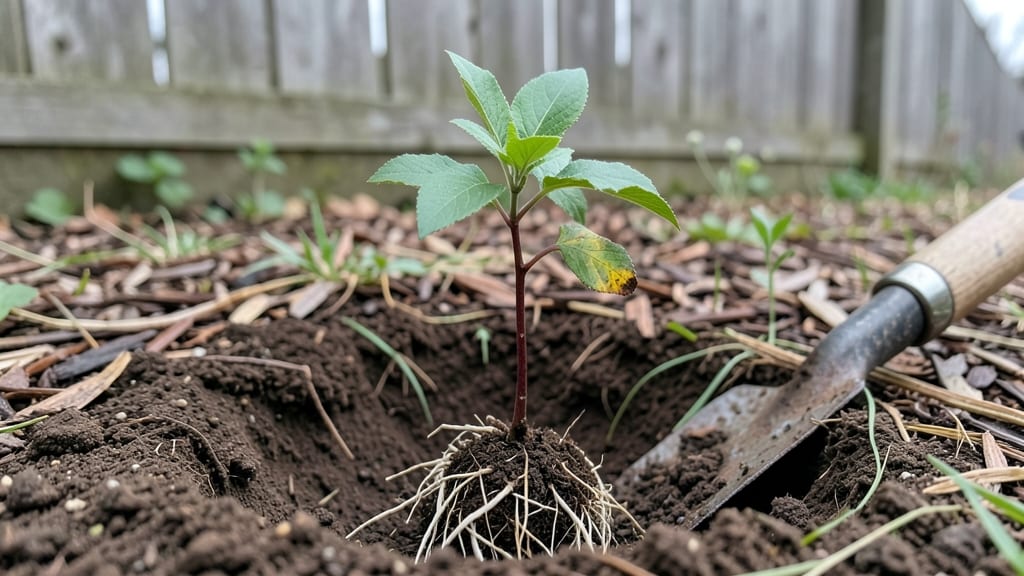
Replanting a tree can mean the difference between a thriving shade provider and a sad, stunted survivor. I’ve watched too many trees struggle after replanting—until I learned the right way to handle the roots, soil, and timing. The secret isn’t brute force; it’s patience and preparation.
Start by choosing the perfect moment: late fall or early spring, when the tree’s energy is low but the ground isn’t frozen. Dig a hole twice as wide as the root ball but no deeper—roots need room to breathe, not to suffocate.
Amend the soil with compost or native soil mix to give those roots a nutrient boost right away.
Once the tree is in the ground, water deeply to settle the soil and eliminate air pockets. Mulch around the base (but keep it a few inches away from the trunk) to retain moisture and regulate temperature.
Within a year, you’ll see stronger growth if you avoid common pitfalls like overwatering or compacting the soil.
This method works for young trees, mature transplants, and even rescued specimens from construction sites. The key is treating the tree like a delicate guest—not a stubborn houseplant. Let’s get those roots established for good.
📚 In This Guide
- What you need
- Instructions
- Tips and common mistakes
- Wrapping up and next steps
What you need
- ● Shovel or spade: A sturdy digging tool (preferably a mattress shovel for larger trees) to excavate the hole and loosen soil.
- ● Pruning shears or handsaw: For trimming damaged roots or branches (sterilize blades with rubbing alcohol first!).
- ● Garden hose or bucket of water: At least 5 gallons of water to hydrate the roots during replanting.
- ● Native soil or compost mix: A blend of 60% native soil and 40% compost (or organic matter) to improve drainage and nutrients. Avoid heavy clay or sand.
- ○ Mulch (optional but recommended): 2–3 inches of organic mulch (e.g., wood chips or straw) to retain moisture and suppress weeds.
- ● Tree stake (if needed): Only for young or top-heavy trees—use a soft, flexible stake (e.g., bamboo or plastic) to avoid girdling the trunk.
- ● Staking straps or cloth strips: To secure the tree to the stake without damaging the bark.
- ● Gloves and knee pads: Protect your hands and knees from rough soil and sharp roots!
- ● Root stimulator: A powder or gel to encourage root growth (follow package instructions).
- ● Soil pH tester: Ensures the soil is ideal (most trees prefer 6.0–7.0 pH).
- ● Post-hole digger: For creating a wider base hole if the tree is large.
- ● Wheelbarrow: To haul soil, compost, or mulch efficiently.
- ● Tree guard or collar: Protects the trunk from lawnmowers or rodents.
Step-by-Step instructions for replanting a tree safely
Here's how to give your tree the best chance to thrive after transplanting.
Prepare the New Planting Site
Choose a location with at least 6 feet of clearance from buildings, sidewalks, or other trees. Dig a hole twice as wide as the tree's root ball but no deeper—this prevents soil compaction around critical roots. The hole should be saucer-shaped to encourage water drainage away from the trunk.
Test the soil by squeezing a handful—it should hold shape but crumble easily. If it feels too dense, mix in 2-3 inches of compost from the ingredients list into the bottom of the hole. This improves drainage without overwhelming roots with nutrients too soon. Avoid amending the entire hole; concentrated amendments can burn tender roots.
Handle the Tree with Care
Water the tree 24 hours before transplanting to reduce root stress. On moving day, keep the root ball moist by wrapping it in burlap or a tarp if exposed. If the tree is bare-root, soak the roots in lukewarm water for 1-2 hours before planting to revive them. Never let roots dry out during this process.
Position the tree in the hole so the top of the root ball sits 1-2 inches above ground level. This prevents water from pooling around the trunk and causing rot. Have a helper hold the tree upright while you fill the hole with native soil—not amended soil—tamping lightly every 4-6 inches to remove air pockets. Stop when the hole is 80% full.
Secure and Water for Survival
Stake the tree only if necessary—young, flexible trees (like willows or birches) often don’t need support. For larger or brittle species, use two stakes placed diagonally and tie the trunk loosely with soft tree ties (never wire). The goal is to prevent wind rock, not immobilize the tree completely.
Water deeply and slowly immediately after planting—10-15 gallons for small trees, more for larger ones. The soil should be saturated 12 inches down by the time you finish. Mulch the base with 2-3 inches of organic mulch, keeping it 6 inches away from the trunk to prevent moisture buildup. This protects roots from temperature swings and retains moisture.
Monitor and Maintain Through the First Year
Check the soil every 7-10 days—it should feel damp but not soggy 2 inches down. Water deeply when the surface feels dry, aiming for 1-2 inches of water per week during the first growing season. Avoid overhead watering; use a soaker hose or drip irrigation to deliver moisture directly to the root zone.
Prune only to remove broken or crossing branches—never prune more than 25% of the canopy in the first year. This reduces stress while the tree establishes new roots. Watch for yellowing leaves, which may signal overwatering, or wilting, which often means underwatering. Adjust your routine based on what you observe.
Tips & tricks for replanting trees with confidence
Transplanting a tree successfully isn't just about digging a hole—it's about creating the right conditions for survival. Here's what I've learned from watching trees thrive after replanting.
Soil Preparation Secret: When testing your soil in Step 1, pay attention to how it feels when squeezed. If it crumbles easily but holds shape, you're good to go. If it feels like packing clay, that's your cue to add only 2-3 inches of compost to the bottom of the hole—not the whole thing. Too much compost can actually burn tender roots by overwhelming them with nutrients too soon. Think of it like giving your tree a gentle boost, not a sugar rush.
Root Ball Placement: In Step 2, that 1-2 inch elevation above ground level is critical for preventing rot. I've seen too many trees struggle because they were planted too deep. Use a level to check—if the top of the root ball sits perfectly level with the surrounding soil, you're golden. This small adjustment makes all the difference in preventing water from pooling around the trunk.
Watering Wisdom: The 10-15 gallons of water in Step 3 isn't just about quantity—it's about method. Pour slowly around the edges of the hole, letting the water soak in gradually. This encourages roots to spread outward rather than staying concentrated in the planting hole. I like to think of it as teaching the roots to explore their new home rather than huddling together.
Mulching Matters: That 2-3 inches of organic mulch should be spread like a donut around the base, with a clear 6-inch gap around the trunk. This creates a perfect microclimate for roots while preventing moisture from sitting against the bark. I've seen mulch piled too high against trunks, which can actually cause rot—so keep that gap sacred!
Pro Tips for Replant A Tree
- Transplanting a tree successfully isn't just about digging a hole—it's about creating the right conditions for survival.
- Soil Preparation Secret: When testing your soil in Step 1, pay attention to how it feels when squeezed.
- Root Ball Placement: In Step 2, that 1-2 inch elevation above ground level is critical for preventing rot.
Frequently asked questions
Got questions about replanting a tree? You’re not alone! Here are some of the most common concerns—plus clear, actionable answers to keep your tree thriving.
When is the best time to replant a tree?
The ideal window is late fall to early spring (dormant season), when trees aren’t actively growing. Avoid extreme heat or frost—root systems need time to establish without stress. If replanting in summer, water daily and provide shade to reduce transplant shock.
How do I know if my tree is healthy enough to replant?
Check for flexible branches (not brittle), green leaves (not yellow/brown), and a firm trunk. Avoid replanting if the tree has large wounds, pest damage, or fungal growth. A root-bound tree (roots circling the container) may need pruning before replanting.
How often should I water a newly replanted tree?
Water deeply every 2–3 days for the first 2 weeks, then taper to weekly (adjust for climate). Overwatering can suffocate roots—check soil moisture 2 inches down. Mulch (2–4 inches) helps retain moisture and regulate temperature.
What if my tree’s leaves turn yellow after replanting?
Yellowing leaves often signal transplant shock or root damage. Prune affected leaves, ensure proper watering, and avoid fertilizing for 3–6 months. If yellowing persists, check for pests or nutrient deficiencies (e.g., iron deficiency in chlorotic leaves).
Can I replant a tree in a different type of soil?
Yes, but amend the soil first! Mix in compost or native topsoil to improve drainage and nutrients. Avoid heavy clay or sandy soil unless amended—ideal soil should drain well but retain moisture. A soil test (local extension offices offer them) can guide adjustments.
What if my tree keeps falling over after replanting?
Weak roots or improper staking are likely culprits. Use 3 stakes max (angled away from the trunk) and remove them in 6–12 months. For shallow-rooted trees, bury a wide root collar (not too deep) and water thoroughly to compact soil around roots.
Wrapping up and next steps
Replanting a tree is a rewarding way to give it a second chance at thriving—whether it’s a beloved backyard specimen or a young sapling you’ve nurtured.
By following the right steps—from careful extraction to proper soil prep and post-planting care—you’re setting the stage for stronger roots and healthier growth. 🌱
Now that you’re armed with the know-how, roll up your sleeves and get planting! Monitor your tree’s progress, adjust care as needed, and soon, you’ll be celebrating its resilience. Ready to turn your green thumb into a tree-saving superhero? Start with one tree today—your future canopy will thank you!