
Watering
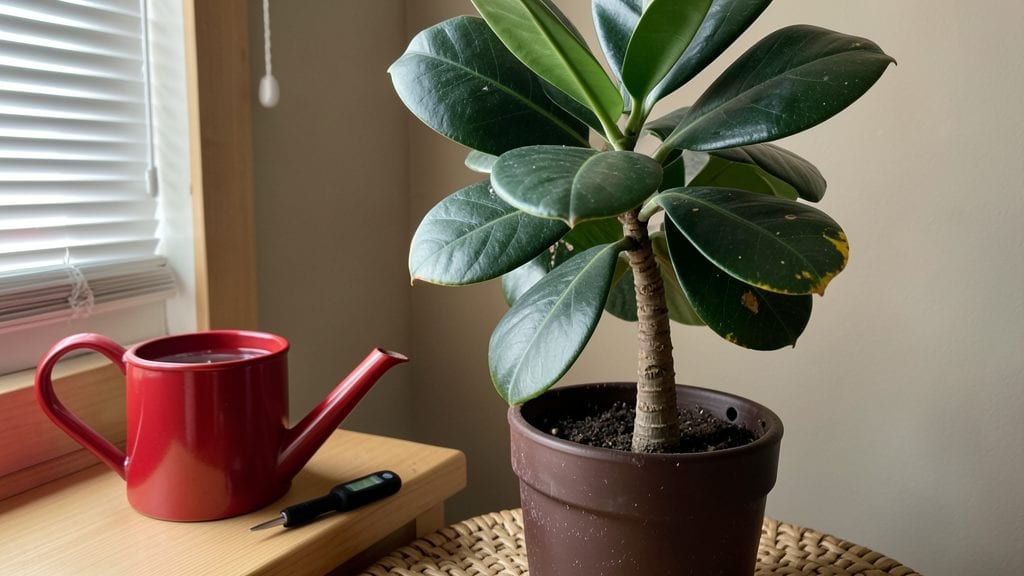
Here’s how to tell if a tree is overwatered or underwatered—your key to spotting the difference before it’s too late. 🌳 I’ve watched overwatered roots rot and underwatered branches wither, and the visual clues are often right in front of you. of you if you know what to look for.
The key lies in leaf color, soil texture, and how the bark feels when you run your fingers along it.
Start by checking the soil: overwatered trees sit in soggy, grayish ground that smells musty, while underwatered soil stays dry and clumps when squeezed. Leaf edges turn yellow and crispy with too much water, but brown and brittle leaves mean thirst.
And don’t ignore the bark—peeling or soft spots signal overwatering, while sunken, cracked bark often means drought stress.
Once you spot the signs, fixing the problem is straightforward: adjust your watering schedule to match your tree’s needs, improve drainage with mulch or raised beds, and give roots room to breathe.
A healthy tree will show new growth within weeks, with leaves that stay vibrant and firm to the touch.
This works for any tree—from young saplings to mature oaks—so you can apply these clues no matter what’s in your yard. Let’s get your tree thriving again with these simple checks.
📚 In This Guide
- What you need
- Instructions
- Tips and common mistakes
- Wrapping up and next steps
What you need
- ● Trowel or small shovel – For gently lifting soil or checking root health (6–12 inches deep for most trees).
- ● Moisture meter – A digital or analog probe to measure soil moisture levels (e.g., Garden Safe Soil Moisture Meter).
- ● Gloves – Heavy-duty gardening gloves to protect your hands from dirt, thorns, or sharp tools.
- ● Notebook & pen – To log observations like leaf color, soil texture, and watering schedules.
- ● Watering can or hose with adjustable nozzle – For testing drainage or rehydrating (if needed).
- ○ Magnifying glass (optional but helpful) – To inspect tiny details like root rot or insect damage.
- ● pH testing kit – Overwatering can alter soil pH; test to rule out nutrient imbalances.
- ● Pruning shears – For trimming dead or diseased branches to assess internal health.
- ● Camera or smartphone – Snap photos of symptoms (yellowing leaves, wilting, etc.) to track progress.
- ● Soil aerator or fork – If compacted soil is suspected, loosen it to improve drainage.
- ● Tree-specific care guide – Look up your tree’s species (e.g., oak, maple, pine) for tailored watering needs.
Step-by-Step guide to diagnosing tree water stress
Check your tree's health with these simple visual cues—no guesswork needed.
🌱 Step 1: Inspect the Soil Around the Base
Dig about 2 inches deep with a small trowel near the tree's drip line (the outermost branches). Healthy soil should feel slightly damp but not soggy—like a wrung-out sponge. If it smells foul or feels cold and mushy, you're overwatering. The roots need air, not a swamp.
For underwatering, the top 6 inches of soil will be bone-dry and pull away from the trowel. Tap the soil gently—if it crumbles like dust, the tree's thirsty. Real talk: Most people overwater trees because they assume "more is better."
🌿 Step 2: Examine the Leaves for Color and Texture
Yellowing leaves that stay soft and droopy? Classic overwatering. The roots suffocate, starving the tree of oxygen. Check the undersides too—mushy, brown spots mean fungal trouble from too much moisture. I've seen trees drown in their own waterlogged soil within weeks.
For underwatering, leaves turn crispy at the edges first, then brown and curl inward. They might also drop prematurely. Run your fingers over the foliage—healthy leaves feel firm and slightly leathery. If they crunch like parchment, water immediately.
💧 Step 3: Look for Fungal Growth or Pest Activity
Overwatered trees often develop white, pink, or black mold on the bark or soil surface. Tiny mushrooms or slimy patches? That's your warning. I once missed these signs on a young oak, and by the time I noticed, the roots were rotting. Don't let that happen to your tree.
Underwatered trees attract pests like aphids or spider mites because stressed plants can't fight off invaders. Inspect the new growth—sticky residue or tiny webs mean trouble. A strong tree repels pests naturally, so watering right is your first defense.
⏰ Step 4: Check the Tree's Growth Habits
Overwatered trees grow slowly or not at all because their roots can't access nutrients. New shoots might appear weak and pale, with leaves that stay small. The tree looks "stunted," like it's struggling to stand tall. I've seen mature trees revert to sapling size from chronic overwatering.
Underwatered trees show stress in their branches too. Look for dead twigs (they snap easily) or leaf drop in hot weather. A healthy tree should have steady, seasonal growth—not sudden bursts followed by collapse. If you see wilting during the day but recovery at night, it's underwatered.
Tips & tricks for diagnosing tree water stress
Here's what nobody tells you—these subtle clues can save your tree before it's too late.
Soil Test Technique: When checking soil moisture in Step 1, dig at multiple spots around the tree—not just one place. The drip line area (where branches extend outward) often gives the most accurate reading. I learned this the hard way after seeing a maple tree's roots rot because I only tested near the trunk. Use a clean trowel each time to avoid cross-contamination with pathogens.
Leaf Texture Trick: In Step 2, test leaves between your fingers—not just visually. Healthy leaves should feel slightly springy, like a fresh lettuce leaf. Overwatered leaves feel mushy, while underwatered ones crunch like potato chips. This tactile check catches early stress before visual signs appear. Do this test on several leaves for accuracy.
Fungal Early Warning: Step 3 mentions mold, but here's what to watch for first: tiny white cottony patches on soil or bark. These appear before mushrooms or slimy growth. I've caught this early on birch trees by gently brushing the bark—if white fuzz comes off on your fingers, that's your warning. Remove affected bark immediately and improve drainage.
Growth Habit Red Flags: In Step 4, pay attention to new growth patterns. Healthy trees add about 6-12 inches of new growth per year. If you see only 1-2 inches of weak, pale shoots, that's a clear overwatering sign. For underwatering, look for leaves that wilt by midday but recover at night—this indicates the tree can't hold moisture during heat stress.
Pro Tips for Tell If A Tree Is Overwatered Or Underwatered
- Here's what nobody tells you—these subtle clues can save your tree before it's too late.
- Soil Test Technique: When checking soil moisture in Step 1, dig at multiple spots around the tree—not just one place.
- Leaf Texture Trick: In Step 2, test leaves between your fingers—not just visually.
Frequently asked questions
Got more questions?
Here are some common ones about spotting watering issues in trees—plus quick fixes to keep your green buddy thriving!
How often should I water my tree to avoid overwatering or underwatering?
Watering frequency depends on your tree type, soil, and climate. As a rule, deep but infrequent watering (every 1-3 weeks for established trees) encourages strong roots. Check soil moisture 2-3 inches down—if it’s dry, water thoroughly. Pro tip: Mulch helps retain moisture and regulates soil temperature!
My tree leaves are yellowing—could it be overwatering or underwatering?
Yellow leaves can signal both issues! Overwatered trees often have mushy, brown edges or leaves that fall easily, while underwatered trees show crispy, dry edges and may wilt. Check the soil: Soggy = overwatered; dry/hard = underwatered.
Can I fix an overwatered or underwatered tree, or is it too late?
Not too late! For overwatered trees, stop watering and improve drainage (add sand or perlite to soil). For underwatered trees, water deeply and mulch to retain moisture. Prune dead branches to redirect energy. Monitor closely—most trees recover with consistent care!
Are there any signs of overwatering/underwatering I might miss?
Watch for subtle clues like:
- Overwatered: Fungal growth (mold, mushrooms), stunted growth, or roots rotting (check with a trowel!).
- Underwatered: Leaf scorch (brown patches), premature leaf drop, or thin, weak new growth.
What’s the best time of day to water my tree?
Water in the early morning (5–9 AM) to reduce evaporation and fungal risks. Avoid evening watering—wet foliage overnight can invite pests or disease. Deep watering (slowly, 1–2 hours) ensures roots absorb moisture efficiently.
Wrapping up and next steps
Mastering the art of tree care starts with understanding the subtle signs your tree is sending you—whether it’s begging for a drink or drowning in too much love! 🌱 By observing the leaves, bark, roots, and overall health, you can quickly diagnose watering woes and take action before it’s too late. Remember: healthy trees thrive with the right balance!
Now that you’re equipped with these visual clues, grab your watering can or hose and give your tree the perfect care it deserves. Happy watering—your green friend will thank you! 💧✨