
Pruning
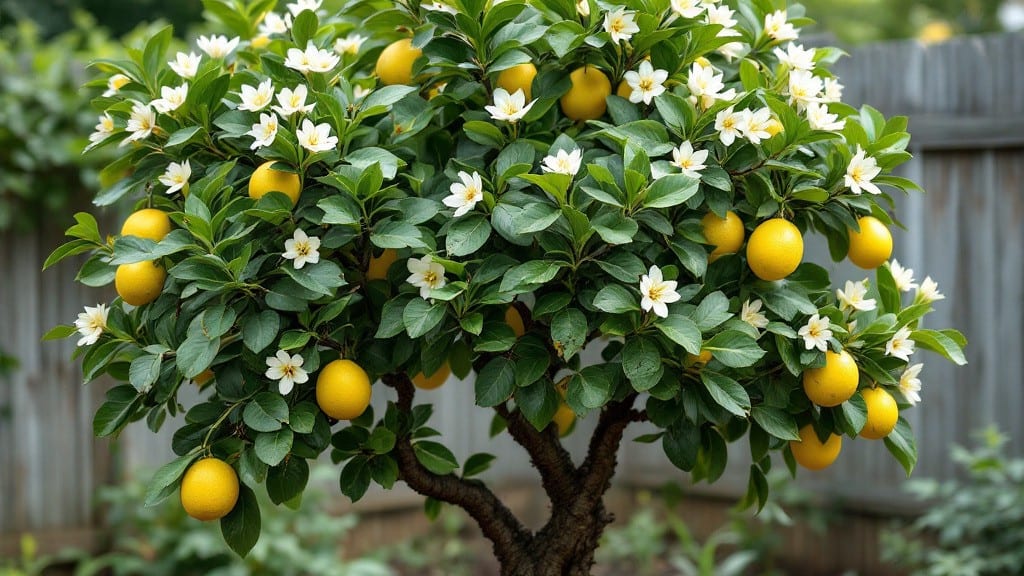
Pruning your Italian lemon tree isn’t just about shaping branches—it’s about creating a frost-resistant canopy that keeps your tree healthy through winter’s chill. 🌿 I’ve learned the hard way that skipping this step means weaker growth, fewer lemons, and branches that snap under ice.
The key is timing, technique, and knowing which cuts to make (and which to avoid).
You’ll need just four simple steps, a sharp pair of pruners, and about 20 minutes of focused work—no green thumb required. The goal is to open up the center of the tree for sunlight and air, which helps prevent frost damage by letting cold air escape.
Most people over-prune, but I’ll show you how to strike the perfect balance for a strong, productive tree.
By the time you finish, your lemon tree will have a neat, open structure that resists frost better and produces more fruit. You’ll also spot early signs of pests or disease that hide in dense foliage.
The best part? These same techniques work whether your tree lives in a container on your patio or in the ground in your yard.
Here’s where it gets interesting—pruning at the right time of year makes all the difference. Whether you’re in Zone 8 or 10**, the steps adapt to your climate. Let’s get those branches trimmed the right way, so your tree thrives all season long.
📚 In This Guide
- What you need
- Instructions
- Tips and common mistakes
- Wrapping up and next steps
What you need
- ● Pruning shears: Bypass pruners (sharp, clean, and sterilized with rubbing alcohol) for cuts under ½ inch in diameter.
- ● Loppers: Bypass or anvil type (for branches ½–1½ inches thick). Must have a long handle (24–36") for reach.
- ● Pruning saw: Curved-tooth handsaw (for branches thicker than 1½ inches). Oil the blade before use!
- ● Gloves: Heavy-duty, cut-resistant (lemon tree thorns are no joke!).
- ○ Disposable pruning bags: 10–20 gallon capacity (for collecting clippings). Optional: Compost bin if you plan to reuse trimmings.
- ● Rubbing alcohol (70% isopropyl) or bleach solution: 1 part bleach to 9 parts water (sterilize tools between cuts).
- ○ Sealing wax or pruning paint: Optional but helpful for large cuts (prevents disease entry).
- ● Timing: Prune after the last frost (late spring/early summer) or during dormancy (winter, if mild climate). Avoid pruning in freezing temps!
- ● Weather: Choose a dry, overcast day (humidity spreads disease).
- ● Safety gear: Safety glasses (in case of saw kickback) and long sleeves/pants (thorns + tools = ouch!).
- ● Ladder: Sturdy, 3-sided step ladder (if your tree is over 6–8 feet tall). Never stand on shaky surfaces!
- ● Water & towel: Keep tools clean and hands dry to avoid slips.
Step-by-step instructions for pruning an Italian lemon tree
Here's how I shape my frost-hardy Italian lemon tree for strong growth and winter resilience.
☀️ Step 1: Time Your Pruning for Optimal Growth
Prune your Italian lemon tree in late winter or early spring, just as new growth begins. This timing ensures you remove winter-damaged wood while leaving enough foliage for photosynthesis. I wait until I see tiny green buds swelling on the branches—this signals the tree is waking up from dormancy.
Never prune in fall or deep winter. Pruning too early removes next season's flower buds, which form on old wood. Your goal is to shape the canopy while preserving the tree's ability to produce fruit. For frost-prone areas, a light shaping in late fall (after first frost) can also help, but focus on removing only dead or crossing branches.
✂️ Step 2: Remove Dead, Diseased, and Crossing Branches
Start by cutting out any branches that are dead, broken, or diseased. Look for brown, brittle wood or branches with blackened spots. Use clean, sharp pruning shears to make cuts at a 45-degree angle, about ¼ inch above a healthy bud or branch collar. This prevents water from pooling and causing rot.
Next, remove branches that cross or rub against each other. These create wounds where pests and diseases can enter. I always step back to visualize the tree's structure—this helps me spot branches growing inward or downward that block sunlight. Your goal is an open, airy canopy that allows light and air to circulate freely.
🌿 Step 3: Shape the Canopy for Frost Resistance
Focus on creating a rounded, dome-like shape that sheds snow and ice more easily. Start by thinning out the interior branches to improve airflow and reduce frost pockets. Remove about 20-30% of the oldest, thickest branches to encourage younger, more flexible growth. These younger branches are less likely to snap under heavy frost or snow.
Shorten the outer branches by about one-third to maintain the tree's natural shape. Cut just above a leaf node or outward-facing bud to encourage outward growth. Avoid cutting into the center of the tree—this creates a dense, shaded interior that traps cold air and invites pests. Your pruned tree should look like an upside-down vase with a wide base and narrower top.
⏰ Step 4: Clean Up and Monitor for Recovery
After pruning, sterilize your tools with rubbing alcohol to prevent spreading disease. Collect and dispose of all cuttings—never leave them on the ground, as they can harbor pests. I like to mulch around the base with 2-3 inches of organic mulch to protect roots from temperature swings and retain moisture.
Water deeply right after pruning to help the tree recover. Watch for new growth within 2-3 weeks—that's your sign the tree is healing. If you see excessive sap oozing from cuts, it's normal, but if the tree looks stressed, reduce watering slightly. Your Italian lemon tree will thank you with stronger branches and better frost tolerance next winter.
Tips & tricks for perfect Italian lemon tree pruning
Here's what I've learned after years of shaping my frost-hardy Italian lemon tree—simple tricks that make all the difference for winter resilience.
Timing Secret: Look for those tiny green buds swelling on branches in late winter—they're your cue to prune. I've ruined a few harvests by pruning too early, so wait until you see at least 10% of buds showing color. For frost-prone areas, that light shaping after first frost in fall? Focus only on removing dead or crossing branches—nothing more.
Cutting Technique: The 45-degree angle cut about ¼ inch above a healthy bud isn't just a rule—it's a lifesaver. I learned this the hard way when my tree developed rot from improper cuts. Always use clean, sharp shears and make cuts just outside the branch collar where it meets the trunk. This prevents water from pooling and keeps the wound healing properly.
Canopy Vision: Step back and visualize your tree as an upside-down vase. The goal is a wide base with branches spreading outward, not inward. I find it helps to sketch a simple outline first—this prevents that dense center that traps cold air. Remove about 20-30% of the oldest branches to encourage new, flexible growth that won't snap in winter storms.
Recovery Watch: After pruning, watch for new growth within 2-3 weeks—this is your tree's way of saying "thanks!" If you see excessive sap oozing, it's normal, but if the tree looks stressed, cut back on watering slightly. That 2-3 inches of organic mulch around the base? It's not just decoration—it protects roots from temperature swings that can stress your tree during recovery.
Pro Tips for Italian Lemon Tree
- Here's what I've learned after years of shaping my frost-hardy Italian lemon tree—simple tricks that make all the difference for winter resilience.
- Timing Secret: Look for those tiny green buds swelling on branches in late winter—they're your cue to prune.
- Cutting Technique: The 45-degree angle cut about ¼ inch above a healthy bud isn't just a rule—it's a lifesaver.
Frequently asked questions
Got questions about pruning your Italian lemon tree?
Here are some of the most common concerns—and how to tackle them like a pro. Whether you're a newbie or a seasoned citrus gardener, these answers will help you keep your tree thriving and frost-resistant!
When is the best time to prune my Italian lemon tree?
Prune your Italian lemon tree in late winter or early spring (just before new growth starts). Avoid pruning in fall—this can stimulate tender new growth that’s vulnerable to frost. If you must prune in summer, do it after harvesting to reduce stress on the tree.
How do I protect my lemon tree from frost after pruning?
Italian lemon trees are somewhat frost-tolerant, but young trees or severe cold need extra care. After pruning, cover the tree with frost cloth or a blanket when temps drop below 25°F. Water the roots well before cold snaps to help insulate them. Avoid overhead watering before frost—wet leaves freeze faster!
Can I prune too much? What’s the ideal amount to remove?
Yes! Never remove more than 25-30% of the tree’s foliage in one session. Focus on dead, crossing, or overcrowded branches first. Italian lemon trees thrive with an open canopy for airflow, but drastic cuts can stress the tree. If you’re unsure, start small and observe for signs of recovery (new growth in 4-6 weeks).
What if my lemon tree isn’t producing fruit after pruning?
Patience is key! Pruning stimulates growth, so fruit production may take 1-2 years to rebound. Ensure your tree gets 6+ hours of sunlight daily and well-draining soil. If it’s still struggling, check for pests (like aphids) or nutrient deficiencies (add citrus-specific fertilizer in spring). Young trees often prioritize foliage over fruit—give it time!
Are there alternatives to pruning if I’m not confident?
If pruning feels overwhelming, try selective thinning—just remove a few problematic branches to improve airflow. You can also shape the tree naturally by pinching back new growth in early summer. For heavy pruning, consider hiring a local arborist who specializes in citrus trees. Remember, less is often more—focus on health over perfection!
Wrapping up and next steps
Growing a thriving, frost-resistant Italian lemon tree is totally within reach—it just takes the right pruning know-how! By following these 4 simple steps and keeping your tools sharp, you’ll encourage a lush canopy that’s both productive and resilient.
Whether you’re a beginner or a seasoned gardener, every snip brings you closer to a bountiful harvest.
Ready to take the next step? Mark your calendar for your next pruning session—consistency is key! And if you’re eager to dive deeper, explore seasonal pruning tips or join a gardening forum to share your progress.
Your Italian lemon tree will thank you with bright, juicy lemons all year round! 🍋✨