Trees
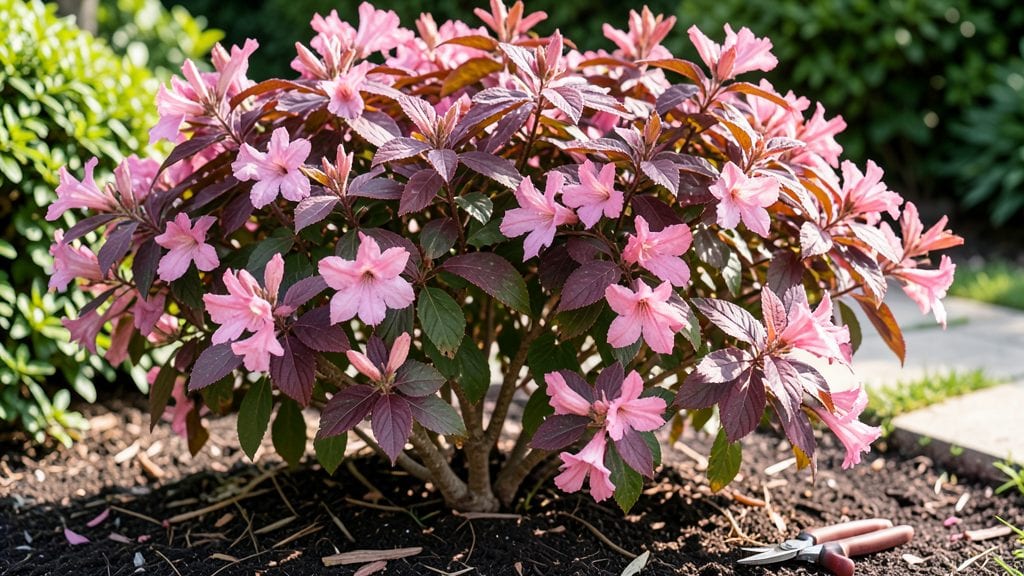
Pink foliage trees turn your Pacific Northwest garden into a living watercolor—soft blushes that glow against misty skies and frost-resistant enough to handle our damp winters. 🌿 I’ve planted mine along borders and as dramatic focal points, where their velvety leaves catch the light like stained glass.
The key is choosing varieties that thrive in our cool, wet climate while still delivering that showstopping color year-round.
Think beyond just the pink: Cotinus ‘Royal Purple’ smolders with smoky hues in fall, while Euonymus ‘Compactus’ offers striking pink stems that last through winter. These trees need minimal fuss—just well-drained soil and occasional pruning to keep their shape. They’ll outshine any seasonal bedding plant while requiring far less work.
Place them where their colors will pop: against dark evergreens for contrast, near patios for year-round interest, or as a mixed border with silver foliage plants. The payoff? A garden that feels lush and intentional, even on gray days. Let’s pick the perfect ones for your space.
Bonus: Most handle our wet winters without fuss, and their fall colors often rival their spring show. The secret’s in the placement—sunlight, drainage, and a little strategic pairing. Ready to add some vertical magic?
📚 In This Guide
- What you need
- Instructions
- Tips and common mistakes
- Wrapping up and next steps
What you need
- ● Pink foliage tree saplings: 1–3 (species like Cercis canadensis ‘Alba’, Cornus sericea ‘Flaviramea’, or Euonymus alatus ‘Compactus’). Choose 1–3 gallon containers for established plants.
- ● High-quality potting mix: 2–5 cubic feet (depending on pot size). Use a well-draining blend (e.g., 60% native soil, 30% compost, 10% perlite).
- ● Organic mulch: 2–3 inches of cedar chips or pine bark (covers 3–5 sq. ft. per tree).
- ● Slow-release fertilizer: 1 lb. of balanced 10-10-10 or organic options (like fish emulsion) for planting.
- ● Garden tools: Trowel or spade (for transplanting)
- ● Pruning shears (sterilized with rubbing alcohol)
- ● Garden gloves (to protect from thorns or sap)
- ● Watering supplies: Hose with adjustable nozzle or 5-gallon watering can
- ○ Drip irrigation kit (optional, for long-term care)
- ● Site prep: Sunlight assessment: 6+ hours of light for most pink foliage trees (partial shade for delicate varieties).
- ○ Soil test kit (optional but recommended for pH adjustment; target 6.0–7.0).
- ● Erosion control: Landscape fabric (if planting on slopes) or coir logs for young trees.
- ● Seasonal care: Winter wrap (burlap or frost cloth for young or tender varieties)
- ● Fungicide (copper-based, for preventative care in rainy seasons)
- ● Design touches: Stakes or tree rings (for support during establishment).
How to select and plant pink foliage trees for year-round color
Here's how to choose and establish these stunning, cold-hardy trees that thrive in Pacific Northwest climates.
🌱 Step 1: Choose the Right Varieties for Your Climate
For the Pacific Northwest's mild winters and frequent rain, focus on varieties like Cercis canadensis 'Alba' (white flowering dogwood) or Cornus sericea 'Kelseyi' (red-twig dogwood with pink spring foliage). These handle 15-25°F without issue. I always check the USDA hardiness zone map for my exact location—even within the PNW, microclimates vary significantly.
Look for trees with vibrant pink new growth in spring, as this indicates strong vitality. Avoid trees with yellowing leaves or brown tips, which can signal stress from improper storage or disease. The best time to shop is early spring when nurseries stock fresh, healthy stock.
🪴 Step 2: Prepare the Planting Site
Pink foliage trees thrive in partial shade to full sun, but afternoon shade protects delicate leaves from harsh PNW sun. I always test my site by observing how much direct sunlight it gets between 10 AM and 4 PM—this determines whether I need to prune nearby trees or choose a shade-tolerant variety.
Dig a hole twice as wide as the root ball but only as deep. Amend the native soil with 2-3 inches of compost mixed into the bottom and sides of the hole. The goal is loose, well-draining soil that mimics the tree's natural conditions. Avoid heavy amendments like peat moss unless your soil tests extremely poor.
☀️ Step 3: Plant with Proper Spacing and Support
Space trees 15-25 feet apart depending on mature size—this prevents future crowding and allows airflow that reduces fungal risks. I always plant on a slightly elevated mound (about 2 inches high) to improve drainage, especially important in the PNW's wet winters. Place the tree so the top of the root ball sits 1-2 inches above ground level.
Backfill with native soil mixed with compost, firming gently in layers to eliminate air pockets. Water deeply immediately after planting to settle the soil and remove any air gaps. I use a 5-gallon bucket of water for each tree, letting it soak in completely. Stake only if necessary—most pink foliage trees establish well without support.
💧 Step 4: Establish a Watering Routine
Water newly planted trees 2-3 times per week for the first 6-8 weeks, providing 1-2 gallons per watering depending on soil type. Check moisture by sticking your finger 2 inches into the soil—if it feels dry, it's time to water. Overwatering is just as harmful as underwatering, especially in the PNW's damp climate.
After the initial establishment period, reduce to once weekly during dry spells, increasing to twice weekly if the tree shows signs of stress (leaf scorch or wilting). Mulch with 3 inches of wood chips in a 3-foot diameter circle, keeping it 6 inches away from the trunk to prevent rot. This conserves moisture and regulates soil temperature.
✂️ Step 5: Prune for Health and Color
Prune in late winter or early spring before new growth begins. Remove any dead, diseased, or crossing branches first, then shape to open the canopy for better airflow. I always cut just outside the branch collar to promote faster healing. Avoid heavy pruning—these trees produce their best color on new growth, so limit cuts to 25% of the canopy annually.
Watch for pink-tinged new leaves in spring as your signal that pruning was successful. If you notice excessive yellowing, it may indicate nutrient deficiency—apply a balanced 10-10-10 fertilizer in early spring. The goal is to encourage vibrant foliage while maintaining the tree's natural shape and structure.
Tips & tricks for perfect pink foliage trees
These practical insights will help you grow vibrant, long-lasting pink foliage trees that thrive in Pacific Northwest conditions.
Climate Matching: The 15-25°F hardiness range is crucial for PNW varieties like Cercis canadensis 'Alba' and Cornus sericea 'Kelseyi'. Double-check your exact microclimate using the USDA zone map—some coastal areas may need slightly more cold-tolerant varieties. I've seen dogwoods struggle in colder inland zones despite being labeled "hardy" for the region.
Seasonal Planting Timing: Early spring planting (March-April) gives roots time to establish before summer heat, but container-grown trees can be planted year-round. If planting in fall, do it at least 6 weeks before first frost. The key is avoiding extreme temperatures—both hot and cold stress young roots during establishment.
Soil Test Tip: Before amending with compost, test your soil's pH and nutrient levels. Pink foliage trees prefer slightly acidic to neutral soil (pH 6.0-7.0). If your soil tests poor, consider adding a slow-release fertilizer like 10-10-10 at planting time. I've seen trees with beautiful foliage turn yellow when planted in alkaline soil without proper amendments.
Watering Watch: Those initial 6-8 weeks are critical—use your finger test (2 inches deep) to check moisture daily if we're experiencing PNW heatwaves. Morning watering is best to prevent fungal issues from prolonged leaf wetness. I've had to rescue trees that were overwatered by well-meaning neighbors during our dry summers.
Pro Tips for Pink Foliage Trees
- These practical insights will help you grow vibrant, long-lasting pink foliage trees that thrive in Pacific Northwest conditions.
- Climate Matching: The 15-25°F hardiness range is crucial for PNW varieties like Cercis canadensis 'Alba' and Cornus sericea 'Kelseyi'.
- Seasonal Planting Timing: Early spring planting (March-April) gives roots time to establish before summer heat, but container-grown trees can be planted year-round.
Frequently asked questions
about pink foliage trees—because every gardener deserves clarity! Whether you're a PNW native or a curious newbie, these answers will help you plant with confidence.When is the best time to plant pink foliage trees in the Pacific Northwest?
The ideal window is early spring (March–April) or fall (September–October). This gives roots time to establish before summer heat or winter frost. Avoid planting in extreme heat or freezing temps—roots need consistent moisture to thrive!
How cold can pink foliage trees tolerate?
Most PNW-friendly varieties, like Cercis canadensis ‘Alba’ (white but similar care) or Cornus sericea ‘Flaviramea’, handle USDA Zones 5–8 (down to -20°F/-29°C). Check your tree’s tag for specifics—hardiness varies by species! Pro tip: Mulch heavily in winter to protect shallow roots.
Can I grow pink foliage trees in containers? Yes—but with caveats!
Dwarf varieties like Physocarpus opulifolius ‘Little Devil’ thrive in 5-gallon+ containers with well-draining soil. Use a fast-draining mix (add perlite/pumice) and fertilize monthly in growing seasons. Warning: Containers dry out faster—water deeply when the top 2" of soil feels dry!
Why isn’t my pink foliage tree turning pink? Troubleshooting tips!
Pink hues often peak in late spring/early summer. If yours stays green:
- Check sunlight: Some need full sun (6+ hours) to trigger color.
- Soil pH: Test for acidity (6.0–7.0)—alkaline soil can dull colors.
- Nutrients: A balanced fertilizer (10-10-10) in early spring boosts vibrancy.
What’s a low-maintenance pink foliage tree alternative?
If you want color + ease, try:
- Viburnum ‘Pink Beauty’ – Hardy, deer-resistant, and pink spring blooms.
- Weigela ‘Wine & Roses’ – Pink flowers + minimal pruning needs.
- Spiraea japonica ‘Goldflame’ – Pinkish-red foliage that thrives in shade.
Wrapping up and next steps
Pink foliage trees are the Pacific Northwest’s secret weapon for year-round color and resilience—no frostbite in sight! 🌸 Whether you’re drawn to the delicate blush of Cornus sericea or the bold drama of Cercis canadensis, these trees bring joy with minimal fuss.
Their low-maintenance charm and stunning vertical impact make them a must-have for any garden or landscape.
Ready to transform your outdoor space? Start small—pick one variety that matches your climate and style, then watch your garden bloom with effortless beauty. Your next masterpiece is just a sapling away! 🌿