Pruning
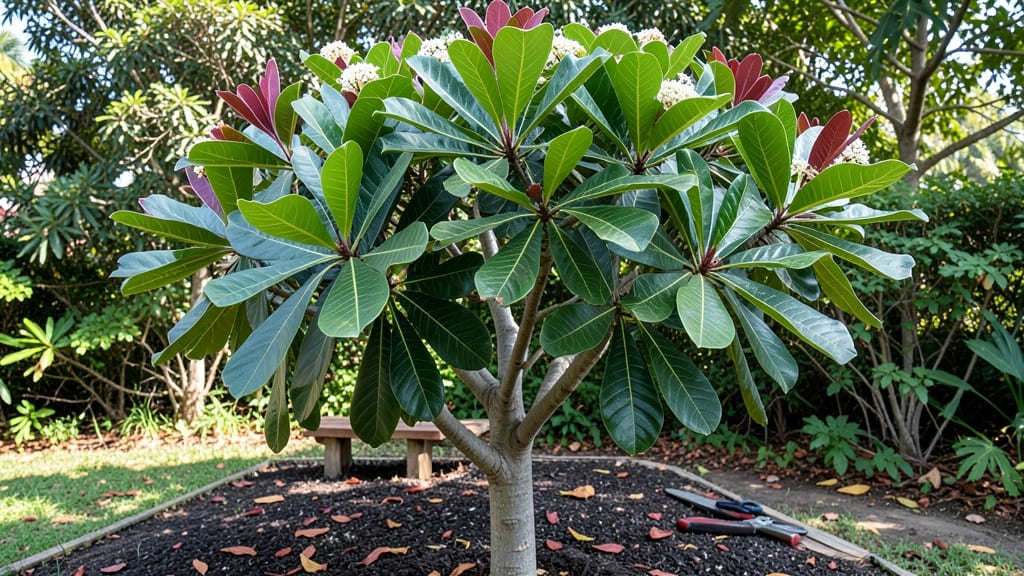
Growing a Jamaican almond tree (Terminalia catappa) in the Pacific Northwest means you get a frost-hardy tropical showstopper that thrives where most palms would freeze. 🌿 I planted mine last spring, and its glossy leaves already outshine everything else in my yard—even in Zone 8’s chilly winters.
The secret lies in its surprising resilience: this tree handles temperatures down to 20°F without flinching, making it the ultimate "tropical but tough" climber for cooler climates.
The real magic happens in full sun to partial shade, where it grows 15–30 feet tall with a spread that casts dramatic shade. Well-draining soil is non-negotiable—this tree hates soggy roots—but once established, it’s drought-tolerant and nearly pest-free.
The leaves alone are a conversation starter: they turn stunning red-purple before dropping in fall, creating a natural fireworks display. And yes, those almond-like fruits? They’re edible (though bitter raw) and packed with antioxidants.
Pruning is where you’ll see the most impact—shape it in early spring to encourage that starburst canopy while removing dead wood. I’ve trimmed mine just enough to keep it from shading my patio, and the result is a tree that looks like it belongs in a postcard.
The best part? It grows 2–3 feet per year, so you’ll have a mature specimen in just a few seasons. No wonder neighbors keep asking how I got this tropical gem to thrive in our climate.
Whether you’re after shade, striking foliage, or even a snack (once properly prepared), this tree delivers. The only trade-off? Patience—it takes 3–5 years to produce those signature fruits, but the ornamental value makes every wait worthwhile. Ready to grow one that turns heads all year round?
📚 In This Guide
- What you need
- Instructions
- Tips and common mistakes
- Wrapping up and next steps
What you need
- ● Jamaican almond seeds or saplings: 1–3 (seeds take 6–12 months to sprout; saplings offer faster growth). Pro tip: 💡 Source seeds from organic or locally grown trees for hardier results.
- ○ Well-draining soil mix: 50% native soil + 50% compost or coconut coir (pH 6.0–7.0). Optional: Add perlite for aeration.
- ● Container or planting site: For containers: 5-gallon pot minimum (12+ inches deep) with drainage holes.
- ● For in-ground: Full-sun location (6+ hours/day) with space for 15–25 ft spread.
- ● Pruning tools: Bypass pruners (sharp, sterilized with rubbing alcohol).
- ● Loppers (for thicker branches, 1–2 inches in diameter).
- ● Hand saw (for stubborn branches, 3+ inches thick).
- ● Mulch: 2–3 inches of wood chips or straw (retains moisture, regulates temperature).
- ● Fertilizer: Balanced 10-10-10 or organic options like fish emulsion (apply sparingly—over-fertilizing stresses the tree).
- ● Watering can or hose: With adjustable nozzle for gentle watering.
- ● Frost cloth or row covers: Lightweight fabric to protect young trees during unexpected late frosts (spring/fall).
- ● Windbreaks: Temporary fencing or burlap screens if your site is exposed to harsh winds.
- ● Soil amendments for cold climates: Peat moss (improves drainage in wet winters).
- ● Mycorrhizal fungi (boosts root resilience—mix 1 tbsp per planting hole).
- ● Grafting tools (if propagating from cuttings).
- ● Soil moisture meter (to monitor watering needs).
- ● Tree ties or soft cloth strips (for supporting young branches).
- ● Pest control: Neem oil spray (prevents aphids or scale insects common in PNW).
Step-by-Step instructions for planting and caring for Jamaican almond trees
Here's how to establish your frost-hardy climber with confidence—no guesswork involved.
🌱 Step 1: Choose the Perfect Planting Site
Jamaican almond trees thrive in well-draining soil with full sun exposure (at least 6-8 hours daily). In the Pacific Northwest's cooler climate, select a location protected from harsh winds—perhaps near a south-facing wall or fence. The tree's roots appreciate slightly acidic to neutral soil (pH 6.0-7.5), so test your soil before planting if possible.
If your garden has heavy clay, amend the soil with 2-3 inches of compost mixed into the top 12 inches of soil. This improves drainage while retaining moisture, which is critical for young roots. I always dig a hole twice as wide as the root ball but only as deep—planting too deep suffocates the roots and leads to poor establishment.
🪴 Step 2: Plant with Proper Spacing and Support
Dig your hole and place the tree so the root flare (where roots meet the trunk) sits 1-2 inches above ground level. Backfill with native soil mixed with 1 part compost to encourage root spread. Water deeply to settle the soil, then add a 3-inch layer of mulch (wood chips or bark) around the base, keeping it 6 inches away from the trunk to prevent rot.
Jamaican almond trees are vigorous climbers, so install a strong trellis, arbor, or fence at planting. Use soft ties (like tree straps) to guide the main stems upward, adjusting as the tree grows. Space multiple trees 10-15 feet apart—they’ll spread quickly and need room to thrive without competing for sunlight.
☀️ Step 3: Water Deeply and Establish a Routine
Water once a week for the first month, providing 1-2 gallons per tree to encourage deep root growth. After that, water every 10-14 days, adjusting for rain—your goal is moist but not soggy soil. The Pacific Northwest’s damp climate means you’ll likely water less than in drier regions, but young trees still need consistent moisture.
Here’s the thing—overwatering kills more Jamaican almond trees than underwatering. Check soil moisture by sticking your finger 2 inches deep; if it’s dry, water. If it’s damp, wait. Once established, these trees are drought-tolerant, but young plants need steady hydration to build strong roots.
✂️ Step 4: Prune for Shape and Health
Prune in late winter or early spring before new growth begins. Remove dead, diseased, or crossing branches first—this keeps air circulating and prevents fungal issues. Then, shape the tree by cutting back overly long branches to encourage bushier growth. Jamaican almond trees respond well to pruning, so don’t fear trimming; they’ll bounce back with lush foliage.
If your tree grows too leggy, prune back the tips of the longest branches to redirect energy to side shoots. This creates a fuller, more compact tree that produces more flowers and fruit. Always use clean, sharp pruners to avoid tearing bark, and sterilize them with rubbing alcohol between cuts to prevent spreading disease.
🌿 Step 5: Monitor for Pests and Fertilize Lightly
Jamaican almond trees are generally pest-resistant, but watch for aphids or scale insects on new growth. Spray with neem oil if you spot clusters of sticky residue (honeydew). In the Pacific Northwest, fungal diseases are rare, but powdery mildew can appear in humid summers. Improve airflow with pruning and avoid overhead watering to prevent this.
Fertilize once in early spring with a balanced, slow-release fertilizer (10-10-10). Scatter ½ cup per tree around the drip line, then water deeply to activate the nutrients. Skip fertilizer in the first year—your tree’s energy should go into root development, not foliage. Real talk: Over-fertilizing leads to weak, floppy growth and fewer flowers.
Tips & tricks for perfect Jamaican almond tree establishment
A few key insights will help you avoid common pitfalls and give your frost-hardy climber the best possible start in the Pacific Northwest.
Soil Preparation Secret: The 2-3 inches of compost mixed into the top 12 inches of soil isn't just about drainage—it creates a perfect moisture buffer. For heavy clay soils, I recommend adding an extra 1 inch of compost to the mix, especially in the first year when roots are establishing. This helps prevent the soil from becoming waterlogged during our region's frequent winter rains, which can suffocate young roots. Think of it as creating a sponge layer that holds moisture without drowning the roots.
Root Flare Visibility: When positioning your tree in Step 2, make the root flare clearly visible above the soil line. I've seen many gardeners bury this critical junction too deeply, which can lead to girdling and poor growth. A simple trick is to use a pencil to mark the flare's position on the root ball before planting, then reference this mark when backfilling. The 1-2 inches above soil level recommendation isn't arbitrary—it's what allows the tree to develop properly without suffocation.
Pacific Northwest Watering Adjustment: While the instructions call for weekly watering during the first month, I've found that in particularly damp Pacific Northwest winters, you might need to adjust this to every 10 days. The key is that finger-depth soil moisture check—if your 2-inch probe comes out damp after a week, wait a few extra days. Remember, these trees are drought-tolerant once established, but young trees need consistent moisture to build their root systems. Overwatering in our climate is actually more dangerous than underwatering.
Pruning Timing Nuance: The late winter to early spring pruning window is crucial, but I've learned to be flexible with the exact timing based on our regional climate. If you're in a particularly mild microclimate, you might start pruning as early as February. The goal is to prune just before new growth begins—look for the first signs of swelling buds. This timing ensures you're not removing growth that would have contributed to the tree's energy reserves for the season.
Pro Tips for Jamaican Almond Tree
- A few key insights will help you avoid common pitfalls and give your frost-hardy climber the best possible start in the Pacific Northwest.
- Soil Preparation Secret: The 2-3 inches of compost mixed into the top 12 inches of soil isn't just about drainage—it creates a perfect moisture buffer.
- Root Flare Visibility: When positioning your tree in Step 2, make the root flare clearly visible above the soil line.
Frequently asked questions
Can the Jamaican almond tree survive winter in the PNW?
The good news is yes! While it thrives in USDA zones 9–11, this hardy climber can handle brief dips to 20°F (-7°C) with proper care. In colder PNW winters, protect young trees with mulch or burlap wraps. Mature trees often bounce back after light frost, but avoid planting in exposed, windy spots.
How long does it take for a Jamaican almond tree to bear fruit?
Patience is key! Most trees take 3–5 years to produce edible pods after planting, though some may bloom sooner in ideal conditions. Female flowers (needed for fruit) appear in spring, so ensure you have at least two trees for pollination—or plant a self-pollinating variety like ‘Pink Flamingo’.
When and how should I prune my Jamaican almond tree?
Prune in late winter or early spring (before new growth) to shape the tree and improve airflow. Focus on:
- Removing dead, crossing, or weak branches (use sterilized tools!).
- Thinning out overcrowded growth to boost fruit production.
- Avoid heavy pruning—this tree blooms on old wood, so keep it light.
Are there non-edible alternatives if I don’t want to wait for fruit?
The Jamaican almond tree is prized for its ornamental value too. Enjoy its:
- Stunning pink or white flowers in spring.
- Glossy, tropical foliage that adds year-round interest.
- Fast-growing vines (up to 30 ft!) perfect for trellises or fences.
What pests or diseases should I watch for?
This tree is generally low-maintenance, but keep an eye out for:
- Scale insects (sticky residue on leaves)—treat with neem oil.
- Powdery mildew in humid PNW summers—improve airflow and avoid overhead watering.
- Root rot if soil stays soggy—ensure well-draining soil and raise beds if needed.
Wrapping up and next steps
The Jamaican almond tree isn’t just a stunning, frost-resistant climber—it’s a versatile gift for your Pacific Northwest garden, offering beauty, shade, and even edible rewards! 🌿 With the right pruning techniques, you’ll keep it thriving for years while shaping it into a showstopper.
Ready to roll up your sleeves? Start small—prune now to set the stage for a lush, healthy tree that’ll be the talk of the neighborhood.
💡 Pro tip: Bookmark this guide and revisit it before each pruning season to stay on track!