
Pruning
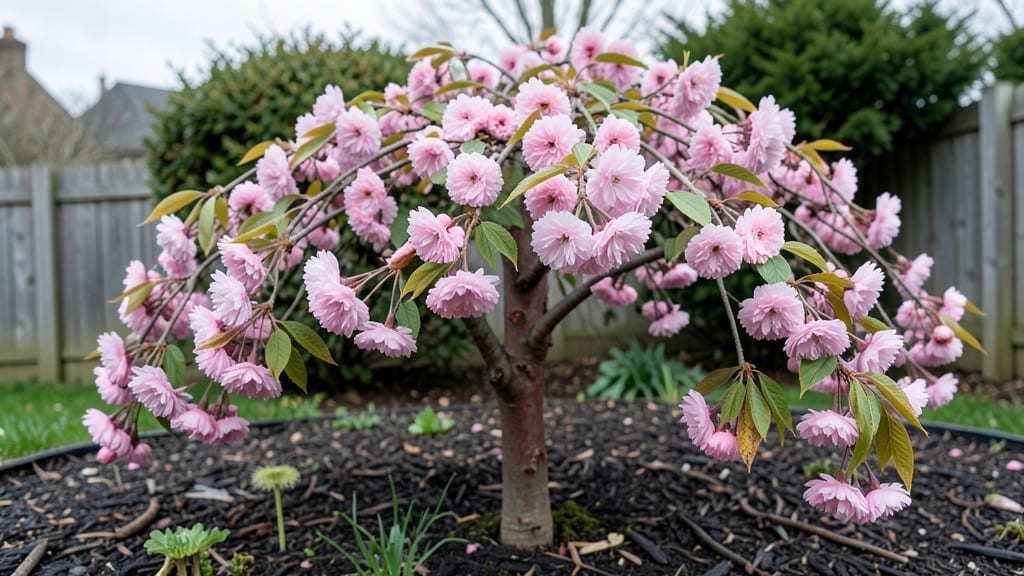
The Japanese dwarf weeping cherry tree (Prunus subhirtella 'Pendula') transforms any yard into a living watercolor painting with its delicate pink blossoms cascading like lace.
I planted mine in my front yard three years ago, and every spring, neighbors stop to admire the graceful branches that sway even in still air.
The key to keeping it thriving—especially in colder climates—lies in smart pruning that protects its frost-sensitive blooms while encouraging more of that dreamy, weeping form.
This tree isn’t fussy about soil as long as it drains well, but it craves full sun to partial shade and plenty of space to stretch its branches—think 6 to 8 feet wide at maturity.
Water deeply the first year to establish roots, then let the soil dry slightly between waterings once established. The real magic happens in late winter or early spring before buds swell, when you’ll shape it for that signature weeping silhouette while removing dead wood.
Even in Zone 5, where winters dip below zero, this variety handles frost better than its cousins because its buds form later in the season.
With proper pruning, you’ll end up with a tree that blooms earlier and more abundantly than most cherries, often putting on a second flush of flowers in late summer. The branches will arch gracefully, creating a natural focal point that looks stunning against evergreens or alongside a patio.
The only downside? Those petals create a spring cleanup—worth it for the show, but plan for a rake or two nearby when they fall.
Whether you’re dealing with a young sapling or an established tree, the techniques here work for both. The goal is to keep it healthy, encourage more blooms, and maintain that elegant, cascading form year after year. Let’s get those pruners ready—your tree’s next masterpiece starts with a few strategic cuts.
📚 In This Guide
- What you need
- Instructions
- Tips and common mistakes
- Wrapping up and next steps
What you need
- ● Bypass pruning shears – Sharp, clean, and with a 6-8" blade (for small branches).
- ● Loppers – For branches ½" to 2" in diameter (bypass or anvil type).
- ● Pruning saw – With a fine-tooth blade for thicker branches (2"+).
- ● Disinfectant (70% isopropyl alcohol or pruning sealant) – To sterilize tools between cuts.
- ○ Garden gloves – Thick, cut-resistant (optional but recommended for thorns).
- ○ Pruning sealant (optional but helpful) – For larger cuts to prevent disease.
- ● 5-gallon bucket or trash bag – For collecting pruned branches.
- ● Ladder or step stool – If your tree exceeds 6' in height.
- ● Sharpie or permanent marker – For marking branches to remove.
- ● Hand pruners with a crimping tool – For smoother cuts on small branches.
- ● Extension pole pruners – For high branches without a ladder.
- ● Tree wound dressing – For extra protection on large cuts (controversial but useful in some climates).
- ● Notebook & pencil – To sketch your pruning plan before starting.
- ● Safety glasses – If working near your face or eyes.
- ● ✅ Know your tree’s age and health – Young trees need lighter pruning; mature trees may need rejuvenation.
- ● ✅ Check the weather – Prune on a dry, overcast day (avoid frost or extreme heat).
- ● ✅ Research your zone – Japanese Dwarf Weeping Cherries thrive in USDA Zones 5-8; adjust timing for frost-prone areas.
- ● ✅ Have a plan – Sketch or mentally map out dead, crossing, or overcrowded branches before cutting.
Step-by-step guide for pruning your Japanese dwarf weeping cherry tree
Here's how I keep my weeping cherry looking graceful through all four seasons.
Time Your Pruning for Frost Resistance
Prune your Japanese dwarf weeping cherry in late winter or early spring—right after your last frost date but before buds swell. This timing ensures the tree can heal quickly before spring growth begins. I wait until the ground thaws but before new shoots appear, usually in February or March depending on your climate zone.
Never prune in fall or winter when the tree is dormant—you risk exposing tender wood to cold snaps. The goal is to shape the tree while it's still in its resting phase but about to wake up. If you miss the window, wait until early summer after flowering, though summer pruning reduces next year's bloom count.
Use the Right Tools and Technique
Grab your clean, sharp pruning shears and sterilized loppers—dull tools crush branches and invite disease. I wipe blades with rubbing alcohol between cuts to prevent bacterial spread. Focus on removing dead, crossing, or rubbing branches first, as these compete with healthy growth.
Make cuts at a 45-degree angle just above an outward-facing bud. This encourages growth in the right direction and prevents water from pooling on the wound. For larger branches thicker than your wrist, use the three-cut method to avoid tearing the bark. Start with an undercut, then top cut, and finish by removing the branch stub.
Shape for Year-Round Grace
Weeping cherries thrive with an open, airy canopy. Step back and visualize the tree's natural shape—your goal is to enhance its graceful weeping habit rather than force a rigid form. Remove any branches growing straight up or inward, as these create dense areas that block sunlight and airflow.
For height control, trim the longest branches by about one-third to encourage bushier growth. Never remove more than 25% of the tree's foliage in one season—this stresses the tree and reduces flowering. Focus on thinning rather than topping, which creates ugly stubs and weak growth. You'll see the difference in just a few weeks as new shoots fill in gaps.
Post-Pruning Care for Recovery
After pruning, apply a thin layer of mulch around the base (but not touching the trunk) to retain moisture and regulate soil temperature. Water deeply to help the tree recover, then reduce irrigation slightly for the next 2-3 weeks to prevent overstimulation. The tree will focus energy on healing cuts rather than new growth.
Monitor the pruning wounds for 3-4 weeks—they should callus over and appear smooth. If you notice oozing sap or dark streaks, sterilize your tools again and make fresh cuts slightly higher. Avoid applying wound dressings; they trap moisture and invite rot. Let the tree's natural healing process work—it's more effective than any commercial product.
Tips & tricks for pruning Japanese dwarf weeping cherry trees
Real talk: Pruning this delicate tree takes patience, but these tricks will help you avoid common mistakes and keep your weeping cherry thriving for decades.
Timing is Everything: If you're unsure about your last frost date, check your local weather service or use a frost calendar app. The window between late winter and early spring is narrow—aim for when forsythia bushes bloom nearby, as they signal the perfect time. I've learned the hard way that pruning too early risks frost damage to fresh cuts, while waiting too long means you'll trim next year's flowers.
Tool Preparation Matters: Don't skip sterilizing your tools between cuts! I keep a small bottle of rubbing alcohol in my tool bag and wipe blades after every 3-4 cuts. This prevents bacterial spread that can cause cankers—a common disease in pruned cherries. For larger branches, I mark the cut line with a permanent marker before making the first undercut to ensure clean, precise cuts at the 45-degree angle.
Visualize the Canopy: Step back and look at your tree from all angles before making cuts. Weeping cherries naturally grow in a graceful arc—your goal is to enhance this shape, not create a rigid form. Use a string or garden hose to outline the desired shape before pruning. This helps you see which branches to remove for that airy, open look that lets sunlight filter through beautifully.
Post-Pruning Recovery: The 2-3 weeks of reduced watering after pruning is crucial. I set a reminder on my phone to check the soil moisture during this period—it should be slightly dry before watering again. This helps the tree focus all its energy on healing those cuts rather than producing new growth. I've seen trees recover much faster when given this time to rest and callus properly.
Pro Tips for Japanese Dwarf Weeping Cherry Tree
- Real talk: Pruning this delicate tree takes patience, but these tricks will help you avoid common mistakes and keep your weeping cherry thriving for decades.
- Timing is Everything: If you're unsure about your last frost date, check your local weather service or use a frost calendar app.
- Tool Preparation Matters: Don't skip sterilizing your tools between cuts!
Frequently asked questions
Got questions about keeping your Japanese Dwarf Weeping Cherry Tree thriving with frost-resistant pruning? Here are some of the most common ones—and their answers!
When is the best time to prune my weeping cherry tree?
The ideal time is late winter or early spring (just before buds swell), but you can also do light pruning after flowering to shape it. Avoid heavy cuts in fall—it can stimulate new growth that won’t harden off before frost. Pro tip: If you live in a cold climate, wait until after the last frost to prune!
How cold can this tree handle?
Japanese Dwarf Weeping Cherries are hardy to USDA Zones 5-8 (down to -20°F/-29°C). Young trees may need winter protection (like burlap wraps) in harsh zones, but mature specimens are surprisingly resilient. Pro tip: Mulch the root zone to insulate roots during extreme cold snaps!
Can I prune too much? What if I cut back too far?
Yes! Over-pruning weakens the tree and can reduce flowering. Never remove more than 25% of the canopy in one season. If you’ve already overdone it, don’t panic—focus on light shaping cuts next year. Pro tip: Step back and visualize the tree’s natural shape before snipping!
Why aren’t my cherry blossoms as abundant as last year?
Fewer blooms often mean over-pruning, stress, or poor nutrition. Ensure your tree gets balanced fertilizer (high in phosphorus) in early spring. Also, check for pests or disease. Pro tip: If the tree is young, blooms may still be establishing—patience pays off!
Are there smaller alternatives if my space is limited?
Yes! Consider the ‘Shidare-Yoshino’ (a weeping hybrid) or ‘Akebono’ (dwarf variety). Both stay compact (10–15 ft tall) and thrive with minimal pruning. Pro tip: Container-growing is possible—just ensure the pot drains well and overwinter it indoors!
Wrapping up and next steps
The Japanese Dwarf Weeping Cherry Tree is a stunning addition to any garden, offering year-round elegance with minimal upkeep—especially when pruned correctly. Its frost-resistant nature makes it a resilient choice, and with the right techniques, you can keep its graceful branches thriving for decades.
Whether you're a seasoned gardener or just starting, this tree rewards patience with breathtaking blooms and lush foliage.
Ready to transform your outdoor space? Grab your tools, follow the steps you’ve learned, and give your weeping cherry tree the care it deserves. Start pruning today—your future garden will thank you! 🌸✂️