
Pruning
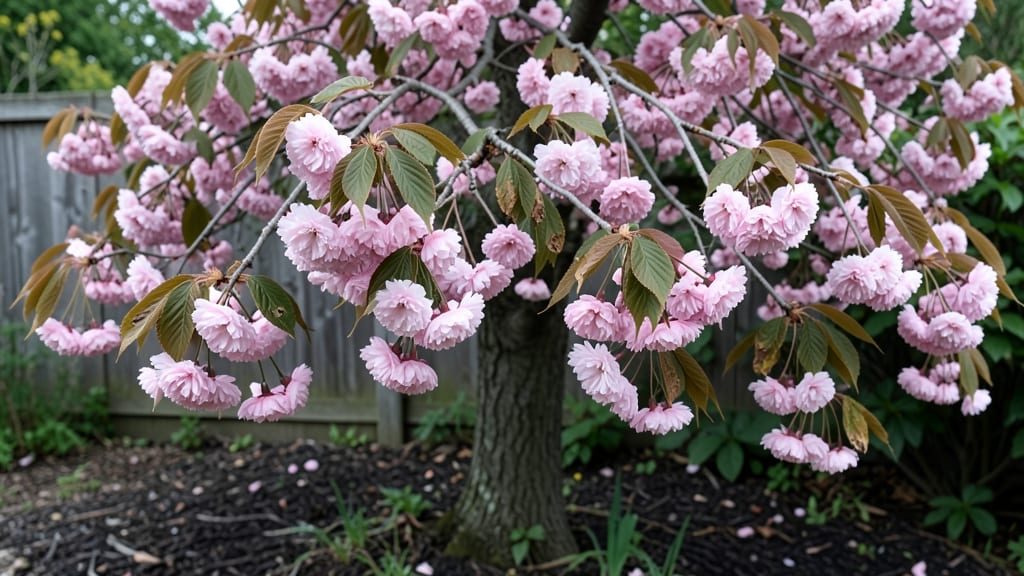
Summer pruning your weeping cherry tree isn’t just about keeping those graceful branches in check—it’s about setting the stage for next year’s frost-resistant blooms while keeping your tree thriving through heat and drought.
I’ve spent summers wrestling with my own ‘Pendula,’ and I’ll tell you: the right cuts now mean fewer surprises when winter rolls around. That first snip feels counterintuitive—why prune when the tree’s already leafing out?—but timing is everything.
The secret lies in four strategic cuts that balance air flow, sunlight, and shape without stressing the tree. You’ll need sharp pruners, a clean towel (to wipe sap off cuts), and a clear afternoon when the tree isn’t wilting from midday heat.
Most gardeners overdo it in summer, but weeping cherries respond best to light shaping—think of it as giving your tree a haircut, not a buzz cut. Every cut should aim for an outward-facing bud to encourage those cascading branches you love.
What you’ll end up with is a tree that bounces back from summer’s worst—drought, pests, even scorching afternoons—with vibrant green foliage and buds already forming for next spring. The foliage stays lush, the branches hold their weeping shape, and you’ll notice fewer aphid clusters clinging to crowded growth.
It’s the kind of care that turns a pretty tree into a showstopper year after year.
Works for any weeping cherry, whether you’re in a hot, dry climate or a humid zone where pests love to party. Here’s how to make those cuts count—without leaving your tree looking like it lost a fight with a lawnmower.
📚 In This Guide
- What you need
- Instructions
- Tips and common mistakes
- Wrapping up and next steps
What you need
- ● Pruning shears: Bypass pruners (sharp, clean, and sterilized with rubbing alcohol to prevent disease). Specs: 6–8" blades, ergonomic grip.
- ● Loppers: For thicker branches (½–1½" diameter). Specs: Bypass blades, 18–24" long.
- ● Hand saw: For stubborn, woody branches (>1½" diameter). Specs: Curved blade, 8–10" length.
- ● Gloves: Heavy-duty, cut-resistant (e.g., mechanics’ gloves or pruning gloves with reinforced palms).
- ● Disinfectant: 70% isopropyl alcohol or bleach solution (1 part bleach to 9 parts water) for tool sterilization.
- ○ Pruning sealant (optional but recommended): Tree wound sealant (e.g., Tanglefoot Tree Wound Pruning Seal) for cuts >½".
- ● Extension pole: 6–8 ft telescoping pole with pruner attachment (for high branches).
- ● Bucket or bag: For collecting trimmings (5–10 gallon capacity).
- ● Notebook & pencil: To sketch your tree’s structure before/after pruning.
- ● Timing: Prune on a cool, overcast day in late spring to early summer (after flowering, before summer heat stress).
- ● Weather check: Avoid pruning if rain is forecasted within 24 hours (wet wood splinters easily).
- ● Safety gear: Safety glasses (to shield from debris) and closed-toe shoes.
- ● Tree health assessment: Inspect for diseased or dead branches (brown, brittle wood) before pruning.
- ● Water: A hose or watering can to rinse tools and refresh the tree post-pruning.
- ● Sharp is key: Dull tools crush branches, inviting disease. Hone blades before starting! ⚡
- ● One-cut rule: Make clean cuts at a 45° angle just outside the branch collar (never leave stubs).
- ● Disposal plan: Bag trimmings and dispose of them immediately to prevent pests from nesting.
- ● Frost prep: If your tree is in a marginal climate, consider a lightweight frost cloth for young or newly pruned branches.
Simple summer pruning for weeping cherry trees
Here's how to refresh your tree's shape and encourage next year's blooms with just four straightforward cuts.
✂️ Step 1: Remove Dead or Crossing Branches First
Start by identifying any branches that are completely dead—these will be dry, brittle, or have no leaves. Use sharp pruning shears to make a clean cut just outside the branch collar, where the branch meets the trunk. This prevents unsightly stubs and reduces disease risk.
Next, look for branches that cross or rub against each other. These create wounds that weaken the tree and invite pests. Remove the smaller of the two branches at its base. I always check for these first because they're the easiest to spot and fix—they're like the tree's version of a splinter you just need to pull out.
✂️ Step 2: Thin Out Overcrowded Areas
Weeping cherry trees naturally grow with a cascading shape, but over time, branches can become too dense. Focus on the center of the tree where light struggles to reach. Select branches that grow inward or downward and cut them back to a healthy outward-facing bud or branch.
You'll know you're doing this right when you can see light filtering through the canopy. Aim to remove about 20-25% of the foliage in dense areas. Don't worry about making the tree look sparse—this actually strengthens it by improving air circulation and reducing humidity-related diseases.
✂️ Step 3: Lightly Shape the Outer Canopy
Now for the aesthetic touches. Use hand pruners to trim back any branches that are growing too long or disrupting the tree's graceful weeping form. Cut just above a bud that faces outward or upward—this encourages new growth in the direction you want. For larger branches, use loppers and make the cut at a 45-degree angle about ¼ inch above a bud.
This is where you'll see the tree's personality shine. Weeping cherries naturally grow with a soft, flowing shape, so avoid heavy pruning. Think of this as a gentle haircut rather than a drastic makeover. If you're unsure, take a step back and imagine how the tree will look in a year—you're shaping its future form.
✂️ Step 4: Clean Up and Sterilize Tools
After making your cuts, gather all the pruned branches and remove them from the area. This reduces debris where pests and diseases can hide. Once you've cleared the area, wipe down your pruning tools with rubbing alcohol or a 10% bleach solution to sterilize them. I keep a small bottle of rubbing alcohol in my tool bag for quick cleanups between cuts.
Finally, apply a thin layer of pruning sealant to cuts larger than ½ inch in diameter. This helps prevent disease entry and speeds up healing. For smaller cuts, the tree's natural healing processes will take care of it—just keep an eye out for any signs of oozing sap or unusual discoloration in the weeks following pruning.
Tips & tricks for perfect weeping cherry tree summer pruning
Here's what I've learned from years of pruning these graceful trees—simple tricks to make your summer cuts even more effective.
Tool Prep Matters: Before you make any cuts, sharpen your pruning shears and loppers. Dull blades tear bark instead of making clean cuts, which stresses the tree and invites disease. I test my tools by making a clean cut through a piece of paper—if it tears, they need sharpening. Also, clean your tools between cuts with rubbing alcohol to prevent spreading any potential pathogens from branch to branch.
Look for the Right Bud: In Step 3 when shaping the outer canopy, pay close attention to which way the buds face. Cutting just above an outward-facing bud encourages new growth in the direction you want. If you're unsure which way a bud faces, look at the opposite side of the branch—buds typically grow in the direction of the opposite branch. This small detail makes all the difference in maintaining that elegant weeping shape.
Don't Overdo the Thinning: In Step 2, when thinning out overcrowded areas, it's tempting to remove more branches to open up the canopy quickly. But remember, weeping cherries thrive on a certain level of density. Aim to remove only about 20-25% of the foliage in dense areas. This might seem counterintuitive, but it actually helps maintain the tree's natural structure and encourages better blooming next spring.
Timing is Everything: The best time to prune weeping cherry trees is right after they finish blooming in early summer. This gives the tree plenty of time to heal before winter. If you must prune later in the summer, avoid heavy pruning—just focus on removing dead or diseased branches. The tree needs time to recover before the cold weather sets in, especially since these varieties are frost-resistant but still benefit from proper care.
Pro Tips for Weeping Cherry Tree Summer
- Here's what I've learned from years of pruning these graceful trees—simple tricks to make your summer cuts even more effective.
- Tool Prep Matters: Before you make any cuts, sharpen your pruning shears and loppers.
- Look for the Right Bud: In Step 3 when shaping the outer canopy, pay close attention to which way the buds face.
Frequently asked questions
Can I still prune my weeping cherry tree after a late spring frost?
Late frosts can damage buds, but pruning after the frost (once new growth appears) helps redirect energy to healthy branches. Focus on removing dead or frost-bitten wood first, then shape the tree in early summer. Just avoid heavy pruning in extreme heat—wait until temps stabilize.
How do I encourage more blooms in summer?
Weeping cherries bloom best with light, strategic cuts. Prune in late spring or early summer to remove crowded branches and improve airflow. Avoid over-pruning—aim for 10-15% of the canopy max. Fertilize with low-nitrogen, high-phosphorus feed to boost flowering, and water deeply during dry spells.
What’s the best time of day to prune in summer?
Prune on cool, cloudy mornings (before 10 AM) to reduce stress on the tree. Avoid midday heat, which can shock the plant and attract pests. If you must prune later, water thoroughly before and after. Pro tip: Sterilize tools with rubbing alcohol between cuts to prevent disease spread!
Are there frost-resistant weeping cherry tree alternatives?
Yes! If your area gets harsh frosts, consider these resilient picks:
- ‘Kwanzan’ Cherry – Hardy to zone 5, with vibrant pink blooms.
- ‘Royal Burgundy’ Smokebush – Drought-tolerant and cold-hardy (zone 4).
- ‘Higan’ Cherry – Zone 5-friendly with stunning white flowers.
My weeping cherry’s branches are splitting—what went wrong?
Splitting branches usually mean over-pruning or uneven cuts. Always prune at a 45-degree angle just above a bud or branch collar. Avoid “topping” (cutting flush to a trunk)—this weakens the tree. If splits happen, seal with pruning sealant and monitor for disease. For severe damage, consult an arborist!
Wrapping up and next steps
There you have it—your weeping cherry tree is ready to thrive this summer with vibrant blooms and frost-resilient strength! 🌸 Pruning isn’t just about cutting branches; it’s about nurturing a masterpiece that will grace your garden for years.
With just four simple cuts and a little patience, you’ve set the stage for a stunning, healthy tree.
Now, take that newfound confidence and watch your tree flourish. Next, why not explore seasonal care tips or plan a cozy spot under its branches for summer relaxation? Your garden—and future blooms—will thank you! 🌿