Pruning
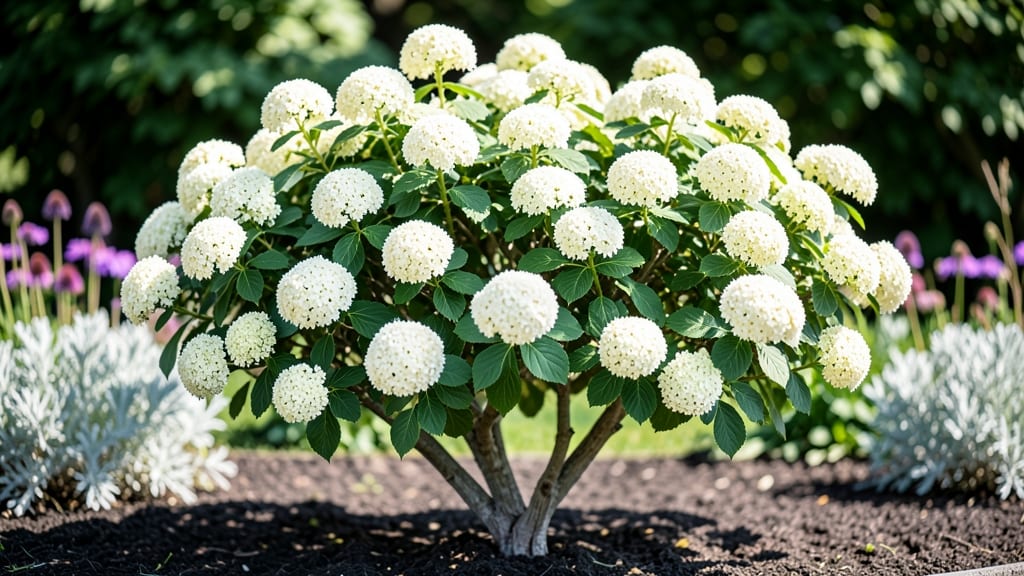
The Japanese snowball viburnum tree transforms my Pacific Northwest yard into a winter wonderland with its frost-resistant, snowball-like blooms—fluffy and dazzling since I planted it last year. white clusters that stay vibrant even in freezing temperatures.
This deciduous shrub isn’t just pretty; it’s tough, thriving in zones 5-8 where other plants struggle to survive the cold.
What makes this plant a game-changer is its versatility. It grows 6-10 feet tall, making it perfect for privacy screens, focal points, or mixed borders. The layered branches create natural texture, while the late-winter/early-spring blooms (before most trees leaf out) give your garden an early burst of color.
Plus, the glossy green foliage turns a soft yellow in fall, extending its seasonal appeal.
Caring for it is surprisingly low-maintenance once established. It prefers well-draining soil and partial shade to full sun, though it tolerates urban conditions better than many shrubs.
Prune right after flowering to shape it, and you’ll reward yourself with years of effortless beauty—no fuss, no failures, just reliable winter charm.
Whether you’re replacing an eyesore fence or adding drama to your landscape, this shrub delivers year-round interest with minimal work. Let’s dive into how to plant, prune, and keep yours thriving for decades.
📚 In This Guide
- What you need
- Instructions
- Tips and common mistakes
- Wrapping up and next steps
What you need
- ● Pruning shears: Bypass pruners (4–6" blades) for clean cuts on smaller branches.
- ● Loppers: 8–12" loppers for thicker branches (up to 2" diameter).
- ● Pruning saw: Curved-tooth saw for branches thicker than 2".
- ● Gloves: Heavy-duty, cut-resistant gloves (e.g., Mechanix or leather).
- ● Disinfectant: 70% isopropyl alcohol or pruning sealant (for tools and cuts).
- ● Trash bags: 30+ gallon contractor bags for debris (wet leaves = heavy!).
- ● Step ladder or stool: Sturdy, 6–8 ft tall (for taller trees).
- ● Marking twine or flags: For tagging branches to remove (if planning ahead).
- ● Water spray bottle: To clean tools between cuts (prevents sap buildup).
- ● Extension pole pruners: For high branches (10–12 ft reach).
- ● Pruning paint: Tree wound sealant (for large cuts > ½" diameter).
- ● Safety glasses: To shield from debris (especially when sawing).
- ● Notebook & pen: To jot down pruning notes or sketch your vision.
- ● Compost bin: For chipping and reusing organic debris.
Step-by-Step guide to planting and establishing a Japanese snowball viburnum tree
This hardy evergreen thrives in the Pacific Northwest’s climate—here’s how to plant it for maximum growth and privacy.
🌱 Step 1: Choose the Right Location and Prepare the Soil
The Japanese snowball viburnum (Viburnum plicatum tomentosum) thrives in partial shade to full sun, making it perfect for Pacific Northwest gardens where direct afternoon sun can scorch leaves. Look for a spot with morning sun and afternoon shade, especially in hotter microclimates. Avoid low-lying areas where cold air pools—this tree handles frost well, but prolonged saturation weakens roots.
Test your soil’s drainage by digging a 12-inch-deep hole—if water pools after 30 minutes, amend the soil with 2-3 inches of organic compost mixed into the top 12 inches. This tree prefers slightly acidic to neutral soil (pH 5.0-7.0). If your soil is heavy clay, blend in 1 part sand or perlite to improve aeration. The root system spreads widely but not deeply, so focus on loosening soil horizontally.
🪴 Step 2: Plant at the Correct Depth and Stake for Support
Dig a hole twice as wide as the root ball but no deeper—planting too deep suffocates roots and causes rot. Gently remove the tree from its container and tease apart any circling roots with your fingers. Place the root ball in the hole so the top of the root flare (where roots meet trunk) sits 1-2 inches above ground level. This prevents water from pooling at the stem.
Backfill with native soil mixed with 1 cup of slow-release fertilizer (10-10-10 ratio) and tamp lightly to eliminate air pockets. Water deeply until moisture reaches 6 inches down. Stake the tree only if needed—young viburnums often stabilize on their own, but if the trunk leans, use two 6-foot stakes driven 6 inches from the trunk and secure with soft tree ties (never wire, which can girdle the bark).
☀️ Step 3: Water Deeply and Mulch to Retain Moisture
Water the newly planted tree every 2-3 days for the first 2 weeks, then taper to once a week unless rainfall provides 1 inch of moisture. Overwatering is the biggest mistake—this tree tolerates drought once established but struggles with soggy roots. Check moisture by inserting your finger 3 inches deep; if dry, water until it runs out the drainage holes.
Apply 3 inches of mulch (wood chips or shredded bark) in a 3-foot-wide ring, keeping it 6 inches away from the trunk to prevent rot. Mulch conserves moisture, regulates soil temperature, and suppresses weeds. Replenish mulch annually in late winter to protect roots from freezing temperatures. The Pacific Northwest’s wet winters can leach nutrients, so top-dress with 1 cup of compost in early spring.
✂️ Step 4: Prune for Shape and Encourage Dense Growth
Wait until late winter or early spring (just before buds swell) to prune. Remove dead, crossing, or inward-growing branches first—these compete for energy and create weak branch unions. Cut back to the outermost bud to encourage outward growth. For a fuller privacy screen, prune 1/3 of the tallest branches annually to stimulate bushier growth.
Avoid heavy pruning in fall—new growth won’t harden off before winter, and frost can damage tender shoots. If you prune in summer, do so after flowering (late June) to avoid sacrificing next year’s blooms. Use clean, sharp pruners to make 45-degree cuts just above a leaf node. Seal larger cuts (over ½ inch) with pruning sealant to prevent disease entry.
⏰ Step 5: Monitor for Pests and Adjust Care Seasonally
Japanese snowball viburnum is disease-resistant, but watch for aphids or spider mites in dry summers—these pests thrive on stressed plants. Spray affected areas with neem oil or introduce ladybugs for natural control. Yellowing leaves often signal overwatering or nutrient deficiency; adjust irrigation and fertilize lightly with ½ cup of balanced fertilizer in early spring if growth stalls.
In the Pacific Northwest’s cool, wet winters, reduce watering to once every 2-3 weeks unless soil is bone-dry. This tree enters dormancy naturally, so no special winter care is needed beyond mulching. By year 3, your viburnum should reach 6-8 feet tall with a 5-6 foot spread, providing the lush, frosty-white privacy screen you planted for.
Tips & tricks for perfect Japanese snowball viburnum tree establishment
This tree's success depends on understanding its unique needs—here are the key details that make all the difference in Pacific Northwest gardens.
Soil Preparation Insight: When testing drainage in Step 1, focus on the 30-minute water retention test as your baseline. If water disappears faster than 30 minutes, your soil drains too well—blend in 1 part peat moss to help retain moisture during dry spells. The horizontal loosening of soil is critical because viburnum roots spread laterally rather than deeply, creating a wide but shallow network that needs good aeration at the surface.
Planting Depth Precision: The 1-2 inch elevation of the root flare above ground level in Step 2 might seem small, but it prevents stem rot—a common issue in our wet climate. Use a level to verify this positioning, especially if your yard has slopes. For container-grown trees, gently squeeze the root ball to encourage roots to spread outward before planting, which helps establish a stronger root system faster.
Watering Strategy: The 2-3 day watering schedule in Step 3 works best when combined with a simple moisture test: press your finger 3 inches deep into the soil. If it feels dry at this depth, water thoroughly until it runs out drainage holes. Morning watering is ideal to prevent fungal issues from evening moisture retention. Consider installing a drip irrigation system on a timer for consistent moisture without overwatering.
Pruning Timing: The late winter/early spring pruning window in Step 4 is non-negotiable for this tree. If you miss this window, avoid pruning entirely until next year—new growth after flowering won't harden off properly before winter. For summer pruning after flowering, mark your calendar for late June to give the tree time to set next year's blooms before cutting back. Always sterilize your pruners with rubbing alcohol between cuts to prevent disease spread.
Pro Tips for Japanese Snowball Viburnum Tree
- This tree's success depends on understanding its unique needs—here are the key details that make all the difference in Pacific Northwest gardens.
- Soil Preparation Insight: When testing drainage in Step 1, focus on the 30-minute water retention test as your baseline.
- Planting Depth Precision: The 1-2 inch elevation of the root flare above ground level in Step 2 might seem small, but it prevents stem rot—a common issue in our wet climate.
Frequently asked questions
Got questions about growing and maintaining your Japanese Snowball Viburnum? You’re in the right place! Here are answers to the most common concerns—from planting to pruning—so you can keep your privacy screen thriving in the Pacific Northwest’s climate.
When is the best time to plant a Japanese Snowball Viburnum?
Plant your Viburnum plicatum in early spring or fall when the soil is workable but not frozen. This gives roots time to establish before winter or summer stress. Avoid transplanting in extreme heat or cold—PNW’s mild winters make fall a great choice!
How and when should I prune for optimal snowball blooms?
Prune right after flowering (late spring) to shape the tree and encourage next year’s blooms. Remove dead, crossing, or overcrowded branches first. For a dense hedge, lightly trim new growth in early summer—but avoid heavy cuts, as this can reduce winter hardiness.
Is this tree really cold-hardy enough for the PNW?
Japanese Snowball Viburnums thrive in USDA Zones 5–8 and handle PNW’s wet winters and chilly nights. Just ensure it’s planted in well-draining soil and avoid soggy spots. Mulch around the base in winter for extra protection.
What’s a good alternative if I need faster privacy?
For quicker results, consider Emerald Green Arborvitae (faster growth) or Oregon Grape Holly (native, drought-tolerant). However, Snowball Viburnum wins for seasonal interest—its spring blooms, fall color, and winter structure keep it stunning year-round!
Why are my leaves yellowing or dropping?
Yellowing leaves often signal overwatering, poor drainage, or nutrient deficiency. Check soil moisture—it should stay evenly damp but not soggy. A balanced fertilizer in early spring can help. If pests (like spider mites) are to blame, hose them off or use neem oil.
Wrapping up and next steps
The Japanese Snowball Viburnum isn’t just a stunning addition to your Pacific Northwest garden—it’s a low-maintenance, frost-resistant powerhouse that thrives as both a privacy screen and a year-round focal point.
With its durable branches, fragrant blooms, and adaptable nature, this tree proves that beauty and resilience go hand in hand. Whether you’re a seasoned gardener or just starting, its ease of care makes it the perfect choice for transforming your outdoor space into a serene retreat.
Ready to bring this winter wonder to your yard? Start by researching local nurseries or online plant suppliers to find a healthy specimen, then sketch out your ideal planting spot. Your future self—and your neighbors—will thank you! 🌿✨