
Pruning
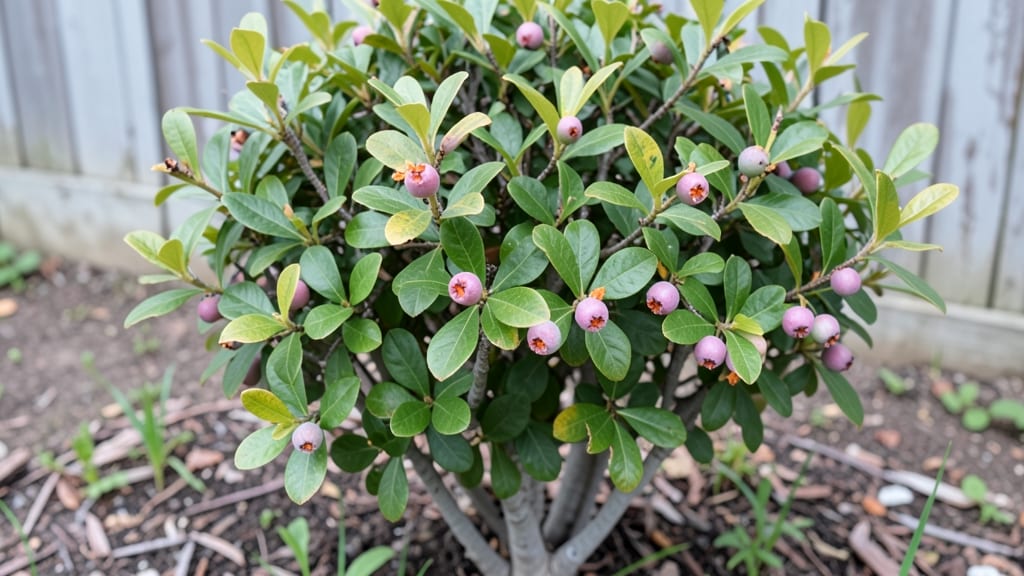
Pruning a Japanese spindle tree (Euonymus japonicus) transforms it from a wild shrub into a frost-proof architectural star—especially in the Pacific Northwest’s damp winters. 🌿 I’ve pruned mine for years, and the secret isn’t just cutting back branches—it’s shaping growth to survive heavy snow and rain while keeping that lush, layered look.
The right cuts in late winter or early spring encourage dense foliage that resists wind damage, and the tree’s natural resilience means you won’t sacrifice its health for a polished shape.
The tools you’ll need are simple: sharp bypass pruners for clean cuts, hand pruners for smaller branches, and a ladder if your tree is over 6 feet tall. Timing matters most—prune just before new growth starts in early spring, or lightly after flowering if you prefer.
Avoid heavy pruning in fall, as the tree needs time to harden off before winter. For Pacific Northwest gardens, focus on removing dead wood first, then thin out crossing branches to improve air circulation and reduce disease risk.
What you’ll end up with is a structured, evergreen centerpiece that stays vibrant even after snowstorms. The dense canopy blocks wind, the glossy leaves catch the light, and the subtle pink fall berries add color when other shrubs fade.
My tree hasn’t lost a branch to winter damage in five years, and the pruning takes less than 30 minutes once you get the rhythm down. The key is patience—don’t over-prune, and always cut just outside the branch collar for the cleanest recovery.
This method works for both small landscapes and large gardens, whether you’re shaping a hedge or a standalone specimen. The Japanese spindle tree’s adaptability means it thrives in partial shade or full sun, making it a low-maintenance choice for busy gardeners.
Ready to give your tree the care it deserves? Let’s get those pruners out and shape that canopy like a pro.
📚 In This Guide
- What you need
- Instructions
- Tips and common mistakes
- Wrapping up and next steps
What you need
- ● Pruning shears: Bypass pruners (4–6” blades) for clean cuts on small branches (required).
- ● Loppers: 8–10” loppers for thicker branches (½–1” diameter) (required).
- ● Pruning saw: Curved-tooth saw for branches >1” thick (required).
- ● Gloves: Heavy-duty, cut-resistant gloves (gardening or pruning-specific) (required).
- ● Disinfectant: 70% isopropyl alcohol or bleach solution (1 part bleach : 9 parts water) (required).
- ○ Sealing wax: Pruning sealant (e.g., Tanglefoot Tree Wound Pruning Sealer) (optional but recommended for large cuts).
- ● Ladder or step stool: Extendable ladder (10–12’ for mature trees) or sturdy stool (required if tree exceeds 6’).
- ○ Twine or zip ties: For temporarily securing branches during pruning (optional).
- ● Trash bags: Heavy-duty bags for debris (2–3 large bags) (required).
- ○ Notebook & pen: To sketch pruning plan or track cuts (optional but helpful).
- ● Weather check: Prune on a dry, calm day (avoid wind or rain).
- ● Safety glasses: Protect your eyes from debris (required).
- ● Long sleeves/pants: Wear layers to avoid scratches from thorns (required).
- ● First-aid kit: Include antiseptic wipes and bandages (recommended).
- ○ Water: 1–2 gallons for cleaning tools and rehydrating (optional but smart).
Step-by-step guide to pruning Japanese spindle trees
Here's how I shape these hardy trees for a balanced, frost-resistant Pacific Northwest canopy.
✂️ Step 1: Time Your Pruning for Optimal Growth
Prune Japanese spindle trees (Euonymus japonicus) in late winter or early spring, just as new growth begins. This timing ensures you remove dead wood while encouraging fresh, vigorous shoots before summer heat arrives. Avoid pruning in fall—new growth won't harden off before frost, leaving tender branches vulnerable.
I mark my calendar for February or March in the PNW, when days start lengthening but before buds fully swell. Wait until you see pinkish buds forming along branches—that's your cue. Pruning too early risks cutting back next year's flower buds, while waiting too long can stress the tree as it prepares for growth.
✂️ Step 2: Remove Dead, Diseased, and Crossing Branches First
Start with sanitation pruning—this is non-negotiable. Grab your sterilized pruners and remove any dead, broken, or diseased branches first. These branches won't regrow and can harbor pests or fungal spores. Look for branches with dry, brittle wood or mushroom-like growths at the base.
Next, cut out crossing branches—where two limbs grow toward each other. These create weak points where bark tears during storms. I use the "three-cut method" for branches thicker than ½ inch: make an undercut, then a top cut, and finally remove the branch cleanly. This prevents bark from tearing and keeps the wound small for faster healing.
✂️ Step 3: Thin the Canopy for Airflow and Light Penetration
Japanese spindle trees develop dense canopies that trap moisture and invite fungal issues. Step back and visualize sunlight filtering through—your goal is 30-50% openness. Focus on removing ¼ to ⅓ of the oldest branches, starting from the bottom and working upward.
Cut branches back to a bud or lateral branch that grows outward, never leaving a stub. For thicker branches, make your cut just outside the branch collar (the swollen area where the branch meets the trunk). This ensures the tree seals the wound naturally. Avoid "topping" the tree—cutting the main stem—unless you're rejuvenating an overgrown specimen, as this encourages weak, water sprouts.
✂️ Step 4: Shape for Frost Resistance and Structural Integrity
Japanese spindle trees handle frost well, but their branch structure determines how they recover. To strengthen the canopy, remove branches that grow straight up—these are prone to breaking under snow or ice. Instead, encourage outward-growing branches at 45-degree angles for natural support.
For mature trees, reduce the height by cutting back the uppermost branches to promote bushier growth lower down. This lowers the tree's center of gravity and makes it more stable in winter storms. I like to leave a natural, rounded silhouette—this mimics the tree's native form and reduces wind resistance. After pruning, step back and admire your work—the tree should look balanced, not hacked.
✂️ Step 5: Clean Up and Monitor for Recovery
Rake up all pruned debris and dispose of it in the trash—never compost diseased branches. Wipe your pruners with rubbing alcohol between cuts to prevent spreading pathogens. Water the base of the tree deeply after pruning to help it recover, especially if you've removed a lot of foliage.
Watch for new growth within 4-6 weeks. Healthy branches should sprout green buds and unfurl leaves by late spring. If you see yellowing leaves or oozing sap at pruning wounds, the cuts may be too large—next time, aim for smaller, cleaner cuts. Japanese spindle trees are forgiving, but proper pruning ensures they stay strong, frost-resistant, and beautiful for decades.
Tips & tricks for perfect Japanese spindle tree pruning
Here's what I've learned after years of shaping these resilient trees for PNW winters.
Timing is Everything: Those pinkish buds in February or March aren't just a visual cue—they tell you exactly when the tree's energy is shifting. Prune too early and you risk cutting back next year's flower buds. Wait too long and you stress the tree as it prepares for growth. I always check for buds on the southeast side of the tree first, since that's where sunlight hits earliest in spring.
Sanitation is Non-Negotiable: Diseased branches can spread pathogens to healthy parts of your tree. After removing dead wood, I wipe my pruners with rubbing alcohol between cuts. For stubborn branches thicker than ½ inch, the three-cut method prevents bark tearing—start with an undercut about 1-2 inches out from the trunk, then make your top cut just outside the branch collar. This creates a clean wound that heals faster.
Canopy Structure Matters: Aim for that 30-50% openness—this isn't about hacking branches randomly. Focus on removing the oldest branches from the bottom up, creating space for sunlight to reach all parts of the canopy. I visualize a sunlight filter effect—you should be able to see light dappling through the branches when you step back 10 feet. This prevents fungal issues and encourages even growth throughout the tree.
Frost-Proof Your Tree: Vertical branches are your enemy in winter storms. Cut them back to encourage outward growth at 45-degree angles—they'll handle snow load better. For mature trees, I reduce height by cutting back the uppermost branches, which promotes bushier growth lower down. This lowers the tree's center of gravity and makes it more stable. After pruning, I always do a visual balance check—the tree should look like it could handle a PNW winter without breaking.
Pro Tips for Japanese Spindle Tree
- Here's what I've learned after years of shaping these resilient trees for PNW winters.
- Timing is Everything: Those pinkish buds in February or March aren't just a visual cue—they tell you exactly when the tree's energy is shifting.
- Sanitation is Non-Negotiable: Diseased branches can spread pathogens to healthy parts of your tree.
Frequently asked questions
Got questions about keeping your Japanese spindle tree (Euonymus japonicus) thriving in the Pacific Northwest? Here are some of the most common concerns—plus expert tips to tackle them!
When is the best time to prune my Japanese spindle tree?
The ideal time is late winter or early spring (February–March), just as new growth begins. This timing encourages healthy blooms and prevents frost damage. Avoid pruning in fall—it can stimulate tender growth that won’t survive PNW winters. Pro tip: If you must prune in summer, do it after flowering to avoid cutting off next year’s blooms!
How do I protect my Japanese spindle tree from frost?
While this tree is frost-resistant, extreme cold (<10°F) can damage new growth. To safeguard it:
This tree responds well to regular shaping, making it perfect for hedges. Prune 2–3 times a year:
Yellowing leaves usually signal overwatering, nutrient deficiency, or pest issues. Check these first:
If your tree struggles with PNW’s wet winters or pests, consider these low-maintenance, frost-resistant alternatives:
Water deeply before the first hard freeze to help roots withstand cold.
Can I shape my Japanese spindle tree into a hedge?
Use sharp, clean shears and step back often to check symmetry. Warning: Avoid over-pruning—this tree grows slowly and may struggle to recover if cut back too aggressively.
Why are my Japanese spindle tree leaves turning yellow?
If yellowing persists, test soil pH—Japanese spindle prefers slightly acidic to neutral (6.1–7.5).
What’s a good alternative if my Japanese spindle tree isn’t thriving?
All handle PNW’s climate better than Japanese spindle in some cases!
Wrapping up and next steps
The Japanese spindle tree is a resilient, frost-hardy beauty that thrives in the Pacific Northwest’s climate—when pruned with care! By mastering the right techniques (like selective thinning and late-winter shaping), you’ll encourage lush foliage, vibrant blooms, and a sturdy structure for years to come. 🌿✂️
Ready to transform your garden? Grab your tools, follow the steps above, and give your spindle tree the attention it deserves. Start small: trim just one branch today, and watch your tree reward you with seasonal splendor!
For deeper dives, explore local PNW gardening forums or consult a certified arborist—your tree’s future is in your hands. 🌟