
Lawn
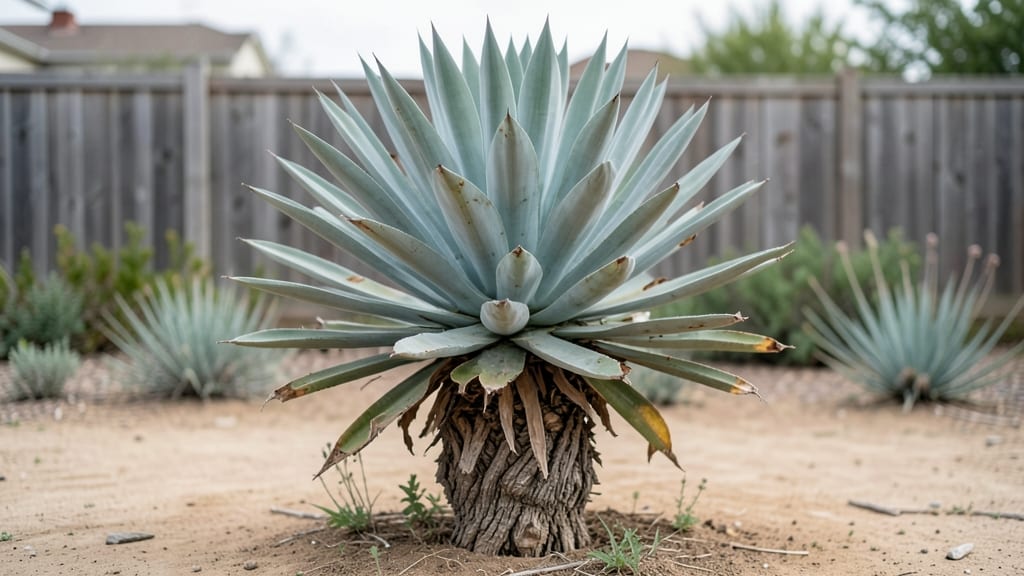
Growing Joshua tree seeds is like nurturing a tiny piece of the Mojave Desert in your own backyard—it takes time, but the reward is worth every moment of patience. 🌵 These iconic desert plants aren’t just drought-resistant; they’re survivors, and their seeds hold the secret to bringing that rugged beauty into your landscape.
The key isn’t forcing growth but creating the perfect conditions for their slow, steady development.
The process starts with the right seeds—fresh or properly stored ones from a trusted source—and a soil mix that mimics their natural habitat: coarse, well-draining sand with just enough organic matter to hold moisture without suffocating roots.
You’ll need a warm, sunny spot, ideally in a container first, because these seeds need consistency to break dormancy. Most gardeners overlook the importance of temperature, but keeping soil between 70-80°F is non-negotiable for germination.
What you’ll end up with is a scraggly, slow-growing sapling that might take years to mature—but that’s the magic. These trees develop deep roots and a resilient structure only when given the space and time to adapt.
By the time it reaches a few feet tall, you’ll have a living piece of desert history thriving in your care, complete with that signature twisted silhouette and silvery-blue foliage.
This method works best in warm climates, but even cooler regions can try it with a heat mat and extra patience. The real challenge isn’t just growing one—it’s resisting the urge to rush a plant that’s built for endurance. Let’s get those seeds started the right way.
📚 In This Guide
- What you need
- Instructions
- Tips and common mistakes
- Wrapping up and next steps
What you need
- ● Joshua Tree Seeds: 10–20 fresh seeds (preferably from a reputable supplier or wild-harvested with care). Pro tip: Seeds lose viability quickly—plant them within 6 months of harvest!
- ● Seed Starting Mix: 2–3 cups of cactus/succulent soil mix (sterile, well-draining, and amended with perlite or pumice for aeration). Avoid regular potting soil—it retains too much moisture!
- ● Small Pots or Trays: 4–6 2–3 inch diameter pots (for individual seeds) OR
- ● 1 seed tray with drainage holes (fill with 1–2 inches of soil).
- ● Grow Lights or Sunny Windowsill: A full-spectrum LED grow light (12–16 hours/day) or a south-facing window (if temperatures stay above 70°F). Joshua Trees need light to germinate!
- ● Misting Bottle or Spray Nozzle: For gentle hydration—avoid soaking the soil.
- ○ Plastic Wrap or Humidity Dome: To maintain 50–70% humidity during germination (optional but helpful in dry climates).
- ● Tweezers or Toothpick: For careful seed placement (avoid crushing them—they’re tiny!).
- ○ Heat Mat (Optional): A seedling heat mat (set to 75–85°F) can speed up germination by mimicking desert warmth.
- ● Fertilizer: A diluted succulent fertilizer (1/4 strength) after 4–6 weeks, once sprouts appear.
- ● Label Tags & Marker: To track planting dates and seed sources.
- ● Outdoor Hardening Trays: For transplanting seedlings once they’re 6+ inches tall (if moving them outside).
- ● Patience: Germination can take 2–12 months—don’t give up!
- ● Consistent Warmth: Ideal temps: 70–85°F (avoid drafts or AC vents).
- ● Drought Tolerance: Joshua Trees hate overwatering—let soil dry completely between waterings.
- ● Legal Check: Verify local regulations if sourcing wild seeds (some areas protect Joshua Trees).
Step-by-Step instructions for germinating Joshua tree seeds
Here's how to coax these desert survivors from seed—it's all about patience and precision.
🌱 Step 1: Stratify Seeds to Break Dormancy
Joshua tree seeds need cold treatment to germinate. Place the seeds in a paper towel or dampened vermiculite inside a sealed plastic bag. Store them in your refrigerator for 30-60 days—this mimics the winter chill they'd experience in nature. Check weekly to ensure the medium stays moist but not soggy.
I like to label the bag with the date and variety if using multiple types. The goal is to keep seeds consistently cold (35-40°F) without freezing. If condensation forms inside the bag, open it briefly to air out and prevent mold. You'll know stratification is working when the seed coat softens slightly—though it won't crack yet.
💧 Step 2: Prepare the Germination Medium
After cold treatment, fill a small container with a mix of 50% cactus/succulent soil and 50% perlite. This blend drains quickly while retaining enough moisture for delicate seedlings. Press down lightly to create a firm surface—Joshua tree seeds need good contact to sprout.
Water the mix thoroughly until it's evenly moist, then let it drain completely. The soil should feel damp 1 inch deep but not wet. I use a spray bottle for this step to avoid displacing the soil. Place the container in a warm spot (70-75°F) with indirect light—direct sun will dry it out too fast.
☀️ Step 3: Sow and Maintain Warmth
Sow the seeds ¼ inch deep in the prepared mix, spacing them 1 inch apart. Cover lightly with additional soil and mist gently to settle it. Place a clear plastic dome or plastic wrap over the container to retain humidity—Joshua tree seeds need 90% humidity to germinate.
Keep the container in a warm location out of direct sunlight. Germination can take 14-45 days, depending on seed freshness. You'll see the first sign of life when tiny green tips push through the soil—this is your cue to remove the dome immediately and move to bright, indirect light. Real talk: some seeds may never sprout, so don't be discouraged if not all germinate.
🌿 Step 4: Transition to Desert Conditions
Once seedlings develop 2-3 sets of true leaves (the second pair after the initial cotyledons), it's time to harden them off. Gradually reduce humidity by removing the dome for 1 hour daily, increasing by 30 minutes each week. This prepares them for the dry air they'll eventually face.
After two weeks, move seedlings to a sunny window or under grow lights providing 12-14 hours of light daily. Watch for leggy growth—a sign they need more light. You'll know they're thriving when new growth appears compact and dark green. Water only when the top 1 inch of soil feels completely dry, using a small amount each time to encourage deep root growth.
Tips & tricks for perfect Joshua tree seed germination
Real talk: germinating Joshua tree seeds isn't just science—it's desert alchemy. These tricks will help you navigate the patience game and avoid the pitfalls that trip up even seasoned growers.
Cold Treatment Consistency: For the 30-60 day stratification in Step 1, I recommend placing your bag on the refrigerator's crisper drawer shelf—it maintains the ideal 35-40°F range without temperature swings. Use a small thermometer in the bag for the first week to confirm stability. If you notice condensation, open the bag for 5 minutes daily to prevent mold while keeping the medium moist. This mimics nature's slow winter thaw perfectly.
Medium Preparation Secret: When mixing your 50% cactus soil/50% perlite blend in Step 2, sift both components first to eliminate clumps. Press the mix down firmly before sowing—this ensures seeds make direct contact with moisture, which is critical since Joshua tree seeds are so tiny. I find using a small hand tamper or even the bottom of a glass works best for creating that firm surface.
Germination Timing Reality Check: The 14-45 day germination window in Step 3 can feel like an eternity, but here's what to watch for: After the 30-60 day cold treatment, germination should begin within the first 14 days if conditions are perfect. If you've gone 30 days without sprouts, gently check one seed—it might need another 10-15 days in the cold before trying again. Some seeds simply need more time to break dormancy.
Light Transition Hack: When moving seedlings to bright light in Step 4, start with 4-6 hours of direct sunlight daily and gradually increase by 1 hour every 3 days. This prevents shock and encourages compact growth. I use a simple timer on my grow lights to ensure they get their full 12-14 hours—consistency is key with these desert plants.
Pro Tips for Joshua Tree Seed
- Real talk: germinating Joshua tree seeds isn't just science—it's desert alchemy.
- Cold Treatment Consistency: For the 30-60 day stratification in Step 1, I recommend placing your bag on the refrigerator's crisper drawer shelf—it maintains the ideal 35-40°F range without temperature swings.
- Medium Preparation Secret: When mixing your 50% cactus soil/50% perlite blend in Step 2, sift both components first to eliminate clumps.
Frequently asked questions
Got questions about growing Joshua tree seeds? You’re not alone—this desert icon comes with its own set of challenges! Here are answers to the most common queries to help you succeed.
How long does it take for Joshua tree seeds to germinate?
Patience is key! Under ideal conditions (consistent moisture, warmth, and shade), germination can take anywhere from 2 weeks to 6 months. Most seeds sprout within 4–8 weeks, but some stubborn ones may take longer. Avoid overwatering—keep soil evenly moist (not soggy) to prevent rot.
Can I plant Joshua tree seeds outdoors in winter?
Not ideal! Joshua trees thrive in hot, arid climates, and winter’s cold (below 20°F/-7°C) can kill seeds or young seedlings. Start seeds indoors in spring (March–April) or use a greenhouse. If you must sow outdoors, wait until late spring after frost risk has passed.
What’s the best soil mix for Joshua tree seeds?
A well-draining, sandy-loam blend mimics their native Mojave Desert soil. Mix 60% coarse sand or perlite, 30% potting soil, and 10% compost. Avoid heavy clay—it causes root rot. A slightly alkaline pH (7.0–8.0) is ideal, but seeds are forgiving.
Why aren’t my Joshua tree seeds sprouting?
Common culprits: too much water (seeds rot), low temperatures (below 60°F/15°C), or poor light (they need bright, indirect light). Try stratification (refrigerate seeds for 4–6 weeks) to mimic winter dormancy. If seeds are old (<2 years), viability drops—source fresh ones!
Are there alternatives if germination fails?
Yes! If seeds refuse to sprout, consider buying a young Joshua tree (3–5 years old) from a nursery. They’re pricier but skip the germination gamble. Another option: layering (propagating from cuttings), though it’s trickier. For a low-maintenance desert look, try yucca or agave—they’re easier to grow!
Wrapping up and next steps
Growing Joshua Tree seeds is a rewarding journey that connects you to the rugged beauty of the desert—one tiny seed at a time! 🌱 With patience, the right techniques, and a dash of persistence, you can nurture these hardy plants into striking symbols of resilience.
Whether you're a gardening enthusiast or simply drawn to the allure of the Southwest, your efforts will bring a piece of the Mojave straight to your yard.
Ready to take the next step? Start by gathering your supplies, then dive into germination—your desert oasis awaits! Happy planting! 🌵