Flowers
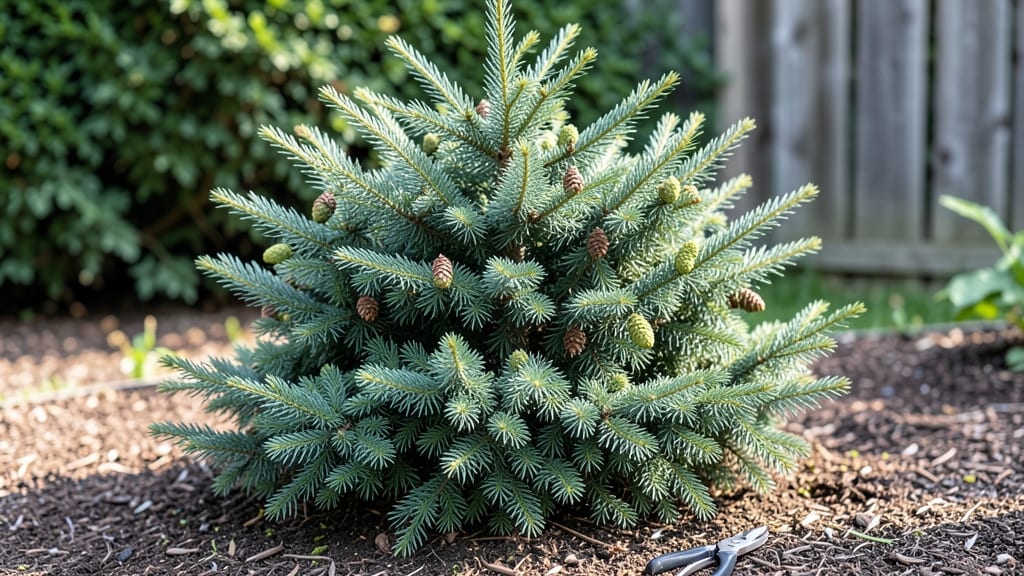
Juniper trees don’t just add rugged beauty to your landscape—they’re pollinator magnets when their tiny, frost-resistant flowers bloom. 🌿 I’ve watched bees and butterflies swarm my Pacific Northwest junipers in late winter, long before most gardens stir to life.
These cone-like flowers aren’t showy, but they’re vital for wildlife and surprisingly hardy.
The secret to encouraging more of these blooms lies in proper pruning and sunlight. Junipers thrive in full sun but tolerate partial shade, making them perfect for rocky slopes or windy sites.
Prune in late winter before new growth starts—just shape lightly to avoid stressing the tree. Overwatering is the real enemy; junipers prefer dry, well-drained soil.
By spring, you’ll see those tiny, fragrant flowers transform into berry-like cones that birds and insects adore. The trees stay green year-round, and their aromatic foliage repels deer while attracting pollinators. With minimal care, your juniper becomes a four-season workhorse for both beauty and biodiversity.
Works equally well as a specimen, hedge, or ground cover—just give it space to grow. Here’s how to coax the most blooms from your Pacific Northwest junipers without the fuss.
📚 In This Guide
- What you need
- Instructions
- Tips and common mistakes
- Wrapping up and next steps
What you need
- ● Juniper plants: Choose between: Seeds: 10–20 seeds (from a local or cold-hardy nursery; Juniperus communis or Juniperus scopulorum are great PNW picks).
- ● Saplings: 2–3 1-gallon nursery-grown plants (ensure they’re USDA Zone 4–7 hardy).
- ● Cuttings: 4–6 semi-hardwood cuttings (4–6" long, taken in late summer/fall).
- ● Soil: Well-draining sandy loam (mix 60% native soil + 40% coarse sand or perlite).
- ● pH 5.0–7.0 (juniper thrives in slightly acidic to neutral soil).
- ● Fertilizer: Slow-release 10-10-10 granular fertilizer (1 tbsp per plant at planting time).
- ● Mulch: 2–3" layer of pine bark or gravel (to retain moisture and deter weeds).
- ● Hand tools: Trowel or hand shovel
- ● Pruning shears (for cuttings)
- ● Garden gloves (to protect from sap and thorns!)
- ○ Optional but helpful: Rooting hormone (for cuttings)
- ● Drip irrigation kit (for consistent moisture)
- ● Soil moisture meter (to monitor dry conditions)
- ● Location: Full sun (6+ hours/day) in a wind-sheltered spot (PNW’s coastal winds can stress young plants!).
- ● Climate prep: Juniper is frost-resistant, but acclimate seedlings gradually if starting indoors (harden off over 2 weeks).
- ● Pollinator-friendly zone: Ensure no pesticides are used—juniper flowers attract bees, butterflies, and hummingbirds!
How to cultivate juniper flowers for Pacific Northwest gardens
Here's my battle-tested method for growing hardy juniper blooms that thrive in cold climates and attract pollinators.
🌱 Step 1: Select the Right Juniper Variety for Your Site
Not all junipers produce flowers equally—focus on Pacific Northwest native species like Juniperus communis 'Blue Rug' or Juniperus scopulorum for reliable blooms. These varieties handle 10-30°F temperatures without browning, which is critical for winter survival in the PNW's unpredictable climate. I always check for female cones on mature plants, as they're the ones that produce the fragrant, pollinator-loving flowers.
Look for established plants at 3-5 feet tall with dense branching—they'll flower more reliably than young specimens. If starting from seed, expect 5-7 years before you see flowers, so transplants are your best bet for quick results. Here's the thing—juniper flowers are dioecious, meaning you need both male and female plants for pollination. I keep a 1:1 ratio of males to females in my garden to ensure consistent blooming.
☀️ Step 2: Plant in Well-Draining Soil with Full Sun Exposure
Juniper flowers thrive in full sun (6+ hours daily) but tolerate partial shade if summers are scorching. In the PNW, I plant mine on south-facing slopes where they get morning sun and afternoon shade from nearby evergreens. The soil must be sandy or gravelly—juniper roots rot in heavy clay, and that's a death sentence for flower production.
Amend native soil with 20% perlite or coarse sand if it's dense, and mix in 1 inch of compost for nutrients. I dig a hole twice as wide as the root ball but only as deep as it was in the nursery pot. The top of the root ball should sit 1 inch above ground level to prevent crown rot during heavy winter rains. Water deeply right after planting to settle the soil, then let it dry out completely before watering again.
💧 Step 3: Water Deeply and Sparingly Through the First Year
Overwatering is the #1 killer of young juniper plants—and their flowers. After planting, water once every 10-14 days unless we have a heatwave over 90°F, then increase to weekly. You'll know it's time when the top 2 inches of soil feel dry. Juniper roots are deep and drought-tolerant once established, but young plants need consistent moisture to develop strong root systems.
I use drip irrigation set on a timer for 15 minutes twice weekly during the first growing season. Avoid wetting the foliage—juniper needles are prone to fungal diseases in damp conditions. Mulch with 2 inches of wood chips around the base (but not touching the trunk) to retain moisture and regulate soil temperature. This mulch layer also suppresses weeds, which compete for water and nutrients that juniper flowers need.
⏰ Step 4: Prune Strategically to Encourage Flowering
Pruning juniper isn't about shaping—it's about removing dead or crossing branches that block light and air flow. I prune in late winter or early spring before new growth begins, using clean, sharp pruners to make cuts just above a healthy bud. Never remove more than 25% of the plant's foliage in one season, or you'll shock it into producing fewer flowers.
Focus on thinning out the center of the plant to improve airflow, which reduces disease risk. Juniper flowers appear on new growth, so avoid heavy pruning in fall—you'll cut off next year's potential blooms. If your plant looks leggy, it's begging for more light. Move it to a sunnier spot or thin nearby trees that might be shading it. Here's the moment that matters: wait until flowers appear in spring before doing any major pruning.
🌿 Step 5: Support Pollinators and Maintain Long-Term Health
Juniper flowers are a late-winter to early-spring pollinator magnet, but they need help thriving. Plant companion species like Pacific dogwood or Oregon grape nearby to create a pollinator-friendly ecosystem. I also avoid pesticides—juniper flowers attract bees, butterflies, and hummingbirds, and chemicals will drive them away.
Fertilize lightly in early spring with a balanced 10-10-10 formula (use ½ teaspoon per foot of plant height). Juniper flowers don't need much—too much fertilizer leads to leafy growth at the expense of blooms. Monitor for spider mites (common in dry summers) by checking the undersides of needles. A strong spray of water usually clears them up without chemicals. In the PNW's wet winters, watch for root rot—if the soil stays soggy for weeks, raise the plant slightly or improve drainage.
Tips & tricks for cultivating hardy juniper blooms
These battle-tested strategies will help you maximize flower production in your Pacific Northwest juniper plants.
Variety Selection: When choosing between Juniperus communis 'Blue Rug' and Juniperus scopulorum, consider your site's microclimate. 'Blue Rug' thrives in cooler, moister areas while scopulorum handles drier, more exposed conditions. I've found that female plants produce the most fragrant flowers, so prioritize these when selecting transplants. The 1:1 male-to-female ratio is non-negotiable for successful pollination—without it, you'll get no flowers at all.
Soil Preparation: The 20% perlite amendment in Step 2 is crucial for preventing root rot, especially in PNW's heavy winter rains. Test your soil's drainage by filling a jar with soil and water—if water drains in less than 30 seconds, your soil is adequate. For clay-heavy soils, mix in additional coarse sand to improve aeration. The 1-inch compost layer provides just enough nutrients without overwhelming the plant, which could lead to excessive foliage growth at the expense of flowers.
Watering Strategy: The 15-minute drip irrigation sessions in Step 3 should be timed for early morning to prevent fungal issues. Use a moisture meter to verify the top 2 inches of soil are dry before watering—this prevents overwatering while ensuring young roots establish properly. In hot summers, I increase to 20-minute sessions when temperatures exceed 90°F, but always avoid wetting the foliage. The 2-inch wood chip mulch acts as a moisture regulator, keeping roots consistently hydrated without creating soggy conditions.
Pruning Timing: The late winter/early spring pruning window in Step 4 is critical because juniper flowers develop on new growth. I mark my calendar for February 15th each year to ensure I prune before buds swell. When thinning the center, aim to create a "cup" shape that funnels sunlight to the interior branches—this encourages flowering throughout the plant's canopy. Never prune more than 25% in one season, or you risk stunting next year's bloom production entirely.
Pro Tips for Juniper Tree Flowers
- These battle-tested strategies will help you maximize flower production in your Pacific Northwest juniper plants.
- Variety Selection: When choosing between Juniperus communis 'Blue Rug' and Juniperus scopulorum, consider your site's microclimate.
- Soil Preparation: The 20% perlite amendment in Step 2 is crucial for preventing root rot, especially in PNW's heavy winter rains.
Frequently asked questions
Got questions about growing juniper tree flowers in the Pacific Northwest? You’re not alone! Here are answers to the most common queries—from timing to troubleshooting—to help you cultivate these frost-resistant blooms with confidence.
When do juniper tree flowers bloom in the PNW?
Juniper flowers typically bloom in late winter to early spring (February–April), with male cones producing pollen and female cones developing berries later in the year. Timing varies by species—e.g., Juniperus scopulorum blooms earlier than Juniperus communis. Cold-hardy varieties thrive in PNW’s chilly springs!
Are juniper flowers frost-resistant?
Yes! Junipers are highly frost-tolerant, with most varieties surviving down to -20°F (-29°C). Their scaly foliage and dense growth protect flowers from late frosts. For extra safety, plant in well-draining soil and avoid overhead watering before temperatures drop.
Do juniper tree flowers attract pollinators?
While juniper flowers aren’t showy, they’re critical for pollinators, especially bees and butterflies. Male flowers release pollen, and female cones provide nectar-rich blooms early in the season. Plant junipers near native perennials to create a pollinator-friendly ecosystem.
What if my juniper isn’t flowering?
Juniper flowers can be slow to appear, especially in young trees (<5 years). Check these fixes:
Yes! Dwarf junipers like Juniperus horizontalis ‘Blue Rug’ thrive in 10–15 gallon pots with fast-draining mix (60% soil, 30% perlite, 10% sand). Move containers to protected spots in winter if temps drop below -10°F (-23°C). Just know: container junipers may flower less than in-ground plants.
Can I grow juniper flowers in containers?