
Trees
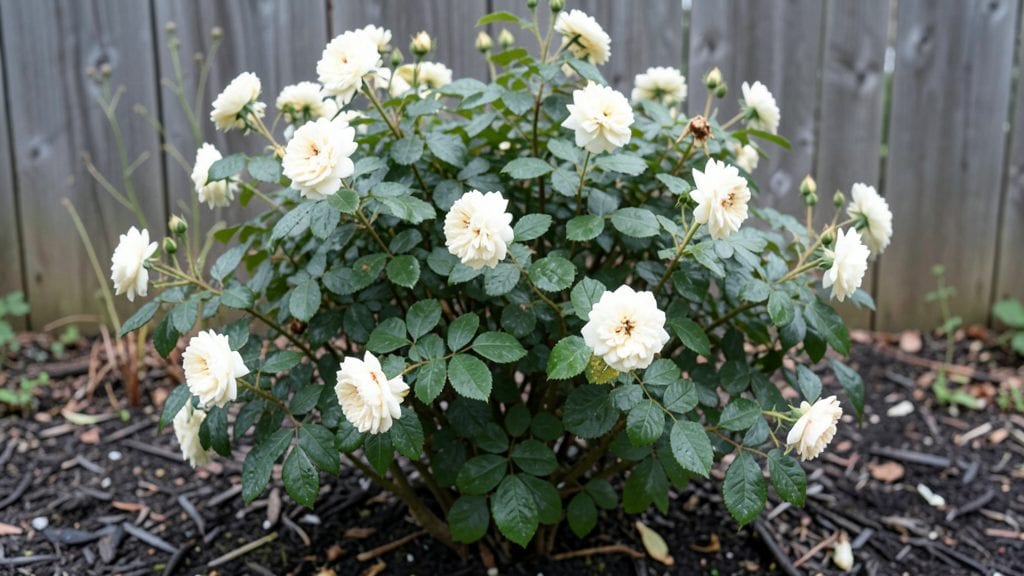
Nothing beats the Pacific Northwest's year-round color when you grow knockout rose trees—those relentless bloomers that refuse to quit, even when your neighbors' roses have thrown in the towel. 🌿 I planted mine last spring, and by summer, they were covered in blossoms that lasted straight through the first frost.
The secret isn’t just their hardiness; it’s how they thrive with almost no fuss, especially when you match them to our damp, mild climate.
These roses demand just three things: full sun (at least six hours daily), well-draining soil (amend with compost if yours is heavy clay), and space—give them 4 to 6 feet between plants so they don’t crowd. Water deeply once a week after establishing, and fertilize lightly in early spring.
Prune only to shape in late winter, and you’re done. No deadheading, no fuss, just nonstop blooms from spring to fall—and sometimes even winter, if we’re lucky.
What you’ll end up with is a vibrant, low-maintenance centerpiece that hums with pollinators and turns heads year after year. The flowers stay fresh longer, the foliage stays disease-resistant, and the roses grow into sturdy shrubs that outlast most other plants.
Plus, they’re deer-resistant, which is a bonus if you’ve got hungry critters in your yard. Here’s how to get them thriving in your PNW garden.
Works equally well in landscapes, large containers, or as a living privacy screen. The key is adapting their care to our region’s unique weather—think winter protection for young plants and extra mulch to keep roots cozy. Let’s get those roses growing!
📚 In This Guide
- What you need
- Instructions
- Tips and common mistakes
- Wrapping up and next steps
What you need
- ● Knockout Rose Trees: 1–3 bare-root or container-grown plants (choose disease-resistant varieties like ‘Radrazz’ or ‘Double Knock Out’ for PNW climates).
- ● High-Quality Soil: 50 lbs of well-draining potting mix or native soil amended with compost (avoid clay-heavy soil).
- ● Fertilizer: Balanced 10-10-10 fertilizer (1 lb per plant) or
- ● Slow-release rose-specific granules (follow package rates).
- ● Mulch: 2–3 inches of organic mulch (pine bark or shredded leaves) to retain moisture and regulate soil temp.
- ● Watering Can or Hose: With a gentle spray nozzle (1–2 gallons per plant during dry spells).
- ● Garden Gloves: Heavy-duty, cut-resistant (thorns are sharp!).
- ● Hand Pruners: Bypass pruners (sharp, clean, and sanitized with rubbing alcohol).
- ● Shovel or Trowel: For digging holes 2x wider than the root ball.
- ○ Stakes & Twine: (Optional) 3–4 ft wooden stakes and soft twine to support young plants in windy PNW areas.
- ● Sunlight Check: Confirm your planting spot gets 6+ hours of direct sun (even in the PNW’s partial shade).
- ● Weather Prep: Plant on a cool, overcast day (avoid heatwaves or frost).
- ● 🌡️ Soil Test: PNW soil can be acidic—test pH and amend with lime if needed (ideal pH: 6.0–6.5).
- ● ✨ Disease Defense: Add copper fungicide to your toolkit (black spot is common in damp climates).
- ○ 🎯 Watering Hack: Use a drip irrigation system (optional but lifesaving during PNW’s unpredictable rain/drought cycles).
Step-by-Step guide to planting Knockout roses for Pacific Northwest beauty
Here’s how I plant these hardy roses to thrive year-round with minimal fuss.
🌱 Step 1: Choose the Perfect Planting Spot
Knockout roses need at least 6 hours of sunlight daily—more if possible. In the Pacific Northwest, partial shade in summer afternoons helps prevent heat stress. I always test the spot by watching how much sun it gets from mid-morning to early afternoon. Avoid low-lying areas where cold air pools, as these roses are sensitive to late frosts.
Loosen the soil to a depth of 12 inches before planting. Amend heavy clay soil with 2-3 inches of compost—this improves drainage and root development. Knockouts hate soggy roots, so if your soil drains poorly, consider planting in a raised bed or mound. The goal is well-draining, fertile soil that holds moisture but doesn’t stay waterlogged.
🪴 Step 2: Dig and Position the Roots
Dig a hole twice as wide as the root ball but no deeper—Knockout roses dislike being planted too deep. Gently remove the plant from its container and tease the roots outward if they’re circling. This encourages them to spread into the surrounding soil. I always check for any damaged or broken roots and trim them with clean pruners.
Place the rose in the hole so the graft union (the swollen bump near the base) sits 2-3 inches above soil level. This prevents soil from covering the graft, which can cause the plant to revert to wild, less desirable growth. Fill the hole halfway with soil, then water deeply to settle everything. Once the water drains, finish filling the hole and firm the soil gently around the base.
☀️ Step 3: Water and Mulch for Long-Term Health
Water the newly planted rose deeply right after planting—this helps eliminate air pockets in the soil and encourages root contact. Over the next 2 weeks, water every 2-3 days until the soil is 2-3 inches deep moist. Knockouts are drought-tolerant once established, but young plants need consistent moisture to root well.
Spread 2-3 inches of mulch over the soil surface, keeping it 6 inches away from the trunk to prevent rot. I use shredded bark or wood chips because they break down slowly and improve soil structure over time. Mulch helps retain moisture, regulate soil temperature, and suppress weeds—all critical for Pacific Northwest growing conditions.
✂️ Step 4: Prune for Shape and Encourage Blooms
Prune Knockouts immediately after planting to remove any damaged or crossing branches. Cut just above an outward-facing bud to encourage an open, airy shape. I like to shape them like a vase—wider at the base and narrower at the top—to maximize airflow and sunlight penetration. Avoid heavy pruning in the first year; just trim to open the center and remove dead wood.
Here’s the thing—Knockouts bloom continuously, so no deadheading is needed. Instead, focus on light pruning in early spring to remove any winter-damaged wood and shape the plant. A quick cleanup in late summer helps promote fresh growth before fall. You’ll see new blooms within 4-6 weeks of planting if everything’s right.
Tips & tricks for perfect Knockout rose trees
These simple tricks will help your Pacific Northwest roses thrive with minimal effort—and no deadheading fuss.
Sunlight Secret: In Step 1, when testing your spot, remember that morning sun is more intense than afternoon light in the PNW. If you're unsure, use a sun calculator app to track sunlight hours accurately. I've seen roses struggle when planted in spots that get only 5 hours of sun—stick to that 6-hour minimum for best results.
Root Care: During Step 2, if you notice any mushy or blackened roots when teasing them apart, trim those immediately with sterilized pruners. Healthy roots should be firm and white or light tan. This step prevents future rot problems that can kill your rose before it even establishes itself.
Watering Wisdom: For Step 3, that deep watering right after planting isn't just about eliminating air pockets—it's also testing your soil's drainage. If water pools for more than 15 minutes, you'll know you need to amend the soil further or consider a raised bed. The goal is for water to soak in but not linger.
Pruning Pro Tip: When pruning in Step 4, look for buds that face outward—they'll encourage bushier growth. I like to make my cuts at a 45-degree angle about 1/4 inch above the bud. This simple technique keeps your rose looking full and healthy without the need for constant deadheading.
Pro Tips for Knockout Rose Trees
- These simple tricks will help your Pacific Northwest roses thrive with minimal effort—and no deadheading fuss.
- Sunlight Secret: In Step 1, when testing your spot, remember that morning sun is more intense than afternoon light in the PNW.
- Root Care: During Step 2, if you notice any mushy or blackened roots when teasing them apart, trim those immediately with sterilized pruners.
Frequently asked questions
Got questions about Knockout roses?
You’re not alone! These stunning, low-maintenance trees are a favorite in the Pacific Northwest—but like any star, they come with a few common curiosities. Here’s what you need to know before planting your own.
Do Knockout roses really require zero deadheading?
Almost! While they’re far more forgiving than traditional roses, occasional pruning (especially after blooms fade) keeps them bushier and healthier. Think of it as a light maintenance touch—not a chore. Their repeat-blooming nature means you’ll still enjoy flowers year-round with minimal effort!
How long does it take for a Knockout rose to mature and bloom?
Patience pays off! Young trees may take 1–2 years to establish roots before bursting into color. Once mature (usually 3–5 years), they’ll reward you with nonstop blooms from spring through fall—and even a few winter surprises in milder PNW climates.
Are Knockout roses cold-hardy enough for the Pacific Northwest?
Bred to thrive in USDA Zones 5–9, these roses handle the PNW’s wet winters and cool summers like a champ. Just plant in well-draining soil and avoid soggy spots to prevent root rot. Bonus: Their disease-resistant genes mean fewer fungal worries than traditional roses!
Can I grow Knockout roses in containers or small spaces?
Yes! While they’re often planted as shrubs, Knockout roses adapt well to large containers (15+ gallons) for patios or balconies. Use a high-quality potting mix and ensure the pot has drainage holes. Just know they’ll need regular watering (containers dry out faster) and occasional fertilizer to match their in-ground counterparts.
What pests or diseases should I watch for, even with their resistance?
Knockout roses are tough, but aphids, spider mites, and black spot fungus can still show up. Keep an eye out for yellowing leaves or sticky residue (sap). Treat early with neem oil or insecticidal soap. Prune for airflow to deter fungal issues—healthy circulation = happy roses!
Are there Knockout rose alternatives for different colors or sizes?
If you love the vibrancy but want variety, try:
- ‘Dr. Huey’ – Deep red blooms, compact size (great for small yards).
- ‘Double Knock Out’ – Larger, fuller flowers in pink or red.
- ‘Falling in Red’ – Weeping habit, perfect for vertical interest.
- ‘Blaze’ – Bright yellow, heat-tolerant (ideal for urban areas).
Wrapping up and next steps
Knockout rose trees are the ultimate low-maintenance superstars for Pacific Northwest gardens, delivering vibrant blooms from spring to frost without the fuss of deadheading. Their disease resistance and hardy nature make them perfect for busy gardeners or beginners eager to add color with minimal effort.
Whether you’re planting for curb appeal, pollinators, or sheer joy, these roses prove that beauty and ease go hand in hand!
Ready to transform your space? Start by choosing your spot—sunny, sheltered, and well-drained—and dig in! With the right care (and a little love), your Knockout roses will reward you with years of effortless, show-stopping blooms. 🌸✨