
Landscaping
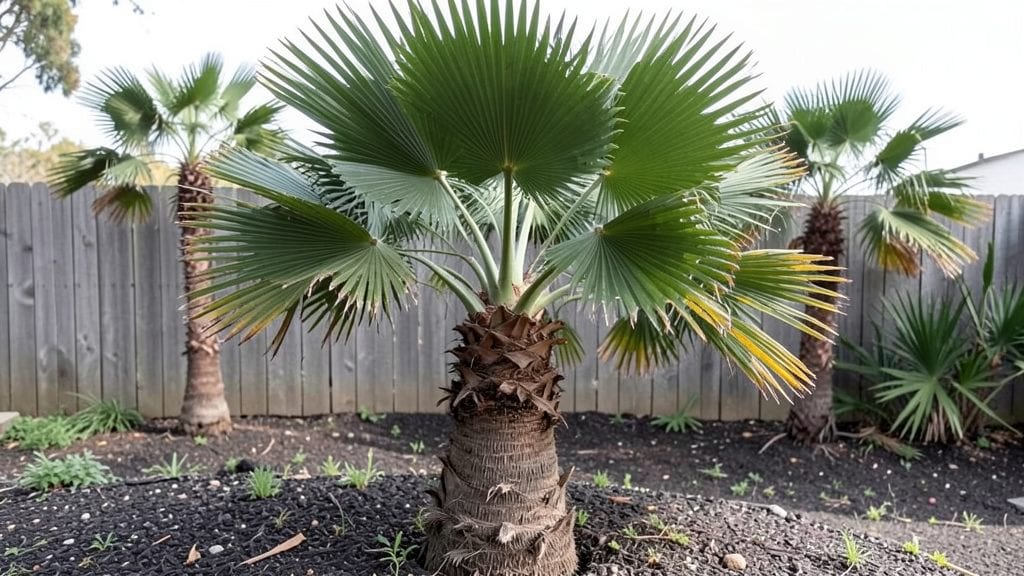
A tropical oasis in your backyard starts with the right palm trees. 🌴 I’ve designed backyard landscapes where palm trees don’t just survive—they become the centerpiece, framing patios, softening driveways, and bringing that vacation vibe home.
The key isn’t just picking any palm; it’s matching the variety to your climate, soil, and the look you want.
Start with your hardiness zone—palms like Mexican fan palms thrive in zones 8-11, while windmill palms handle zones 7-10. Pair them with drought-tolerant plants like bougainvillea or succulents to create a low-maintenance paradise.
Spacing matters too: give taller palms like Canary Island date palms at least 15 feet of space to avoid root competition.
What you’ll end up with is a landscape that feels like a retreat, not just a yard. Imagine sipping coffee under a 15-foot queen palm, its fronds rustling in the breeze, while the scent of jasmine and citrus blossoms fills the air.
The best part? This look works in coastal areas, deserts, or even urban courtyards with the right choices.
Between you and me, the secret is layering: start with a focal palm, add mid-height plants like yuccas, and fill gaps with ground covers. It’s not about perfection—it’s about creating a space that feels like yours. Let’s get your tropical vision planted right.
📚 In This Guide
- What you need
- Instructions
- Tips and common mistakes
- Wrapping up and next steps
What you need
- ● Palm Trees: 1–3 mature palm trees (species like Areca, Kentia, or Canary Island Date Palm for year-round appeal; size depends on space—10–20 ft tall for medium yards).
- ○ Optional: Smaller dwarf palms (e.g., Pygmy Date Palm) for containers or tight spaces.
- ● Soil & Amendments: Well-draining sandy loam soil (mix with compost or peat moss for nutrient-rich base).
- ● 5–10 lbs of slow-release fertilizer (high in nitrogen for foliage growth).
- ● Mulch (3–4 inches of pine bark or cypress mulch to retain moisture).
- ● Planting Supplies: 1 shovel (for digging holes 2–3x wider than the root ball).
- ● 1 wheelbarrow (for mixing soil).
- ● 1 hose with soaker nozzle (for deep watering).
- ● Stakes & ties (if planting in windy areas).
- ● Decorative Elements: Tropical plants (e.g., Bird of Paradise, Bromeliads) for layered texture.
- ● Solar-powered path lights or tiki torches for ambiance.
- ● Container Gardening: Large fiberglass or ceramic pots (minimum 18–24 inches deep with drainage holes).
- ● Coconut coir or palm-specific potting mix.
- ● Safety Gear: Gloves (to protect from thorns on some palm species).
- ● Knee pads (for comfort during planting).
Step-by-step guide for creating a palm tree landscape
Here's how to craft a stunning tropical retreat that thrives year-round.
🌱 Step 1: Choose the Right Palm Species for Your Climate
Not all palms love the same conditions. For cooler climates, go with cold-hardy varieties like the Windmill Palm or Needle Palm, which handle temperatures down to 20°F. Warmer zones can support tropical giants like the Canary Island Date Palm or Mexican Fan Palm. Check your hardiness zone—this determines which palms will thrive long-term.
I always research the mature height of each species. A 30-foot Royal Palm might look perfect now, but it could tower over your home in 10 years. Dwarf varieties like the Pygmy Date Palm stay under 10 feet, making them ideal for smaller spaces. Plant them where they won’t outgrow their welcome.
☀️ Step 2: Select the Perfect Planting Locations
Palms need full sun—at least 6 hours daily—to grow strong and produce those signature fronds. South-facing spots are ideal, but watch for afternoon shade in hot climates. If your yard has afternoon shade, choose shade-tolerant species like the Chinese Fan Palm or Lady Palm.
Space matters too. Give each palm 10-15 feet of clearance from structures and other plants. Roots spread wide, and mature palms need room to sway in the breeze without crowding. I like to sketch a rough layout first—palms look best when grouped in odd-numbered clusters (3, 5, or 7) for a natural feel.
🪴 Step 3: Plant with Proper Soil and Drainage
Palms hate soggy roots, so amend heavy clay soil with 2-3 inches of sand or gritty compost to improve drainage. A well-draining potting mix works well for container palms. If planting in the ground, dig a hole twice as wide as the root ball but only as deep—planting too deep can suffocate the roots.
Loosen the root ball slightly before placing it in the hole. This encourages roots to spread outward instead of circling. Backfill with native soil mixed with a slow-release palm fertilizer (look for one with micronutrients like magnesium and iron). Water deeply right after planting to settle the soil and remove air pockets.
💧 Step 4: Water and Mulch for Long-Term Health
Newly planted palms need deep watering 2-3 times per week for the first month. After that, water when the top 2 inches of soil feel dry. Overwatering is the #1 killer—palms in containers dry out faster than those in the ground, so check soil moisture regularly.
Spread 2-3 inches of mulch (like pine bark or wood chips) around the base, keeping it 6 inches away from the trunk to prevent rot. Mulch locks in moisture and regulates soil temperature. Avoid organic mulches that pile up against the trunk—this creates a damp, disease-prone environment.
✂️ Step 5: Prune and Maintain for Year-Round Beauty
Remove dead or yellowing fronds at the base with clean, sharp pruners. Never cut healthy fronds—each one feeds the palm. If fronds turn brown but stay upright, leave them until they fall naturally. This protects the trunk from sunburn and pests.
Fertilize palms every 2-3 months during growing season (spring through fall) with a palm-specific fertilizer. Look for one with a balanced NPK ratio (8-2-12 or similar) and micronutrients. In winter, reduce watering and fertilizing—palms grow slowly when temperatures drop below 60°F.
Tips & tricks for perfect palm tree landscaping
Creating a tropical oasis with palms takes thoughtful planning—here's how to make it thrive for years.
Climate Matching: Always check your USDA hardiness zone before selecting palms. The 20°F cold tolerance mentioned for varieties like Windmill Palms is their absolute minimum—if your winters dip lower, choose even hardier species like the Needle Palm. I've seen 30-foot Royal Palms survive winters down to 15°F when planted in sheltered microclimates, but they'll need winter wraps for protection.
Sunlight Strategy: That 6 hours of daily sun requirement is non-negotiable for most palms, but here's the trick: in hot climates, afternoon shade actually helps prevent leaf scorch. Position palms where they get morning sun and afternoon shade—this works beautifully near west-facing walls or under large shade trees. For shade-tolerant varieties like Chinese Fan Palms, you can push this to 4 hours of direct light.
Root Health Secret: When amending soil with 2-3 inches of sand, mix it thoroughly with native soil—don't just layer it on top. The goal is to create a well-draining medium throughout the root zone. I've seen palms planted in pure sand struggle because the roots can't access nutrients from deeper soil layers. For container palms, use a mix that's 60% well-draining potting soil and 40% perlite or pumice for optimal results.
Winter Care: The 60°F threshold isn't just about growth—it's when palms become vulnerable to cold damage. If your winter lows approach this, take these precautions: wrap young palms with burlap, avoid fertilizing, and reduce watering to once every 2 weeks. Mature palms can handle brief dips below 60°F if they're acclimated, but sudden temperature swings are more dangerous than steady cold.
Pro Tips for Landscape With Palm Trees
- Creating a tropical oasis with palms takes thoughtful planning—here's how to make it thrive for years.
- Climate Matching: Always check your USDA hardiness zone before selecting palms.
- Sunlight Strategy: That 6 hours of daily sun requirement is non-negotiable for most palms, but here's the trick: in hot climates, afternoon shade actually helps prevent leaf scorch.
Frequently asked questions
Got questions about creating your own tropical paradise with palm trees? Here are some of the most common ones—and their answers!
What’s the best climate for growing palm trees?
Palm trees thrive in USDA Hardiness Zones 8-11, where winters rarely dip below 10°F (-12°C). Cold-hardy varieties like Windmill Palm or Needle Palm can survive in Zone 7 with protection. If you’re in a colder zone, opt for container-grown palms or use frost blankets in winter.
How much does it cost to landscape with palm trees?
Costs vary widely! A single small palm tree (3-5 ft) costs $50–$150, while mature specimens (15+ ft) can run $200–$1,000+. Installation adds $100–$500 per tree for digging, staking, and mulching. DIYers save money, but hiring pros ensures proper planting for long-term health. Pro tip: Buy in bulk or during sales (fall/winter) for discounts!
Can I grow palm trees in containers?
Dwarf palms (like Pygmy Date Palm) or container-friendly species (e.g., Parlor Palm) thrive in pots. Use a well-draining mix (cactus/succulent soil + perlite) and a container 12–18 inches wider than the root ball. Move pots indoors or to a garage in winter if temps drop below 40°F (4°C). Watering tip: Let soil dry slightly between waterings to avoid root rot.
What pests or diseases should I watch for?
Palms are tough but can fall prey to spider mites, palm weevils, or fungal diseases like bud rot. Prevent pests with neem oil sprays and keep trees pruned to improve airflow. Yellowing fronds? Check for overwatering or nutrient deficiencies (fertilize with palm-specific food in spring/summer). Act fast: Isolate infected trees and treat with fungicides if needed.
Are there palm tree alternatives for non-tropical climates?
If palms aren’t an option, try ornamental grasses (e.g., Muhly Grass), yuccas, or cycads for a tropical vibe. For shade and texture, Bamboo Palms (not true palms) or Kentia Palms (indoor/outdoor) work well in milder zones. Pro tip: Pair with lush foliage plants like Bird of Paradise or Monstera for a lush, palm-like aesthetic!
Wrapping up and next steps
Transforming your outdoor space into a tropical oasis with palm trees isn’t just about aesthetics—it’s about creating a serene, year-round retreat that lifts your spirits and boosts curb appeal. 🌴 From selecting the right species to mastering maintenance, every step brings you closer to that dreamy, sun-drenched landscape.
Whether you’re a beginner or a seasoned gardener, the key is to start small, stay consistent, and let nature do the rest.
Ready to take the plunge? Pick your favorite palm variety, gather your tools, and begin planting—your future self (and your backyard) will thank you! For extra inspiration, browse local nurseries or join a gardening community to share your progress. Here’s to your new tropical paradise!