
Trees
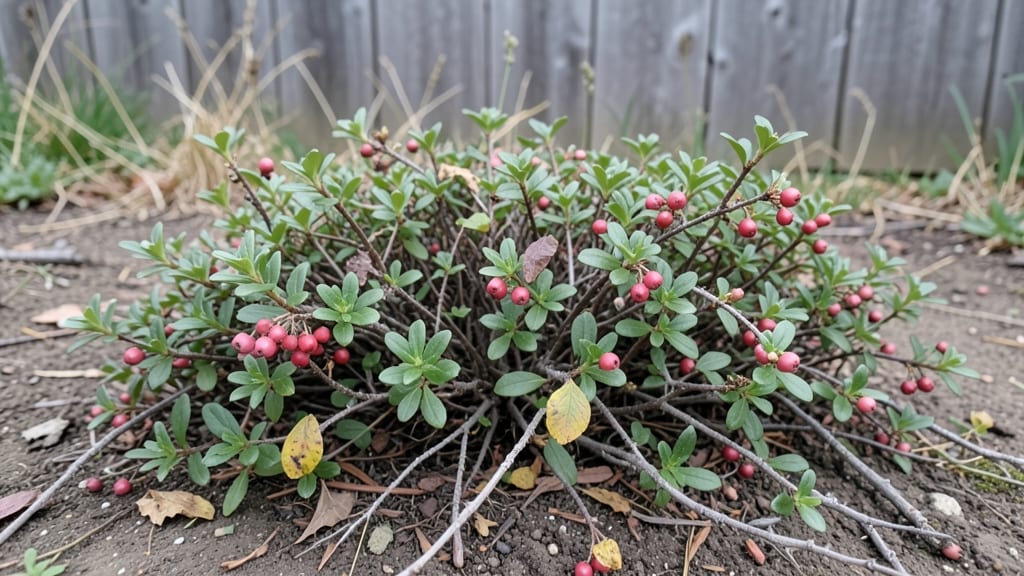
Red-leaved small trees turn your Pacific Northwest garden into a living painting—vibrant even when roses sleep. 🌿 I’ve watched my Japanese maple’s crimson leaves glow against misty mornings, stealing attention from every other plant in the yard.
These trees aren’t just pretty; they’re the backbone of a garden that stays stunning from spring’s first blush to winter’s quiet beauty.
The magic lies in their size—6 to 12 feet tall—perfect for framing doorways, anchoring borders, or starring in containers on patios. Dwarf oaks and flowering cherries add texture and seasonal drama: coppery new growth in spring, fiery reds in fall, and sometimes even winter interest.
Pair them with evergreens for contrast or perennials that echo their color palette, like burgundy heucheras or deep purple asters.
Imagine stepping outside to find your front yard glowing in sunset hues all year. These trees thrive in the PNW’s mild winters and damp summers, asking only for well-drained soil and a spot where their leaves can catch the light.
Whether you’re designing a cottage garden or a modern minimalist space, they bring effortless elegance—no pruning skills required.
Start small: a single Japanese maple as a centerpiece or a trio of dwarf oaks lining a walkway. The possibilities multiply when you mix textures—needle-like leaves against broad maple foliage, or delicate cherry blossoms spilling over a trellis.
Your garden will become the talk of the neighborhood, one bold leaf at a time.
📚 In This Guide
- What you need
- Instructions
- Tips and common mistakes
- Wrapping up and next steps
What you need
- ● Red-leaved small trees (3–6 ft tall): Varieties like Cornus sericea ‘Kelseyi’, Betula nigra ‘Heritage’, or Prunus serotina ‘Emerald Cascade’ (3–5 plants, depending on spacing).
- ● High-quality potting soil: 2–3 bags (50 lbs each) of well-draining, organic blend (e.g., Miracle-Gro or FoxFarm).
- ● Organic mulch: 1–2 bags (4–6 cu. ft.) of cedar or pine bark chips to retain moisture.
- ● Slow-release fertilizer: 1 lb of 10-10-10 or organic options like fish emulsion.
- ● Drip irrigation system or soaker hoses: 50–100 ft (adjust based on garden size).
- ● Hand trowel & garden fork: For digging and aerating soil.
- ● Pruning shears & loppers: Sharp, bypass-style tools for clean cuts.
- ● Measuring tape & stakes: To mark planting spots (3–5 ft apart for small trees).
- ● Garden gloves: Heavy-duty, water-resistant pair.
- ● Wheelbarrow or bucket: For hauling soil/mulch.
- ● Erosion control fabric: For slopes or high-traffic areas.
- ● Tree guards: 4–6 plastic spiral guards to protect young trunks.
- ● Soil pH test kit: To ensure optimal acidity (6.0–7.0 for most red-leaved trees).
- ● Decorative rocks or gravel: For a polished, Northwest-inspired look.
How to select and plant striking red-leaved small trees
Here’s how I choose and establish these vibrant, low-maintenance trees for PNW landscapes.
🌱 Step 1: Choose the Right Varieties for Year-Round Color
Pacific Northwest’s mild winters and damp summers make certain red-leaved trees thrive. My top picks are dwarf Japanese maples (like Acer palmatum ‘Bloodgood’) for their fiery fall colors, red twig dogwood (Cornus sericea ‘Kelseyi’) for winter interest, and Portuguese laurel (Prunus lusitanica) for glossy evergreen foliage.
Look for 1-3 gallon container-grown plants at nurseries—they establish faster than bare-root stock. Avoid trees with yellowing leaves or brittle branches; those signs mean stress or disease. I always check the USDA hardiness zone tags—PNW’s zones 7-9 support most red-leaved varieties without winter burn.
☀️ Step 2: Pick the Perfect Spot for Sun and Shelter
Most red-leaved trees need 4-6 hours of morning sun to maintain deep colors, but afternoon shade protects leaves from scorching. In denser PNW forests, partial shade works for dogwoods and laurels. Avoid low spots where water pools—root rot will kill them quickly.
Test your site by observing how sunlight moves across the area in spring and summer. I mark the dripline (where branches extend) with stakes—this helps plan mulch placement later. For urban sites, I add windbreaks like evergreen shrubs to shield delicate maples from salt spray or highway winds.
🪴 Step 3: Plant with Proper Spacing and Soil Prep
Dig a hole twice as wide as the root ball but only as deep—planting too deep suffocates roots. Loosen the sides of the hole with a shovel to ease root spread. Amend native soil with 2-3 inches of compost mixed into the bottom, but avoid heavy amendments like peat moss unless your soil is sandy.
Place the tree so the top of the root ball sits 1 inch above ground level—this prevents settling and crown rot. Backfill with native soil, tamping lightly every 6 inches to remove air pockets. Water deeply until moisture reaches 12 inches down—you’ll see it seep into the hole.
💧 Step 4: Mulch and Water for Strong Establishment
Spread 3 inches of wood chips or shredded bark (from the 3 cubic feet you’ll need per tree) in a 3-foot-wide ring around the base, keeping mulch 6 inches away from the trunk. This protects roots from temperature swings and retains moisture. I always avoid plastic mulch—it traps heat and smothers roots.
Water 2-3 times per week for the first month, aiming for 1 gallon per week for small trees. Check soil moisture by pushing a finger 2 inches down—if it’s dry, water again. After establishment, most red-leaved trees tolerate drought once rooted, but young plants need consistent moisture.
✂️ Step 5: Prune for Shape and Health in Early Spring
Wait until new growth appears (late March–April in PNW) before pruning. Remove dead, crossing, or rubbing branches first—these compete for energy and cause wounds. Thin out 1/3 of the oldest stems to encourage new growth and improve airflow.
Never prune more than 25% of the canopy in one season. I use clean, sharp pruners (disinfected with rubbing alcohol) to make cuts just outside the branch collar. For maples, avoid heavy pruning in late summer—it triggers late-season growth that won’t harden off before winter.
Tips & tricks for perfect red-leaved small trees
These simple strategies will help your vibrant PNW trees thrive for years to come.
Variety Selection Insight: For the most dramatic color, choose Acer palmatum 'Bloodgood'—its deep red leaves turn fiery orange in fall. If you want winter interest, red twig dogwood's vibrant stems provide color even when leafless. I always verify the USDA hardiness zone tag matches your PNW location to prevent winter burn. The 1-3 gallon container size is ideal because these trees establish 30-50% faster than bare-root stock.
Sunlight Strategy: The 4-6 hours of morning sun is crucial for maintaining those rich red hues. I recommend marking your site with stakes at both sunrise and sunset to visualize the sunlight path. For urban areas, consider adding a temporary shade cloth during peak afternoon sun to prevent leaf scorch. Dogwoods and laurels can handle partial shade, but maples will fade without adequate morning light.
Planting Precision: When creating that hole twice as wide as the root ball, I use a garden hose to trace the circle first—this helps visualize the perfect size. The 1-inch elevation above ground level is critical; I always check this by placing the tree in the hole and verifying the top of the root ball sits just above soil level. For sandy soil, add the 2-3 inches of compost to improve moisture retention without altering drainage.
Mulching Mastery: The 3-foot-wide ring of wood chips creates an effective moisture barrier while keeping mulch 6 inches from the trunk prevents rot. I calculate the 3 cubic feet needed per tree by measuring the ring's circumference and depth. For urban sites, I double-check that mulch doesn't touch the trunk—this small gap prevents disease while still protecting roots from temperature swings.
Pro Tips for Red Leaved Small Trees
- These simple strategies will help your vibrant PNW trees thrive for years to come.
- Variety Selection Insight: For the most dramatic color, choose Acer palmatum 'Bloodgood'—its deep red leaves turn fiery orange in fall.
- Sunlight Strategy: The 4-6 hours of morning sun is crucial for maintaining those rich red hues.
Frequently asked questions
Got questions about adding vibrant red-leaved small trees to your Pacific Northwest landscape? Here are some of the most common ones—plus straightforward answers to help you get started!
Which red-leaved small trees thrive best in the Pacific Northwest’s climate?
The PNW’s mild, wet winters and sunny summers make Cornus sericea (Red Osier Dogwood), Prunus serrulata ‘Kwanzan’ (Flowering Cherry), and Cercis canadensis ‘Forest Pansy’ (Redbud) top picks. These varieties handle rain, wind, and cooler temps while keeping their bold foliage year-round. For shade tolerance, opt for Ilex verticillata ‘Red Sprite’ (Winterberry Holly).
How long does it take for red-leaved trees to show their best color?
Most small red-leaved trees display vibrant hues within 1–3 years of planting, but full color intensity often takes 3–5 years, especially in nutrient-rich soil. Pruning in late winter can encourage richer foliage faster. Pro tip: Plant in well-draining soil and mulch annually to speed up color development!
Can I grow red-leaved trees in containers, or do they need garden space?
Yes! Dwarf varieties like Cotinus coggygria ‘Royal Purple’ (Smokebush) or Betula nigra ‘Heritage’ (River Birch) thrive in 15–25 gallon containers with regular watering. Just ensure the pot has drainage holes and use a high-quality potting mix. For patios or balconies, choose less than 6 feet tall at maturity.
Why are my red-leaved tree’s leaves turning brown or dull?
Brown or dull leaves often signal overwatering, nutrient deficiency, or fungal issues. Check soil moisture—PNW trees prefer consistently moist but not soggy soil. Yellowing leaves? Test for iron or nitrogen deficiency and amend with compost or a balanced fertilizer. Fungal spots? Prune affected branches and apply neem oil as a preventative.
Are there non-deciduous red-leaved small trees for year-round color?
Evergreen options like Pittosporum ‘Red Angel’ or Photinia ‘Red Robin’ retain their deep red/purple leaves all year. These thrive in partial shade and add texture to gardens. Just note: Evergreens may need winter protection in frost-prone PNW microclimates (e.g., mulching around the base).
Wrapping up and next steps
Red-leaved small trees are the Pacific Northwest’s secret weapon for year-round beauty—adding drama, texture, and seasonal flair to any garden. Whether you’re drawn to their fiery fall hues, evergreen charm, or low-maintenance appeal, these trees prove that stunning landscapes don’t require massive space.
Ready to transform your outdoor space? Start small—research a variety that suits your climate and sunlight, then plant with confidence!
🌿 Next steps:
- Visit a local nursery to see varieties in person.
- Sketch a simple planting plan for your yard.
- Share your vision with fellow gardening enthusiasts for inspiration!