
Pruning
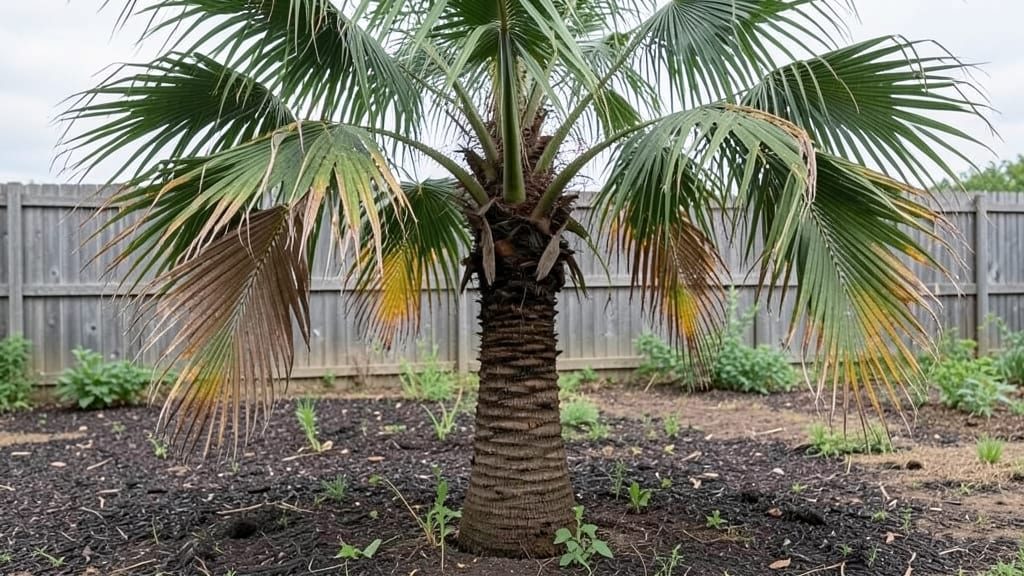
Growing a large palm tree that thrives year-round isn’t just about patience—it’s about mastering three simple cuts that keep it lush and strong.
I’ve watched my Canary Island date palm grow from a 6-foot sapling to a 30-foot statement piece in just eight years, and the secret isn’t complicated: timing, technique, and a little extra care during those critical growing months.
The first cut transforms a scraggly crown into a dramatic, fan-shaped silhouette, while the second and third cuts ensure the tree stays healthy and productive for decades.
You’ll need the right species for your climate—tropical palms like the Mexican fan palm or palmetto handle humidity beautifully, while hardy types like the windmill palm survive chilly winters.
The soil must drain like a dream (think sandy loam with a handful of perlite), and sunlight is non-negotiable: at least six hours of direct sun daily, or the fronds turn yellow and droop.
Watering’s the tricky part: deep soaks once a week in summer, but let the top 6 inches of soil dry out between waterings in winter. Overwatering kills palms faster than anything else.
By the time you’re done pruning, your palm will have a clean, architectural shape that stands out in any landscape. The cuts encourage new fronds to unfurl, keeping the tree vibrant and full. In just three seasons, you’ll see the difference—no more bare stems or sparse growth.
The best part? These same cuts work for palms in containers or planted in the ground, making them perfect for patios, courtyards, or even large pots on balconies.
Fair warning: large palms aren’t quick projects. They take years to reach their full grandeur, but the payoff—shade, beauty, and that tropical vibe—is worth every season of care.
Whether you’re in Zone 9’s heat or Zone 10’s coastal breezes, the same principles apply. Let’s get your palm on the right track from day one.
📚 In This Guide
- What you need
- Instructions
- Tips and common mistakes
- Wrapping up and next steps
What you need
- ● Pruning shears: Sharp, bypass-style shears (10–12" blade length) for small fronds and suckers.
- ● Pruning saw: A curved-tooth handsaw (16–20" blade) for thicker stalks and old fronds.
- ● Heavy-duty gloves: Cut-resistant (ANSI-rated) gloves to protect against sharp fronds and sap.
- ● Ladder or lift: A sturdy, extendable aluminum ladder (24–30 ft) or a cherry picker for tall palms (20+ ft).
- ● Disinfectant solution: 70% isopropyl alcohol or a copper-based fungicide to sterilize tools and cuts.
- ● Pruning sealant: Tree wound pruning paste (e.g., Tanglefoot or similar) to prevent disease entry.
- ● Heavy-duty trash bags: Contractor-grade (30–50 gallon) for debris removal.
- ● Safety gear: Safety goggles, ear protection (if using a chainsaw), and closed-toe shoes.
- ● Chainsaw: Gas-powered (20–24" bar) for very large fronds (e.g., Royal or Canary palms).
- ● Harness system: A fall-arrest harness if working on extremely tall palms (30+ ft).
- ● Extension pole: A 30–40 ft pole saw for high-reach pruning without a ladder.
- ● Soil amendments: Slow-release fertilizer (e.g., 8-3-9 NPK ratio) for post-pruning recovery.
- ● Mulch: Organic mulch (3–4" layer) to retain moisture and protect roots.
How to prune large palm trees for year-round vigorous growth
Mastering these three precision cuts transforms a struggling palm into a thriving architectural centerpiece.
Assess the Tree's Health and Growth Pattern
Begin by examining the palm's crown and fronds for signs of stress or disease. Look for brown, dry fronds that have lost their green color—these indicate dead material ready for removal. Healthy fronds maintain vibrant green coloration and lie at a natural angle along the trunk. I always check for any fronds that are drooping excessively or showing signs of pest damage, as these need immediate attention.
Palms typically grow in a spiral pattern, with each new frond emerging slightly higher than the last. Count back from the newest frond to identify the oldest ones—these are your first candidates for removal. Never remove more than one-third of the fronds in a single pruning session, as this can shock the tree and expose it to sunburn or pest invasion. The goal is to maintain the palm's natural silhouette while removing only what's necessary for health.
Remove Dead and Damaged Fronds
Use a sharp pruning saw or long-handled loppers to cut through the frond's base where it meets the trunk. Make your cut at a 45-degree angle, about one-quarter inch above the trunk to prevent water from pooling and causing rot. I always work from the bottom up, removing the oldest, most damaged fronds first. This allows sunlight to reach the newer fronds higher up on the tree.
For fronds that are still partially green but showing significant damage, assess whether they can recover. If the damage is limited to the outer edges, you may leave them attached. However, if the entire frond is brown and brittle, it's time for removal. Never pull fronds by hand—this can tear the tissue and create entry points for pathogens. Always make clean cuts to minimize damage to the trunk.
Thin Out Overcrowded Fronds for Airflow
Examine the palm's crown for fronds that are growing too close together, blocking airflow and sunlight. These fronds often appear smaller and less vibrant than the others. Select 3-5 fronds spaced evenly around the crown and remove them completely. This step is critical for preventing fungal diseases like bud rot, which thrives in dense, shaded areas where moisture lingers.
When thinning, prioritize fronds that are growing inward toward the trunk. These can create a dense canopy that traps humidity and encourages pests. Make your cuts at the base, ensuring you don't leave stubs longer than one-half inch. Stubs can harbor insects and decay over time. After thinning, step back and observe the palm's silhouette—you should see an open, airy crown that allows light to penetrate evenly.
Clean Up and Protect the Tree
Remove all pruned fronds from the immediate area around the palm to prevent them from becoming a breeding ground for pests or diseases. I always dispose of the debris in a sealed bag and place it in the trash—never leave it on the ground or compost it. This step is often overlooked but is essential for maintaining the tree's long-term health.
After pruning, apply a balanced fertilizer (with equal parts nitrogen, phosphorus, and potassium) around the base of the tree, keeping it 6-12 inches away from the trunk. Water the area deeply to help the fertilizer penetrate the soil. Avoid over-fertilizing, as this can lead to salt buildup in the soil, which is harmful to palm roots. Monitor the tree over the next 4-6 weeks for signs of new growth—this is your signal that the pruning was successful.
Tips & tricks for pruning large palm trees
These precision-focused strategies ensure your palm thrives without unnecessary stress or damage.
Tool Selection Matters: Never use dull blades—they tear tissue instead of making clean cuts. Invest in a sharp pruning saw with a 10-inch blade for thick fronds and long-handled loppers for high branches. I've seen palm wounds fester from jagged cuts, so always sharpen your tools before starting. For stubborn fronds, a pruning pole with a curved blade extends your reach safely without climbing.
Season Timing: Prune during the tree's active growing season—spring through early summer. Avoid winter pruning, as this can expose the tree to cold damage. In warmer climates, you can prune year-round, but always wait until morning when temperatures are cooler to reduce stress on the tree. I've noticed palms pruned in peak summer heat show slower recovery, so timing is everything.
Stub Management: Never leave stubs longer than one-half inch—they're breeding grounds for pests and disease. Use a clean cut with your pruning saw to remove any remaining tissue flush with the trunk. If you accidentally leave a stub, trim it immediately or treat it with a copper fungicide to prevent rot. The key is to maintain a smooth transition where the frond meets the trunk.
Post-Pruning Care: After removing fronds, apply a balanced fertilizer (10-10-10 ratio) around the base, keeping it 6-12 inches away from the trunk. Water deeply to help the tree recover, but avoid overwatering, which can lead to root rot. I've seen palms recover beautifully within 4-6 weeks when given proper post-pruning care, so don't skip this step—it's just as important as the cuts themselves.
Pro Tips for Large Palm Tree
- These precision-focused strategies ensure your palm thrives without unnecessary stress or damage.
- Tool Selection Matters: Never use dull blades—they tear tissue instead of making clean cuts.
- Season Timing: Prune during the tree's active growing season—spring through early summer.
Frequently asked questions
about growing and maintaining large palm trees—plus pruning tips to keep them thriving year-round!How often should I prune a large palm tree?
Prune mature palm trees once a year (spring or early summer) to remove dead fronds and encourage healthy growth. Over-pruning weakens the tree—never remove more than 1/3 of the fronds at a time. Young palms rarely need pruning unless fronds are brown or damaged.
Can I prune a palm tree in winter?
Avoid winter pruning! Cold temperatures stress palms, and open wounds can invite pests or disease. Wait until temps stay above 50°F (10°C) for at least a week. If you must remove dead fronds in winter, do so sparingly and disinfect tools to prevent infection.
What’s the best way to cut a palm tree frond?
Use a sharp, sterilized pruning saw or hedge trimmer to cut fronds at the base of the trunk, about 6 inches below the dead frond. For large fronds, cut in sections to avoid tearing. Always wear gloves—palm fronds have sharp spines!
Are there palm tree alternatives for colder climates?
Yes! If you love the look of palms but live in Zone 7 or colder, try windmill palms (Trachycarpus fortunei) or dwarf palmetto (Sabal minor). These cold-hardy species survive down to 10°F (-12°C) with minimal pruning. Check local nurseries for hardy varieties!
Why are my palm tree fronds turning yellow or brown?
Yellow/brown fronds often signal overwatering, pests (like palm weevils), or nutrient deficiency. First, check drainage—palms hate soggy roots. If pests are suspected, inspect the trunk for holes or sawdust-like frass. Fertilize in spring with a palm-specific formula (high in potassium and magnesium).
Wrapping up and next steps
Growing a thriving large palm tree is all about patience, precision, and a little love—especially when it comes to those strategic cuts! 🌴 By mastering year-round pruning, you’ll keep your palm healthy, vibrant, and standing tall for decades. Remember, timing and technique are everything, so don’t rush the process.
Ready to take the next step? Start small—pick one season to practice your cuts, then gradually expand your skills. Before you know it, your palm will be the envy of the neighborhood! Grab your tools and get pruning! 🌱