Trees
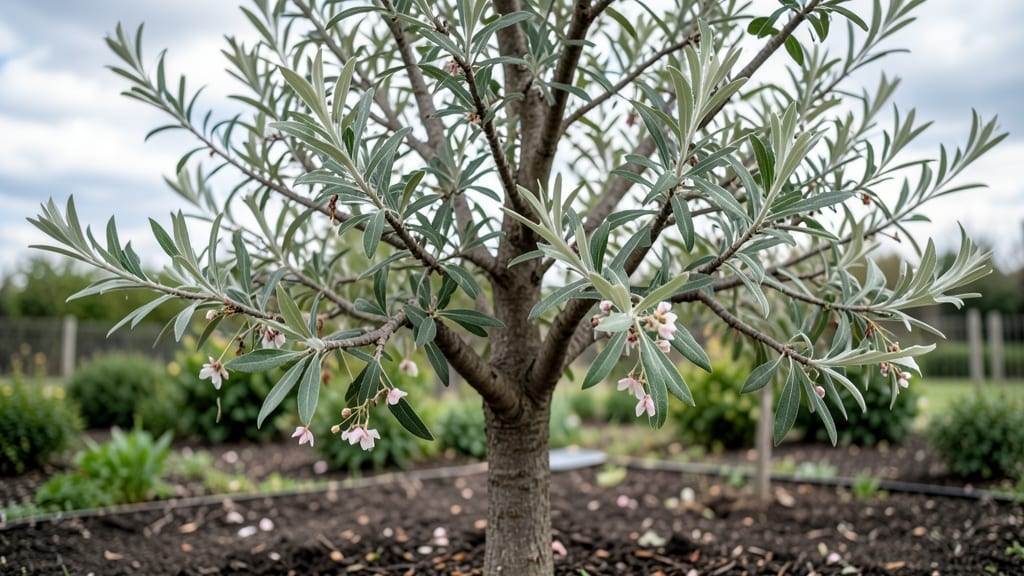
Those almond tree leaves you’re eyeing aren’t just ornamental—they’re packed with edible and medicinal benefits, but only if you know how to spot and care for them properly. Yellowing, browning, or spotted leaves? Those could signal fungal diseases, nutrient deficiencies, or pests like aphids lurking beneath the surface.
I’ve seen firsthand how quickly a thriving almond tree can decline when these issues go unchecked, but with the right approach, you can revive that lush green canopy.
Start by identifying the problem: fungal spots often appear as dark, greasy patches, while nutrient deficiencies show up as yellowing between veins. Aphids and mites leave behind sticky residue or fine webbing. Prune affected branches early, apply neem oil for pests, and adjust your watering—overhead moisture is a fungal magnet.
Seasonal care makes all the difference, especially in late spring when new growth is most vulnerable. With these steps, you’ll keep those leaves vibrant and productive all season long.
📚 In This Guide
- What you need
- Instructions
- Tips and common mistakes
- Wrapping up and next steps
What you need
- ● Fresh almond tree leaves: 1–2 cups (or ~30–50g dried). Ensure they’re pesticide-free and from a non-bitter almond variety (like Prunus dulcis). ⚠️ Never use leaves from ornamental almond trees (e.g., Prunus triloba), as they can be toxic!
- ● Water: 1–2 cups (240–480ml) for teas or infusions.
- ○ Honey or sweetener (optional): 1 tbsp for teas or syrups.
- ● Carrier oil (for topical uses): ¼ cup (60ml) of olive, coconut, or jojoba oil.
- ● Pruners or sharp scissors: For harvesting leaves cleanly.
- ○ Mortar and pestle (optional): For crushing leaves into a paste.
- ● Cheesecloth or fine strainer: For straining liquids.
- ● Small pot or saucepan: For boiling or steeping.
- ● Glass jars with lids: For storing dried leaves or infused oils.
- ○ Food processor (optional): For making leaf powders.
- ● Identification skills: Confirm the leaves are from an edible almond tree (ask a local arborist or use a plant ID app like iNaturalist if unsure).
- ● Allergy check: Test a small amount of leaf tea or oil on your skin/inside your wrist first.
- ● Freshness: Use leaves within 2–3 days of harvest or dry them thoroughly for later use.
How to harvest and use almond tree leaves safely
Almond leaves offer more than just shade—they're packed with benefits when used wisely.
Identify and Select Healthy Leaves
Focus on young, vibrant leaves from mature almond trees, as they contain the highest concentration of beneficial compounds. Avoid leaves with brown edges, holes, or signs of pest damage—these can indicate stress or contamination. The best time to harvest is in early spring or late summer when the leaves are fully developed but haven't yet hardened.
Use clean, sharp pruning shears to snip leaves just above a leaf node. This encourages new growth and keeps the tree healthy. I like to harvest on a dry morning after the dew has evaporated, as this reduces the risk of spreading any potential fungal spores.
Clean and Prepare the Leaves
Rinse the leaves thoroughly under cool water to remove dust, pollen, or any lingering pesticides. Even if your tree isn't treated, a quick rinse ensures you're working with the cleanest possible material. Lay the leaves flat on a clean towel and pat them dry gently—don't wring them, as this can damage the delicate leaf structure.
For dried leaves, spread them evenly on a mesh screen or clean baking rack in a well-ventilated area. Keep them out of direct sunlight to prevent fading or loss of potency. It typically takes 5-7 days for the leaves to dry completely, depending on humidity levels. You'll know they're ready when they crumble easily between your fingers.
Store Leaves for Optimal Freshness
Fresh almond leaves can be stored in an airtight container in the refrigerator for up to 2 weeks. Place them in a single layer with a paper towel to absorb excess moisture and prevent mold. For longer storage, dried leaves should be kept in a sealed glass jar away from light and heat. Properly stored dried leaves retain their properties for up to 1 year.
If you're preparing leaves for tea or infusions, crush them lightly before storing to release more of their aromatic oils. This step also makes it easier to measure out consistent amounts later. Label your containers with the date to track freshness—older leaves lose some of their potency over time.
Use Leaves for Culinary or Medicinal Purposes
For culinary uses, almond leaves can be steeped in hot water to make a fragrant tea, often paired with honey or lemon. Start with 1 teaspoon of dried leaves per cup of water, simmering for 5-7 minutes before straining. The tea has a mild, slightly bitter taste with a nutty undertone—perfect for sipping or using as a base for cocktails.
Medicinally, almond leaves are traditionally used for their anti-inflammatory and antimicrobial properties. Create a poultice by crushing fresh leaves and applying them to minor skin irritations or insect bites. Always do a patch test first, as some people may experience mild sensitivity. Never consume almond leaves if you have a known allergy to almonds or rosaceae family plants.
Tips & tricks for perfect almond tree leaf harvesting
Working with almond tree leaves is all about timing and care—here's how to get the most out of every harvest.
Seasonal Timing: Early spring and late summer are your best windows for harvesting almond leaves. This is when the leaves are fully developed but still packed with beneficial compounds. If you miss these seasons, avoid harvesting during extreme heat or cold, as this can stress the leaves and reduce their potency.
Harvesting Technique: Always use clean, sharp pruning shears and cut just above a leaf node to encourage new growth. I've found that harvesting on dry mornings after dew has evaporated prevents fungal spores from spreading. This simple step makes all the difference in maintaining leaf quality.
Drying Strategy: When drying leaves for up to 5-7 days, avoid direct sunlight to prevent fading and loss of potency. A well-ventilated area with indirect light works best. You'll know they're ready when they crumble easily between your fingers—a great test for proper drying.
Storage Wisdom: For fresh leaves, store them in a single layer with a paper towel in an airtight container to prevent mold. For dried leaves, keep them in a sealed glass jar away from light and heat. Label your containers with the date—older leaves lose some of their potency over time, so tracking freshness is key.
Pro Tips for Leaves Of Almond Tree
- Working with almond tree leaves is all about timing and care—here's how to get the most out of every harvest.
- Seasonal Timing: Early spring and late summer are your best windows for harvesting almond leaves.
- Harvesting Technique: Always use clean, sharp pruning shears and cut just above a leaf node to encourage new growth.
Frequently asked questions
Got questions about almond tree leaves? You’re not alone! Here are answers to the most common queries—from safety to savory uses—so you can dive in with confidence.
Are almond tree leaves safe to eat?
Yes, but only if they’re from a non-toxic almond variety (like Prunus dulcis). Avoid bitter almond leaves—they contain cyanogenic glycosides, which can be harmful. Always confirm the tree type before harvesting!
When is the best time to harvest almond leaves?
Harvest young, tender leaves in spring or early summer (before flowering). Older leaves are tougher and less flavorful. Pick them early in the morning when their essential oils are most concentrated.
How can I use almond leaves in cooking?
Use them fresh in salads, teas, or as a garnish for their mild almond flavor. Steep 1–2 leaves in hot water for a fragrant herbal tea. Pro tip: Lightly sauté them with olive oil to enhance their aroma!
Can I grow almond trees just for their leaves?
Dwarf varieties (like ‘Nonpareil’) are perfect for containers. Plant in well-draining soil, full sun, and water moderately. Leaves thrive in USDA zones 5–9—just avoid frost-prone areas.
What should I do if I accidentally eat bitter almond leaves?
Seek medical help immediately. Bitter almond leaves release cyanide, which is toxic. Symptoms include dizziness, nausea, or rapid heartbeat. Keep children and pets away from unknown almond trees!
Wrapping up and next steps
From their nutrient-packed benefits to their versatile uses in teas, remedies, and even culinary creations, almond tree leaves are a true gift from nature! Whether you're drawn to their health-boosting properties or their practical applications, these leaves prove that nature’s pharmacy is always in season. 🌿✨
Ready to explore their magic further? Start by growing your own almond tree—or visit a local orchard—to harvest fresh leaves and unlock their full potential! Your journey to wellness begins with a simple leaf.