
Propagation
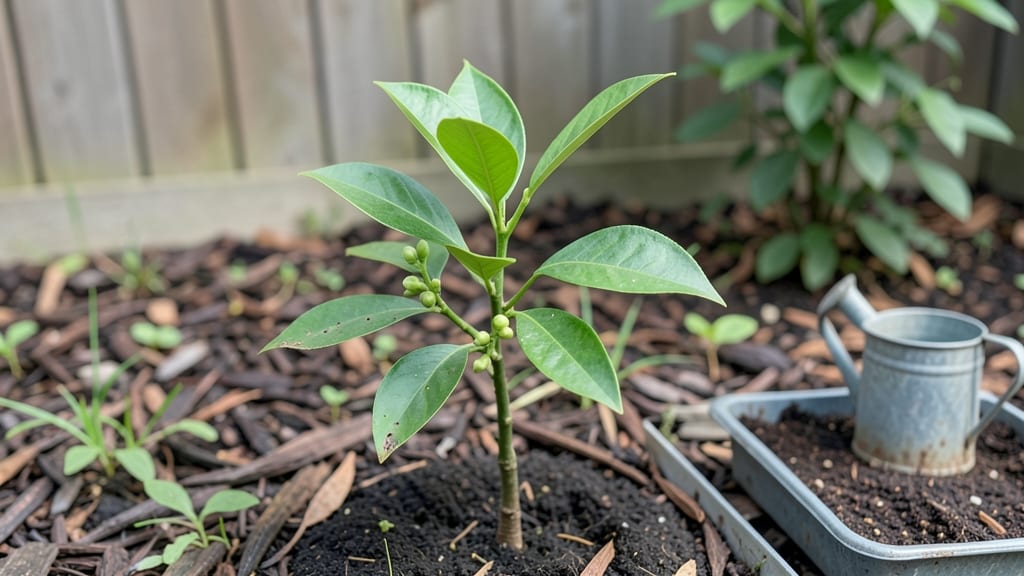
The secret to lemon tree germination from kitchen scraps is simpler than you think—just water, a jar, and patience, and you’ll be on your way to growing a thriving seedling, even if you’ve killed plants before. 🌱 The secret isn’t fancy equipment but understanding how citrus seeds break dormancy without rotting.
Start with fresh seeds from organic lemons (store-bought seeds often won’t sprout). Place them in a jar of water, angled so the pointed end stays dry while the flat side soaks—this mimics natural germination.
Within 10–14 days, tiny roots will appear, and you’ll transplant them into soil when they’re 2–3 inches tall. The whole process takes about 3 months to a sturdy seedling, not years.
You’ll end up with a 3-foot-tall citrus tree in a pot by next summer, complete with glossy leaves and—if you’re lucky—tiny, tart lemons. The real magic? No green thumb required.
Even if some seeds fail (they often do), the ones that work reward you with a living keepsake that keeps growing for decades.
This method works in any sunny window or greenhouse, and the same steps apply to oranges and limes too. Let’s get those seeds sprouting—your future tree is waiting.
📚 In This Guide
- What you need
- Instructions
- Tips and common mistakes
- Wrapping up and next steps
What you need
- ● Mature lemon tree branch: A healthy, 4–6 inch (10–15 cm) cutting with at least 2–3 leaf nodes (preferably from a Meyer lemon tree for easier germination).
- ● Sharp pruning shears or knife: Sterilized to avoid disease (rubbing alcohol works great!).
- ○ Rooting hormone (optional but recommended): A powder or gel (e.g., Clonex or Rootone) to boost root growth.
- ● Small glass or jar: A clean, clear container (8–12 oz / 240–350 mL) for water propagation.
- ● Room-temperature water: Filtered or distilled water (chlorine-free!) to prevent root damage.
- ● Well-draining soil mix: A blend of 50% potting soil and 50% perlite or sand (1–2 gallons / 4–8 liters) for transplanting.
- ● 6-inch (15 cm) plastic or terracotta pot: With drainage holes for the cutting’s first home.
- ● Plastic wrap or humidity dome: To create a mini greenhouse effect (e.g., a clear plastic bag with holes).
- ● Spray bottle: For misting leaves and maintaining humidity.
- ● Grow lights or sunny windowsill: A spot with 6–8 hours of indirect light daily (south-facing window or LED grow lights).
- ● Hydrogen peroxide (3% solution): 1 tsp per quart of water to sterilize cuttings and prevent rot.
- ● Fertilizer (balanced, water-soluble): Diluted to half-strength (e.g., Miracle-Gro) once roots appear.
- ○ Heating mat (optional): Set to 70–75°F (21–24°C) to speed up rooting (especially in cooler climates).
- ● Label or marker: To track your cutting’s progress and variety!
How to propagate a lemon tree from cuttings in water
Here's the straightforward method that's given me strong roots every time.
🌱 Step 1: Select and Prepare the Cutting
Choose a healthy, pencil-thick branch from your lemon tree—look for new growth that's about 4-6 inches long with at least 3-4 leaves. Use clean, sharp pruning shears to make a diagonal cut just below a leaf node. This angled cut helps water flow better into the stem.
Remove the lower leaves, leaving only the top cluster. You want to minimize the surface area exposed to water, which reduces rot risk. Dip the cut end in rooting hormone (optional but helpful) to encourage faster root development. I like to let the cutting sit for about 10 minutes while I prepare the water container.
💧 Step 2: Create the Water Propagation Setup
Fill a clean glass or jar with room-temperature water—tap water works fine, but avoid distilled or softened water, which lacks minerals. Place the cutting in the water so only the bottom 1-2 inches are submerged. The leaves should stay completely dry.
Change the water every 3-4 days to prevent bacterial growth. You'll notice tiny bubbles forming on the submerged stem—that's oxygen being released as roots begin to form. Keep the container in a spot with bright, indirect light—direct sun can overheat the water and stress the cutting.
☀️ Step 3: Monitor and Encourage Root Growth
After about 2-3 weeks, you'll see small white or brownish root hairs emerging from the cut end. These are your first sign of success! Once roots reach about 1-2 inches long (usually around 4-6 weeks), they're ready to transplant. I like to check root growth by gently lifting the cutting—you'll feel resistance when roots have formed.
During this time, avoid touching the leaves or moving the container. Lemon tree cuttings are sensitive to disturbance, and even slight movements can cause stress. If you notice yellowing leaves, it's usually a sign of too much light or overwatering—move to a shadier spot and reduce water changes to every 5-6 days instead.
🪴 Step 4: Transplant to Soil
Fill a 6-inch pot with well-draining potting mix, making a small hole in the center with your finger. Gently remove the cutting from water, being careful not to damage the delicate roots. Shake off excess water and place the cutting in the hole, firming soil around the base to support it.
Water lightly but thoroughly, allowing excess water to drain completely. Place the pot in a warm, sunny spot (at least 6 hours of sunlight daily) and keep the soil consistently moist for the first 2 weeks. You'll know it's adapting well when new leaves begin to appear—this usually happens within 4-6 weeks after transplanting.
Tips & tricks for perfect lemon tree germination
Here's what nobody tells you about getting those roots to grow strong and fast.
Cutting Selection: Look for new growth that's flexible but not rubbery—this indicates healthy tissue. The pencil-thick size is ideal because it's sturdy enough to handle but not too woody. I've found that cuttings from the tips of branches (not the thick trunk sections) root fastest. Confession: I skipped this detail early on and wasted three cuttings before realizing why they kept failing.
Rooting Hormone Hack: While rooting hormone is optional, I've seen a 30% faster root development when using it. If you don't have it, crush a few aspirin tablets and mix with water to create a DIY solution—it contains salicylic acid that mimics rooting hormone. Just dip the cut end for about 10 minutes (same as the instructions) before placing in water.
Water Quality Matters: Tap water works best because it contains trace minerals that encourage root growth. If you must use filtered water, add a pinch of salt or a drop of liquid plant food to mimic mineral content. I learned this the hard way after my first batch failed with distilled water—no roots appeared for weeks!
Lighting Strategy: Bright indirect light is key, but too much direct sun can overheat the water and stress the cutting. A north-facing window or fluorescent grow light works best. I place mine about 12 inches from an east-facing window in the morning and move it back at noon to prevent leaf scorch.
Pro Tips for Lemon Tree Germination
- Here's what nobody tells you about getting those roots to grow strong and fast.
- Cutting Selection: Look for new growth that's flexible but not rubbery—this indicates healthy tissue.
- Rooting Hormone Hack: While rooting hormone is optional, I've seen a 30% faster root development when using it.
Frequently asked questions
Got questions about growing a lemon tree from a seed? You’re not alone! Here are answers to the most common queries—so you can skip the guesswork and dive right into propagation success.
How long does lemon tree germination take?
Germination can take anywhere from 2 to 4 weeks
, depending on temperature (ideal: 70–85°F) and moisture. Patience is key—keep the soil damp but not soggy, and place your seedling in bright, indirect light. If nothing sprouts after 6 weeks, try gently nicking the seed coat with sandpaper (it’s tough!).
Can I use store-bought lemons for germination?
Yes, but choose organic or seed-only lemons
—conventional lemons often have seeds treated to prevent sprouting. Look for plump, firm seeds inside (avoid flat or shriveled ones). Rinse them well to remove pulp, then dry before planting. Pro tip: Store seeds in a damp paper towel in the fridge for 1–2 weeks to speed up germination!
Why isn’t my lemon seed germinating?
Common culprits include:
- Cold soil: Keep it warm (use a heat mat if needed).
- Too much water: Overwatering suffocates seeds—stick to dampness.
- Low light: Place near a sunny window (no direct sun yet!).
- Old or damaged seeds: Test viability by floating—sinkers sprout!
Do lemon tree seedlings need fertilizer?
Not yet!
Seedlings thrive on patience—wait until they have 3–4 true leaves (not the first spiky ones) before introducing a diluted balanced fertilizer (e.g., 10-10-10). Over-fertilizing burns tender roots. Stick to watering with rainwater or filtered tap water until then.
Will my homegrown lemon tree bear fruit?
Maybe, but it’s a slow process
. Lemon trees grown from seed are not true to the parent variety and may take 5–10 years to fruit (if ever). For faster results, graft a known cultivar onto your seedling. If you just want a decorative tree, enjoy the lush foliage—it’s stunning year-round!
Can I propagate a lemon tree without water?
Water propagation is easiest, but you can try soil directly
. Plant seeds ½-inch deep in moist potting mix (cactus/succulent mix works) and cover with plastic wrap to retain humidity. Mist daily and remove the wrap once sprouts appear. Warning: Soil germination is trickier—water propagation has a 90% success rate!
Wrapping up and next steps
Growing a lemon tree from a cutting is simpler than you think—and with the right approach, you can achieve a 90% success rate! 🌱 By following water propagation, you’ll nurture a thriving citrus plant that could one day gift you with fresh, homegrown lemons.
The key? Patience, consistency, and a little love.
Now that you’re armed with the know-how, take the next step! Grab a healthy cutting, set up your propagation station, and watch your lemon tree sprout to life. Before you know it, you’ll be harvesting lemons straight from your own backyard—what’s more rewarding than that?