
Propagation
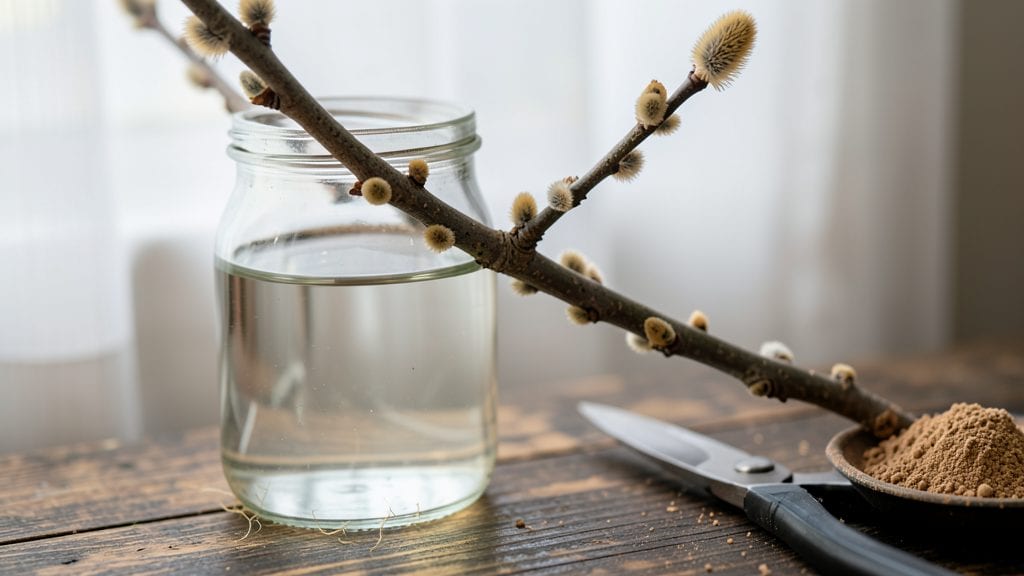
Propagating a tree branch turns a simple cutting into a new plant with just patience and the right technique. 🌱 I’ve rooted willow branches in water and watched them sprout roots in weeks—it’s one of the most rewarding ways to multiply your favorite trees.
The key lies in choosing healthy branches, making clean cuts, and picking the right method for your tree species.
You’ll need sharp pruners, rooting hormone (optional), clean containers, and either water or well-draining soil. Some trees, like willow, poplar, or birch, root effortlessly in water, while others, such as maple or oak, prefer soil.
The process starts with a 4-6 inch semi-hardwood cutting—thick enough to handle but not too mature.
By the time you’re done, you’ll have a thriving young tree ready to plant out. Water-rooted cuttings develop roots in 2-6 weeks, while soil-rooted ones take longer but often establish faster once transplanted. The best part? You’ll save money and grow trees that match your yard’s existing style perfectly.
Works for both backyard gardeners and urban dwellers with small spaces. Whether you’re starting with a single cutting or expanding an entire grove, this method delivers results without the wait of seed germination.
📚 In This Guide
- What you need
- Instructions
- Tips and common mistakes
- Wrapping up and next steps
What you need
- ● Healthy tree branch: 6–12 inches long, pencil-thick (½–¾ inch diameter), with at least 3–5 leaf nodes.
- ● Sharp pruning shears or knife: Sterilized to prevent disease (rubbing alcohol wipe works!).
- ○ Rooting hormone (optional but recommended): Powder or gel (e.g., Rootone or Clonex).
- ● Water (for water propagation): Distilled or room-temperature tap water (avoid chlorine—let it sit 24 hours if tap).
- ● Clear glass or jar (water method): Large enough to submerge nodes (e.g., mason jar).
- ● Well-draining soil mix (soil method): 50/50 blend of perlite and peat moss or coconut coir.
- ● Small pots (soil method): 4–6 inches in diameter with drainage holes.
- ● Plastic bag or humidity dome: To retain moisture (cut-off soda bottle works!).
- ● Spray bottle: For misting leaves (prevents wilting).
- ● Grow lights or sunny windowsill: 6+ hours of indirect light daily.
- ○ pH test kit (optional): Ideal water pH: 5.5–6.5.
- ● Label markers: Track propagation dates and branch types!
Step-by-step instructions for propagating tree branches
Here's how I turn stubborn branches into thriving new plants—both methods work.
🌱 Step 1: Select and Prepare the Right Branch
Choose a healthy, pencil-thick branch with at least 3-4 sets of leaves. The best candidates are semi-hardwood cuttings taken in late spring or early summer when growth is active but not yet mature. Look for branches that bend slightly without snapping—they're flexible enough to root.
Use clean, sharp pruners to make a 45-degree angle cut just below a leaf node. This angled cut increases surface area for root growth. Immediately place the cutting in water or moist soil to prevent wilting. I like to dip the cut end in rooting hormone powder (optional but helpful) to speed things along.
💧 Step 2: Root in Water or Moist Soil
For water propagation, fill a clean jar with room-temperature water and submerge the cut end about 2-3 inches deep. Change the water every 3-5 days to prevent bacterial growth. Place the jar in bright, indirect light—direct sun causes algae buildup that smothers the stem.
For soil propagation, mix equal parts perlite and peat moss for drainage and moisture retention. Dip the cut end in rooting hormone, then insert the branch 2-3 inches deep into the mix. Keep the soil consistently moist but never soggy. You'll know it's right when the surface stays damp but doesn't glisten.
☀️ Step 3: Provide Ideal Growing Conditions
Both methods need bright, indirect light for 6-8 hours daily. A north-facing window or grow light works best. Avoid cold drafts or direct heat sources—temperature should stay between 65-75°F for consistent rooting. I keep my cuttings on a heat mat set to 70°F for faster results.
Watch for new growth as your signal—tiny leaves or buds appearing means roots are forming. Water-propagated cuttings often develop roots in 4-8 weeks, while soil-rooted branches may take 6-12 weeks. The reason soil takes longer is that roots need to establish before the plant can focus on leaf growth.
✂️ Step 4: Transplant When Roots Are Established
For water-rooted cuttings, wait until roots reach 2-3 inches long before transplanting. Gently rinse off any algae from the jar and trim the roots if they're tangled. Plant in a pot with well-draining soil, burying the rooted section 1 inch deeper than it was in water.
For soil-rooted cuttings, check for root growth by gently tugging the branch—if it resists, roots have formed. Transplant to a slightly larger pot with fresh potting mix. Keep the new soil moist but reduce watering gradually over 2 weeks to encourage stronger root development.
Tips & tricks for perfect tree branch propagation
Here's what I learned after propagating dozens of branches—these tricks make all the difference between success and disappointment.
Timing Secret: The late spring to early summer window is your best bet for semi-hardwood cuttings because the plant's growth hormones are active but not yet mature. I've tried fall cuttings and they often fail because the plant is preparing for dormancy. If you miss this window, try again in late winter when new growth begins.
Cutting Technique: That 45-degree angle cut isn't just decorative—it increases the surface area for root growth by about 30%. Make sure your pruners are sharp to avoid crushing the stem, which can block nutrient flow. I wrap the cut end in a damp paper towel while I prep the propagation container to keep it from drying out.
Water Quality Matters: When using water propagation, fill your jar with room-temperature water—not cold tap water, which can shock the cutting. Change the water every 3-5 days to prevent bacterial growth, but don't overdo it—this frequent changing can stress the cutting. I use filtered water to avoid chlorine, which can be harmful to developing roots.
Light Strategy: Bright, indirect light is key for those 6-8 hours daily. I place my cuttings near an east-facing window where they get morning sun but are protected from harsh afternoon rays. If using artificial light, keep it about 6 inches away from the cuttings—closer can cause leaf burn, while farther away slows root development.
Pro Tips for Propagate Tree Branch
- Here's what I learned after propagating dozens of branches—these tricks make all the difference between success and disappointment.
- Timing Secret: The late spring to early summer window is your best bet for semi-hardwood cuttings because the plant's growth hormones are active but not yet mature.
- Cutting Technique: That 45-degree angle cut isn't just decorative—it increases the surface area for root growth by about 30%.
Frequently asked questions
Got questions about propagating tree branches? You’re not alone! Here are some of the most common concerns—plus straightforward answers to help you succeed.
What’s the best time of year to propagate a tree branch?
The ideal window is late winter to early spring, just as buds swell but before leaves emerge. This timing ensures your cutting has stored energy for rooting. For tropical or evergreen trees, propagation can happen year-round, but avoid extreme heat or frost.
Can I propagate any tree branch in water?
Not all branches thrive in water! Softwood cuttings (like willow or poplar) root easily, but hardwood types (e.g., oak or maple) prefer soil. Test the water method first—if roots don’t form in 4–6 weeks, try soil propagation instead.
How long does it take for roots to form?
Patience is key! Water propagation may show roots in 2–6 weeks, while soil can take 3–12 months. Keep cuttings in bright, indirect light and change water every 3–5 days to speed things up.
What’s the difference between water and soil propagation?
| Factor | Water | Soil |
|---|---|---|
| Rooting Speed | Faster (visible roots in weeks) | Slower (months for establishment) |
| Transplant Shock | Higher (roots are delicate) | Lower (roots adapt gradually) |
| Best For | Softwood, fast-rooting species | Hardwood, drought-tolerant trees |
My cutting is rotting—what went wrong?
Rotting usually means too much moisture or poor airflow. Trim the cutting just above a node, reduce water changes to every 5–7 days, and ensure the jar/container has ventilation holes. If mold appears, clean the cutting with hydrogen peroxide (3%) and restart.
Wrapping up and next steps
Propagating a tree branch—whether in water or soil—is a rewarding way to grow your green thumb and expand your garden! 🌱 Whether you’re a beginner or a seasoned gardener, the key lies in patience, the right tools, and a little love.
With the right techniques, you’ll soon be watching new roots sprout and your plant thrive.
Ready to take the next step? Start with a healthy cutting and experiment with both methods to see what works best for your space. Happy propagating—your future tree is waiting! 🌿