
Pruning
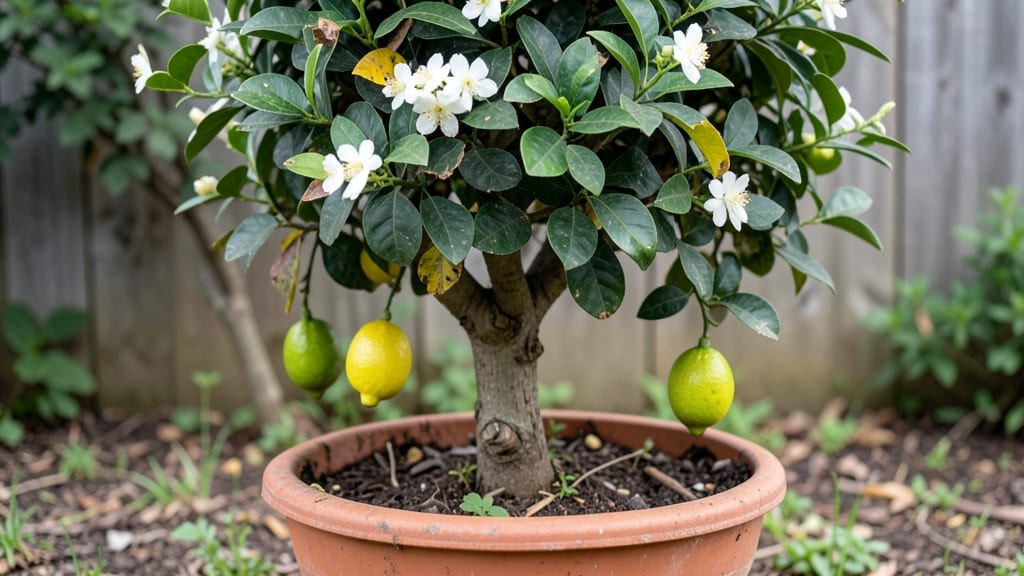
A lemon tree in a pot isn’t just a kitchen decoration—it’s a year-round harvest waiting to happen, even in colder zones. 🌱 I’ve grown mine through three winters in Zone 6, and the secret isn’t fancy equipment but smart adjustments that keep roots happy and branches fruiting.
The right container, soil, and winter prep make all the difference between a sad houseplant and a productive citrus tree that rewards you with bright, tangy fruit.
You’ll need a 15-20 gallon pot (at least) with drainage, well-draining citrus mix, and a sunny spot that gets 6+ hours of light daily. Watering’s the trickiest part—too much and roots rot, too little and leaves crisp—but once you nail the rhythm, your tree will thrive.
Pruning in late winter keeps it shaped and encourages new growth, while a thick layer of mulch in winter protects roots from freezing temps. The payoff? A tree that blooms, fruits, and survives winters with minimal fuss.
By summer, you’ll be harvesting lemons that taste fresher than anything from the store, and the tree’s glossy leaves will be the envy of your neighborhood. The key is consistency: same soil, same watering routine, and those seasonal tweaks that keep it growing strong.
Even in colder climates, this method works—just move your pot to a garage or basement when temps drop below 20°F.
Whether you’re a beginner or a seasoned gardener, this approach turns citrus growing from intimidating to rewarding. The first year’s all about establishing roots and branches; by year two, you’ll have fruit. No green thumb required—just patience and the right care. Let’s get that pot planted!
📚 In This Guide
- What you need
- Instructions
- Tips and common mistakes
- Wrapping up and next steps
What you need
- ● Pot: A well-draining container (12–18 inches in diameter) with drainage holes. Terra cotta or fabric pots work best for airflow.
- ● Potting mix: A citrus-specific blend (or a mix of 60% potting soil, 20% perlite, and 20% sand for drainage). 1–2 bags (1–2 cubic feet) depending on pot size.
- ● Lemon tree: A dwarf variety (like ‘Meyer’ or ‘Improved Meyer’) for pot-friendly growth. 1 plant (3–5 years old for faster fruiting).
- ● Fertilizer: A balanced citrus fertilizer (e.g., 6-6-6 or 8-3-9) or organic options like fish emulsion or compost tea. 1–2 bottles.
- ● Pruning tools: Bypass pruners (for clean cuts)
- ● Sterilized sharp scissors (for small trims)
- ● Gloves (to protect from thorns)
- ● Mulch: Organic mulch (e.g., straw or wood chips) to retain moisture and regulate soil temp. 1 small bag.
- ● Watering can or hose with gentle spray nozzle (avoid overwatering!).
- ○ Support stake or trellis (optional but helpful) for taller varieties.
- ● Slow-release fertilizer tablets for convenient nutrient boosts.
- ● Self-watering pot system to maintain consistent moisture.
- ● Grow lights or a sunny windowsill (if indoors) for 12–14 hours of light/day.
- ● Citrus-specific pest control (e.g., neem oil or insecticidal soap) for aphids or scale.
- ● Decorative pot cover or saucer to protect surfaces from drainage.
Step-by-step instructions for growing a cold-hardy lemon tree in a pot
Here's how to keep your citrus thriving through every season—no greenhouse needed.
🪴 Step 1: Choose the Right Pot and Drainage
Start with a container that's at least 12 inches deep and wide—lemon trees need room for strong root growth. I always pick unglazed ceramic or fabric pots because they breathe better than plastic. Make sure there are 3-4 drainage holes at the bottom; if your pot only has one, drill a few more yourself. Place a 2-inch layer of gravel or broken pottery in the bottom to prevent soil from clogging the holes.
Here's the thing—lemon trees hate soggy feet. The extra drainage layer keeps water flowing out instead of pooling around roots. If you're using a decorative outer pot, make sure it's 2-3 inches larger than the inner grow pot so you can easily remove it for watering. I like to use cache pots for this exact reason—they hide the functional inner pot while keeping roots healthy.
🌱 Step 2: Plant in Well-Draining Citrus Mix
Fill your pot with a specialized citrus potting mix—regular garden soil compacts and suffocates roots. I blend 50% premium potting mix with 30% perlite and 20% coarse sand to create the perfect airy texture. Fill the pot to 1 inch below the rim, leaving room for watering. Press the soil down gently but don't pack it too tight—you want it loose enough for roots to spread easily.
When planting your lemon tree, remove it carefully from its nursery pot and loosen any circling roots with your fingers. Place it in the center of your prepared pot, then fill in around the sides with your mix. Water thoroughly until it drains from the bottom holes. The soil should feel evenly moist but not waterlogged—like a wrung-out sponge. This first watering helps settle the soil around the roots and removes air pockets.
☀️ Step 3: Position for Maximum Sunlight
Lemon trees crave 6-8 hours of direct sunlight daily, but they also need protection from harsh afternoon sun in hot climates. Place your pot near a south-facing window or on a patio where it gets morning sun and afternoon shade. If you're growing indoors, supplement with a full-spectrum LED grow light kept 6-12 inches above the tree for 14-16 hours per day. You'll notice leaves turning pale or stretching toward light? That's your cue the light isn't sufficient.
Here's a pro tip: Rotate your pot quarter-turn weekly so the tree grows evenly instead of leaning toward the light source. In winter, when daylight shortens, move the tree closer to the brightest window or extend light exposure. Cold-hardy varieties can handle brief exposure to 25°F, but protect your potted tree when temperatures drop below 30°F—wrap it in burlap or move it to a sheltered spot like a garage with natural light.
💧 Step 4: Water and Feed for Year-Round Growth
Water your lemon tree when the top 1-2 inches of soil feel dry to the touch. Stick your finger in—if it comes out clean, it's time to water. Pour water slowly until it runs out the drainage holes, then empty the saucer to prevent root rot. I water in the morning so any excess evaporates during the day. In winter, when growth slows, let the soil dry out slightly more between waterings—every 7-10 days instead of weekly.
Feed your tree every 4-6 weeks during spring and summer with a balanced citrus fertilizer (like 6-6-6 or 8-3-9). Cut back to monthly in fall and every 8-10 weeks in winter. I always mix fertilizer with water and apply it to moist soil to prevent root burn. Watch for yellow leaves—this usually means you're overwatering or under-fertilizing. Adjust your schedule until you see dark green, glossy leaves and new growth every few months.
✂️ Step 5: Prune and Maintain for Shape and Health
Prune your lemon tree twice a year: once in late winter to shape it before new growth starts, and again in early summer to remove any dead or crossing branches. Use clean, sharp pruning shears and cut just above a leaf node at a 45-degree angle. I never remove more than 1/3 of the tree's foliage in one session—this keeps it healthy without shocking the plant. After pruning, give the tree a light feeding to encourage new growth.
Here's where it gets fun—watch how your tree responds! If you see sparse leaf growth on one side, that's your sign to move the tree or adjust your light source. Remove any suckers (shoots growing from the base) immediately—they drain energy from your main tree. And don't forget to wipe the leaves every few weeks with a damp cloth to remove dust, which helps the tree absorb more light. A well-maintained potted lemon tree can live—and fruit—for decades with proper care.
Tips & tricks for perfect lemon tree in pot care
These simple strategies will help your cold-hardy citrus thrive year-round without the guesswork.
Pot Selection Matters: If you're using a decorative outer pot, make sure it's 2-3 inches larger than your inner grow pot—this gives you easy access for watering while keeping roots protected. I've seen people use pots that are too tight, which restricts root growth and leads to waterlogging. For winter protection, choose pots with thicker walls or add a layer of bubble wrap around the outside to insulate against cold temperatures. This extra step makes all the difference when temps drop below 30°F.
Soil Mix Secrets: The 50-30-20 blend of premium potting mix, perlite, and coarse sand creates the perfect balance—too much sand can dry out roots, while too much potting mix can compact. I always sift my mix before planting to remove any large clumps that could block water flow. After planting, gently press the soil around the roots to eliminate air pockets, but don't compact it like you would with garden soil. Think of it as giving your tree's roots a cozy, airy nest to grow in.
Lighting Hacks: For indoor growers, position your tree within 6-12 inches of that south-facing window—closer than 6 inches can cause leaf burn, while farther than 12 inches might not provide enough intensity. If you notice leaves stretching toward the light (a sign of etoliation), it's time to move closer or add a full-spectrum LED grow light. I keep mine running for 14-16 hours daily during winter months when natural light is scarce, and the difference in leaf health is noticeable within weeks. Rotate your pot weekly to prevent lopsided growth.
Winter Survival Strategy: When temperatures drop below 30°F, move your potted lemon tree to a sheltered spot like a garage with natural light. If you must keep it outdoors, wrap the pot in burlap and place it against a south-facing wall where it gets reflected sunlight. I've had trees survive brief exposure to 25°F with these precautions, but always monitor for frost damage. The key is protecting the roots—never let the soil freeze solid. A simple layer of mulch around the pot helps maintain more stable soil temperatures.
Pro Tips for Lemon Tree With Pot
- These simple strategies will help your cold-hardy citrus thrive year-round without the guesswork.
- Pot Selection Matters: If you're using a decorative outer pot, make sure it's 2-3 inches larger than your inner grow pot—this gives you easy access for watering while keeping roots protected.
- Soil Mix Secrets: The 50-30-20 blend of premium potting mix, perlite, and coarse sand creates the perfect balance—too much sand can dry out roots, while too much potting mix can compact.
Frequently asked questions
Got questions about keeping your lemon tree thriving in a pot?
Here are answers to the most common concerns—from seasonal care to troubleshooting—so you can enjoy fresh lemons year-round!
How cold-hardy is a potted lemon tree?
A potted lemon tree (Citrus × limon) is not frost-hardy—most varieties tolerate temps down to 25–30°F (-4 to -1°C) for short periods. Below that, move it indoors or to a sheltered spot. Use frost cloth or a heat lamp for extra protection. Pro tip: If your tree is young, prioritize overwintering indoors near a sunny window.
Can I leave my potted lemon tree outside in winter?
Only if your winters are mild (above 30°F/-1°C) and you’ve prepared it well. Steps to try:
- Wrap the pot in bubble wrap or move it to a garage/porch.
- Mulch the soil with straw or leaves to insulate roots.
- Avoid overwatering—soil should stay slightly moist, not soggy.
If frost hits, act fast: Cover the tree (and pot) with frost cloth or a blanket. For harsh winters, bring it inside.
Why isn’t my potted lemon tree bearing fruit?
Lemon trees need 3–4 years to mature before fruiting, but these common issues can delay harvests:
- Insufficient light: Place it in 6+ hours of direct sun daily (south-facing windows or grow lights work indoors).
- Overcrowded roots: Repot every 2–3 years in a slightly larger container with drainage.
- Nutrient deficiency: Feed with citrus-specific fertilizer (high in nitrogen early spring, potassium for fruiting).
- Stress: Avoid drastic temp changes or overwatering.
Bonus: Hand-pollinate flowers with a soft brush if bees aren’t visiting!
How often should I water a potted lemon tree in winter?
Water less frequently in winter—every 2–3 weeks (or when the top 2 inches of soil are dry). Overwatering causes root rot, especially in cool weather. Test the soil: Stick your finger in—if it’s damp, wait. Use room-temperature water to avoid shocking the roots. Pro tip: Group potted plants together to create a microclimate that retains moisture.
What’s the best pot size for a lemon tree?
Start with a 5–7 gallon pot for young trees (1–2 feet tall) and upgrade as it grows. Avoid oversizing: A pot that’s too large holds excess moisture, risking root rot. Drainage is critical: Use pots with holes and add a layer of gravel or perlite at the bottom. Material matters: Terracotta wicks away moisture but dries out faster; plastic retains humidity better. Repot every 2–3 years or when roots circle the pot.
Wrapping up and next steps
Growing a lemon tree in a pot is a rewarding journey that brings fresh citrus to your doorstep—even in colder climates! With the right cold-hardy varieties, proper pruning techniques, and a little TLC, you can enjoy year-round growth and delicious lemons.
Remember, consistency in care (like winter protection and regular pruning) is key to keeping your tree thriving.
Ready to take the next step? Start small—pick a healthy pot, choose your citrus variety, and begin pruning with confidence! Whether you’re a beginner or a seasoned gardener, your lemon tree adventure is just getting started. 🌱✨