
Pruning
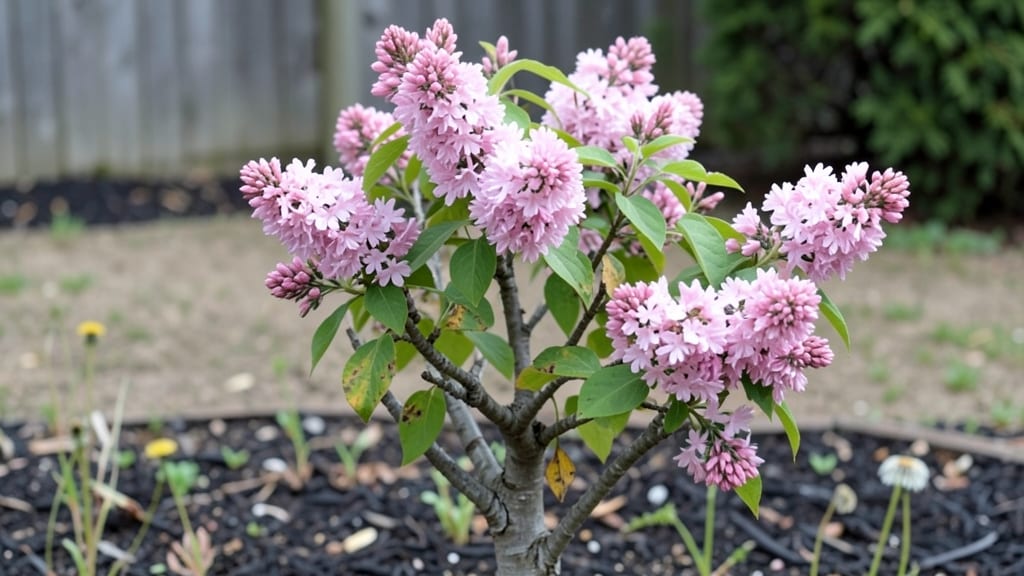
The moment that lilac tree pink bursts into bloom each late spring is Pacific Northwest magic—nothing rivals the way their fragrant clouds turn a yard into a romantic sanctuary. 🌸 I’ve pruned mine for years, and the secret to keeping those blossoms lush and abundant isn’t complicated: timing, technique, and a little seasonal patience.
The right cuts after flowering mean you’ll wake up to vibrant purple-pink clusters that last for weeks, not just days.
Most gardeners overlook lilacs because they think pruning means hacking away branches, but it’s really about shaping for airflow and light.
Grab your shears after the blooms fade in early summer, and focus on removing dead wood and crossing branches—this keeps the tree healthy and encourages next year’s flowers to be even more spectacular.
My 12-year-old tree now produces foot-long sprays of blooms every spring, and neighbors stop to sniff them from the sidewalk.
Once you master the pruning, the real fun begins: placing your lilac as a focal point near a patio or weaving it into a mixed hedge with lavender and Russian sage for a fragrant, textured border.
The scent alone—sweet, heady, and nostalgic—makes it worth the effort. Even in small gardens, a single lilac can anchor the space and draw in pollinators for months.
For those with limited space, dwarf varieties like ‘Miss Kim’ work beautifully in containers or as accent plants near entryways. And here’s the best part: lilacs thrive with minimal fuss once established.
Just remember to feed them in early spring and water deeply during droughts, and you’ll have a fragrant, low-maintenance showstopper for decades. Let’s get those shears ready!
📚 In This Guide
- What you need
- Instructions
- Tips and common mistakes
- Wrapping up and next steps
What you need
- ● Pruning shears: Bypass pruners (sharp, clean, and sterilized with rubbing alcohol to prevent disease). Size: 6–8 inches for medium branches.
- ● Loppers: For thicker branches (½–1½ inches in diameter). Look for: Long handles (24–36 inches) for leverage.
- ● Hand pruners: For small twigs and fine-tuning. Bonus: Anvil-style for stubborn branches (but bypass is gentler).
- ● Garden gloves: Heavy-duty, cut-resistant (e.g., Mechanix or Wright & McGill) to protect against thorns.
- ● Disinfectant: 70% isopropyl alcohol or a 10% bleach solution (1 part bleach to 9 parts water) for tool sterilization.
- ● Rags or paper towels: For wiping tools between cuts.
- ○ Pruning sealant (optional): Tree wound paint (e.g., Tanglefoot Tree Wound Pruning Seal) for large cuts > ½ inch.
- ● Ladder or step stool: If your lilac tree is 6+ feet tall (ensure it’s stable and rated for your weight).
- ● Trash bags: For collecting pruned branches (check local composting rules—lilacs can be invasive if not disposed of properly!).
- ● Ideal timing: Prune right after flowering (late May–early June in the PNW) to avoid cutting off next year’s blooms.
- ● Weather: Choose a dry, overcast day (humidity slows healing). Avoid pruning if rain is forecasted within 24 hours.
- ● Temperature: Work when temps are 50–75°F (cooler mornings are best).
- ● Layered protection: Wear long sleeves and closed-toe shoes—lilac thorns are serious!
- ● Safety first: Clear the area of pets/kids and wear safety glasses if pruning near your face.
- ● Local adaptions: PNW lilacs (like Syringa ‘Martha E. Washington’) may need extra support for heavy blooms—consider a small tree stake if needed.
Step-by-step guide to reviving Pacific Northwest lilac blooms
Here's how I restore fragrant pink lilacs to peak performance—timing and technique matter most.
✂️ Step 1: Time Your Pruning for Post-Bloom Renewal
Prune lilacs immediately after flowering, when seed pods form but before they harden. In the Pacific Northwest, this typically falls in late May to early June. Waiting too long reduces next year's bloom potential, while pruning too early removes flower buds already set for next season.
Look for fully opened blooms with browned petals—this signals the plant has completed its flowering cycle. I mark my calendar based on when my lilacs typically bloom, usually around Mother's Day weekend. If you miss this window, wait until next spring before pruning.
✂️ Step 2: Remove Dead Wood and Shape the Canopy
Start by removing any dead, diseased, or crossing branches—these compete with healthy growth. Cut back to the main stem or outward-growing branch, making clean cuts at a 45-degree angle just above an outward-facing bud. This encourages outward growth rather than inward crowding.
For shaping, I focus on opening up the center of the plant to improve air circulation and light penetration. Remove no more than one-third of the plant's total growth in a single season—lilacs are resilient but not aggressive regrowers. If your lilac looks leggy, you can also cut back some older stems to encourage new growth from the base.
🌿 Step 3: Rejuvenate Older Stems Strategically
For lilacs over 10 years old, I selectively remove older, non-flowering stems at ground level to stimulate new growth. Choose 2-3 of the oldest stems (you'll recognize them by their thicker diameter and sparse foliage) and cut them back completely. This isn't drastic—lilacs have multiple stems, and removing a few won't harm the plant.
Here's the thing—lilacs flower on old wood, meaning blooms develop on stems from the previous year. If your plant isn't flowering well, it might be overgrown with too many weak stems. By removing a few older stems each year, you encourage stronger, more vigorous new growth that will produce better blooms.
💧 Step 4: Post-Pruning Care for Pacific Northwest Conditions
After pruning, water deeply to 12-18 inches down to compensate for root disturbance. Lilacs in the Pacific Northwest often face summer drought stress, so I always check soil moisture by sticking my finger 3 inches deep—if it feels dry, water again. Mulch with 3-4 inches of organic mulch (like wood chips) to retain moisture and regulate soil temperature.
Fertilize lightly in early spring with a balanced 10-10-10 formula—lilacs don't need heavy feeding, but a little helps after pruning. Avoid high-nitrogen fertilizers, which promote leafy growth at the expense of flowers. I also monitor for aphids or borers, common pests that stress pruned lilacs, and treat with horticultural oil if needed.
Tips & tricks for perfect lilac tree pruning
Here's what I've learned from years of perfecting Pacific Northwest lilac pruning—these details make all the difference between a plant that thrives and one that struggles.
Timing is Everything: The late May to early June window is critical for post-bloom pruning. I always double-check by looking for fully opened blooms with browned petals—this visual cue tells me the plant has completed its flowering cycle. Missing this window means you risk cutting off next year's flower buds, which form shortly after blooms fade. Confession: I skipped this step for years and wondered why my lilacs never bloomed as beautifully as my neighbor's!
The 45-Degree Angle Technique: When removing branches in Step 2, making clean cuts at a 45-degree angle just above an outward-facing bud is crucial. This angled cut prevents water from pooling on the wound, which could lead to rot. I use sharp pruning shears and always make the cut just above a bud that's facing outward—this encourages the new growth to spread away from the center, opening up your lilac's canopy for better air circulation and light penetration.
Strategic Stem Removal for Older Plants: For lilacs over 10 years old, I target 2-3 of the oldest stems each year. These are the ones with thicker diameters and sparse foliage—they're not contributing much to flowering anyway. By removing them completely at ground level, I stimulate stronger new growth from the base. The key is not to overdo it—lilacs have multiple stems, and removing too many can stress the plant. I think this works because lilacs flower on old wood, so we're essentially giving the plant a chance to redirect its energy toward producing healthier stems for next year's blooms.
Pacific Northwest-Specific Watering: After pruning, I water deeply to 12-18 inches down—this is essential because our region's summer drought can stress recently pruned plants. I check soil moisture by sticking my finger 3 inches deep; if it feels dry, I water again. The 3-4 inches of organic mulch I add afterward helps retain that moisture and regulates soil temperature, which is especially important during our hot, dry summers. This simple step has saved my lilacs from drought stress more times than I can count.
Pro Tips for Lilac Tree Pink
- Here's what I've learned from years of perfecting Pacific Northwest lilac pruning—these details make all the difference between a plant that thrives and one that struggles.
- Timing is Everything: The late May to early June window is critical for post-bloom pruning.
- The 45-Degree Angle Technique: When removing branches in Step 2, making clean cuts at a 45-degree angle just above an outward-facing bud is crucial.
Frequently asked questions
When is the best time to prune my lilac tree for pink blooms?
The ideal time to prune lilacs for vibrant pink blooms is right after they finish flowering—typically late May to early June in the Pacific Northwest. This timing ensures next year’s buds form properly. Avoid pruning in fall or winter, as it removes next season’s flower buds before they develop!
How much can I cut back my lilac tree safely?
For established lilacs, you can safely remove up to one-third of the oldest wood per year. Focus on thinning out crowded branches and cutting back to a healthy bud or branch. Never remove more than 25% in a single year—this keeps the tree healthy and encourages strong regrowth. Pro tip: Use sharp pruners for clean cuts!
Why aren’t my lilacs blooming pink like they used to?
Over-pruning, nutrient deficiencies (like lack of phosphorus), or age can dull lilac colors. To revive pink blooms:
- Prune correctly (post-bloom, not too aggressively).
- Fertilize with a balanced, bloom-boosting formula in early spring.
- Ensure full sun (6+ hours daily) and well-drained soil.
If your tree is over 15 years old, rejuvenation pruning may help!
Can I prune lilacs in rainy Pacific Northwest weather?
Yes! Lilacs tolerate light rain after pruning, but avoid heavy downpours for 24 hours to prevent fungal issues. Prune on a dry day or early morning when tools stay sharp and branches are easier to handle. If rain is forecasted, schedule pruning for a dry window.
Are there alternatives to pruning for enhancing pink lilac blooms?
While pruning is key, you can also:
- Deadhead spent blooms to encourage more flowers.
- Apply mulch around the base to retain moisture and nutrients.
- Plant companion flowers (like lavender) to attract pollinators and boost bloom intensity.
For dramatic color, consider varieties like ‘Dwarf Korean’ or ‘Katherine Havemeyer’, known for their vibrant pink hues!
Wrapping up and next steps
Reviving your lilac tree pink in the Pacific Northwest isn’t just about pruning—it’s about celebrating the fragrant magic of spring! With the right tools, timing, and techniques, you’ll unlock a burst of vibrant blooms and healthier growth. Your garden deserves that sweet, intoxicating scent!
Ready to transform your lilac into a showstopper? Start by marking your calendar for next year’s pruning season—just after the blooms fade but before summer heat sets in. And if you’re feeling inspired, why not share your progress with fellow gardening enthusiasts? 🌸✨