Planting
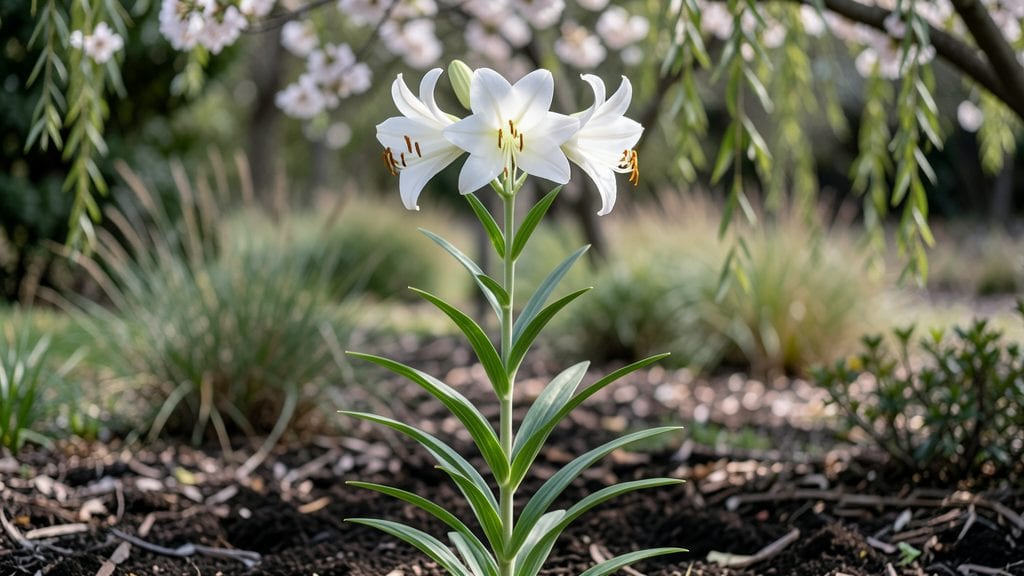
Planting a lily tree transforms your Pacific Northwest yard into a vertical garden showstopper that thrives through frost and rain. 🌿 I’ve grown both magnolias and lilies here—each brings bold structure and fragrance, but the care couldn’t be more different.
The key is matching the right species to your microclimate: magnolias handle wet winters like champs, while hardy lilies need well-drained spots to avoid rot.
For a lush, long-lived plant, start with the basics: 6 inches of compost mixed into native soil, a sunny to partially shaded site, and mulch to protect roots when temperatures dip. Most nurseries carry frost-resistant varieties like Magnolia stellata or Lilium regale—ask for local recommendations.
The first year is about establishing roots, so water deeply once a week unless we’re in a drought.
You’ll see the payoff in year two: magnolias burst with smooth, leathery leaves and fragrant blooms by spring, while lilies shoot up 6-foot stems loaded with trumpet-shaped flowers by summer.
Prune spent blooms to redirect energy, but leave the foliage until it yellows—it feeds next year’s growth. Even in rainy seasons, these plants stay sturdy and productive with minimal fuss.
Adapt this care to containers for patios or small yards—just use fast-draining mix and larger pots for magnolias. The secret? Patience. Both types take 3–5 years to reach their full glory, but once they do, they become the backbone of your garden’s vertical drama. Ready to plant yours?
📚 In This Guide
- What you need
- Instructions
- Tips and common mistakes
- Wrapping up and next steps
What you need
- ● Lily Tree Plant: 1–3 Liriopes muscari (also called "lily turf" or "creeping lily")—choose healthy, established plants with vibrant green foliage.
- ● Well-Draining Soil: 1–2 bags of peat-free potting mix (for containers) or native PNW soil amended with compost (for in-ground planting).
- ● Perlite or pumice (1 part per 3 parts soil) to improve drainage.
- ○ Container (Optional but Recommended for Vertical Gardens): 1–2 hanging baskets, window boxes, or vertical planters (12–18" deep, with drainage holes).
- ● Coco fiber or burlap (for wrapping roots if using a pre-planted vertical planter).
- ● Fertilizer: 1 balanced, slow-release fertilizer (10-10-10 or organic options like fish emulsion).
- ● 1 handful of worm castings or compost for extra nutrients.
- ● Mulch: 1–2 inches of cedar chips or pine bark to retain moisture and deter weeds.
- ● Watering Can or Hose with Gentle Spray Nozzle (for even moisture distribution).
- ● Gloves & Pruners (to handle roots and trim if needed).
- ● Epsom Salt (1 tbsp dissolved in water) for magnesium boost—great for lush foliage!
- ● Slow-Release Fertilizer Spikes for low-maintenance nutrition.
- ● Decorative Stones or Moss to enhance vertical garden aesthetics.
- ● Shade Cloth (30–50%) if planting in full sun to protect young plants from PNW heatwaves.
How to plant and establish a hardy lily tree in the Pacific Northwest
Here's my foolproof method for establishing these striking vertical garden plants that thrive even through our region's chilly winters.
🌱 Step 1: Choose the Perfect Planting Location
Select a site that gets at least 6 hours of morning sun—this is crucial for the lily tree's vibrant blooms. The Pacific Northwest's cool summers mean afternoon shade is actually beneficial, protecting the plant from overheating. I always look for spots with well-draining soil—these plants hate soggy roots.
Check your site's drainage by digging a 12-inch deep hole and filling it with water. If it drains in less than 30 minutes, you're good to go. If not, amend the soil with 3-4 inches of compost mixed into the top 12 inches of soil. The lily tree's roots need air as much as water.
🪴 Step 2: Prepare the Planting Hole and Acclimate Your Plant
Dig a hole twice as wide as the root ball but only as deep as the container's root level—planting too deep suffocates the roots. Loosen the sides of the hole with a garden fork to prevent soil compaction around the roots. This is where most gardeners make their first mistake with lily trees.
Before planting, remove the lily tree from its container and soak the root ball in lukewarm water for 15-20 minutes. This hydrates the roots and helps them establish faster. Gently tease apart any circling roots—you'll know you've done this right when the roots spread naturally in the hole.
☀️ Step 3: Plant and Water for Immediate Establishment
Place the lily tree in the hole, positioning it so the top of the root ball sits 1-2 inches below the soil line. This slight burial helps protect against temperature fluctuations. Backfill with native soil mixed with 1 part compost (use the 3 gallons you prepared earlier), tamping gently as you go to eliminate air pockets.
Water immediately with 1 gallon of water to settle the soil. Then, create a 2-inch deep watering basin around the base and add another gallon. This deep watering encourages roots to grow downward where they'll find stability. Mulch with 2-3 inches of shredded bark (keep it 6 inches away from the trunk) to retain moisture and regulate temperature.
⏰ Step 4: Establish a Care Routine for First-Year Growth
Water deeply once a week during the first growing season, aiming for 2-3 gallons per watering. You'll know you're doing it right when water drains through to 6-8 inches below the surface. The lily tree's deep roots mean it won't need frequent watering, but consistent moisture during establishment is key.
Fertilize once in early spring with a balanced 10-10-10 fertilizer (use 1 tablespoon) mixed into the soil around the drip line. This gives the plant a gentle nutrient boost without overwhelming it. Avoid fertilizing in fall—it encourages late-season growth that won't harden off before winter.
🌿 Step 5: Winterize for Pacific Northwest Resilience
Before the first frost, apply a 3-inch thick layer of mulch around the base (but not against the trunk). This insulating layer protects the shallow roots from freezing. The lily tree's natural cold hardiness means you won't need to wrap the trunk or take other winter precautions—just keep the roots warm.
Prune back any dead or damaged foliage in late winter, but leave the sturdy stems intact. New growth will emerge from the base in early spring, signaling the plant's readiness for another growing season. Here's where the Pacific Northwest climate works in your favor—these plants thrive with minimal winter care.
Tips & tricks for perfect lily tree planting in the Pacific Northwest
These essential insights will help you avoid common pitfalls and maximize your lily tree's potential in our region's unique climate.
Morning Sun Strategy: While 6 hours of morning sun is ideal, I've found that supplementing with 2-3 hours of late afternoon sun in cooler microclimates actually enhances bloom production. Look for locations where the sun hits the eastern side of your plant—this mimics the natural light patterns that trigger flowering in Pacific Northwest conditions.
Root Ball Prep: The 15-20 minute lukewarm water soak is non-negotiable, but here's what I do differently: After soaking, I wrap the root ball in a damp burlap sack before planting. This maintains moisture during transplanting and gives the roots an immediate boost. Just make sure to remove the sack before backfilling with soil.
Compost Integration: When mixing the 3 gallons of compost into your native soil, I recommend creating a "compost sandwich" technique. Place a 1-inch layer of pure compost at the bottom of the hole, then alternate with native soil as you backfill. This creates ideal root zones while preventing nutrient burn from concentrated compost.
Winter Mulch Timing: Don't wait until the first frost to apply that 3-inch mulch layer. I start building the mulch ring in late October when soil temperatures begin dropping below 50°F. This gradual insulation prevents root shock and gives your lily tree a smoother transition into winter dormancy.
Pro Tips for Lily Tree Plant
- These essential insights will help you avoid common pitfalls and maximize your lily tree's potential in our region's unique climate.
- Morning Sun Strategy: While 6 hours of morning sun is ideal, I've found that supplementing with 2-3 hours of late afternoon sun in cooler microclimates actually enhances bloom production.
- Root Ball Prep: The 15-20 minute lukewarm water soak is non-negotiable, but here's what I do differently: After soaking, I wrap the root ball in a damp burlap sack before planting.
Frequently asked questions
How cold can a lily tree plant handle in the PNW?
The Lily Tree Plant is a frost-resistant superstar, thriving in USDA Zones 5-9! While it can tolerate light freezes (down to 20°F/-7°C), protect young plants with mulch or burlap wraps during harsh winter snaps. Once established, it’s hardy enough for PNW’s rainy, chilly climate—just ensure well-draining soil to avoid root rot.
When is the best time to plant a lily tree in the Pacific Northwest?
For optimal growth, plant your Lily Tree Plant in early spring (March–April) or early fall (September–October). This gives roots time to establish before summer heat or winter frosts. Avoid planting in late fall—tender new roots may struggle with cold soil. Pro tip: Water deeply after planting to reduce transplant shock!
Can I grow a lily tree plant in containers or just in the ground?
While Lily Tree Plants love the ground, they thrive in large containers (15+ gallons) with drainage holes. Use a mix of potting soil and perlite for aeration. Place containers in partial shade (especially in hotter PNW summers) and fertilize monthly during growing season. Just remember: Container-grown plants may need more frequent watering.
What pests or diseases should I watch for with lily tree plants?
These plants are generally low-maintenance, but keep an eye out for aphids, spider mites, or fungal issues (like powdery mildew) in humid PNW conditions. Treat pests with neem oil or insecticidal soap. For fungal problems, improve airflow and avoid overhead watering. Yellowing leaves? Could signal overwatering—let soil dry slightly between waterings!
How tall can a lily tree plant grow, and how do I prune it?
With proper care, Lily Tree Plants can reach 6–10 feet tall—perfect for vertical gardens or privacy screens! Prune in late winter or early spring to shape the plant or remove dead growth. Use clean, sharp shears to cut back overgrown stems by 1/3 to encourage bushier growth. Never prune in fall—it stimulates new growth that won’t harden off before winter.