Pruning
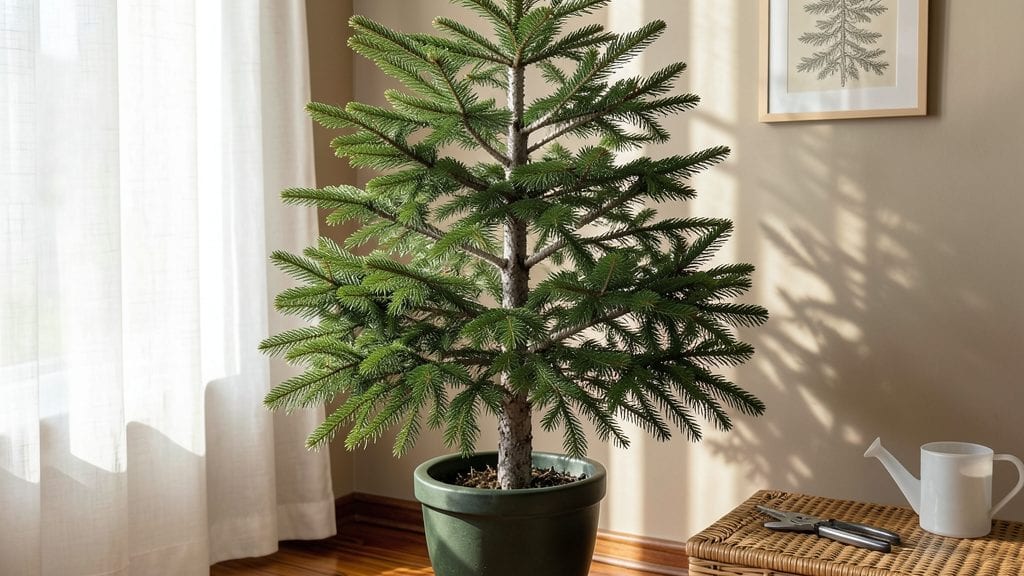
A live Christmas tree isn’t just a holiday decoration—it’s a year-round investment that keeps giving with just three simple cuts. 🌲 I’ve turned my family’s holiday tradition into a living garden centerpiece, and the secret lies in how you prune, water, and replant it after the season.
The first cut happens before you bring it indoors, and that’s where most people go wrong.
The magic starts with selecting a healthy tree from a reputable farm—look for fresh needles that snap (not bend) and a sturdy trunk. Once inside, keep it hydrated with 1 quart of water per inch of trunk diameter daily, and avoid placing it near heat vents.
After the holidays, trim the trunk to 6 inches and replant it outside in well-drained soil.
By spring, your tree will sprout new growth, and with proper care, it can live for decades—some even become shade trees. The best part? You’ll never buy another artificial tree again.
The process is simpler than you think, and the payoff is a lush, fragrant evergreen that grows with your family.
Works for any climate—just adjust watering in dry areas and protect young trees from deer in rural settings. Here’s how to make it work without the holiday stress or post-season guilt.
📚 In This Guide
- What you need
- Instructions
- Tips and common mistakes
- Wrapping up and next steps
What you need
- ● Live Christmas tree: Choose a pre-balled or container-grown tree (e.g., Nordmann fir, Fraser fir, or Colorado blue spruce). Look for a 6- to 8-foot tree (adjust based on space).
- ● Tree stand or bucket system: A sturdy wide-mouth stand (12+ inches in diameter) or a self-watering bucket with a drainage hole.
- ● Water: At least 1 gallon per day (more for larger trees). Use room-temperature water to avoid shocking the roots.
- ● Pruning tools: Bypass pruners (for clean cuts on small branches).
- ● Loppers (for thicker branches, ½–1 inch in diameter).
- ● Hand saw (for stubborn, woody branches).
- ● Disinfectant (70% isopropyl alcohol or bleach solution): Wipe tools before and after pruning to prevent disease.
- ● Tree lights or decorations: Opt for LED string lights (energy-efficient and less heat-producing). Avoid heavy ornaments that can weigh down branches.
- ● Root stimulator or fertilizer: A balanced, water-soluble fertilizer (e.g., 10-10-10) to boost health during indoor stay.
- ● Humidifier or pebble tray: Mimics outdoor humidity to prevent needle drop.
- ● Reflective mulch or burlap: Wrap the base to protect from drafts and retain moisture.
- ● Tree-specific spray (anti-desiccant): Helps retain moisture in dry indoor air (e.g., Wilt-Pruf).
- ● Indoor thermometer/hygrometer: Keep temps between 60–65°F and humidity above 40%.
Step-by-Step instructions for keeping your Christmas tree alive all year
Here's how to transform your holiday centerpiece into a thriving houseplant with minimal effort.
🪴 Step 1: Prepare the Tree for Indoor Life Immediately After Purchase
As soon as you bring your tree indoors, trim the bottom 2-3 inches of the trunk at a 45-degree angle using a sharp pruning saw. This fresh cut allows the tree to absorb water more efficiently. Place the tree in a large bucket or container filled with 4-6 inches of water—this gives the roots enough time to rehydrate before you move it to soil.
Here's the thing—most Christmas trees arrive bone-dry from storage. Let it soak for 24 hours before planting. You'll know it's ready when the cut edges stop bubbling and the needles feel slightly pliable. Avoid using tap water with high chlorine; let it sit out overnight first or use filtered water if possible.
🌱 Step 2: Plant the Tree in Well-Draining Soil
Fill a large container (at least 12 inches deep and 2-3 times wider than the trunk) with a mix of 50% potting soil and 50% perlite or coarse sand. This prevents root rot while allowing moisture to drain properly. Gently place the tree in the center of the container and fill around the roots with the soil mixture, pressing lightly to eliminate air pockets.
Don't bury the trunk too deep—keep the soil level 1-2 inches below where the roots begin. You'll see the roots starting to spread within 2-3 weeks if the conditions are right. Place a tree stake next to the trunk to support it as new growth begins, especially if your tree is tall.
☀️ Step 3: Position for Light and Maintain Proper Care
Place your tree in a spot with bright, indirect light—think east or north-facing windows. Direct sunlight can scorch the needles, while too little light causes the tree to grow leggy and weak. A grow light positioned 12-18 inches away for 12-14 hours daily works well if natural light is limited.
Water deeply once a week, soaking the soil until water runs out the drainage holes. Let the top 1-2 inches of soil dry out between waterings—overwatering is the fastest way to kill a newly planted tree. You'll notice new growth within 4-6 weeks if the tree is happy, with fresh green needles appearing along the branches.
✂️ Step 4: Prune and Fertilize for Year-Round Growth
In early spring, trim back any brown or damaged branches using clean pruning shears. Cut just above a healthy bud or branch fork to encourage new growth. Apply a balanced, water-soluble fertilizer (like 10-10-10) every 4-6 weeks during the growing season. Dilute it to half-strength to avoid burning the roots—your tree isn't used to heavy feeding yet.
Real talk: Your tree might drop a few needles at first—that's normal as it adjusts. If you see yellowing needles, it's usually a sign of overwatering or poor drainage. Adjust your watering schedule and ensure the container has drainage holes. With consistent care, your tree can live for 5-10 years indoors, becoming a cherished part of your home.
Tips & tricks for perfect year-round Christmas trees
Here's what nobody tells you about keeping your holiday tree thriving beyond the season—these little details make all the difference.
Cutting Technique: That 45-degree angle in Step 1 isn't just about looks—it's about maximizing surface area for water absorption. Use a sharp pruning saw for clean cuts; dull blades crush the wood fibers, making it harder for water to penetrate. Confession: I skipped this detail for years and wondered why my trees kept drying out. That fresh cut is your tree's lifeline after storage.
Soaking Strategy: The 24-hour soak in Step 1 is non-negotiable for trees that arrive bone-dry. Here's the thing—you'll know it's ready when those cut edges stop bubbling and the needles feel slightly springy. I always use filtered water or let tap water sit overnight to reduce chlorine levels. This prevents the water from absorbing too quickly and causing shock.
Lighting Secrets: That bright, indirect light in Step 3 needs to be consistent. If you're using a grow light, position it 12-18 inches away for 12-14 hours daily—closer than that can scorch the needles, while farther away won't provide enough energy for growth. I've seen trees in south-facing windows get sunburned before they even had a chance to establish roots.
Container Size Matters: That large container in Step 2 should be at least 2-3 times wider than your trunk's diameter. Too small, and the roots will circle rather than spread outward. I've learned this the hard way after watching roots grow in tight circles—it restricts growth and makes the tree unstable. The extra width also gives you room to add perlite for that crucial drainage.
Pro Tips for Live Chrismas Tree
- Here's what nobody tells you about keeping your holiday tree thriving beyond the season—these little details make all the difference.
- Cutting Technique: That 45-degree angle in Step 1 isn't just about looks—it's about maximizing surface area for water absorption.
- Soaking Strategy: The 24-hour soak in Step 1 is non-negotiable for trees that arrive bone-dry.
Frequently asked questions
Got questions about keeping your live Christmas tree thriving year-round? Here are some of the most common ones—and their simple solutions!
Can I keep a live Christmas tree indoors year-round?
Avoid keeping your tree indoors permanently—it’s designed for outdoor conditions! While you can bring it inside temporarily for the holidays, prolonged indoor exposure (low humidity, dry air) will stress it. Aim for 2–4 weeks max inside, then return it to the outdoors to recover.
How long does it take for a live Christmas tree to recover after being indoors?
Most trees bounce back within 2–4 weeks outdoors with proper care. Water deeply 2–3 times a week (check soil moisture—it should feel damp but not soggy). Prune any brown needles or damaged branches in early spring to encourage fresh growth. Patience is key!
What’s the best time of year to prune a live Christmas tree?
The ideal time is late winter or early spring (just before new growth starts). Avoid pruning in fall—it disrupts the tree’s winter dormancy. Use sharp, clean shears to make angled cuts just above a leaf node (where branches meet the trunk). See our step-by-step guide for details!
Can I use a live Christmas tree as a hedge or privacy screen?
Many varieties like Leyland cypress or Norway spruce grow tall and dense, making them perfect for hedges. Space trees 3–5 feet apart and prune annually to shape them. Just ensure they get full sun and regular watering—hedges need more frequent care than holiday trees!
Why are my tree’s needles turning brown?
Brown needles usually mean drought stress or overwatering. Check the soil: If it’s bone-dry, water deeply; if it’s soggy, let it dry out slightly. Other causes?
- Winter burn: Frost-damaged needles (trim them off in spring).
- Pests: Look for spider mites or aphids—spray with water or insecticidal soap if needed.
- Sun scorch: Young trees in hot climates may need afternoon shade.
Are live Christmas trees more expensive than cut trees?
Yes, but they’re a long-term investment! A potted tree costs $50–$150 upfront, but you’ll enjoy it for 10+ years with proper care. Cut trees ($20–$100) are a one-time expense. Factor in pruning tools, fertilizer, and watering costs—live trees pay off in holiday charm and sustainability!
Wrapping up and next steps
A live Christmas tree isn’t just a holiday decoration—it’s an investment in year-round greenery and sustainability! With just three simple cuts, you can keep your tree thriving for seasons to come, saving money and reducing waste.
Whether you’re a pruning pro or a beginner, these steps make it easy to nurture your tree’s health and beauty.
Ready to give your tree the care it deserves? Grab your tools, follow the steps, and watch your live Christmas tree flourish! 🌲✨ Start pruning today—your future holiday decor (and eco-friendly win) awaits!