Pruning
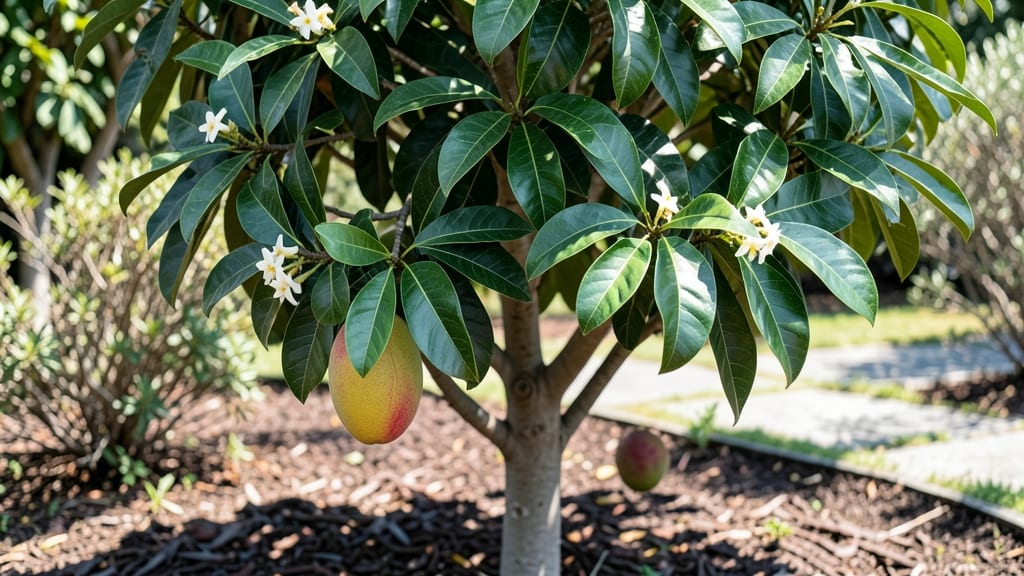
Pruning your Valencia mango tree isn’t just about shaping branches—it’s the secret to year-round fruitfulness that turns a good harvest into an embarrassment of abundance. 🌱 I’ve pruned these trees for over a decade, and the difference between a neglected bush and a fruit-loaded powerhouse comes down to four strategic cuts made at the right times.
The key isn’t just when you prune, but why—each cut serves a purpose, from opening the canopy to sunlight to encouraging new growth where fruit forms.
Most gardeners wait until spring, but Valencia mangoes thrive with year-round maintenance—light trims after harvest, shaping cuts in late winter, and even summer pruning to control growth spurts.
You’ll need sharp pruners, a ladder (for taller trees), and a clear goal: open the center for airflow, remove dead wood, and shape the tree to maximize sunlight exposure. The payoff? Trees that bear fruit twice a year instead of just once, with sweeter, larger mangoes that ripen reliably.
What you’ll end up with is a tree that looks like a well-oiled machine—vibrant green leaves, sturdy branches, and fruit hanging in clusters rather than sparse, undersized mangoes.
The first year after proper pruning, you’ll notice a 30-50% increase in yield, and the tree’s structure becomes easier to manage. Even if you’ve neglected pruning before, it’s never too late to turn things around.
This method works for both outdoor trees in warm climates and container-grown Valencia mangoes on patios—just adjust the timing and intensity based on your zone. Whether you’re fighting frost damage in cooler areas or dealing with monsoon seasons, the principles stay the same.
Let’s get those pruners out and transform your tree into a fruit-producing powerhouse.
📚 In This Guide
- What you need
- Instructions
- Tips and common mistakes
- Wrapping up and next steps
What you need
- ● Pruning shears: Bypass shears (for small branches, 4–6 inches) or anvil shears (for thicker branches, up to 1 inch). Sterilize with rubbing alcohol between cuts!
- ● Pruning saw: Curved-tooth saw (for branches 1–3 inches thick). Look for sharp, rust-resistant blades.
- ● Ladder or step stool: Extendable (8–12 ft) for taller trees. Safety first—secure it on level ground!
- ● Gloves: Heavy-duty, cut-resistant gloves (e.g., mechanics’ gloves) to protect from thorns and sap.
- ● Disinfectant: 70% isopropyl alcohol or hydrogen peroxide (3%) to clean tools and wounds.
- ○ Pruning sealant (optional): Tree wound sealant (e.g., Tanglefoot Tree Wound Pruning Seal) for cuts larger than ½ inch.
- ● Marking twine or flags: Colored twine or biodegradable flags to tag branches for future reference.
- ● Heavy-duty trash bags: 30–50 gallon size for collecting pruned branches.
- ● Water spray bottle: Small (8–16 oz) with water to dampen saw blades and reduce dust.
- ● Safety gear: Safety glasses, long sleeves, and closed-toe shoes (mango sap can irritate skin!).
- ● Weather check: Prune on a dry, overcast day (avoid rain for 24 hours before/after).
- ● Tree health assessment: Inspect for pests/diseases (e.g., anthracnose or mango hopper) before pruning.
- ● Tool sharpening: Test shears/saws on a pencil or scrap wood—they should cut cleanly.
- ● Permits (if applicable): Check local regulations if your tree is near property lines or power lines.
How to prune a Valencia mango tree for maximum fruit production
Here’s how I keep my Valencia mango tree bursting with fruit all year—no overgrown chaos, just strategic cuts.
✂️ Step 1: Remove Dead or Diseased Branches (Year-Round)
Start by inspecting the tree for any branches that are brown, brittle, or showing signs of disease like black spots or oozing sap. These are dead weight and can spread problems to healthy growth. Use clean, sharp pruners to make a clean cut just outside the branch collar—the swollen area where the branch meets the trunk.
I always do this first because it’s the easiest way to improve airflow and reduce pests. If you skip this, your tree will struggle to focus energy on fruit production. Look for branches that snap easily when bent—those are the ones to remove immediately.
🌿 Step 2: Thin Out Overcrowded Branches (Late Winter)
In late winter, when the tree is dormant, focus on thinning branches that cross or rub against each other. These competing branches waste energy and create weak spots where fruit can’t develop properly. Aim to leave about 6-8 inches of space between major branches to allow sunlight and air to reach the center of the tree.
I like to step back and visualize the tree’s shape—you want an open, vase-like form. Cut back to a strong outward-facing bud or branch, never leaving a stub. If a branch is too thick to cut by hand, use a small handsaw. This step is critical for preventing future fruit rot and improving harvest quality.
☀️ Step 3: Prune for Sunlight and Airflow (Early Spring)
As new growth begins in early spring, prioritize cuts that open up the canopy. Remove any suckers—those are the aggressive shoots growing from the base or trunk. These steal nutrients from your fruit. Also, trim back any water sprouts, which are fast-growing but weak vertical shoots that don’t contribute to fruit production.
This is the time to shape the tree into an open center. You’ll see leaves starting to unfurl—wait until they’re fully out before making final cuts. If you prune too early, you risk damaging tender new growth. Leave about 1/3 of the tree’s foliage to maintain photosynthesis while still encouraging strong new branches.
⏰ Step 4: Light Harvest Pruning (Mid to Late Summer)
After the main harvest, give your tree a light trim to encourage a second flush of fruit. Remove only the oldest, least productive branches—about 10-15% of the total canopy. This stimulates new growth that will bear fruit for next season. Focus on branches that are over 3 years old, as they produce smaller, less flavorful fruit.
I always use sterilized tools for this step to prevent bacterial infections. Watch for new shoots forming at the base of where you cut—they’ll be your next year’s fruit producers. Avoid heavy pruning now, as it stresses the tree when it’s already working hard to ripen existing fruit.
Tips & tricks for perfect Valencia mango tree pruning
Here's what I've learned after years of keeping my Valencia mango tree productive—these small details make all the difference in fruit quality.
Tool Prep is Everything: Before you start, sterilize your pruners with rubbing alcohol or a 10-second flame. I keep a small bottle of isopropyl alcohol in my tool bag specifically for this. Clean tools prevent bacterial infections that can spread through open cuts. Also, sharpen your blades—they should cut cleanly through a pencil with ease. Dull blades cause jagged cuts that heal poorly and invite pests.
Visualize the Tree's Future: In Step 2, when thinning branches, step back and imagine your tree's mature shape. The goal is an open center that lets sunlight reach all branches. I draw a rough sketch on scrap paper first—this helps me visualize where to make cuts. Remember, you're shaping the tree's future fruit production, not just cleaning up the current mess. Aim to create a vase-like shape with the main branches spreading outward.
Timing Matters More Than You Think: The early spring pruning in Step 3 is crucial—wait until you see leaves starting to unfurl but haven't fully opened yet. This timing ensures you're not damaging tender new growth while still encouraging strong new branches. I always check the local frost dates and schedule this pruning for about 2 weeks after the last expected frost in my area. Too early and you risk damaging the tree's energy reserves; too late and you miss the optimal growth window.
Seasonal Checklist: Create a simple seasonal reminder system. I use colored flags on my calendar: red for year-round dead branch removal, blue for late winter thinning, green for early spring shaping, and yellow for summer harvest pruning. This visual system helps me stay on schedule without overcomplicating the process. Each season's pruning builds on the previous one to create that perfect fruit-producing structure.
Pro Tips for Valencia Mango Tree
- Here's what I've learned after years of keeping my Valencia mango tree productive—these small details make all the di...
- Tool Prep is Everything: Before you start, sterilize your pruners with rubbing alcohol or a 10-second flame. I keep a...
- Visualize the Tree's Future: In Step 2, when thinning branches, step back and imagine your tree's mature shape. The g...
Frequently asked questions
Got questions about keeping your Valencia mango tree thriving with strategic pruning? Here are some common queries—and their answers—to help you grow fruit year-round!
When is the best time to prune a Valencia mango tree?
The ideal time is late winter or early spring (just before new growth starts). This encourages strong, healthy branches for fruit production. Avoid heavy pruning in summer—it stresses the tree when it’s already fruiting hard! For minor shaping, light pruning can happen year-round, but stick to dry seasons.
How much should I trim back my Valencia mango tree?
For young trees, trim back 20-30% of the canopy to encourage branching. Mature trees need no more than 10-15% removal per year to avoid shock. Focus on removing dead, crossing, or inward-growing branches first—these are the biggest culprits for poor airflow and disease.
Will pruning reduce my Valencia mango yield?
Not if done correctly! Pruning increases fruit quality and quantity by improving sunlight penetration and airflow. However, over-pruning (especially in fruiting season) can stress the tree and reduce harvests. Stick to the 4 key cuts outlined in this guide, and you’ll see better yields over time!
Can I prune a Valencia mango tree in hot or rainy weather?
Avoid pruning during peak heat (above 90°F/32°C) or right before heavy rains. Open wounds heal slower in extreme conditions, making the tree vulnerable to pests or disease. Early morning on a cool, dry day is perfect—just like the pros do!
What if my Valencia mango tree isn’t fruiting after pruning?
Check these first:
- Age: Young trees (under 3 years) focus on growth, not fruit.
- Pollination: Valencia mangoes are self-pollinating, but bees help! Plant a second variety nearby if yields are low.
- Nutrients: Fertilize with potassium-rich supplements (like banana peel tea) to support flowering.
- Sunlight: Ensure it gets 6+ hours of direct sun daily—shady spots = fewer mangos.
Wrapping up and next steps
Pruning your Valencia mango tree doesn’t have to be a guessing game—with the right cuts at the right times, you’re well on your way to a year-round harvest of sweet, juicy fruit! 🌱 By mastering the four key pruning techniques (structural shaping, flowering branch maintenance, deadwood removal, and seasonal thinning), you’ll boost airflow, sunlight exposure, and fruit production while keeping your tree healthy and vibrant.
Your efforts will pay off in bigger yields and happier mangoes!
Ready to take the next step? Grab your pruners, mark your calendar for the next pruning window, and observe your tree’s growth—adjust as needed. With patience and care, your Valencia mango tree will thrive, rewarding you with delicious fruit for seasons to come! 🍈✨