
Pruning
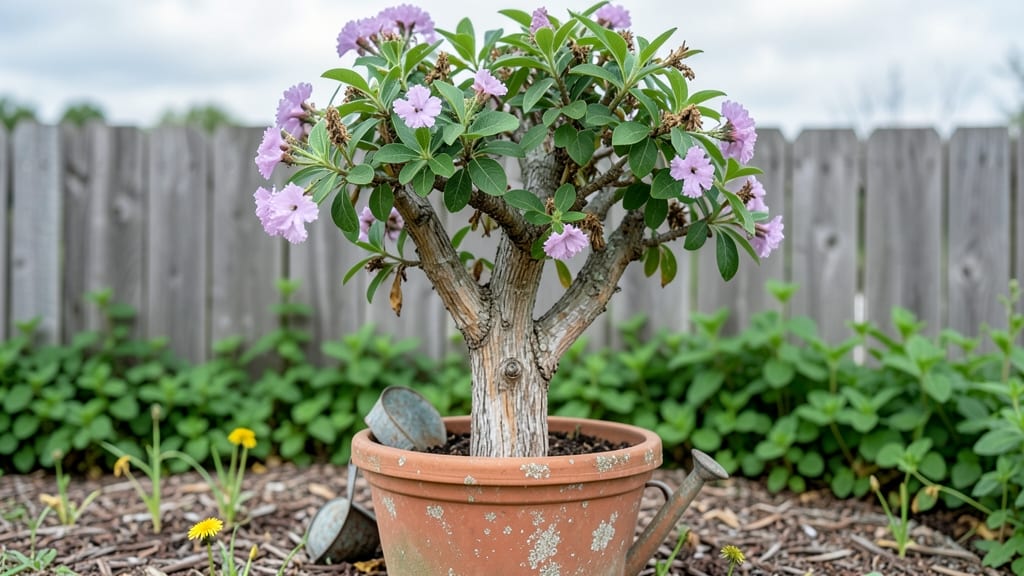
Explore the best living urn tree options for your Pacific Northwest garden—hardy, structured plants that thrive through winter and beyond. I’ve tested these frost-tolerant varieties in containers—some even handle our damp winters without losing leaves. The key? Choosing slow-growing species that thrive in confined spaces without becoming root-bound too quickly.
Think dwarf conifers like ‘Emerald Green’ arborvitae or ‘Sky Pencil’ holly, both of which stay compact yet provide dense evergreen coverage. For deciduous options, ‘Autumn Blaze’ maple or ‘Royal Purple’ smokebush deliver seasonal color shifts without outgrowing their urns.
All need well-draining soil and winter protection, but the trade-off is a frost-resistant canopy that outlasts seasonal pots.
You’ll end up with a three-season focal point that anchors patios, decks, or entryways—no more bare spots when neighbors’ gardens go dormant. Prune lightly in early spring to encourage bushier growth, and water deeply but less frequently once established.
The urn itself becomes part of the design, its textured bark and seasonal foliage creating visual interest year-round.
These trees work equally well in terracotta, fiberglass, or half-barrels, so you can match them to your aesthetic. Just remember: larger urns mean slower growth and better stability.
For the Pacific Northwest’s wet winters, add a layer of mulch around the base to prevent root rot while keeping the soil slightly moist but never soggy.
📚 In This Guide
- What you need
- Instructions
- Tips and common mistakes
- Wrapping up and next steps
What you need
- ● Tree of choice: Frost-resistant species like Japanese maple (Acer palmatum), dwarf Alberta spruce (Picea glauca 'Conica'), or ornamental cherry (Prunus serrulata). Ensure it’s 1–3 years old for best success.
- ● Biodegradable urn: A small, plantable urn made from seed paper or compostable clay (e.g., 3–5 inches in diameter). Check for seed-embedded designs.
- ● Potting soil: 1–2 gallons of high-quality, well-draining potting mix (avoid garden soil—it compacts too easily). Add perlite or vermiculite for aeration.
- ● Slow-release fertilizer: A balanced, organic fertilizer (e.g., 10-10-10 or fish emulsion) to nourish young roots.
- ● Watering can or spray bottle: For gentle hydration without disturbing the urn.
- ● Pruning shears: Sharp, sterilized shears (alcohol wipe between uses) to trim excess growth.
- ● Mulch: 1–2 inches of wood chips or shredded bark to retain moisture and insulate roots in winter.
- ● Gloves: Heavy-duty gardening gloves to protect hands from thorns or rough bark.
- ● Plant marker: A biodegradable tag to label your tree (e.g., with the loved one’s name or planting date).
- ○ Root stimulator: Optional mycorrhizal fungi powder to boost root development in cold climates.
- ● Windbreak: Temporary burlap or mesh screens if planting in exposed areas (PNW winds can stress young trees!).
- ● Winter wrap: Burlap or tree guard to protect the trunk from frost cracks (critical for first-year trees).
Step-by-step guide to selecting frost-resistant living urn trees for Pacific Northwest gardens
Transform your outdoor space with these hardy, low-maintenance trees that thrive in cold climates.
Assess Your Space and Microclimate
Begin by measuring the area where your living urn will sit. Most urns require at least 6 feet of clearance for mature growth, but check the specific variety’s mature height and spread—some dwarf cultivars stay under 4 feet. The Pacific Northwest’s coastal regions benefit from wind protection, so position urns near fences or buildings if winds exceed 15 mph.
Observe sunlight patterns throughout the day. Most frost-resistant urn trees prefer 6+ hours of direct sun, but varieties like Picea pungens (colorado blue spruce) tolerate partial shade. Note if your site has afternoon shade—this affects growth rate and winter survival. I always sketch a rough outline of the urn’s mature shape to visualize how it will fill the space over time.
Choose a Tree Species Suited to Zone 7-9
For reliable frost resistance, focus on conifers and broadleaf evergreens native to the Pacific Northwest. Thuja plicata (western red cedar) is a top choice—it handles 10°F temperatures without browning and grows 3-5 feet per year. Another excellent option is Pseudotsuga menziesii (Douglas fir), which develops a dense canopy that sheds snow naturally, reducing winter damage.
If you prefer flowering trees, consider Magnolia grandiflora (southern magnolia)—it’s rated for Zone 7 and blooms in late spring before summer heat arrives. For a smaller urn, Ilex crenata (Japanese holly) stays compact and thrives in Zone 6, making it ideal for urban gardens. Always verify the species’ cold hardiness rating before purchasing.
Prepare the Planting Site
Dig a hole twice as wide as the urn’s root ball but no deeper. Amend the native soil with 2 inches of compost mixed into the bottom and sides of the hole—this improves drainage while retaining moisture. The Pacific Northwest’s clay-heavy soils can suffocate roots, so I add a handful of perlite to the backfill mix for aeration.
Position the urn so the top edge sits 1-2 inches above ground level. This prevents water from pooling against the container during heavy rains, which can cause root rot. After placing the urn, backfill with the amended soil and tamp gently to remove air pockets. Water deeply until moisture seeps 6 inches below the surface—this ensures the root ball settles properly.
Establish Mulch and Watering Routine
Spread 3 inches of bark mulch over the soil surface, keeping it 6 inches away from the urn’s base to avoid moisture buildup. Mulch insulates roots during winter and retains soil moisture in summer. In the Pacific Northwest, where winter rains are frequent, I top-dress with an additional 1 inch of mulch in late fall to protect against temperature fluctuations.
Water newly planted urns twice weekly for the first month, then taper to once weekly once established. Check soil moisture by inserting a finger 2 inches deep—if dry, water until it’s damp but not soggy. Overwatering in winter can lead to fungal issues, so reduce irrigation to once every 2-3 weeks during dormant months. A drip irrigation system set to low flow is ideal for consistent moisture without over-saturating.
Prune and Monitor for Winter Readiness
Prune in early spring to remove dead branches and shape the canopy. Use clean, sharp shears to make cuts just above a healthy bud. Avoid heavy pruning in fall—it stresses the tree before winter and reduces its ability to harden off. In late autumn, apply a balanced fertilizer (10-10-10) to encourage root growth before dormancy.
Before the first frost, inspect the urn for gaps in the bark or exposed roots. Wrap the base with burlap if temperatures are expected to drop below 20°F for extended periods. Most frost-resistant urn trees recover well from cold snaps, but young specimens benefit from a lightweight frost cloth draped over the canopy during extreme events. Monitor for signs of stress—yellowing needles or wilting branches signal the need for adjustments in sunlight or water.
Tips & tricks for perfect frost-resistant living urn trees
These practical insights will help you select and maintain resilient trees that thrive in Pacific Northwest winters.
Species Selection: When choosing between conifers and broadleaf evergreens, prioritize native species like Thuja plicata or Pseudotsuga menziesii—they’ve evolved to handle the region’s 10°F minimum temperatures without browning. For flowering options, Magnolia grandiflora offers stunning blooms but requires careful site selection in Zone 7. I’ve found that dwarf cultivars like Ilex crenata provide excellent urban options while maintaining compact growth under 4 feet.
Site Preparation: The Pacific Northwest’s clay-heavy soils demand extra attention. Beyond the specified 2 inches of compost, consider adding 1 part sand to every 3 parts soil in the planting hole to improve drainage. Positioning the urn’s top edge 1-2 inches above ground level prevents waterlogging—a critical detail often overlooked. I always test soil moisture by inserting a finger 2 inches deep before watering to avoid over-saturation.
Winter Protection: For temperatures dropping below 20°F, wrap the urn base with burlap and drape a lightweight frost cloth over young specimens. This simple layering prevents frost cracks and desiccation. In coastal areas, wind protection becomes even more critical—positioning near fences or buildings reduces stress from winds exceeding 15 mph. I’ve seen dramatic differences in survival rates when these precautions are taken during the first winter.
Pruning Strategy: Early spring pruning is ideal, but if you must prune in late autumn, limit cuts to 25% of the canopy to avoid stressing the tree before dormancy. Always use clean, sharp shears and make cuts just above a healthy bud. I’ve noticed that trees pruned in fall often show delayed bud break the following spring—a clear sign of winter stress.
Pro Tips for Living Urn Tree Options
- These practical insights will help you select and maintain resilient trees that thrive in Pacific Northwest winters.
- For flowering options, Magnolia grandiflora offers stunning blooms but requires careful site selection in Zone 7.
- Site Preparation: The Pacific Northwest’s clay-heavy soils demand extra attention.
Frequently asked questions
Got questions about living urn trees?
Here are answers to the most common ones—helping you make the best choice for your Pacific Northwest garden!
What are the best frost-resistant tree options for a living urn?
For the PNW’s cold winters, consider Taxus baccata (English yew), Thuja occidentalis (arborvitae), or Ilex crenata (Japanese holly). These thrive in zones 6-8, handle snow, and grow well in urns with proper drainage. Avoid tropical species like citrus—they won’t survive PNW winters!
How long does it take for a living urn tree to grow to maturity?
Growth speed varies by species, but most container-grown trees reach urn-filling size (6–10 feet) in 3–7 years with consistent care. Dwarf varieties like Buxus microphylla may mature faster (2–4 years). Prune annually to encourage fullness and control height—less stress = faster growth!
Are living urn trees more expensive than traditional urns?
Upfront costs are higher—$150–$500 for a healthy urn-grown tree vs. $50–$150 for a ceramic urn—but they’re a long-term investment. Living urns offer renewable greenery, seasonal changes, and even potential resale value. Plus, they’re eco-friendly compared to disposable options!
Can I keep a living urn tree outside year-round in the PNW?
Yes! Most frost-resistant species handle PNW winters, but protect young trees with burlap wraps or move potted urns to a sheltered spot during extreme cold (<10°F). Ensure the urn has insulated sides and drainage holes to prevent root rot. Mulch the base in fall for extra warmth.
What do I do if my living urn tree turns brown or wilts?
Brown needles or wilting often signal overwatering, underwatering, or frost damage. Check soil moisture (top 1" should dry between waterings), trim dead branches, and inspect for pests. For frost damage, prune affected areas in spring—new growth will replace it! Pro tip: Use a fungicide if mold appears.
Are there alternatives to trees for living urns?
Try ornamental grasses (like Carex species), boxwood shrubs, or dwarf conifers for lower-maintenance options. Even herbaceous perennials (like Hellebores) work in larger urns—just ensure they’re cold-hardy and prune them back annually for shape.
Wrapping up and next steps
Choosing a living urn tree for your Pacific Northwest garden is a meaningful way to honor a loved one while embracing nature’s beauty—and the good news is, you don’t have to compromise on resilience!
From the sturdy Thuja plicata to the elegant Taxus baccata, these frost-resistant options thrive in your climate while offering lasting symbolism. Whether you’re drawn to evergreens, flowering varieties, or unique shapes, there’s a perfect match for your space and sentiment.
Ready to plant a piece of your legacy? Start small: research local nurseries for young saplings, sketch a planting plan, or even involve family in the selection process. Every tree planted is a gift that grows—both for you and the generations to come. 🌿✨