
Pruning
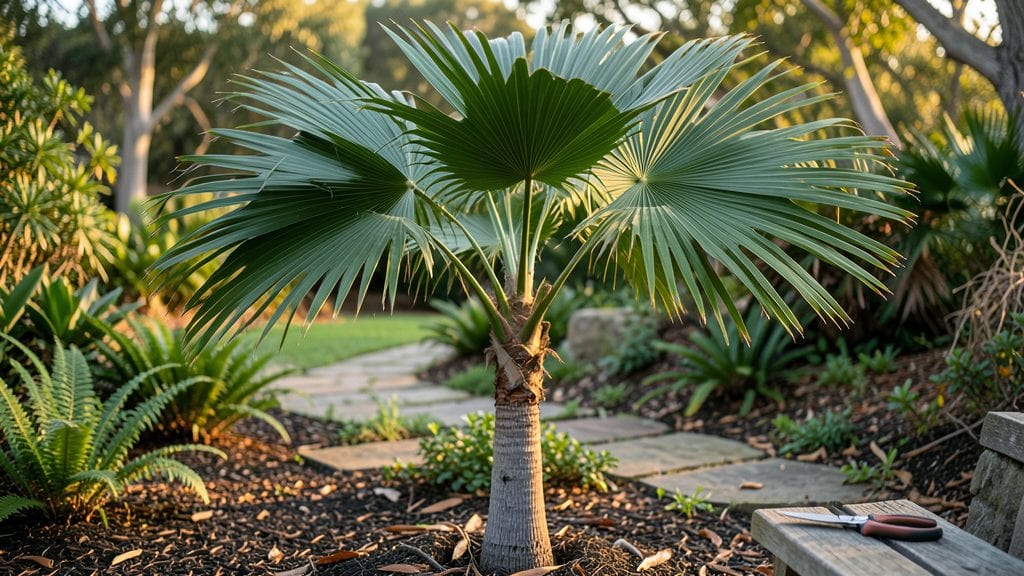
Growing a majesty palm tree outdoors in the Pacific Northwest means embracing its tropical roots while protecting it from frosts—something I learned the hard way after my first winter.
This elegant palm thrives in coastal climates where temperatures rarely drop below 20°F, making it a standout for urban gardens and landscaped yards. The key isn’t just planting it right; it’s understanding when to prune, how to shelter it, and which soil conditions keep it lush year-round.
You’ll need a spot with bright, indirect light—think dappled shade near a building or under tall trees—and well-draining soil mixed with compost to mimic its native tropical habitat.
Watering is simple but critical: keep the soil consistently moist but never soggy, especially during the first two years while roots establish. In colder months, a burlap wrap or frost cloth becomes your best friend, shielding the fronds from damage that can stunt growth for seasons.
Pruning isn’t just about aesthetics—it’s about health. Remove yellow or brown fronds at the base in late winter or early spring, just before new growth starts. This isn’t just for looks; it redirects energy to the crown, helping the tree recover faster from winter stress.
With the right care, your majesty palm will reward you with arching fronds and a sleek silhouette that stays vibrant even through Pacific Northwest winters.
Common mistakes? Overwatering in winter (which leads to root rot) or skipping the pruning entirely (which lets dead fronds weigh down the tree). But once you nail these basics, you’ll have a palm that feels like a tropical escape—without the travel. Ready to make yours thrive?
📚 In This Guide
- What you need
- Instructions
- Tips and common mistakes
- Wrapping up and next steps
What you need
- ● Majesty Palm Tree (1–3 plants, depending on space): Mature size: 15–25 ft tall, 6–10 ft wide
- ● USDA Zones 9b–11 (but hardy to 25°F with protection!)
- ● Well-draining soil mix (50 sq ft per tree): 60% native soil
- ● 30% compost
- ● 10% perlite/sand (for aeration)
- ● Organic mulch (3–4 inches): Pine bark or shredded leaves
- ● Slow-release fertilizer (10-10-10, 1 lb per tree)
- ● Pruning tools: Bypass pruners (for small fronds)
- ● Loppers (for thicker stems)
- ● Saw (for large branches, if needed)
- ● Frost protection: Burlap wraps (1–2 per tree)
- ● Frost cloth (rated for 25°F)
- ● String/zip ties (to secure coverings)
- ● Safety gear: Gloves, long sleeves, and eye protection
- ● Soil moisture meter (to track watering needs)
- ● Drip irrigation system (for consistent hydration)
- ● Pest control: Neem oil (for aphids/spider mites)
- ● Staking (if young trees need support in windy PNW conditions)
How to prune a Majesty palm for Pacific Northwest resilience
This is the method I’ve refined over years of growing palms in cooler climates—keeping them healthy through winter and thriving in summer.
Time Your Pruning to Avoid Frost Damage
Prune your Majesty palm in late spring, after the last frost date in your zone. In the Pacific Northwest, this is typically mid-May to early June when soil temperatures stay above 55°F. Pruning too early risks exposing fresh cuts to cold, which can invite fungal infections. I wait until new growth appears—usually 3-4 weeks after last frost—because that signals the tree has stored enough energy to recover from pruning.
If you’re in a microclimate with later frosts, delay until June 1st to be safe. Check the USDA Plant Hardiness Zone Map for your exact location—Majesty palms (Ravenea rivularis) are only marginally frost-tolerant, so timing matters. Avoid pruning in fall or winter entirely; the tree needs its full canopy to protect against unexpected cold snaps.
Remove Only Dead or Damaged Fronds
Start by inspecting the palm from top to bottom. Use clean, sharp bypass pruners to remove only fronds that are completely brown and dry—these are dead and won’t recover. Healthy fronds have a green midrib and some green tissue between segments. If you’re unsure, wait until the next pruning cycle; removing live fronds weakens the tree.
Cut each frond at the base of the trunk, where it meets the stem. Make a clean, 45-degree angle cut to prevent water from pooling. I like to sterilize my pruners between cuts with 70% isopropyl alcohol to avoid spreading disease. Never tear fronds—this leaves jagged edges that invite pests. Once removed, dispose of dead fronds immediately to prevent fungal spores from lingering near the trunk.
Thin Out Overcrowded or Weak Fronds
If your Majesty palm has more than 12 fronds, it’s time to thin. Focus on removing smaller, inner fronds that are blocking light from reaching the center of the plant. These fronds compete for nutrients and can lead to a weak, leggy appearance. Use your pruners to cut at the base, ensuring you leave at least 6-8 healthy, mature fronds remaining.
Here’s the trick: never remove more than 25% of the fronds in one pruning session. This ensures the palm retains enough energy to support new growth. After thinning, step back and assess the tree’s shape. You should see even light distribution across the canopy and no bare spots where fronds were clustered too densely.
Apply Protective Measures Before Winter
By mid-October, prepare your Majesty palm for winter. Wrap the trunk and base with burlap or frost cloth to protect against windburn and radiant frost. Secure the wrap with twine or straps, leaving the top open to allow air circulation. This prevents moisture buildup, which can rot the trunk during wet Pacific Northwest winters.
Mulch the root zone with 3-4 inches of shredded bark mulch (the 2 cubic feet you’ll need covers a 3-foot radius around the base). This insulates roots from temperature fluctuations. Water deeply before applying mulch to ensure the soil retains moisture. Avoid piling mulch against the trunk—keep it 6 inches away to prevent rot.
Monitor and Adjust Through the Growing Season
Check your palm monthly during the growing season for signs of stress. If fronds develop yellowing tips or brown edges, it’s often a sign of underwatering or fluoride sensitivity (common in PNW tap water). Switch to rainwater or filtered water if you notice this. Majesty palms prefer consistently moist but well-drained soil—never soggy.
If you notice new fronds emerging but growing slowly, the palm may need fertilizer. Apply a slow-release palm fertilizer in early spring and mid-summer, following the package rates. Over-fertilizing causes salt buildup, which burns roots. Always water deeply after fertilizing to leach excess salts away from the root zone.
Tips & tricks for pruning Majesty palms in the Pacific Northwest
Pruning palms in cooler climates requires precision—here’s how to avoid common pitfalls and ensure your Majesty palm thrives through PNW winters.
Timing is Everything: The late spring window (mid-May to early June) is non-negotiable for frost-sensitive Majesty palms. If you’re in a microclimate with later frosts, delay until June 1st to guarantee soil temperatures stay above 55°F. I’ve seen palms develop fungal infections after early pruning when unexpected cold snaps hit—wait for that new growth signal (3-4 weeks post-last frost) before cutting. This timing ensures the tree has stored enough energy to recover from stress.
Tool Selection Matters: Bypass pruners are essential for clean cuts, but don’t overlook sterilization. I keep a bottle of 70% isopropyl alcohol handy to wipe between cuts—this prevents cross-contamination of diseases like Ganoderma butt rot, which can be fatal. For stubborn fronds, a small handsaw works, but always make your cut at the base where the frond meets the trunk. The 45-degree angle isn’t just aesthetic; it prevents water pooling that leads to rot.
Stress Management for the Tree: Majesty palms are delicate about how much you remove at once. The 25% rule (never prune more than 25% of fronds in one session) is critical—this maintains the tree’s energy balance. After thinning, take a step back to check for even light distribution. Uneven light creates weak growth patterns, and you’ll notice this in the next growing season when new fronds emerge leggy or sparse. Think of it as a haircut: you want balance, not a radical transformation.
Winter Protection Hacks: The mid-October winter prep is where many gardeners slip up. Burlap wraps work, but I’ve found frost cloth breathes better and lasts longer—just secure it loosely to avoid moisture buildup. For mulching, the 3-4 inch layer (2 cubic feet for a 3-foot radius) is perfect, but here’s the trick: water deeply before applying. This creates a moisture barrier that insulates roots better than dry mulch. And always keep that mulch 6 inches away from the trunk—close mulch is a recipe for rot in our damp winters.
Pro Tips for Majesty Palm Tree Outdoor
- Pruning palms in cooler climates requires precision—here’s how to avoid common pitfalls and ensure your Majesty palm thrives through PNW winters.
- Timing is Everything: The late spring window (mid-May to early June) is non-negotiable for frost-sensitive Majesty palms.
- Tool Selection Matters: Bypass pruners are essential for clean cuts, but don’t overlook sterilization.
Frequently asked questions
Got questions about growing and maintaining your majesty palm tree outdoors in the Pacific Northwest? Here are some common concerns—and their answers—to help you keep your tropical beauty thriving year-round.
Can a Majesty Palm Survive Winter in the Pacific Northwest?
The good news is yes! Majesty palms are frost-resistant (down to ~20°F) and can handle PNW winters with proper care. Mulch heavily around the base, wrap the trunk with burlap if needed, and avoid overwatering. Young trees may need extra protection, but mature palms usually bounce back with minimal stress.
When Is the Best Time to Prune a Majesty Palm?
Prune only when necessary—typically in late winter or early spring (February–March) before new growth starts. Avoid heavy pruning in fall, as it can stress the tree before winter. Focus on removing dead fronds or fronds that drag on the ground, but never cut more than 1/3 of the crown at once.
What If My Majesty Palm’s Fronds Turn Brown or Yellow?
Brown/yellow fronds usually signal underwatering, overwatering, or nutrient deficiency. Check the soil—it should stay slightly moist but not soggy. Adjust watering, and fertilize in spring and summer with a palm-specific feed. If the issue persists, test for pests (like spider mites) or fungal issues, which are rare but possible in damp PNW climates.
Are There Frost-Resistant Alternatives to Majesty Palms?
If you love the look but want even more cold-hardy options, consider:
- Windmill Palm (Trachycarpus fortunei) – Survives down to 0°F!
- Needle Palm (Rhapidophyllum hystrix) – Thrives in shade and cold.
- Dwarf Palmetto (Sabal minor) – Handles 10°F with ease.
How Do I Prune Dead Fronds Without Harming the Tree?
Use clean, sharp pruners or a palm saw to cut fronds at the base of the trunk, leaving a small stub. Avoid tearing fronds—this can damage the tree. For large fronds, use a pruning saw and cut in a smooth motion. Wear gloves (palm fronds can be spiky!) and disinfect tools between cuts to prevent disease.
Wrapping up and next steps
Growing a Majesty Palm Tree in the Pacific Northwest is absolutely doable—even with cooler climates and frost! 🌿 With the right pruning calendar, frost-resistant care, and a little patience, your palm can thrive outdoors year after year.
Remember, timing is everything: prune in late winter or early spring, protect it from harsh frosts, and keep it healthy with proper watering and soil.
Ready to give your Majesty Palm the love it deserves? Start small—whether it’s adjusting your pruning schedule or creating a cozy microclimate—then watch it flourish! 🌟 Your outdoor oasis is just a trim away.