
Pruning
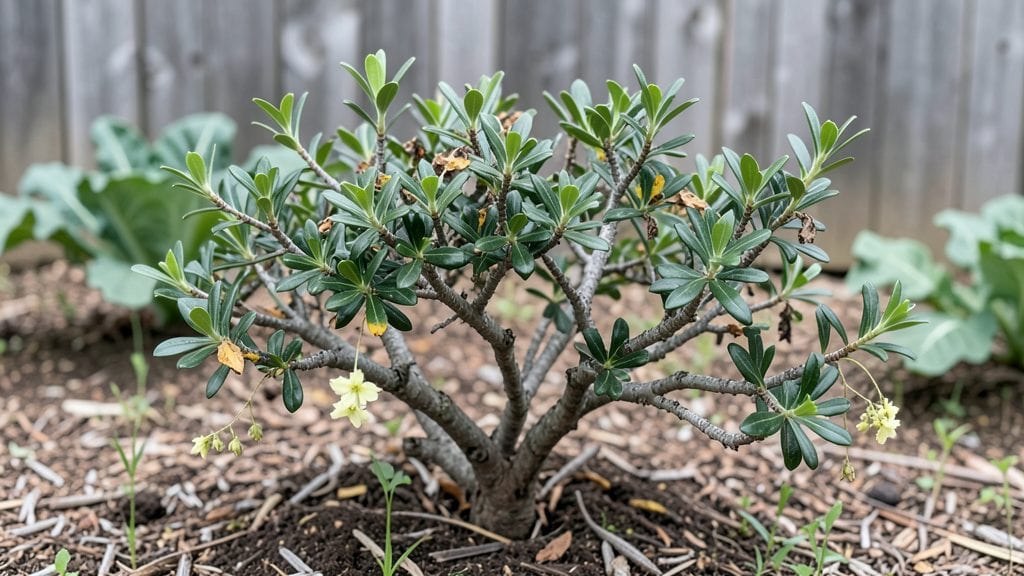
Growing a mastic tree from Chios means bringing a piece of the Mediterranean straight to your landscape—its silvery foliage and golden resin are pure magic. 🌿 I’ve nurtured these trees for years, and the secret to their success lies in mimicking their rocky, sun-drenched homeland, where they thrive on neglect and produce the prized mastic gum used for centuries in food and medicine.
The mastic tree is shockingly low-maintenance once established—drought-tolerant, salt-resistant, and happy in poor soil. You’ll need full sun (6+ hours daily) and well-draining rocky or sandy soil, but the real reward comes when you see the resin ooze from the bark, a golden treasure that hardens into the edible gum.
Pruning is minimal, mostly to shape young trees or encourage resin flow.
Start with cuttings for faster results (seeds take years to mature), and within a few seasons, you’ll have a sturdy, aromatic shrub or small tree. The leaves stay silvery-green year-round, the bark develops a rugged charm, and the resin—harvested by carefully scraping the trunk—becomes your own edible gold.
Perfect for coastal gardens, rocky slopes, or even containers.
Here’s the twist: these trees handle heat and salt spray like champions, making them ideal for Mediterranean climates or coastal zones. Just avoid heavy clay soils, and you’re golden—literally. Let’s get yours growing!
📚 In This Guide
- What you need
- Instructions
- Tips and common mistakes
- Wrapping up and next steps
What you need
- ● Mastic Tree Saplings: 1–3 young, healthy saplings (2–3 years old, ~12–18 inches tall)
- ● Source: Local nurseries in Chios or certified Mediterranean plant suppliers
- ● Well-Draining Soil: 50% native Chios soil (sandy-loam, slightly alkaline)
- ● 30% perlite or coarse sand (for drainage)
- ● 20% compost (organic matter for nutrients)
- ● Container or Planting Hole: For containers: 1–2 large pots (12–18 inches deep, with drainage holes)
- ● For ground planting: Hole twice as wide as the root ball, 12–18 inches deep
- ● Pruning Tools: 1 pair of bypass pruners (sharp, sterilized)
- ● 1 pruning saw (for thicker branches, if needed)
- ● Mulch: 3–4 inches of gravel or pine bark (to retain moisture and deter weeds)
- ● Watering Can or Hose: With a gentle spray nozzle (to avoid damaging young roots)
- ● Soil pH Tester: Ensures your soil is slightly alkaline (pH 7.5–8.5, ideal for mastic trees).
- ● Root Stimulator: A liquid or powder (e.g., mycorrhizal fungi) to boost root growth.
- ● Tree Support Stakes: 2–3 stakes and soft ties for young saplings in windy areas.
- ● Resin Collection Kit: Small containers or jars (for harvesting mastic gum later!).
- ● Gloves & Safety Goggles: For pruning and handling resin (some may irritate skin).
Step-by-step instructions for cultivating a mastic tree in Chios-style
Here's how to grow this prized Mediterranean tree with resin-rich rewards.
🌱 Step 1: Select and Prepare the Ideal Planting Site
Choose a location with full sun exposure—at least 8 hours daily—and well-draining soil. Mastic trees thrive in rocky, calcareous soils similar to their native Chios terrain. If your soil is heavy clay, amend it with 1/3 sand and 1/3 coarse gravel to mimic Mediterranean conditions.
Dig a hole twice as wide as the root ball but no deeper. The top of the root ball should sit 1 inch above ground level—this prevents waterlogging, which mastic trees despise. I always test drainage by filling the hole with water; if it doesn't drain within 30 minutes, add more gravel to the bottom.
☀️ Step 2: Plant and Establish Young Trees
Gently remove the sapling from its container and loosen any circling roots with your fingers. Place it in the hole, backfilling with the amended soil while firming it lightly around the roots. Water deeply to settle the soil and eliminate air pockets. You'll know it's right when the surface looks slightly damp but not soggy.
Mulch around the base with 2-3 inches of gravel or crushed stone—organic mulch retains too much moisture. Keep the mulch 6 inches away from the trunk to prevent rot. Water once weekly for the first month, then reduce to every 2 weeks once established. Overwatering is the fastest way to kill a mastic tree.
🌿 Step 3: Prune for Structure and Resin Production
Prune young trees in late winter to shape the canopy and encourage dense growth. Remove any dead, diseased, or crossing branches first. Then, trim back 1/3 of the new growth from the previous season to stimulate bushier growth. Mastic trees respond well to pruning, but avoid heavy cuts—this tree values its slow, steady development.
Here's the thing—mastic resin production increases with sun exposure and air circulation. Thin out interior branches to let light penetrate to the center. You'll see the difference in 2-3 years as the tree develops a sturdy, open canopy. Never prune in summer; the sap flows too heavily, and wounds take longer to heal.
⏰ Step 4: Monitor for Pests and Harvest Resin
Mastic trees are generally pest-resistant, but watch for scale insects or aphids on new growth. Spray with neem oil if you spot sticky residue on leaves. The real magic happens when the tree matures—after 10-15 years, you can harvest resin by making small incisions in the bark during late spring or early summer.
Collect the resin as it oozes out, then purify it by melting and filtering. First harvests yield only a few ounces, but a mature tree can produce up to 2 pounds annually. Patience is key—this tree rewards long-term care with its golden, aromatic treasure.
Tips & tricks for perfect mastic tree cultivation
Real talk: Growing a mastic tree isn't a quick fix—it's a long-term commitment that pays off in golden rewards. Here's what nobody tells you about nurturing this Mediterranean treasure.
Soil Science: That 1/3 sand and 1/3 gravel mix isn't just random—it's mimicking the rocky limestone soils of Chios. I learned this the hard way after my first tree struggled in heavy clay. The gravel creates air pockets that prevent waterlogging, which is deadly for mastic roots. If you're in doubt, test your amended soil's drainage by filling the planting hole with water; it should drain completely within 30 minutes.
Watering Wisdom: The first month's weekly watering schedule is critical, but don't get lazy. I see people overwatering all the time—stick to that once-weekly rule religiously. After establishment, the every-2-weeks schedule gives you room to adjust based on rainfall. A good rule of thumb: Water when the top 2 inches of soil feel dry, but never let the soil stay soggy for more than a day.
Pruning Precision: When you trim back that 1/3 of new growth in late winter, you're not just shaping the tree—you're signaling it to produce more resin-rich branches. I always use sharp, sterilized pruners to make clean cuts just above a leaf node. And here's the secret: The 2-3 year timeframe for seeing results assumes you prune correctly. If you're impatient and over-prune, you'll delay resin production by years.
Pest Patrol: That neem oil recommendation is your first line of defense against scale and aphids, but don't wait until you see sticky residue. Inspect new growth weekly during spring and summer. I spray preventatively every 6 weeks—it's the only way to keep these pests from becoming a real problem. And never use chemical pesticides; mastic trees are sensitive to synthetic treatments.
Pro Tips for Mastic Tree Chios
- Real talk: Growing a mastic tree isn't a quick fix—it's a long-term commitment that pays off in golden rewards.
- Soil Science: That 1/3 sand and 1/3 gravel mix isn't just random—it's mimicking the rocky limestone soils of Chios.
- Watering Wisdom: The first month's weekly watering schedule is critical, but don't get lazy.
Frequently asked questions
Got questions about growing and caring for the mastic tree (Chios)? Here are some of the most common ones—and their answers—to help you cultivate this Mediterranean treasure with confidence!
How long does it take for a mastic tree to produce resin?
A mastic tree typically takes 5 to 10 years to mature enough to produce resin, though some may start earlier under ideal conditions. Patience is key—healthy trees in well-drained soil and full sun yield the best resin harvests. Young trees focus on root and canopy growth first!
Can mastic trees survive cold winters?
Mastic trees (Pistacia lentiscus) are hardy but prefer mild climates (USDA Zones 8-10). While they can tolerate brief dips to 15°F (-9°C), prolonged freezing may damage leaves or young growth. In colder regions, grow them in containers or protected microclimates for winter safety.
What’s the best way to prune a mastic tree for resin production?
Prune in late winter or early spring to shape the tree and encourage resin flow. Focus on:
- Removing dead or crossing branches (use clean, sharp tools).
- Avoid heavy pruning—mastic trees thrive with a natural, open canopy for sunlight exposure.
- Lightly trim overgrown suckers at the base to redirect energy to resin production.
Are there any pests or diseases I should watch for?
Mastic trees are generally resilient, but keep an eye out for:
- Scale insects (sap-sucking pests)—treat with neem oil or horticultural soap.
- Root rot (from overwatering)—ensure well-draining soil to prevent this.
- Leaf spot fungi in humid conditions—prune affected leaves and improve airflow.
Can I grow a mastic tree in a container?
Yes! Mastic trees adapt well to containers if you:
- Use a large pot (15+ gallons) with drainage holes.
- Plant in fast-draining mix (cactus/succulent blend + perlite).
- Move indoors or to a sunny patio in winter if temps drop below 20°F (-6°C).
Wrapping up and next steps
Growing a mastic tree (Chios) in your garden is a rewarding journey—combining beauty, resilience, and the unique treasure of its resin. Whether you’re drawn to its fragrant blossoms, drought-resistant charm, or the potential for harvesting golden mastic, this Mediterranean gem thrives with patience and care. 🌿✨
Now that you’re equipped with the know-how, why not take the next step? Start small with a sapling or even a cutting, and watch as your Pistacia lentiscus becomes a stunning centerpiece—plus, a source of natural wonder. Happy growing! 🌱