
Pruning
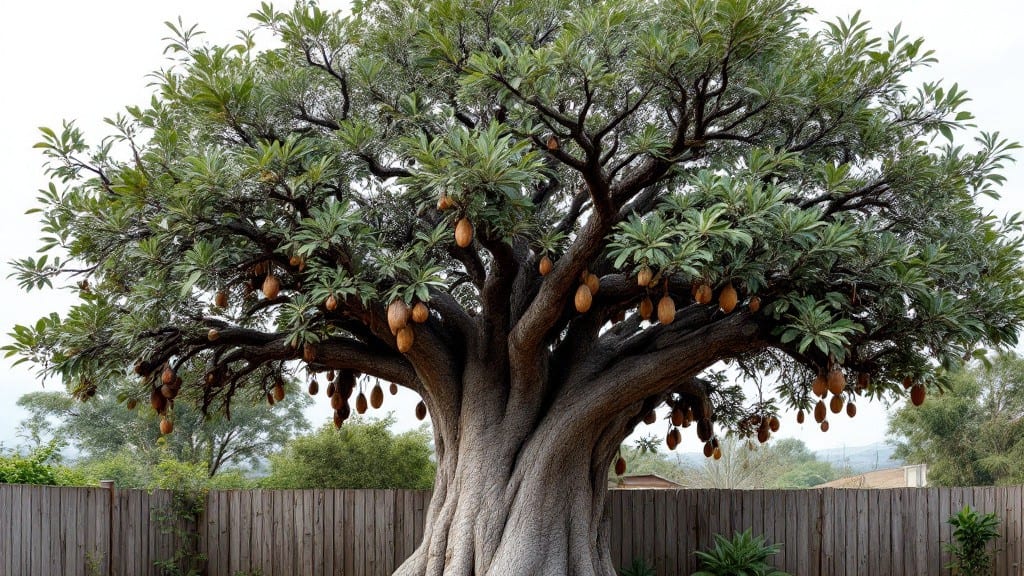
The baobab tree fruit you’ve seen in health stores isn’t just exotic—it’s shockingly easy to grow in the right conditions. 🌱 I planted my first baobab seedling in a container three years ago, and now it’s thriving with its iconic swollen trunk, even in our dry climate.
The key isn’t just patience—it’s understanding how this ancient tree adapts to neglect while still producing its prized fruit.
This drought-resistant giant loves hot, dry climates but can handle brief cold snaps once established. Start with well-draining soil and a sunny spot—think full sun, 6+ hours daily—and you’ll avoid the most common rookie mistakes.
Baobabs hate soggy roots, so raised beds or containers with drainage holes work best for beginners. The first few years focus on root growth, not fruit, but with consistent care, you’ll see those signature baobab pods in 3-5 years.
Harvesting is the best part: the fruit’s powdery interior is packed with vitamins and fiber, and the tree’s gnarled branches make for stunning shade. Prune lightly to shape the trunk (yes, it’s intentional!) and watch as your tree becomes the centerpiece of your landscape.
The real magic? Once established, it barely needs watering—just occasional deep soaks during droughts.
Perfect for desert landscapes, containers, or even as a bonsai-style curiosity. Whether you’re growing one for its fruit, its drama, or its resilience, this tree delivers on all counts. Let’s get those seeds planted—or at least started!
📚 In This Guide
- What you need
- Instructions
- Tips and common mistakes
- Wrapping up and next steps
What you need
- ● Baobab seeds: 3–5 high-quality, dried baobab seeds (ensure they’re viable—soak in warm water overnight to test).
- ● Well-draining soil: 5–10 gallons of a mix of: 60% cactus/succulent soil
- ● 20% perlite or pumice
- ● 20% coarse sand or gravel
- ● Containers: 2–3 gallon pots with drainage holes (or a nursery bed in arid climates).
- ● Pruning tools: Bypass pruners (for clean cuts)
- ● Sterilized saw (for thicker branches)
- ● Garden shears (for shaping)
- ● Fertilizer: Balanced, slow-release fertilizer (10-10-10 or organic compost like worm castings).
- ● Watering can or hose: With a gentle spray nozzle (baobabs hate soggy roots!).
- ● Mulch (gravel or bark chips) to retain moisture and deter weeds.
- ● pH test kit (ideal soil pH: 6.0–7.5).
- ● Garden gloves (baobab thorns are sharp!).
- ● Shade cloth (for young seedlings in hot climates).
- ● Tree stakes and ties (if planting outdoors in windy areas).
Step-by-step guide to cultivating a fruit-bearing baobab tree
Here’s how to nurture this ancient giant into a thriving, drought-resistant fruit producer.
🌱 Step 1: Select and Prepare the Seed for Planting
The baobab’s massive potential begins with a single seed. Choose a plump, dark brown seed—the larger the seed, the stronger the potential tree. Soak it in warm water for 24 hours to soften the hard outer shell and kickstart germination. This step is critical: a dry seed may take months or never sprout.
After soaking, place the seed between two damp paper towels in a sealed plastic bag. Store it in a warm (75–85°F), dark location—like a sunny windowsill wrapped in aluminum foil. Check daily for moisture; the towels should stay damp but not soggy. Within 7–14 days, you’ll see a tiny white root emerge—a sure sign germination has begun.
Once the root reaches 1–2 inches, it’s time to plant. The seedling’s first weeks are delicate, so handle it gently. Transplanting too soon risks damaging the root, while waiting too long can stress the young plant.
🪴 Step 2: Plant in Well-Draining, Sandy Soil
Baobabs thrive in poor, well-draining soil—mimic their native African savanna by using a mix of sandy loam, perlite, and a small amount of compost (no more than 10%). Avoid rich garden soil; it promotes weak, waterlogged roots that rot easily. A 5-gallon container is ideal for the first year, as baobabs hate root disturbance.
Plant the seedling no deeper than it was in its nursery pot—burying too deep suffocates the stem. Water lightly immediately after planting, then let the soil dry completely before watering again. Overwatering at this stage is the fastest way to kill a baobab seedling. You’ll know it’s thriving when new leaves appear in 4–6 weeks—they should be small, oval, and glossy green.
Place the container in full sun (6+ hours daily). Baobabs are sun-worshippers; even partial shade slows growth. If indoors, supplement with a grow light positioned 12 inches above the plant for 12–14 hours daily. Without enough light, seedlings stretch leggily and weaken.
☀️ Step 3: Transition to Outdoor Conditions Gradually
After 12–18 months, when the seedling reaches 3–4 feet tall, it’s ready for its first outdoor test. Choose a sheltered, sunny spot with well-draining soil—baobabs despise soggy roots. Harden off the plant by moving it outside for 1–2 hours daily, gradually increasing exposure over 2–3 weeks. Watch for wilting or yellowing leaves—signs it’s not ready for full sun yet.
Once acclimated, transplant to the ground in spring or early fall, avoiding frost. Dig a hole twice as wide as the root ball but no deeper. Baobabs have shallow roots that spread wide, not deep. Backfill with native soil, tamp gently, and water deeply. Mulch with 2 inches of gravel or coarse sand to improve drainage—this mimics their natural habitat.
In its first outdoor year, the baobab will focus on root growth. You’ll see slow but steady trunk thickening—a good sign. Avoid fertilizing; baobabs grow best in nutrient-poor soil. Over-fertilizing leads to weak, fast-growing wood that snaps in storms.
⏰ Step 4: Prune and Manage for Fruit Production
Baobabs fruit best when unpruned, but strategic trimming encourages stronger structure. Remove dead, diseased, or crossing branches in late winter or early spring before new growth begins. Use sterilized pruners to make clean cuts just above a lateral bud. Never remove more than 20% of the canopy at once—baobabs are slow to recover.
Fruit production typically starts 3–5 years after planting, but patience is key. Female flowers appear on older wood, so avoid heavy pruning of mature branches. Once flowers bloom, hand-pollinate them with a small brush to ensure fruit set. Baobab fruit takes 6–8 months to mature, so don’t harvest prematurely—immature fruit is bitter and inedible.
Water sparingly—even as an adult, baobabs are drought-tolerant. Overwatering causes root rot, which can kill a mature tree in weeks. In arid climates, one deep watering every 2–3 weeks is sufficient. In wetter regions, reduce to once a month during dry spells.
🌿 Step 5: Harvest and Store the Fruit
Baobab fruit is ready when it dries on the tree and turns brown and papery. Harvest by hand, twisting gently until the fruit releases. The woody pod contains a white, powdery pulp—the edible part—surrounded by seeds. Crack open the pod with a hammer or mallet, then sift out the pulp. Store dried pulp in an airtight container for up to 6 months; it keeps indefinitely in the freezer.
Here’s the thing—baobab fruit is not for fresh eating. The raw pulp is extremely bitter and must be processed into powder, tea, or fermented drinks. Toast the dried pulp in a low oven (200°F) for 10–15 minutes to enhance flavor before grinding into a fine powder. This powder is a nutrient powerhouse, rich in calcium, magnesium, and vitamin C.
Real talk: Your first harvest might be small—baobabs are slow to mature. But once established, a healthy tree produces hundreds of pounds of fruit annually. With proper care, your baobab will live for centuries, becoming a living landmark in your landscape.
Tips & tricks for perfect baobab tree cultivation
These game-changing insights will help you coax life from a baobab seed and nurture it into a fruit-bearing giant.
Germination Precision: The 24-hour warm soak is non-negotiable—this softens the seed's armor-like shell and jumpstarts the life force inside. I learned this the hard way after watching seeds sit for months without sprouting. After soaking, maintain that 75–85°F warmth consistently. A heat mat under your windowsill can help stabilize this crucial temperature range, especially if your home runs cooler. The moment you see that first white root emerge (usually within 7–14 days), resist the urge to rush planting—wait until it reaches 1–2 inches for maximum resilience.
Soil Science Secret: That sandy loam-perlite mix isn't just about drainage—it's about mimicking the baobab's native African savanna conditions. I've seen beginners use regular potting soil and watch their seedlings develop root rot within weeks. The key is the 10% compost limit—just enough to support growth without encouraging weak, waterlogged roots. After planting, let the soil dry completely between waterings; baobabs hate soggy feet. This drought tolerance starts from day one.
Lighting Strategy: Baobabs are sun worshippers, but their first year indoors requires careful light management. That 12–14 hours of grow light at 12 inches isn't just arbitrary—it prevents leggy growth while providing the intense light these desert natives crave. I've seen seedlings stretch to 3 feet tall in search of light when kept in dim conditions. If using natural light, rotate your container daily so all sides receive equal exposure. The goal is compact, sturdy growth that can handle future outdoor conditions.
Transplanting Wisdom: The 12–18 month mark for outdoor transition might seem like forever, but it's when your baobab develops the root strength to handle real-world conditions. When hardening off, start with just 1–2 hours daily to avoid shock. I've watched seedlings wilt dramatically when moved too quickly to full sun. After transplanting, that 2-inch gravel mulch isn't just decorative—it improves drainage and mimics the rocky savanna soil where baobabs evolved. Remember, shallow but wide roots are the name of the game.
Pro Tips for Fruit Baobab Tree
- These game-changing insights will help you coax life from a baobab seed and nurture it into a fruit-bearing giant.
- Germination Precision: The 24-hour warm soak is non-negotiable—this softens the seed's armor-like shell and jumpstarts the life force inside.
- Soil Science Secret: That sandy loam-perlite mix isn't just about drainage—it's about mimicking the baobab's native African savanna conditions.
Frequently asked questions
Got questions about growing and harvesting baobab fruit?
Here are answers to the most common queries—from patience tips to troubleshooting—so you can thrive with this drought-resistant giant!
How long does it really take for a baobab tree to produce fruit?
A baobab tree typically takes 3–5 years to mature enough for fruit production, but some varieties may take up to a decade in cooler climates. Patience is key—focus on nurturing strong roots and a sturdy trunk first! Pro tip: Prune aggressively in early years to encourage faster growth.
Can I grow a baobab tree in a pot, or does it need to be planted directly in the ground?
Baobabs prefer ground planting due to their massive root systems, but young saplings (under 2 years old) can thrive in large containers (20+ gallons) with excellent drainage. Use a well-draining cactus/succulent mix and repot every 2–3 years. Just know: Potted baobabs rarely fruit—plant outdoors ASAP for success!
Why isn’t my baobab tree flowering or fruiting after 5+ years?
Common culprits include insufficient sunlight (baobabs need full sun, 6+ hours daily), poor soil (they hate soggy roots!), or immature age. Check for pests (like borers) or nutrient deficiencies (add phosphorus-rich fertilizer in spring). If all else fails, your tree might need 1–2 more years to mature.
How do I harvest and store baobab fruit for the best flavor?
Harvest when the pods turn brown and split open naturally (usually late summer/fall). Scoop out the seeds and pulp, then dry the pulp in a low oven (150°F/65°C) or dehydrator for 24–48 hours. Store dried pulp in airtight containers for up to 2 years—it’s packed with vitamin C! Warning: Fresh pulp is very tart; always dry or ferment it first.
Are there any fast-growing baobab alternatives for quicker fruit?
If you’re impatient, try Adansonia digitata (African baobab) hybrids or smaller baobab relatives like Pachypodium species, which fruit faster (1–3 years) but yield tiny, less nutritious pods. For edible, fast fruit, consider moringa or desert date trees—they’re drought-tolerant and harvest in 1–2 years!
How do I protect my baobab tree from pests and diseases?
Baobabs are tough but can fall prey to baobab borers (watch for sawdust-like frass) or fungal root rot in wet soils. Prevent pests with neem oil sprays and prune dead branches regularly. For rot, ensure well-draining soil and avoid overwatering. Mulch with gravel to deter moisture-loving fungi.
Wrapping up and next steps
The baobab tree fruit is a remarkable addition to any garden—packed with drought resistance, nutritional benefits, and a unique harvest experience. With patience and care, you can enjoy its edible fruit in just 3-5 years, making it a rewarding long-term project for both beginners and seasoned gardeners. 🌱
Ready to take the next step? Start by gathering your supplies, choosing the right location, and planting your baobab seed or sapling. Whether you’re growing it for its fruit, shade, or resilience, your baobab tree will thrive—and so will your gardening confidence! 🌟