
Pruning
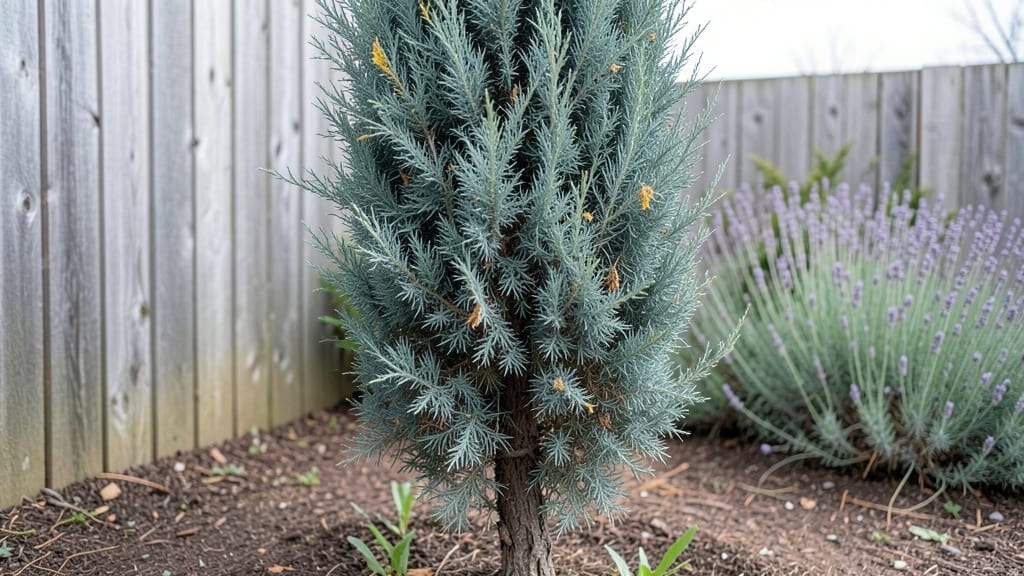
Proper Mediterranean cypress tree care is all about timing—my first winter pruning left branches brittle and prone to snapping until I discovered the cold-resilient method. that keeps these trees sturdy for decades.
The key isn’t just when to trim but how to shape them so they handle frost without losing their iconic silhouette.
You’ll need sharp pruning shears, a ladder (for taller trees), and a clear day when temperatures are above freezing. Start by removing dead or crossing branches first—they’re the weak points that freeze first.
Then focus on thinning out the interior to improve airflow, which helps prevent fungal issues that thrive in damp, cold conditions. This approach saves time and keeps your tree looking natural while building resilience.
What you’ll end up with is a tree that stays lush and upright through winter, with fewer broken branches come spring. The foliage remains vibrant, and new growth emerges stronger after pruning.
Best of all, you’ll avoid the common mistake of over-trimming in late fall, which stresses the tree just as cold weather arrives. Ready to give your cypress the care it deserves?
This method works for both young saplings and mature trees, though larger specimens may need staggered pruning over a few seasons. Whether you’re in a coastal climate or inland, the same principles apply—just adjust timing slightly for your local frost dates. Let’s get those branches in shape for winter!
📚 In This Guide
- What you need
- Instructions
- Tips and common mistakes
- Wrapping up and next steps
What you need
- ● Pruning shears: Bypass pruners (for small branches, 1/4”–3/8” cuts)
- ● Loppers: 6”–8” bypass loppers (for branches 1”–2” thick)
- ● Pruning saw: Curved-tooth saw (for branches 2”+ thick)
- ● Disinfectant: 70% isopropyl alcohol or diluted bleach (to sterilize tools)
- ● Gloves: Heavy-duty work gloves (for protection)
- ○ Pruning sealant: Tree wound sealant (optional, for large cuts)
- ● Ladder or step stool: Sturdy, tall enough to reach branches safely
- ● Extension pole: For high branches (with pruning saw attachment)
- ● Tarp or drop cloth: To catch debris
- ● Sharpie or marker: For labeling branches to remove
- ● Safety glasses: To protect eyes from debris
- ● Mulch: Organic mulch (2–3” layer) for post-pruning care
Step-by-step guide for pruning Mediterranean cypress trees
Pruning these elegant evergreens keeps them healthy and cold-hardy for decades.
Choose the Right Season for Pruning
Prune Mediterranean cypress trees in late winter or early spring, just as new growth begins. This timing ensures you remove dead wood before the tree puts energy into fresh foliage, while avoiding late-summer stress that weakens cold resilience. Wait until temperatures consistently stay above 40°F—pruning in freezing conditions can shock the tree and invite disease.
If you spot dead branches anytime, remove them immediately—these are entry points for pests and rot. But for general shaping, stick to the dormant season. You’ll notice fresh, bright green buds forming along the branches in late winter; that’s your cue that the tree is waking up and ready for a haircut.
Gather Tools and Prepare the Tree
Use sharp, clean pruning shears for small branches and a pruning saw for thicker stems over ½ inch in diameter. Sterilize your tools with rubbing alcohol to prevent spreading disease between cuts. Wear gloves—cypress needles can be sharp, and sap may irritate skin.
Inspect the tree for signs of stress: brown, brittle branches or yellowing needles. These indicate areas that need removal. Avoid cutting into healthy green tissue—always prune just outside the branch collar, the swollen area where the branch meets the trunk. This ensures the wound heals properly and minimizes disease risk.
Remove Dead or Damaged Branches First
Start by cutting out any dead, diseased, or crossing branches. Dead wood is easy to spot—it’s dry, brittle, and falls away from the trunk when gently shaken. Diseased branches may ooze sap or have discolored patches. Remove these first to improve airflow and reduce pest attraction.
Next, look for branches rubbing against each other or growing inward. These compete for sunlight and nutrients, weakening the tree. Cut these at their base, making a clean slice just outside the branch collar. Avoid leaving stubs—they trap moisture and invite rot. If a branch is too thick for shears, use the pruning saw and make the cut at a slight angle to shed water.
Shape the Tree for Balance and Cold Resilience
Mediterranean cypress trees thrive with an open, airy shape that allows sunlight to reach the inner branches. Aim to remove no more than 25% of the tree’s foliage in a single session—this prevents shock. Focus on thinning out dense areas, especially near the center, to improve light penetration and airflow.
For cold resilience, prioritize removing branches that block wind from circulating around the tree. Wind exposure helps harden the wood and reduces winter damage. Step back frequently to check your progress—you want a natural, tapered silhouette that narrows slightly toward the top. Avoid over-pruning the top; this can expose the tree to harsh winter winds and sun scorch.
Clean Up and Monitor Recovery
After pruning, rake up and dispose of all clippings—don’t leave them beneath the tree. Wet debris can harbor fungi and pests. Sterilize your tools again with rubbing alcohol to prevent cross-contamination if you plan to prune other trees later.
Water the tree deeply after pruning to help it recover, especially if the weather is dry. Monitor the pruning wounds for 2-3 weeks—they should seal over with a calloused layer. If you see oozing sap or discoloration, apply a tree wound sealant to protect the area. Over the next growing season, the tree will fill in any gaps, and its cold resilience will strengthen with each healthy pruning cycle.
Tips & tricks for pruning Mediterranean cypress trees
Pruning these graceful evergreens might seem intimidating, but a few key insights will help you achieve a healthier, more resilient tree that thrives through winter.
Timing is Everything: The late winter to early spring window isn't just about avoiding summer stress—it's about catching the tree at its most dormant yet resilient state. Those fresh green buds forming in late winter? That's your perfect cue. If you must prune outside this window, wait until temperatures consistently stay above 40°F to prevent shock. I learned this the hard way after seeing a tree I pruned too early develop fungal spots from the stress.
Tool Selection Matters: Using the right tool for each branch size makes all the difference. Your pruning shears should be sharp enough to cut cleanly through branches up to ½ inch thick—dull blades crush rather than cut, causing unnecessary damage. For thicker branches, the pruning saw's angled cut helps water shed away from the wound, reducing rot risk. Don't forget to sterilize between cuts, especially if you're working with multiple trees.
Branch Collar Technique: This is where most people go wrong. Always make your cut just outside the branch collar—the swollen area where the branch meets the trunk. Cutting flush with the trunk creates a larger wound that takes longer to heal and invites disease. The branch collar contains healing tissues that help the tree seal the wound naturally. Think of it as the tree's natural bandage—preserve it whenever possible.
Monitoring Recovery Pays Off: Those 2-3 weeks of monitoring might feel like overkill, but it's during this period that you'll catch any potential issues before they become serious. Look for calloused layers forming over the wounds—this is a good sign. If you see oozing sap or discoloration, apply tree wound sealant immediately. I've seen trees recover beautifully when caught early, but neglected wounds can become entry points for pests and diseases that weaken the tree's cold resilience.
Pro Tips for Mediterranean Cypress Tree Care
- Pruning these graceful evergreens might seem intimidating, but a few key insights will help you achieve a healthier, more resilient tree that thrives through winter.
- Timing is Everything: The late winter to early spring window isn't just about avoiding summer stress—it's about catching the tree at its most dormant yet resilient state.
- Tool Selection Matters: Using the right tool for each branch size makes all the difference.
Frequently asked questions
Got questions about keeping your Mediterranean cypress thriving?
Here are answers to the most common concerns—from pruning tips to cold-hardiness hacks.
How cold can Mediterranean cypress trees tolerate?
These trees handle light freezes down to 15–20°F (-9 to -7°C) without major damage. However, prolonged exposure below 10°F (-12°C) may stress younger trees or new growth. Pro tip: Mulch the base in winter and avoid overwatering to boost cold resilience.
When is the best time to prune Mediterranean cypress?
Prune late winter or early spring (before new growth) to avoid stressing the tree during dormancy. For shaping, late spring to early summer works too—just avoid heavy cuts in fall or winter when the tree is least active. Never prune wet wood!
Can I shape my cypress like a traditional topiary?
Yes! Mediterranean cypress responds well to structured pruning for topiary shapes. Use sharp, clean shears and make cuts just above a leaf node (bud). For dense growth, thin out interior branches annually to prevent congestion. Warning: Avoid over-pruning—these trees grow slowly!
Why are my cypress needles turning brown?
Brown needles often signal overwatering, underwatering, or fungal issues. Check soil moisture (it should be dry 2–3 inches down), and ensure good drainage. If fungal spots appear, treat with copper fungicide and prune affected branches. Scale or spider mites? Spray with horticultural oil.
Are there drought-tolerant alternatives to Mediterranean cypress?
If you need a low-maintenance, drought-resistant option, consider:
- Italian cypress (Cupressus sempervirens) – Similar care but slightly less cold-hardy.
- Arizona cypress (Cupressus arizonica) – Thrives in USDA Zones 5–9 with minimal water.
- Ponderosa pine (Pinus ponderosa) – Native to dry climates but requires more space.
Wrapping up and next steps
Caring for your Mediterranean cypress tree is all about patience, precision, and a little seasonal love! 🌿 With the right pruning techniques—especially in winter—you’ll ensure its resilience, beauty, and longevity for years to come. Remember: healthy trimming, proper spacing, and cold-hardiness prep are your best tools.
Ready to level up your green thumb game? Start by scheduling your next pruning session this winter and observe how your cypress thrives! 🌟 Need a refresher? Bookmark this guide or share it with fellow plant enthusiasts—happy gardening!