
Trees
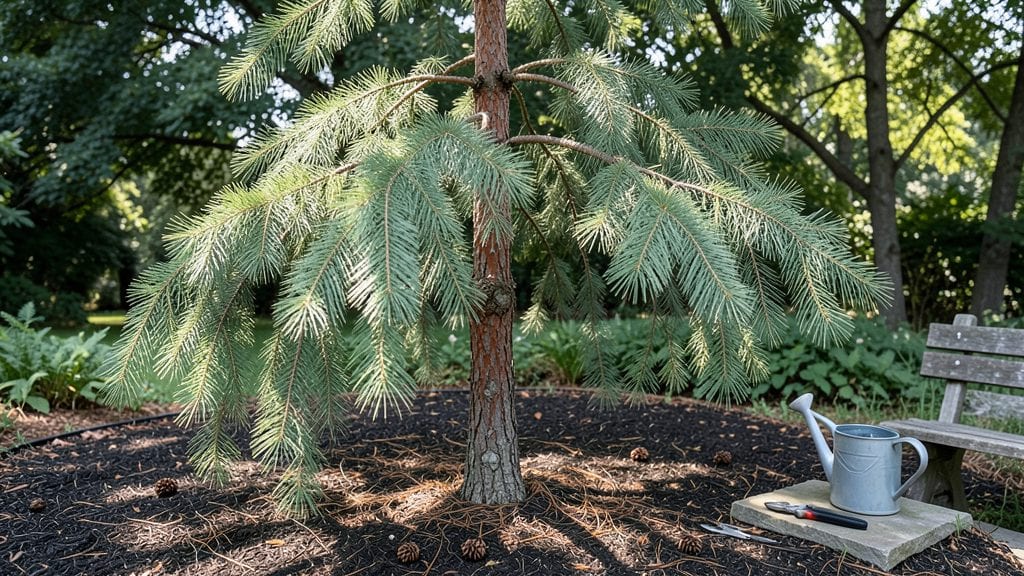
Weeping cypress trees bring a dreamy, cathedral-like grace to Pacific Northwest gardens, their graceful branches cascading like living fountains. 🌿 I planted mine last spring, and within months, the soft green needles transformed a bare corner into a lush vertical statement—one that thrives through our damp winters and dry summers.
The secret lies in their natural resilience: these trees handle frost better than most conifers while demanding surprisingly little fuss once established.
Start with the right spot—partial shade to full sun works, but avoid soggy soil unless you’re in a naturally wet climate. Amend heavy clay with compost to improve drainage, and mulch heavily to retain moisture while keeping roots cool.
Watering’s the trickiest part: young trees need consistent moisture, but mature ones become surprisingly drought-tolerant once their roots spread. My first mistake? Overwatering in winter—now I let the soil dry slightly between waterings, and the tree’s thrived.
You’ll love how these trees age gracefully, their lower branches eventually lifting to create that iconic weeping silhouette. Prune only to shape or remove deadwood in late winter, and watch how they bounce back with fresh growth by spring.
Pair them with hostas for shade-loving companions or ornamental grasses to catch the light filtering through their branches. The result? A low-maintenance focal point that outshines most ornamental trees.
Perfect for both urban yards and rural landscapes, weeping cypress trees adapt beautifully to containers too—ideal for patios or balconies. The key is patience: give them 3-5 years to establish, and they’ll reward you with decades of elegant, fuss-free beauty. Ready to grow yours?
📚 In This Guide
- What you need
- Instructions
- Tips and common mistakes
- Wrapping up and next steps
What you need
- ● Weeping cypress trees (1–3 plants, depending on desired spacing): Choose Chamaecyparis lawsoniana ‘Pendula’ or similar cultivars for their iconic weeping habit.
- ● Opt for 1-gallon containers (young saplings) or 3–5-gallon pots (mature transplants) from a reputable nursery.
- ● Planting site: Well-draining, acidic soil (pH 5.0–6.5)—amend with peat moss or pine bark if needed.
- ● Partial shade to full sun (morning sun + afternoon shade works best in hotter PNW microclimates).
- ● Space 8–12 feet apart for mature growth (they’ll cascade elegantly!).
- ○ Soil additives (optional but helpful): Compost (5–10 gallons) for nutrient-rich soil.
- ● Sulfur (1–2 lbs per 100 sq ft) to maintain acidity.
- ● Digging tools: Shovel (18-inch flat-blade for planting holes).
- ● Trowel (6-inch garden trowel for delicate root work).
- ● Watering supplies: Garden hose with soaker hose or watering wand (for gentle hydration).
- ● 5-gallon watering can (for post-planting care).
- ● Mulch: 3–4 inches of pine bark or cedar mulch (retains moisture and mimics natural forest floor).
- ○ Optional (but handy!): Stakes + soft plant ties (if planting in windy areas).
- ● Pruners (bypass pruners for shaping new growth).
- ● pH test kit (to verify soil acidity).
- ● Best planting time: Early spring (March–April) or fall (September–October) in the PNW (avoid summer heat!).
- ● Check local frost dates—weeping cypress are hardy to USDA Zones 5–7, but young plants need protection from late frosts.
- ● Ensure your site has no standing water (cypress hate soggy roots!).
How to plant and care for weeping cypress trees in the Pacific Northwest
Here's the method I've used to establish thriving weeping cypresses that handle PNW winters with grace.
🌱 Step 1: Select the Perfect Planting Site
Weeping cypresses thrive in partial shade to full sun, but in the Pacific Northwest's cooler climate, I always choose a spot with morning sun and afternoon shade—this prevents winter burn while allowing enough light for lush growth. The soil should be well-draining (they hate soggy roots), so avoid low-lying areas where water pools.
Dig a hole twice as wide as the root ball but no deeper—this encourages roots to spread horizontally rather than settling too low. Loosen the sides of the hole with a shovel to help roots penetrate the native soil. I like to add a 2-inch layer of compost to the bottom of the hole for nutrients, but don't mix it with the native soil—just let it blend naturally over time.
🪴 Step 2: Plant with Proper Spacing and Support
Weeping cypresses grow 12-24 inches per year, so space them 8-10 feet apart for mature height and spread. If planting near structures, leave at least 15 feet of clearance—those cascading branches need room to flow naturally. I always plant in early spring or fall when temperatures are mild, reducing transplant shock.
Place the tree in the hole so the top of the root ball sits 1-2 inches above ground level—this prevents water from settling against the trunk and causing rot. Backfill with native soil, tamping gently as you go to remove air pockets. Water deeply to settle the soil, then add a 2-inch layer of mulch (but keep it 6 inches away from the trunk to avoid moisture buildup).
☀️ Step 3: Establish Watering and Light Routines
Newly planted weeping cypresses need deep watering twice weekly for the first year—1-2 gallons per watering—to encourage deep root growth. After that, they're drought-tolerant once established, but I still water once weekly during dry spells to maintain their signature lushness. Watch for yellowing needles—this is your signal to water more frequently.
In the Pacific Northwest, these trees handle light frosts down to 10°F without issue, but I protect young trees in their first winter with burlap wraps if temperatures drop below 15°F. Prune only in late winter to remove dead branches—never cut back healthy growth, as these trees rely on their natural weeping shape for beauty.
✂️ Step 4: Maintain Health Through Pruning and Monitoring
Weeping cypresses are low-maintenance, but I do remove dead or crossing branches in early spring to keep the tree's graceful form. Use clean, sharp pruners to make cuts just above a healthy bud, and sterilize tools with rubbing alcohol between cuts to prevent disease spread. Avoid heavy pruning—these trees grow best when left to their natural shape.
Watch for aphids or spider mites, which can appear on new growth. A strong spray of water usually knocks them off, but for persistent infestations, I use neem oil in late summer. Fertilize lightly in early spring with a balanced 10-10-10 formula—too much nitrogen can lead to weak, leggy growth. Stop fertilizing by mid-summer to encourage winter hardiness.
Tips & tricks for perfect weeping cypress planting
Here's what nobody tells you about nurturing these stunning trees through PNW's unpredictable seasons.
Site Selection Strategy: When evaluating your morning sun/afternoon shade spot, observe the area during winter months first. What appears ideal in summer may become too exposed during cold snaps. I've learned the hard way that west-facing sites often get too much late afternoon sun, causing winter burn despite their partial shade requirements.
Root Ball Preparation: Before planting, soak the root ball in water for 1-2 hours to ensure it's thoroughly hydrated. This prevents transplant shock and helps the roots establish more quickly in the new soil. After planting, water deeply again—this initial hydration is critical for survival during PNW's dry summers.
Winter Protection Insight: For the burlap wrap protection at 15°F and below, use a breathable material that allows air circulation while still providing insulation. I've found that wrapping only the trunk and lower branches (about 3 feet up) is sufficient—covering the entire tree can trap too much moisture and encourage fungal growth.
Pruning Precision: When removing dead branches in late winter, make your cuts just above a healthy bud that faces outward from the tree. This encourages new growth in the right direction and maintains that elegant weeping form. I always sterilize my pruners between cuts to prevent spreading any potential diseases that might be present on infected branches.
Pro Tips for Weeping Cypress Trees
- Here's what nobody tells you about nurturing these stunning trees through PNW's unpredictable seasons.
- Site Selection Strategy: When evaluating your morning sun/afternoon shade spot, observe the area during winter months first.
- Root Ball Preparation: Before planting, soak the root ball in water for 1-2 hours to ensure it's thoroughly hydrated.
Frequently asked questions
Got questions about weeping cypress trees? You’re not alone!
Whether you're planning a garden or troubleshooting an existing one, here are answers to the most common queries about these stunning, frost-resistant trees.
How cold can weeping cypress trees tolerate?
Weeping cypress trees (Chamaecyparis nootkatensis ‘Pendula’) are surprisingly hardy! They thrive in USDA Zones 5–8, handling temperatures as low as -15°F (-26°C) without major damage. Young trees may need winter protection in colder climates, but mature specimens are resilient. Pro tip: Mulch around the base to shield roots from extreme cold.
How fast do weeping cypress trees grow?
These trees grow at a moderate pace—about 12–24 inches per year under ideal conditions. Full maturity (20–30 feet tall) can take 15–25 years, but their slow growth contributes to their elegant, graceful shape. Patience pays off with minimal pruning needs!
Do weeping cypress trees need full sun?
While they prefer full sun (6+ hours/day) for optimal growth, they can tolerate partial shade (3–6 hours of sun). In shady spots, their growth may slow, and foliage could become less vibrant. For best results, plant them in bright, filtered light—like near a north-facing window or under high-canopy trees.
What’s the best alternative if I can’t grow a weeping cypress?
If your climate is too dry or your space is limited, consider these similar, low-maintenance options:
- Weeping Blue Atlas Cedar (Cedrus atlantica ‘Glauca Pendula’) – Drought-tolerant and cold-hardy (Zones 6–9).
- Japanese Weeping Cherry (Prunus serrulata ‘Kiku-shidare’) – Adds seasonal color but needs more water.
- Dwarf Alberta Spruce (Picea glauca ‘Conica’) – Compact and evergreen, great for small gardens.
Why are my weeping cypress branches turning brown?
Brown branches in weeping cypress are usually caused by:
- Overwatering or poor drainage – Roots need air; amend soil with perlite or sand.
- Fungal diseases (like Phytophthora) – Prune affected areas and avoid soggy soil.
- Winter burn – Young trees may scorch in harsh sun after thaw. Use shade cloth temporarily.
Wrapping up and next steps
The weeping cypress isn’t just a stunning addition to Pacific Northwest gardens—it’s a resilient and elegant choice for year-round beauty. With its frost-resistant charm and graceful, cascading branches, this tree brings drama and tranquility to any landscape.
Whether you’re a seasoned gardener or just starting out, its low-maintenance nature makes it a perfect fit for your outdoor space.
Ready to transform your yard? Start by researching local nurseries or reputable online sellers to find a healthy weeping cypress sapling. Plant it with care, and soon, you’ll be rewarded with a living masterpiece that thrives in the Pacific Northwest’s climate! 🌿✨