Pruning
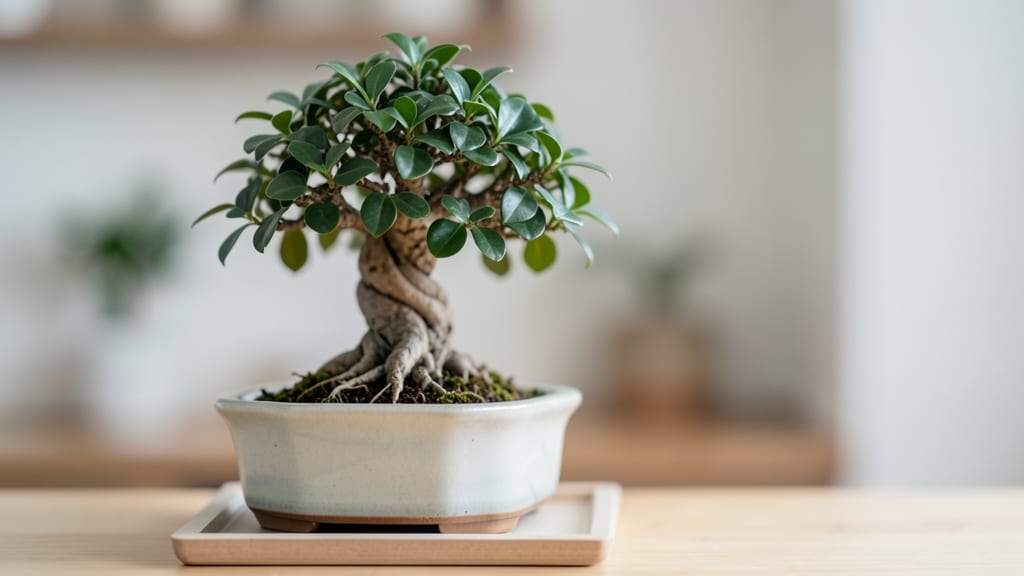
Your mini Japanese tree won’t just survive—it’ll thrive with the right pruning rhythm. I’ve spent years coaxing these delicate specimens into lush, blooming perfection, and the secret lies in understanding their natural growth patterns. The key isn’t just cutting back; it’s reading the plant’s signals and working with them.
Start with the right tools: sharp scissors for fine branches, a small saw for thicker stems, and a clean cloth to wipe away sap. These trees—whether your Ficus retusa or a Pinus thunbergii—respond best to gentle shaping in late winter or early spring.
The goal is to encourage new growth while keeping their natural silhouette intact. Too much at once, and you’ll shock them; too little, and they’ll grow leggy.
By summer, you’ll see the payoff: vibrant new leaves, delicate blooms, and a shape that feels intentional. The trick is consistency—prune lightly every few weeks to maintain that balanced, bushy form. Even indoor bonsai varieties like Carpinus japonica will reward you with year-round interest if you stay patient.
This method works for both outdoor specimens and indoor bonsai, though indoor trees need extra attention to humidity and light. The first year is about establishing good habits; after that, your mini Japanese tree will become a living centerpiece that blooms reliably. Let’s get those branches in shape!
📚 In This Guide
- What you need
- Instructions
- Tips and common mistakes
- Wrapping up and next steps
What you need
- ● Pruning shears: Bypass pruners (for small branches, ¼"–½" thick). Sharpness is key!
- ● Loppers: For thicker branches (½"–1½" thick). Look for ergonomic handles for comfort.
- ● Hand pruners (felco or equivalent): For precision cuts on tiny branches (under ¼").
- ● Disposable gloves: Nitrile-coated to protect from sap and thorns (if applicable).
- ● Rubbing alcohol (70%+) or pruning sealant: To disinfect tools and cuts (prevents disease).
- ● Small bucket or trash bag: For collecting clippings (keep workspace tidy!).
- ● Extension pole saw: For hard-to-reach branches in taller trees.
- ● Pruning saw: For stubborn, thick branches (over 1½").
- ● Plant tie or twine: To support weak branches post-pruning.
- ● Magnifying glass: For spotting pests or tiny buds in intricate foliage.
- ● Notebook & pen: To sketch a pruning plan before you start!
- ● Know your tree’s species and age—some (like Japanese maples) bloom on old wood and need gentle pruning!
- ● Check the best pruning season (spring for most, but dwarf azaleas bloom on old wood—prune right after flowering).
- ● Gather weather-friendly gear: Work on a dry, calm day to avoid stressing the tree.
How to prune a mini Japanese tree for lush, year-round growth
Your little bonsai or dwarf Japanese tree thrives on careful pruning—here's the exact method I use to keep mine compact, blooming, and healthy all year.
Assess Growth and Identify Pruning Zones
Start by examining your tree's structure in natural light. Look for areas where branches grow too long, cross each other, or create an unbalanced silhouette. I focus on three key zones: the top third (for shaping), the middle third (for airflow), and the lower third (for root development). Use your fingers to gently trace each branch's growth pattern—you'll feel where the buds form along the stem.
Remove any dead or diseased branches first. These are easy to spot—they'll be brown, brittle, or lacking leaves. Cut these back to the nearest healthy growth node, which is where you'll see a small bump or swelling on the stem. This ensures the tree doesn't waste energy on damaged wood.
Shape the Canopy with Strategic Cuts
For dwarf varieties, I prune just after flowering in early spring. Use clean, sharp pruning shears to make cuts at a 45-degree angle, about ¼ inch above a leaf node. This angle helps water run off the cut and prevents rot. Start with the outer branches, gradually working inward to maintain a natural taper—wider at the base, narrower at the top.
If you notice leggy growth, it's a sign your tree needs more light. Prune back the longest stems by one-third to encourage bushier growth. For flowering varieties, leave a few blooms on the tree—they'll produce next year's buds. You'll know you've done this right when new shoots appear within 3-4 weeks along the pruned stems.
Refine Structure and Encourage Airflow
Now focus on the interior of the tree. Thin out any branches that rub against each other or grow inward—these create weak points and block airflow. Cut these all the way back to the trunk or main branch. For thicker branches, use loppers to avoid tearing the bark. I like to step back frequently and visualize the tree's silhouette from all angles.
Pay special attention to the base. Remove any branches growing straight up from the trunk—they'll compete with your tree's natural shape. Instead, encourage horizontal growth by pinching back the tips of upward-growing shoots. This creates a fuller, more natural look. Your tree should feel balanced when you tilt it slightly—no heavy leaning to one side.
Finish with Light Maintenance Pruning
After the main shaping, do a final pass to tidy up any rough edges. Trim back any overly long leaves or stems that disrupt the tree's form. For flowering varieties, leave some spent blooms—they'll develop into next season's flowers. Water your tree deeply after pruning to help it recover, but avoid getting water on fresh cuts.
I always finish by wiping down the leaves with a damp cloth to remove dust. This helps the tree photosynthesize more efficiently. Place your tree in a spot with bright, indirect light for the first week after pruning—it's recovering and needs gentle conditions. You'll see fresh, vibrant growth within 2-3 weeks, signaling your pruning was successful.
Tips & tricks for perfect mini Japanese tree pruning
Here's what I've learned after years of shaping these delicate trees—these tricks make all the difference between a healthy bonsai and one that struggles to recover.
Tool Preparation: Always sterilize your pruning shears with rubbing alcohol before starting. I learned this the hard way when a cut branch developed fungus—sterilization takes just 30 seconds but prevents major setbacks. Use a clean, sharp pair of shears for each cut to avoid crushing stems, which can damage the tree's vascular system. For thicker branches, switch to loppers to make clean cuts without tearing the bark.
Seasonal Timing: Early spring, just after flowering, is the ideal time to prune dwarf Japanese varieties. This timing aligns with the tree's natural growth cycle, allowing it to recover before summer heat stress. If you miss this window, you can do a light pruning in late summer, but avoid heavy cuts during fall or winter when the tree is dormant. I've found that trees pruned at the right time show new shoots within 3-4 weeks, while those pruned at the wrong time often take twice as long to recover.
Visual Balance Check: After shaping, step back and tilt the tree slightly to check for balance. Your tree should feel stable when you gently rock it—no heavy leaning to one side. I often use a small mirror to check the backside of the tree, as we tend to focus only on the front. This helps identify any hidden imbalances that would otherwise go unnoticed until new growth appears. For flowering varieties, leave some spent blooms—they'll develop into next season's flowers, ensuring continuous blooms year after year.
Post-Pruning Care: Deep watering after pruning is essential, but avoid getting water on fresh cuts to prevent rot. I always water my trees in the morning so any excess moisture can evaporate during the day. Place the tree in bright, indirect light for the first week after pruning—this helps it recover without stress. Within 2-3 weeks, you should see fresh, vibrant growth signaling successful pruning. If you notice yellowing leaves after pruning, it's often a sign of over-pruning or stress—reduce watering slightly and move the tree to a slightly shadier spot for a few days.
Pro Tips for Mini Japanese Tree
- Here's what I've learned after years of shaping these delicate trees—these tricks make all the difference between a healthy bonsai and one that struggles to recover.
- Tool Preparation: Always sterilize your pruning shears with rubbing alcohol before starting.
- Seasonal Timing: Early spring, just after flowering, is the ideal time to prune dwarf Japanese varieties.
Frequently asked questions
Got questions about keeping your mini Japanese tree thriving? You're not alone! Here are some of the most common concerns—plus expert answers to help you prune like a pro.
How often should I prune my mini Japanese tree?
For year-round blooms, prune lightly every 4–6 weeks to encourage new growth. Focus on shaping in late winter or early spring (just before buds swell) for major adjustments. Avoid heavy pruning during fall—this can stress the tree and reduce winter hardiness. Think of it like a haircut: frequent trims keep it tidy!
Can I prune too much? What are the signs?
Yes! Over-pruning (cutting more than 25% of foliage at once) can shock your tree, leading to leaf drop, weak growth, or even death. Watch for yellowing leaves, stunted buds, or a lack of new blooms. If you’ve gone overboard, reduce watering and fertilize lightly to help recovery.
Will pruning stop my tree from flowering?
Not if done right! Prune after blooms fade (for spring-flowering varieties) to preserve next year’s buds. For continuous bloomers (like Dwarf Japanese Maple), prune dead or crossing branches year-round—just avoid cutting back to old wood. Think of it as redirecting energy to more flowers!
How do I prune in rainy or humid climates?
Moisture can slow wound healing and invite fungal issues. Prune on dry, overcast days (not sunny afternoons) to reduce stress. Sterilize tools with rubbing alcohol between cuts, and avoid pruning during heavy rain. If humidity’s high, space cuts out to improve airflow—your tree will thank you!
What’s a good alternative if my tree isn’t responding to pruning?
If your mini Japanese tree stays leggy or sparse, try layering (bending low branches to root) or grafting a new variety onto it. For fast fixes, consider dwarf cultivars like ‘Cloud Nine’ Japanese Maple (grows just 3–4 feet tall!) or ‘Tiny Wine’ for compact blooms. Patience is key—some trees need 2–3 years to fully adjust!