
Pruning
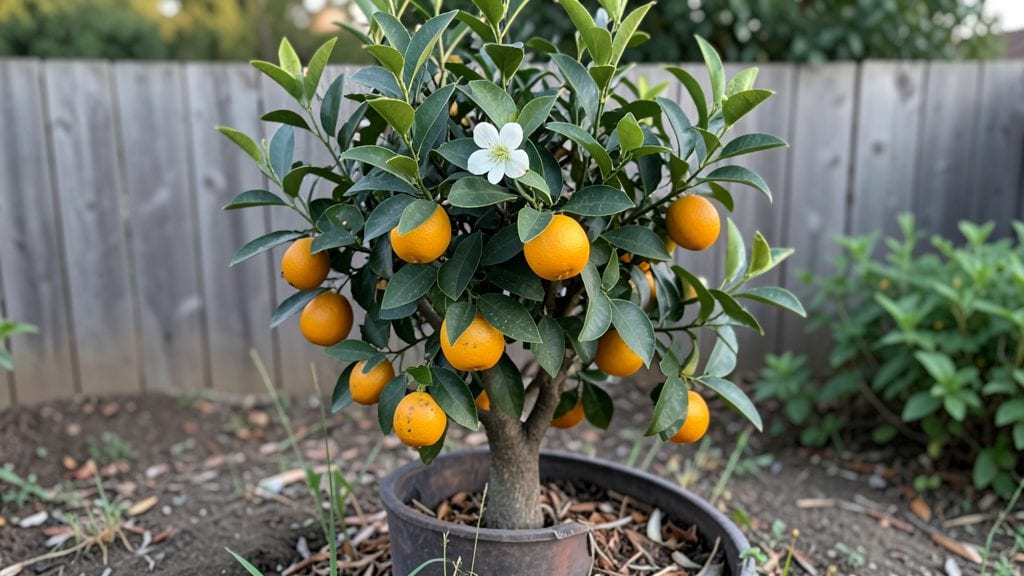
Growing a mini tangerine tree indoors means fresh citrus fruit year-round, even in apartments with limited space. 🌱 I’ve watched mine produce bright, juicy tangerines since last Christmas—something I never thought possible without a backyard. The key is mimicking its natural tropical environment, not just hoping for the best.
These dwarf varieties thrive in containers as small as 10-gallon pots, need 6+ hours of sunlight daily, and prefer well-draining soil mixed with perlite. Water when the top inch feels dry, but never let it sit soggy—root rot is the #1 killer of indoor citrus.
A balanced citrus fertilizer every 6-8 weeks keeps growth steady and fruit production strong.
By winter, you’ll be harvesting dozens of tiny, sweet tangerines that taste like sunshine. The tree stays compact (3-5 feet tall), making it perfect for kitchens or sunrooms. Prune lightly after harvest to shape it and encourage next year’s fruit—just snip back any leggy growth to keep it bushy.
Outdoor growers in zones 9-11 can plant theirs in ground after frost, but bring pots inside before temperatures dip below 40°F. Pests like aphids or spider mites are rare with proper care, but a quick spray of neem oil keeps them away.
The first harvest is magical—imagine picking fruit while sipping tea in January!
📚 In This Guide
- What you need
- Instructions
- Tips and common mistakes
- Wrapping up and next steps
What you need
- ● Dwarf tangerine tree sapling: Choose a Citrus reticulata variety like ‘Calamondin’ or ‘Meyer Lemon-Tangerine’ (3–5 ft mature height).
- ● Pot: 15–20 gallon container with drainage holes (terracotta or fabric preferred).
- ● Well-draining soil: 50% citrus potting mix + 50% perlite/pumice (sterilized).
- ● Fertilizer: Balanced citrus fertilizer (10-10-10 or 8-3-9) + micronutrients (zinc, iron).
- ● Pruning tools: Bypass pruners (sharp, sterilized)
- ● Loppers (for thicker branches)
- ● Watering can: With a narrow spout for precise hydration.
- ○ Gloves: Heavy-duty for thorn protection (optional but handy!).
- ● Hose with spray nozzle: For misting leaves (especially in dry climates).
- ● pH test kit: To monitor soil acidity (ideal: 6.0–7.0).
- ● Support stake: For young trees (if needed for stability).
- ● Mulch: Organic (straw or wood chips) to retain moisture.
- ● Grow lights: LED full-spectrum (12–14 hrs/day) for indoor setups.
- ● Location: Full sun (6+ hrs/day) or bright indirect light (indoors).
- ● Climate: USDA Zones 9–11 (outdoors); indoors year-round in cooler zones.
- ● Knowledge: Basic pruning techniques (or willingness to learn!).
Step-by-step guide to growing a thriving dwarf citrus tree
Here’s how I’ve kept my mini tangerine tree producing fruit for four years straight—even in small spaces.
🪴 Step 1: Choose the Right Container and Soil Mix
Dwarf citrus trees need well-draining soil and root room to thrive. Use a 12-15 inch diameter pot with drainage holes—terra cotta works best because it breathes. I fill it with a mix of 50% premium potting soil, 30% perlite or coarse sand, and 20% compost to mimic their native sandy loam. This blend prevents root rot while holding enough moisture for citrus roots.
Before planting, moisten the mix until it’s damp but not soggy. Stick your finger in—if water drips out, it’s too wet. The goal is a texture that crumbles slightly when squeezed but holds its shape. Here’s the thing—citrus hate soggy feet, so drainage isn’t optional.
☀️ Step 2: Position for Maximum Sunlight and Temperature Control
Dwarf tangerine trees demand full sun—6 to 8 hours daily—but they can’t handle summer heat above 90°F. Place yours near a south-facing window or under a grow light (14-16 hours/day) if indoors. I move mine outdoors in spring after frost risk passes, then bring it back inside when temps dip below 50°F. Watch for leaves curling—this means it’s too hot or thirsty.
Consistent warmth is key. If your home dips below 55°F at night, use a small space heater (safely placed) or a heat mat under the pot. Cold roots shut down fruit production. In winter, I keep mine near a sunny window with a thermometer nearby to monitor temps—60-75°F is ideal for growth.
💧 Step 3: Water Deeply and Fertilize Strategically
Water when the top 2 inches of soil feel dry—stick your finger in to check. Overwatering is the #1 killer of dwarf citrus. When you water, do it deeply until water runs out the drainage holes. I use room-temperature water (cold water shocks roots) and avoid wetting the leaves to prevent fungal issues. Let the pot sit in a saucer for 10 minutes to catch excess, then empty it.
Feed every 4-6 weeks in growing season (spring-fall) with a balanced citrus fertilizer (6-6-6 or 8-3-9). Cut back to every 8-10 weeks in winter when growth slows. I’ve found that too much nitrogen makes leaves grow fast but no fruit—so I reduce nitrogen in late summer to encourage flowering. Watch for yellow leaves; this often means overwatering or nutrient burn.
✂️ Step 4: Prune for Shape and Fruit Production
Prune in late winter or early spring before new growth starts. Remove dead, crossing, or inward-growing branches first—this improves airflow and light penetration. I use clean, sharp pruners and cut just above a leaf node at a 45-degree angle to prevent water pooling. Never prune more than 1/3 of the tree at once, or it’ll stress out.
To encourage fruit, I also lightly trim the tips of branches after harvest. This redirects energy from leaf growth to flowering. Avoid heavy pruning in fall—it leaves the tree vulnerable to cold. After pruning, spray cuts with copper fungicide to prevent infection. You’ll see new growth in 2-3 weeks—that’s your signal it’s recovered.
🍊 Step 5: Pollinate and Harvest for Year-Round Fruit
Dwarf tangerines are self-pollinating, but a soft brush against flowers in spring boosts fruit set. I gently shake the branches when buds appear—this mimics bees and increases yields. Watch for small green fruits forming; these take 4-6 months to ripen. Ripe tangerines turn deep orange and smell sweet—don’t wait for them to fall; they’ll split if overripe.
Harvest by twisting gently until the fruit pops free. If it resists, use pruners to avoid damaging the branch. Store ripe fruit at room temperature for a week or refrigerate for up to 2 months. I’ve had trees produce 50-100 fruits per year—just don’t overharvest, or the tree won’t rebloom. Real talk: Your first year might yield just a few, but patience pays off.
Tips & tricks for perfect mini tangerine tree care
Here's what I've learned after keeping my own dwarf citrus thriving for years—these details make all the difference between a struggling plant and a fruit-bearing treasure.
Soil Texture Secret: When mixing your 50% premium potting soil, 30% perlite/sand, and 20% compost, sift the perlite first to eliminate any fine particles that could compact. I also add a handful of orchid bark chunks (optional) to improve aeration—this mimics the natural rocky soil of Mediterranean citrus groves where these trees evolved. The key is achieving that perfect "crumbly yet moist" texture when squeezed.
Lighting Hack: For indoor growers, position your tree within 12 inches of the south-facing window during winter months when sunlight is weaker. If using grow lights, I recommend LED full-spectrum bulbs (14-16 hours/day) placed just above the tree's canopy—this prevents leggy growth while providing the full light spectrum citrus needs for photosynthesis. Watch for leaves stretching toward light; this means it's not getting enough intensity.
Temperature Management: The 60-75°F range is ideal, but don't panic if temps dip slightly—citrus can tolerate 55°F at night without permanent damage. What kills them is rapid temperature swings, so avoid placing near drafty windows or heating vents. I've found that moving the pot onto a ceramic plant stand (not metal) helps maintain more stable temperatures by insulating from cold floors.
Fertilizer Timing: The 4-6 week feeding schedule works perfectly, but here's the pro move: switch to a low-nitrogen fertilizer (like 4-4-4) in late summer to signal the tree it's time to focus on flowering rather than leaf growth. I also mix in 1/4 teaspoon of Epsom salt with each winter feeding to boost magnesium—this helps prevent those yellowing leaves that often signal nutrient deficiencies.
Pro Tips for Mini Tangerine Tree
- Here's what I've learned after keeping my own dwarf citrus thriving for years—these details make all the difference between a struggling plant and a fruit-bearing treasure.
- Soil Texture Secret: When mixing your 50% premium potting soil, 30% perlite/sand, and 20% compost, sift the perlite first to eliminate any fine particles that could compact.
- Lighting Hack: For indoor growers, position your tree within 12 inches of the south-facing window during winter months when sunlight is weaker.
Frequently asked questions
Got questions about your mini tangerine tree?
Here are answers to the most common ones—so you can keep your dwarf citrus thriving and fruiting year-round!
How fast does a mini tangerine tree grow?
A dwarf variety typically grows 6–12 inches per year, reaching maturity (and fruit-bearing age) in 2–3 years. With proper care—like full sun, well-draining soil, and occasional pruning—you’ll see steady, manageable growth. Patience pays off with those sweet, early harvests!
Can a mini tangerine tree survive winter outdoors?
Most dwarf varieties are hardy to USDA zones 9–11, but they’re not frost-tolerant. In colder climates, move potted trees indoors near a sunny window or garage (keep temps above 40°F). For in-ground plants, mulch heavily and protect with frost cloth. Pro tip: Gradually acclimate it back outdoors in spring to avoid shock!
Why isn’t my mini tangerine tree producing fruit?
Common culprits include lack of sunlight (they need 6+ hours daily), over-fertilizing with nitrogen (switch to citrus-specific fertilizer), or young age (wait 2–3 years). Also, ensure consistent watering—drought stress can halt flowering. If it’s blooming but no fruit sets, check for pollinators (hand-pollinate with a soft brush if needed).
How often should I repot a dwarf tangerine tree?
Repot every 2–3 years or when roots circle the pot (a sign it’s root-bound). Use a well-draining mix (cactus soil + perlite) and a pot just 1–2 inches larger in diameter. Best time: Early spring before new growth starts. Prune 1/3 of roots during repotting to encourage healthier growth!
What pests should I watch for on my mini tangerine tree?
Keep an eye out for scale insects, aphids, and spider mites—they love citrus! Early signs: Sticky residue (honeydew), yellowing leaves, or tiny webs. Treat with neem oil or insecticidal soap, and isolate the tree if infested. For severe cases, wipe leaves with a damp cloth and repeat every 5–7 days.
Bonus Tip: Need a faster harvest?
Try cross-pollination if you have multiple trees! Gently transfer pollen from one bloom to another with a cotton swab. Also, thin fruit after setting (leave 4–6 inches between fruits) to improve size and sweetness.
Wrapping up and next steps
Growing a mini tangerine tree is a rewarding journey that brings vibrant citrus fruits to your doorstep year-round! With the right pruning techniques—like shaping for airflow, removing dead branches, and encouraging fruit-bearing—you’ll enjoy a thriving, manageable tree that’s perfect for containers or small gardens.
Remember, consistency is key, and a little effort now means delicious harvests for years to come.
Ready to take the next step? Start small: grab your pruning shears and give your tree a trim this weekend! For extra guidance, bookmark this guide or share it with fellow citrus lovers—happy growing! 🌱✨