
Pruning
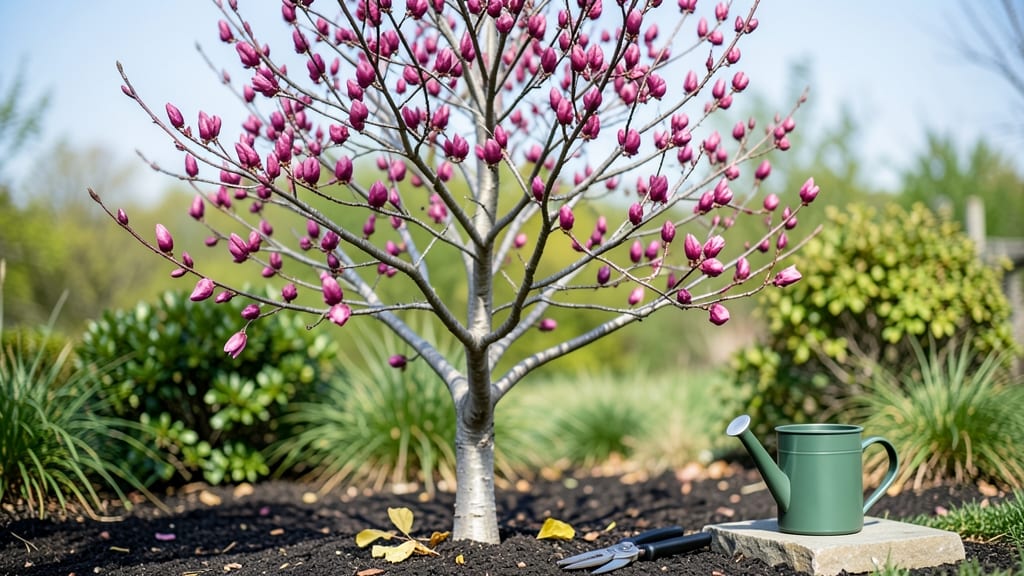
Growing the Minnesota strain redbud tree means year-round color that thrives in our harsh winters. 🌱 I planted mine three years ago, and now it’s the showstopper of my yard—pink blooms in April, heart-shaped leaves all summer, and even burgundy foliage in fall.
The secret isn’t just choosing this hardy variety; it’s how you prune it to survive our deep freezes.
This redbud handles Minnesota’s Zone 3 winters like a champ, but it still needs smart pruning to stay healthy. Start by removing dead branches in late winter before new growth begins, then shape it lightly in early summer after flowering.
The key is timing—prune too late, and you risk frost damage; too early, and you cut off next year’s blooms.
You’ll end up with a tree that’s disease-resistant, low-maintenance, and packed with seasonal interest. The blooms attract pollinators, the foliage provides shade, and the winter bark adds texture. Plus, it’s one of the first trees to flower in spring, giving you color when everything else is still dormant.
Works in full sun to partial shade and tolerates everything from clay soil to rocky ground. Just avoid heavy, wet spots—this redbud wants good drainage. Let’s get your tree looking its best for years to come!
📚 In This Guide
- What you need
- Instructions
- Tips and common mistakes
- Wrapping up and next steps
What you need
- ● Pruning shears: Bypass pruners (sharp, clean, and disinfected with rubbing alcohol). Quantity: 1 pair.
- ● Loppers: For thicker branches (1.5"–2" diameter). Quantity: 1 pair.
- ● Pruning saw: Curved-tooth saw for larger branches (2"–4" diameter). Quantity: 1.
- ● Gloves: Heavy-duty, cut-resistant gloves (e.g., leather or reinforced fabric). Quantity: 1 pair.
- ● Disinfectant: 70% isopropyl alcohol or bleach solution (1 part bleach to 9 parts water) for sterilizing tools. Quantity: Small spray bottle or container.
- ○ Pruning sealant: Optional but recommended for large cuts (>0.5" diameter) to prevent disease. Brand suggestion: Tree wound pruning paste.
- ● Ladder or step stool: For reaching higher branches safely. Height: Adjustable to 8–10 ft.
- ● Heavy-duty trash bags: For collecting pruned branches. Quantity: 2–3 bags.
- ○ Notebook & pencil: To track pruning notes (e.g., branch sizes, dates). Optional but helpful!
- ● Timing: Prune dormant season (late winter/early spring, before buds swell) or immediately after flowering (avoid summer pruning).
- ● Weather: Choose a dry, calm day (no rain forecast for 24–48 hours).
- ● Safety gear: Safety glasses and long sleeves (Redbud thorns are sharp!).
- ● Tree health check: Inspect for diseased or dead branches before pruning. Remove only what’s necessary to maintain 30–40% open canopy for airflow.
- ● Local regulations: Check if your area requires permits for tree pruning (especially near power lines or in protected zones).
Step-by-Step guide for pruning Minnesota strain redbud trees
Here's how to maintain your cold-hardy redbud's stunning seasonal display.
✂️ Step 1: Prune Dead or Damaged Branches in Late Winter
Start your pruning in late winter (February or early March) before new growth begins. This is the ideal time because the tree's dormant state makes it easier to spot dead branches—they'll appear brown, brittle, or completely devoid of buds. Use clean, sharp bypass pruners to make cuts just outside the branch collar, the swollen area where the branch meets the trunk. I always make my cuts at a 45-degree angle to prevent water from pooling and rotting the wound.
Remove any branches that are crossing or rubbing against each other, as these will eventually tear and create entry points for disease. If a branch is larger than ½ inch in diameter, use a pruning saw instead. You'll know you've pruned correctly when the cuts look smooth and the remaining branch collar is intact—this ensures the tree can heal properly.
☀️ Step 2: Thin Out Crowded Branches in Early Spring
Once the tree starts showing signs of new growth in early spring (around late March or April in Minnesota), focus on thinning out crowded branches to improve airflow and light penetration. Look for branches that grow inward toward the center of the tree—these are the ones that compete for sunlight and nutrients but rarely contribute to the tree's structure. Remove about 20-30% of the total branches to open up the canopy and encourage stronger growth.
When thinning, always cut back to a lateral branch or bud that grows in the direction you want the tree to fill out. Avoid leaving stubs—these can invite pests and disease. If you're unsure which branch to keep, follow the "one-third rule": remove branches that are less than one-third the diameter of the trunk to maintain balance. You'll see the difference immediately as sunlight filters through to the inner branches, signaling healthier growth ahead.
🌿 Step 3: Shape and Encourage Flowering in Late Spring
By late spring (May to early June), your redbud should be in full leaf, and this is the time to refine its shape and encourage more vibrant blooms. Focus on removing any "water sprouts"—those fast-growing, vertical shoots that pop up along the trunk or branches. These saplings steal energy from the tree and rarely produce flowers. Use your pruners to cut them back to a lateral branch or bud, and you'll redirect that energy toward the tree's main structure.
To enhance flowering, lightly prune any branches that are overcrowded or growing too close together. Redbuds produce their stunning pink blooms on one-year-old wood, so avoid heavy pruning of older branches. Instead, focus on shaping the tree by trimming back any branches that are growing in an awkward direction or spoiling the tree's natural form. Step back occasionally to visualize the tree's silhouette—this helps you decide which cuts will improve its overall appearance.
⏰ Step 4: Light Maintenance Pruning in Summer and Fall
During summer and early fall, limit pruning to light maintenance tasks. Remove any suckers that sprout from the base of the tree or along the trunk. These are the tree's attempt to grow new trunks and will weaken the main structure if left unchecked. Also, trim back any branches that are rubbing against each other or growing into the lawn or sidewalk. Use your pruners to make clean cuts just above a leaf node or bud.
In fall, after the tree has shed its leaves but before the first hard frost, do a final check for any dead or diseased branches that may have gone unnoticed earlier in the year. Remove them promptly to prevent pests or diseases from overwintering in the tree. Avoid heavy pruning in fall, as it can stimulate new growth that won't have time to harden off before winter. Instead, focus on keeping the tree tidy and healthy for the upcoming growing season.
Tips & tricks for pruning Minnesota strain redbud trees
Here's what I've learned after years of working with these hardy Minnesota beauties.
Timing is Everything: The late winter timing in Step 1 is critical because the tree's dormant state makes dead branches stand out like sore thumbs. If you miss this window and wait until spring, new growth will mask the dead wood, making it harder to identify what needs removal. I've seen people prune too late and end up cutting off healthy branches they thought were dead—don't be that person!
The 45-Degree Angle Secret: When making cuts in Step 1, that 45-degree angle isn't just for looks—it's a functional design. The sloped cut prevents water from pooling in the wound, which could lead to rot. Think of it like tiling a shower: you want water to run off, not pool. I've made the mistake of cutting straight across and ended up with waterlogged wounds that took months to heal.
Visualizing the Canopy: In Step 2, when thinning crowded branches, step back and visualize sunlight filtering through. The goal is to create an open center that lets light reach all branches. I've found that removing about 20-30% of branches creates that perfect balance—too little and you're not improving airflow, too much and you're stressing the tree. Look for branches growing inward; these are the ones competing for sunlight but rarely contributing to the tree's structure.
Water Sprout Watch: During Step 3, those fast-growing water sprouts might look like they're helping, but they're actually stealing energy from the tree's main structure. Cut them back to a lateral branch or bud to redirect that growth where you want it. I've seen redbuds with so many water sprouts they looked like they were trying to grow a second trunk—don't let that happen to yours!
Pro Tips for Minnesota Strain Redbud Tree
- Here's what I've learned after years of working with these hardy Minnesota beauties.
- Timing is Everything: The late winter timing in Step 1 is critical because the tree's dormant state makes dead branches stand out like sore thumbs.
- The 45-Degree Angle Secret: When making cuts in Step 1, that 45-degree angle isn't just for looks—it's a functional design.
Frequently asked questions
Got questions about growing and maintaining your Minnesota Strain Redbud Tree? You’re not alone! Here are some of the most common concerns—plus practical answers to keep your tree thriving year-round.
What’s the best time to prune a Minnesota Strain Redbud for maximum cold hardiness?
The ideal window is late winter to early spring (February–March), before buds swell. This timing balances pruning needs with the tree’s dormancy, reducing stress. Avoid heavy pruning in fall—it can stimulate late growth vulnerable to frost. Pro tip: Thin branches to improve airflow, which is key for winter survival!
How cold can a Minnesota Strain Redbud handle, and what signs show it’s struggling?
This strain thrives in USDA Zones 3–7 (down to -40°F/-40°C!). Watch for brown, mushy stems or delayed spring blooms—signs of winter damage. If branches die back, prune them in early spring to encourage new growth. Mulch heavily in fall to insulate roots!
Should I remove dead branches immediately, or wait until spring?
Remove obviously dead or diseased branches anytime (they drain energy from the tree). For dormant but not clearly dead wood, wait until late winter/early spring. Test by scraping bark—if green underneath, it’s alive! Pro tip: Use sterilized tools to prevent spreading disease.
Why aren’t my redbud flowers as vibrant as expected?
Fading color often stems from over-fertilizing (especially nitrogen), poor sunlight, or stress from recent pruning. Ensure full sun (6+ hours/day) and balanced fertilizer (low nitrogen, high phosphorus/potassium). If flowers are sparse, prune lightly in summer to encourage next year’s blooms.
Are there alternatives to Minnesota Strain Redbud for colder climates?
Yes! Consider these ultra-hardy options:
- ‘Forest Pansy’ Redbud (Zones 4–8): Deep purple foliage, slightly less cold-tolerant but stunning.
- Serviceberry (Amelanchier) (Zones 3–7): White flowers, edible berries, and brighter fall color.
- Dwarf Korean Lilac (Zones 3–7): Fragrant blooms, compact size, and zero pruning needs!
All three handle Minnesota winters beautifully while offering unique aesthetics.
Wrapping up and next steps
The Minnesota Strain Redbud Tree is a stunning, cold-hardy addition to any landscape, offering vibrant blooms and year-round interest with the right care—especially smart pruning! By mastering the techniques shared here, you’ll keep your tree thriving, encourage abundant flowers, and maintain its natural beauty through all four seasons. 🌸❄️
Ready to transform your yard? Start small: grab your tools, pick a sunny day, and give your Redbud the attention it deserves. Every trim brings you one step closer to a showstopping, resilient tree that’s the envy of the neighborhood!