
Pruning
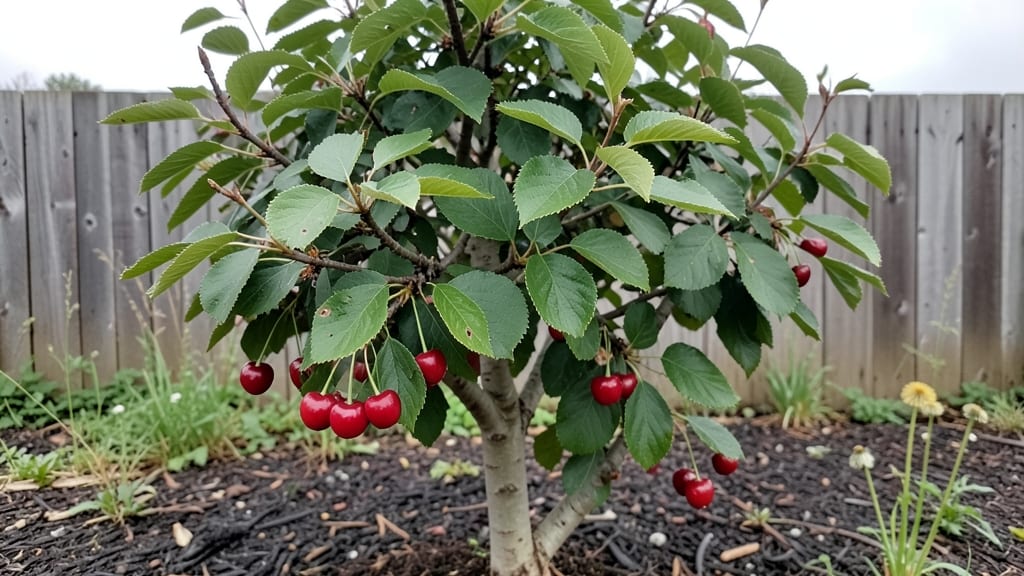
The Minnie Royal cherry tree thrives in the Pacific Northwest’s chilly springs—its frost-resistant blooms are the secret to vibrant spring gardens. I’ve pruned mine for five years, and the difference between a leggy mess and a lush, productive tree comes down to timing and technique.
That first flush of pink blossoms in March is worth every careful cut.
This variety loves well-draining soil and full sun, but it’s the pruning that keeps it healthy and blooming reliably. You’ll need sharp pruners, a ladder (for taller branches), and a clear day after a light rain—when the tree is hydrated but branches aren’t slippery.
The key is cutting back 1/3 of last year’s growth in late winter, just as buds begin to swell.
After pruning, you’ll see thicker branches and more abundant blooms by spring, with fewer disease-prone crowded spots. The tree’s natural resilience means it handles our region’s late frosts better than most cherries, and the fruit that follows is sweet, firm, and perfect for fresh eating.
Just watch for birds—they’ll spot the ripening cherries before you do.
Works just as well in urban yards as rural orchards, though it needs space to grow. Once established, it’s low-maintenance, drought-tolerant, and a magnet for pollinators. Let’s get those pruners ready—your tree’s best blooms start with the right cuts.
📚 In This Guide
- What you need
- Instructions
- Tips and common mistakes
- Wrapping up and next steps
What you need
- ● Pruning shears (bypass or anvil type) – Sharp, sterilized blades (1 pair, 6–8" long).
- ● Loppers – For thicker branches (1 pair, 18–24" long, with a bypass blade).
- ● Pruning saw – For branches >1" thick (1 saw, fine-tooth for clean cuts).
- ● Rubbing alcohol (70% or higher) – To sterilize tools between cuts (small bottle).
- ● Disposable gloves – Nitrile or leather (1 pair) for protection.
- ○ Sealing wax or pruning paste – To coat large cuts (small jar, optional but recommended).
- ● Bucket or trash bag – For collecting debris (1 medium-sized container).
- ● Ladder (if needed) – Sturdy, extendable (6–12 ft, depending on tree height).
- ● Hand pruners with a ratchet mechanism – Reduces hand fatigue for long sessions.
- ● Pole pruner – For high branches (12–15 ft reach).
- ● Tree wound dressing – Alternative to sealing wax (e.g., Tanglefoot).
- ● Marking spray (paint) – To tag branches for future reference (bright color, small bottle).
- ● First-aid kit – Just in case (small kit for minor cuts/scrapes).
Step-by-step guide for pruning a Minnie Royal cherry tree
Here's my approach to keeping this Pacific Northwest favorite healthy and blooming year after year.
Time Your Pruning for Frost Resistance
Prune your Minnie Royal cherry tree in late winter or early spring, just as buds begin to swell but before new growth starts. This timing ensures the tree has time to heal before late spring frosts arrive—a critical factor in the Pacific Northwest's unpredictable climate. Avoid pruning in fall or winter when the tree is dormant, as this can leave wounds vulnerable to disease.
Look for plump, swollen buds along the branches as your signal to begin. These buds indicate the tree is preparing to break dormancy and can handle pruning without stress. If you prune too early, you risk exposing the tree to late winter frosts that can damage tender new growth.
Remove Dead, Diseased, or Weak Wood
Start by removing any dead, diseased, or crossing branches first. These are the easiest to spot—they may appear brown, brittle, or devoid of leaves, or they might be rubbing against other branches, creating wounds where pests and diseases can enter. Use clean, sharp pruning shears to make cuts just outside the branch collar, the swollen area where the branch meets the trunk.
Next, identify weak or thin branches that don’t contribute to the tree’s structure. These often grow inward or upward rather than outward, creating a crowded canopy that reduces airflow and increases disease risk. Thin these out by cutting them back to a strong lateral branch or bud. You’ll notice healthier branches have a thicker, more vigorous appearance compared to the scraggly growth you’re removing.
Shape for Airflow and Light Penetration
Open up the center of the tree by removing suckers, water sprouts, and branches growing toward the center. These compete for light and nutrients, weakening the tree’s overall health. Aim to create an open vase shape that allows sunlight to reach the inner branches and air to circulate freely. This is especially important for cherry trees, which are prone to fungal diseases like leaf spot in the damp Pacific Northwest climate.
Focus on thinning rather than topping—avoid cutting back branches to stubs, as this encourages weak, water-sprout growth. Instead, make cuts just above an outward-facing bud or branch. You’ll see the tree’s natural structure emerge as you remove obstructive branches, with stronger limbs taking center stage.
Refine for Blooms and Fruit Production
To encourage abundant blooms and fruit, prune to reduce the tree’s overall size by about 20-30% if it’s overgrown. This stimulates new growth and flowering wood. Look for last year’s growth, which typically produces the most flowers, and avoid cutting back into older wood unless necessary. Cherry trees bloom on one-year-old wood, so preserving these branches is key to future blossoms.
Pay attention to branch angles—ideal branches grow at a 45- to 60-degree angle from the trunk or parent branch. These angles provide stability and better access to sunlight. If a branch is growing at a sharp angle (less than 30 degrees), it may be more prone to breaking under the weight of fruit or snow. In this case, prune it back to a stronger, more stable branch.
Clean Up and Monitor for Recovery
After pruning, sterilize your tools with rubbing alcohol to prevent spreading disease between cuts. Collect and dispose of all pruned material, especially if it shows signs of disease, to reduce the risk of reinfection. Once the tree is pruned, step back and assess its shape—you should see an open, balanced canopy with room for sunlight and air to move freely.
Over the next 2-3 weeks, monitor the tree for signs of stress, such as wilting leaves or oozing sap at pruning wounds. If you notice any issues, it may be a sign of over-pruning or infection. However, a well-pruned Minnie Royal cherry tree should show vigorous new growth by early spring, with buds swelling and preparing for the next blooming season.
Tips & tricks for perfect Minnie Royal cherry tree pruning
These simple strategies will help you prune your Minnie Royal cherry tree like a pro while keeping it healthy and blooming beautifully.
Timing is Everything: The late winter to early spring window is non-negotiable for Pacific Northwest cherry trees. I always check for those plump, swollen buds as my go-to signal—this means the tree is ready to handle pruning without stress. If you prune too early, you risk exposing tender new growth to late frosts that can damage the tree's delicate recovery. Think of it like catching a wave: you want to time your cuts perfectly when the tree is just starting to wake up from dormancy.
Tool Preparation Matters: Before you make a single cut, sterilize your pruning shears with rubbing alcohol. This step prevents spreading disease from one cut to the next, which is especially important for cherry trees prone to fungal infections. I also recommend sharpening your tools—dull blades tear wood instead of making clean cuts, which slows healing and invites pests. A quick test: if your shears struggle to cut through a pencil cleanly, it's time to sharpen them.
Branch Angle Awareness: Pay close attention to those 45- to 60-degree angles when pruning. Branches growing at sharper angles (less than 30 degrees) are more likely to break under fruit weight or snow load. When you're making cuts, always aim to preserve the tree's natural structure by cutting back to a strong lateral branch or outward-facing bud. This creates a sturdy framework that will support heavy fruit crops while maintaining the tree's beautiful shape.
Post-Pruning Care: After you've finished pruning, don't just walk away! Monitor your tree closely for the next 2-3 weeks. Look for signs of stress like wilting leaves or oozing sap at the pruning wounds. If you notice these, it might indicate over-pruning or infection. A properly pruned Minnie Royal should show vigorous new growth by early spring, with buds swelling and preparing for another spectacular bloom season. This recovery period is when your tree does most of its healing, so give it the attention it deserves.
Pro Tips for Minnie Royal Cherry Tree
- These simple strategies will help you prune your Minnie Royal cherry tree like a pro while keeping it healthy and blooming beautifully.
- Timing is Everything: The late winter to early spring window is non-negotiable for Pacific Northwest cherry trees.
- Tool Preparation Matters: Before you make a single cut, sterilize your pruning shears with rubbing alcohol.
Frequently asked questions
Got questions about pruning your Minnie Royal cherry tree in the Pacific Northwest? You’re not alone!
Here are some of the most common concerns—and their answers—to help you keep your frost-resistant beauty thriving.
Can I prune my Minnie Royal cherry tree in late winter or early spring?
The best time to prune is late winter to early spring (before buds swell but after frost risks pass). This timing balances frost protection and encourages vibrant spring blooms. Avoid pruning after flowering, as it can reduce fruit production. For the PNW’s unpredictable climate, aim for February–March for optimal results.
How much can I trim without harming the tree?
Remove no more than 25–30% of the tree’s total canopy in one season to avoid stress. Focus on:
- Dead, damaged, or crossing branches
- Suckers at the base
- Overcrowded growth inside the canopy
What if my tree gets frost damage after pruning?
Frost can cause blackened buds or leaves, but don’t panic! Prune only the damaged parts in early spring. Avoid heavy cuts—your tree’s resilience will kick in. Water deeply if frost hits, and mulch the base to protect roots. Minnie Royal cherries are tough; they’ll bounce back!
Are there alternatives to pruning for small spaces?
Yes! If space is tight, try:
- Espalier training: Grow the tree flat against a fence/wall to save room.
- Dwarf varieties: Some Prunus avium cultivars stay under 10 feet.
- Container growing: Use a large pot (20+ gallons) for patio planting.
Will pruning attract pests like borers or aphids?
Pruning opens the tree to pests, but proper technique minimizes risks:
- Use sterilized tools (rubbing alcohol or bleach solution).
- Seal cuts with pruning sealant (optional but helpful).
- Monitor for aphids or sawdust-like frass (borer sign) post-pruning.
Wrapping up and next steps
Growing a Minnie Royal cherry tree in the Pacific Northwest’s chilly climate is totally doable—especially with the right frost-resistant pruning techniques! By mastering when and how to trim, you’ll encourage stunning blooms, strong structure, and years of vibrant fruit. 🌸
Now that you’re armed with the knowledge, grab those pruners and get ready to transform your tree into a thriving centerpiece.
Start with a light pruning session this late winter (before buds swell) and keep an eye out for dead or crossing branches—your tree will thank you with lush, healthy growth! Happy pruning! ✂️🌳