
Pruning
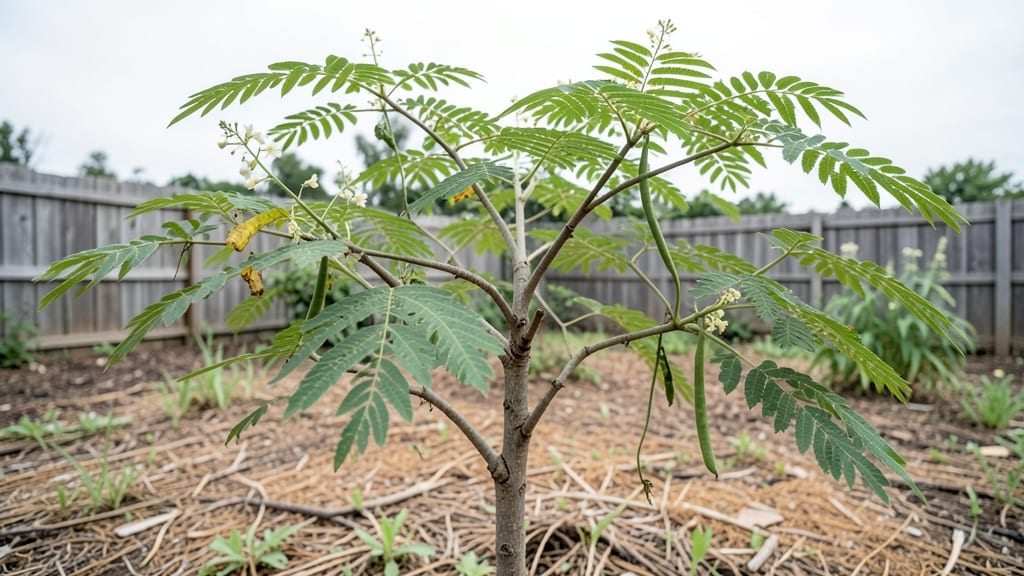
Caring for a moringa oleifera tree in the Pacific Northwest means embracing a fast-growing powerhouse that thrives where others falter. 🌱 This drought-tolerant tree—packed with nutrients and medicinal benefits—needs just the right balance of sunlight, soil, and patience to flourish year-round, even when temperatures dip.
Unlike finicky tropical plants, moringa adapts surprisingly well to cooler climates if you nail a few key details, like sheltering it from frost and feeding it the right nutrients.
The secret to growing moringa here lies in mimicking its native tropical conditions without overcomplicating things.
You’ll need well-draining soil (think cactus mix with compost), a spot that gets at least 6 hours of sunlight daily, and a frost-free zone—whether that’s a greenhouse, containers you can move indoors, or a sheltered microclimate.
Watering is simple once established: deep soaks 2-3 times a week in summer, then backing off in winter to prevent root rot. The tree’s rapid growth (up to 10 feet in a season!) means you’ll harvest leaves and pods year-round if you prune strategically.
What you’ll love most is how versatile this tree is—fresh leaves in salads, dried powder for smoothies, or even tea for its anti-inflammatory benefits. The first harvest comes fast: tender leaves appear in as little as 3 months, and with regular pruning, you’ll keep the tree bushy and productive.
Plus, it’s a conversation starter: neighbors will ask how you’re growing something so exotic in our damp climate. The key is staying consistent with care, and you’ll have a thriving, edible tree that outperforms most ornamentals.
Whether you’re growing in containers or in-ground, the Pacific Northwest’s mild summers and wet winters actually work in your favor if you adjust for frost. Start small—even a 5-gallon pot works for young trees—and expand as you learn what your microclimate demands.
The payoff? A tree that gives back more than it takes, both for your plate and your garden’s sustainability goals. Let’s get those seeds sprouting!
📚 In This Guide
- What you need
- Instructions
- Tips and common mistakes
- Wrapping up and next steps
What you need
- ● Moringa oleifera seeds or saplings: 1–3 (start with 1 for small gardens, 2–3 for larger spaces or propagation). Choose certified organic seeds if possible.
- ● Well-draining potting mix or garden soil: For containers: 5–10 gallons of cactus/succulent mix (amended with perlite or pumice for aeration).
- ● For in-ground planting: Loosen soil 12–18" deep, blending in compost (1 part compost to 3 parts native soil) and a handful of sand (if clay-heavy).
- ● Containers (if not planting in-ground): 1–2 5–7 gallon pots with drainage holes (terracotta or fabric grow bags preferred).
- ● Pruning tools: 1 bypass pruners (sharp, sterilized with rubbing alcohol).
- ● 1 felco pruner (for thicker branches, 3/8"–1" capacity).
- ● 1 hand saw (for mature wood, 8–10" blade).
- ● Mulch: 2–3 inches of straw, wood chips, or pine needles (avoid cedar mulch—it’s toxic!).
- ● Support stakes: 2–3 bamboo or metal stakes (5–6 ft tall) + soft ties (for young trees).
- ● pH test kit: To check soil pH (ideal range: 6.0–7.5). Adjust with lime (to raise pH) or sulfur (to lower) if needed.
- ● Organic fertilizer: Balanced 10-10-10 or fish emulsion (apply every 4–6 weeks during growing season).
- ● 1 drip irrigation kit or soaker hose (moringa loves consistent moisture but hates soggy roots!).
- ● 1 greenhouse or cold frame (for overwintering young plants in PNW’s chilly zones).
- ● Row covers (frost cloth, 3.5 oz weight) to protect from late spring frosts.
- ● 1 humidity dome or plastic wrap (for seed germination, keeps moisture in).
- ● Compost tea or mycorrhizal fungi (boosts soil microbial life for healthier roots).
- ○ 1 pruning sealant (optional for large cuts to prevent disease).
Step-by-Step guide for growing moringa oleifera in the Pacific Northwest
Here's how I keep my moringa thriving through PNW's unpredictable seasons—no heat stress, no winter dieback.
🌱 Step 1: Choose the Right Location and Prepare Soil
Moringa needs full sun (6-8 hours daily) but won't survive frost—so pick a spot where you can move it indoors or under cover when temperatures drop below 30°F. In the PNW, that means a sunny patio, greenhouse, or even a south-facing window indoors during winter months. The soil should drain like a sieve; moringa hates soggy roots.
I mix 3 parts potting mix with 1 part perlite for my container-grown trees. For in-ground planting, amend native soil with compost until it feels light and airy. A soil test for pH (ideal range: 6.0-7.5) is worth the investment—moringa grows best in slightly acidic to neutral soil. If your soil is heavy clay, raise the tree in a large container (at least 15-gallon capacity) for better control.
☀️ Step 2: Plant and Establish With Proper Light Management
Plant your moringa when nighttime temperatures stay above 50°F—usually late spring in the PNW. Dig a hole twice as wide as the root ball but no deeper. Gently remove the tree from its nursery pot and loosen any circling roots before placing it in the hole. Backfill with native soil mixed with compost, then water deeply to settle everything.
Here's the thing—moringa grows fast, but it also gets leggy when light is insufficient. If you're growing indoors, supplement with a full-spectrum LED grow light positioned 6-12 inches above the plant for 14-16 hours daily. You'll notice new growth slow or stems elongate if light is inadequate. Rotate the pot weekly so the tree grows straight, not lopsided toward the window.
💧 Step 3: Water Deeply and Maintain Consistent Moisture
Moringa is drought-tolerant once established, but young trees need consistent moisture—especially in the PNW's dry summers. Water deeply 2-3 times per week until the top 6 inches of soil feel dry to the touch. Overwatering is worse than underwatering; yellowing leaves or wilting despite wet soil means you're drowning the roots.
I use drip irrigation for container trees to avoid wetting the leaves, which can cause fungal issues. Mulch with 2-3 inches of wood chips around the base (keeping it 3 inches away from the trunk) to retain moisture and regulate soil temperature. During winter, reduce watering to once every 10-14 days unless the tree is in a heated space.
✂️ Step 4: Prune for Bushiness and Harvest Strategically
Pruning isn't just about shaping—it's how you keep moringa productive. Pinch back the top 2-3 inches of new growth when the plant is 6-12 inches tall to encourage bushier growth. Remove any yellow or damaged leaves immediately; they drain energy from the tree. I also prune 1/3 of the oldest branches annually in early spring to stimulate new, more tender growth.
Harvest leaves when the tree is 6-12 months old, taking no more than 1/3 of the foliage at a time. Young leaves (the first 2-3 pairs) have the highest nutrient content. Use clean, sharp pruners to avoid tearing the stems. If you're growing moringa for pods, wait until they're green and slightly elongated before harvesting—overripe pods become tough and fibrous.
🪴 Step 5: Overwinter Moringa Safely in PNW Climates
When temperatures dip below 30°F, move potted moringa indoors to a sunny, unheated space like a garage or greenhouse. If planted in the ground, cover the base with 4-6 inches of mulch and wrap the trunk with burlap for insulation. I've also had success with row covers secured with stakes—just remove them on warm days to prevent heat buildup.
Reduce watering drastically in winter, but don't let the soil dry out completely. You'll see growth slow dramatically, which is normal. Resume regular care in spring when nighttime temps stay above 50°F. If your tree drops leaves, don't panic—it's often adjusting to indoor conditions. Just trim any dead branches and keep it well-lit.
Tips & tricks for perfect moringa oleifera growth in the Pacific Northwest
These hard-won lessons will help you keep your moringa thriving through the PNW's tricky seasons—no more struggling with leggy growth or winter dieback.
Light Management Mastery: In Step 2, those 14-16 hours of supplemental light are non-negotiable for indoor winter growth. I use a timer on my grow lights to automate this—set it for 6 AM to 10 PM to mimic natural daylight cycles. Watch for stems stretching toward the light source; if you see this, rotate the pot quarter-turns weekly to prevent lopsided growth. The goal is to keep stems sturdy and compact, not spindly.
Soil Drainage Secret: The 3:1 potting mix to perlite ratio in Step 1 is your best defense against root rot. If you notice water pooling in the saucer after watering, your mix needs more perlite. For container trees, I add 1-2 inches of gravel to the bottom of the pot before adding soil—this creates crucial drainage space while preventing soil from falling through. In-ground plantings should have a raised bed or mound to ensure water runs away from roots.
Pruning Precision: When you're pinching back those top 2-3 inches in Step 4, always do it just above a leaf node where new growth will emerge. I've learned this the hard way—pinching too close to the stem can leave a bare spot that never regrows. For annual pruning, focus on removing the lowest third of branches first to improve airflow and reduce fungal risks. This also encourages the tree to put energy into producing more tender, nutrient-rich leaves higher up.
Winter Transition Strategy: Moving your moringa indoors when temps drop below 30°F is critical, but the transition matters just as much as the destination. I harden off my trees by moving them to a sheltered outdoor spot for 3-5 days before bringing them inside—this helps them adjust to lower light conditions. Once inside, place them near a window with south-facing exposure for maximum winter sunlight, even if you're supplementing with grow lights.
Pro Tips for Moringa Oleifera Tree Care
- These hard-won lessons will help you keep your moringa thriving through the PNW's tricky seasons—no more struggling with leggy growth or winter dieback.
- Light Management Mastery: In Step 2, those 14-16 hours of supplemental light are non-negotiable for indoor winter growth.
- Soil Drainage Secret: The 3:1 potting mix to perlite ratio in Step 1 is your best defense against root rot.
Frequently asked questions
Got questions about keeping your Moringa oleifera thriving in the Pacific Northwest? You’re not alone!
Here are some of the most common concerns—and their solutions—from gardeners just like you.
How cold can my moringa tree handle before it dies?
Moringa oleifera is a tropical tree and struggles in freezing temps. In the PNW, protect it from frost by growing it in containers or moving it indoors when temperatures drop below 40°F (4°C). If you’re in a milder microclimate (like near Puget Sound), a greenhouse or cold frame can help it survive light frosts—but expect leaf drop.
How often should I prune my moringa tree in the PNW?
Prune Moringa oleifera lightly in early spring (March–April) to shape the tree and encourage bushier growth. In the PNW’s cooler climate, avoid heavy pruning in fall/winter—it stresses the tree. Focus on removing dead or yellowing leaves and trimming back leggy branches by 1/3 to maintain energy for regrowth.
Why are my moringa leaves turning yellow, even with consistent watering?
Yellowing leaves (chlorosis) often signal nutrient deficiencies or overwatering. Test your soil—moringa thrives in well-draining, slightly acidic soil (pH 6.0–7.5). Amend with compost or a balanced fertilizer (like 10-10-10) in spring. If soil is soggy, let it dry slightly between waterings. Pro tip: Yellow edges? It’s likely fluoride sensitivity—use filtered water!
Can I grow moringa indoors in the PNW year-round?
Moringa adapts well to indoor growing with bright, indirect light (a south-facing window or grow lights). Use a 5-gallon pot with drainage holes and water when the top 1–2 inches of soil feel dry. Expect slower growth indoors—supplement with a low-nitrogen fertilizer (like fish emulsion) every 4–6 weeks to keep it healthy.
What’s a good alternative if moringa struggles in my PNW garden?
If moringa proves too finicky, try these PNW-friendly superfood trees:
- Loquat (Eriobotrya japonica): Cold-hardy to 15°F (-9°C), produces edible fruit.
- Pawpaw (Asimina triloba): Thrives in zones 5–9, loves shade.
- Citrus (e.g., Meyer lemon): Needs winter protection but rewards with vitamin C.
For leafy greens, consider stinging nettle or purslane—both are nutrient-dense and easier to grow outdoors.
Wrapping up and next steps
Caring for your moringa oleifera tree in the Pacific Northwest is totally doable—even with cooler climates! 🌱 By mastering pruning techniques, soil prep, and seasonal adjustments, you’ll unlock year-round growth and a bountiful harvest.
Whether you’re a beginner or a seasoned gardener, these secrets will help your tree thrive.
Ready to take the next step? Start small: plant your moringa in a pot or garden bed this spring, and watch it flourish with patience and care. Happy growing! 🌿