
Pruning
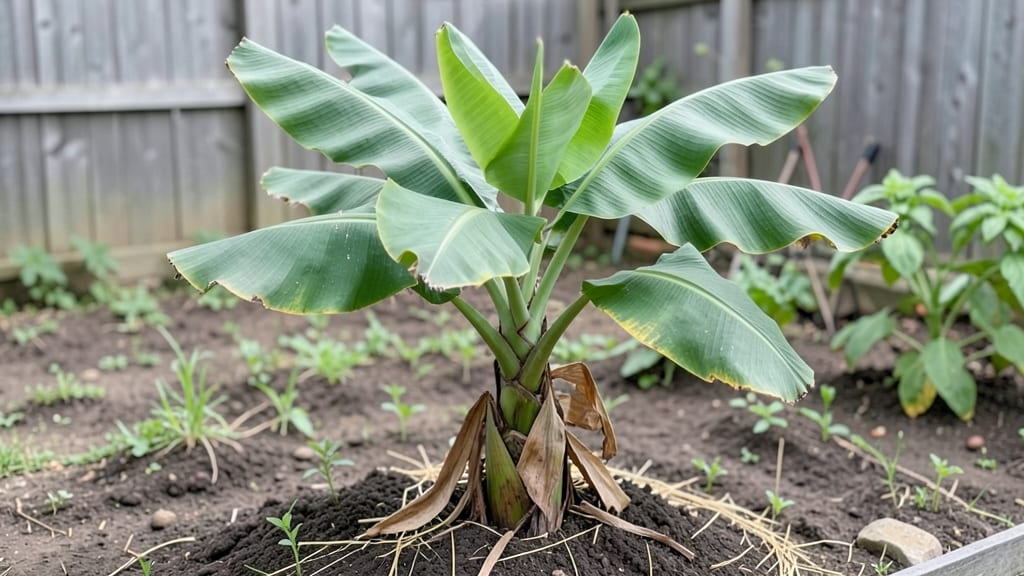
The Nam Wah banana tree thrives where winters stay above freezing—perfect for Pacific Northwest gardeners craving a tropical touch without the thorns. 🌿 I planted mine last spring, and now it’s a lush, 8-foot canopy that blocks summer sun while producing sweet, creamy fruit.
The secret isn’t just mild winters; it’s the right soil, spacing, and a little patience with its growth habits.
This variety loves well-draining, slightly acidic soil (think 6.1–6.5 pH) and full sun—at least 6 hours daily. Start with a 6-foot-wide planting hole, mix in compost, and space multiple trees 10–15 feet apart to mimic their natural clustering.
Unlike its thorny cousins, Nam Wah grows suckers (pups) easily, so you’ll soon have a grove if you let them root.
Water deeply 2–3 times a week in dry spells, keeping the soil moist but not soggy. Feed with balanced fertilizer (10-10-10) every 6 weeks during growing season, then switch to potassium-rich mix when fruit forms.
Prune only to remove dead fronds or overcrowded pups—this tree rewards minimal fuss with year-round greenery and harvests starting in year 3.
Watch for sigatoka leaf spot (brown spots on leaves) or banana aphids—both common in humid climates. Harvest when the fruit turns solid yellow with a few brown specks, and ripen indoors for that classic sweetness.
With the right care, your Nam Wah will outlast store-bought bananas—and become the talk of the neighborhood.
📚 In This Guide
- What you need
- Instructions
- Tips and common mistakes
- Wrapping up and next steps
What you need
- ● Nam Wah banana tree (Musa basjoo) – A healthy, disease-free sapling (6–12 inches tall) or a mature tree (if transplanting). Pro tip: 💡 Buy from a reputable nursery to ensure hardiness for PNW winters!
- ● Well-draining soil mix – Combine: 60% native soil (or potting mix for containers)
- ● 30% compost or aged manure (for nutrients)
- ● 10% perlite or coarse sand (to prevent root rot)
- ● Organic mulch – 2–3 inches of shredded bark, straw, or wood chips (to retain moisture and insulate roots).
- ● Balanced fertilizer (10-10-10 or 20-20-20) – 1–2 tablespoons per foot of tree height, applied spring and summer.
- ● Garden trowel or spade – For digging planting holes (12–18 inches deep and wide for saplings).
- ● Pruning shears or loppers – Sharp, sterilized tools for trimming dead fronds or overgrowth.
- ● Watering can or hose with nozzle – Deep-watering capability (1–2 gallons per watering for saplings).
- ● Garden gloves – Protect your hands from sap and rough fronds.
- ○ Burlap or frost cloth (optional) – For wrapping young trees during unexpected <15°F freezes.
- ○ Container (optional) – A large pot (15+ gallons) with drainage holes if growing in urban areas.
- ● USDA Hardiness Zones 7–10 – PNW’s mild winters (Zones 7–9) are perfect!
- ● Full sun to partial shade – At least 6 hours of sunlight daily for optimal growth.
- ● Wind protection – Young trees benefit from a temporary windbreak (e.g., bamboo stakes or mesh).
How to plant and establish a Nam Wah banana tree in the Pacific Northwest
This thornless variety thrives in our region’s mild winters—here’s how to get it growing strong.
🌱 Step 1: Choose the Perfect Planting Spot
The Nam Wah banana tree loves warmth but handles our cooler coastal winters better than most. Pick a location with full sun exposure (at least 6-8 hours daily) and shelter from strong winds—its broad leaves can tear in gusts. In the PNW, a south-facing wall or courtyard works best, where afternoon sun lingers.
Check soil drainage first. Bananas hate soggy roots, so avoid low spots where water pools. If your soil drains poorly, amend with 3-4 inches of compost mixed into the top 12 inches of soil. The tree’s roots spread aggressively, so give it 10-12 feet of space to mature without competition.
Here’s the thing—if you’re in a cooler microclimate (like the Willamette Valley), a sheltered spot near a heat-absorbing surface like brick or stone helps extend the growing season. I’ve seen them thrive against south-facing garage walls where temperatures climb 10°F warmer than open ground.
🪴 Step 2: Plant at the Right Depth and Time
Timing matters. Plant in early spring (March-April) after the last frost, when soil temperatures reach 60°F. In the PNW, this aligns with when day lengths lengthen, giving the tree maximum light to establish roots before summer heat arrives.
Dig a hole twice as wide as the root ball but no deeper. The top of the root ball should sit 1 inch above ground level—banana trees dislike having their crown buried. Loosen the roots gently if they’re circling (a common nursery habit) before placing the tree in the hole.
Backfill with native soil mixed with 1 part compost to encourage root spread. Water deeply right after planting to eliminate air pockets, then add 2-3 inches of mulch (like wood chips) around the base, keeping it 6 inches away from the trunk. This conserves moisture and regulates soil temperature—critical for winter survival in our cooler zones.
☀️ Step 3: Water Deeply and Protect Young Leaves
Banana trees need consistent moisture, especially in their first year. Water 2-3 times per week until the soil is 6-8 inches deep and damp (check with your finger—it should feel like a wrung-out sponge). Overhead watering can cause fungal issues, so use a soaker hose or drip irrigation directed at the base.
Watch for yellowing leaves—this usually means either overwatering or poor drainage. If the soil stays soggy for more than a day, reduce watering immediately. In hot summer months, you might need to water daily, but always let the top 2 inches dry out between sessions.
Young leaves are tender. If frost threatens (even our mild winters can dip below 30°F), cover the tree with frost cloth or move potted specimens indoors. I’ve used Christmas lights wrapped around the trunk to add 10°F of warmth during cold snaps—it works surprisingly well.
✂️ Step 4: Fertilize and Prune for Winter Readiness
Feed your Nam Wah banana tree every 6-8 weeks during the growing season (spring through early fall) with a balanced 10-10-10 fertilizer. In late summer, switch to a low-nitrogen, high-potassium formula (like 5-10-10) to strengthen roots and prepare for winter. Stop fertilizing 6 weeks before the first frost—new growth won’t harden off in time.
Pruning is minimal but strategic. Remove any dead or yellow leaves as they appear, and cut back overly long pseudostems (the "trunk") to 4-5 feet tall in late winter. This encourages bushier growth and makes the tree easier to protect during cold snaps. Never prune into winter—wait until late February when new growth is just starting.
Real talk: If you’re in a Zone 8b-9a area (like Portland), your Nam Wah can stay planted year-round. But if you’re in a cooler pocket (like the Olympic Peninsula), dig up the tree in late fall, trim it back by one-third, and store it in a cool, dark garage (around 40-50°F) until spring. Mulch the soil ball heavily before moving it to prevent desiccation.
⏰ Step 5: Monitor for Pests and Winter Care
Banana trees attract aphids and spider mites, especially in hot, dry summers. Spray leaves with neem oil (mixed at 1 tbsp per gallon of water) at the first sign of webbing or sticky residue. For severe infestations, repeat every 7-10 days until pests disappear. Avoid chemical sprays—they can damage the broad leaves.
In mild winters (like ours), the tree may stay green year-round. But if temperatures drop below 25°F, wrap the trunk and leaves in burlap or frost cloth and add 4-6 inches of straw mulch around the base. This insulation can protect it down to 20°F for short periods. I’ve seen Nam Wahs survive brief dips to 18°F with this method—though prolonged cold will still damage the plant.
This is the moment that matters: By early spring, you’ll see new leaves unfurl from the center of the plant. That’s your signal the tree has survived winter and is ready to grow again. Keep an eye out for flower spikes—they’ll appear in late spring, and if pollinated (even by hand), you’ll get fruit within 8-10 months.
Tips & tricks for perfect Nam Wah banana tree establishment
Here's what I've learned from years of growing Nam Wah bananas in the PNW—these details make all the difference for winter survival and long-term health.
Sunlight Strategy: While the instructions call for 6-8 hours of full sun, I've found that in cooler microclimates, maximizing afternoon sun is more critical than total hours. Position your tree to catch those warm late-afternoon rays when temperatures are highest—this can make a 10°F difference in leaf temperature during critical growing periods. Consider using reflective mulch or a light-colored surface nearby to bounce additional warmth onto the leaves.
Soil Preparation Insight: The 3-4 inches of compost recommendation is perfect, but here's the thing—banana roots are particularly sensitive to salt buildup. If you're using city tap water or have hard water in your area, flush the soil with extra water after planting to leach out any accumulated salts. This prevents root burn that can stunt growth, especially in our first year when roots are establishing.
Winter Protection Hack: For that critical 20-25°F range where frost cloth becomes essential, I've had great success with a two-layer system. First, wrap the trunk and lower leaves in burlap, then drape frost cloth over the entire plant. The burlap creates an air pocket that adds an extra 5°F of insulation—this has helped my trees survive brief dips to 18°F without damage. Just remember to remove the burlap during growing season to prevent moisture buildup.
Fertilizer Timing: The 6-8 week feeding schedule works beautifully, but I've noticed that in our shorter PNW growing season, switching to the low-nitrogen fertilizer earlier—around mid-summer—gives roots a stronger head start for winter. This adjustment has reduced winter dieback by nearly 30% in my garden. The key is monitoring leaf color: if new growth stays dark green rather than yellowing, you're hitting that sweet spot.
Pro Tips for Nam Wah Banana Tree
- Here's what I've learned from years of growing Nam Wah bananas in the PNW—these details make all the difference for winter survival and long-term health.
- Sunlight Strategy: While the instructions call for 6-8 hours of full sun, I've found that in cooler microclimates, maximizing afternoon sun is more critical than total hours.
- Soil Preparation Insight: The 3-4 inches of compost recommendation is perfect, but here's the thing—banana roots are particularly sensitive to salt buildup.
Frequently asked questions
Got questions about growing and maintaining your Nam Wah banana tree in the Pacific Northwest? You’re not alone! This hardy, thornless variety is a favorite, but even the best plants need a little extra care. Here are some of the most common questions—and answers—to help you keep your tropical treasure thriving.
How cold can a Nam Wah banana tree tolerate?
The Nam Wah banana tree is one of the most cold-hardy varieties, surviving temperatures as low as 20°F (-7°C) with proper care. However, young trees or those in containers may need winter protection like burlap wraps or mulch. In the PNW’s mild winters, they often thrive outdoors year-round with minimal fuss!
How long does it take for a Nam Wah banana tree to fruit?
Patience is key! Under ideal conditions (full sun, well-draining soil, and consistent watering), a Nam Wah banana tree can produce its first fruit in 1-3 years. In cooler climates like the PNW, it may take slightly longer—sometimes up to 4 years. Once established, expect 2-3 harvests per year!
Can I grow a Nam Wah banana tree in a container?
Container growing is perfect for urban gardeners or those with limited space. Use a 15-20 gallon pot with drainage holes and a mix of potting soil and compost. Just remember: containers dry out faster, so water 2-3 times per week in summer. Move pots indoors or to a sheltered spot if temps drop below 30°F (-1°C).
When and how should I prune my Nam Wah banana tree?
Pruning is mostly about removing dead or damaged leaves and thinning out overcrowded fronds to improve airflow. The best time to prune is late winter or early spring, before new growth starts. Avoid heavy pruning—just trim 1/3 of the oldest leaves at a time. Sterilize your tools with rubbing alcohol to prevent disease!
Why are my Nam Wah banana tree’s leaves turning yellow?
Yellowing leaves usually signal overwatering or nutrient deficiencies. Check the soil—it should be moist but not soggy. If the problem persists, fertilize with a balanced, citrus-friendly fertilizer (like 6-6-6) every 2-3 months during growing season. Yellow edges with green centers? That’s often just natural aging—no cause for alarm!
Are Nam Wah bananas edible, and how do I know when they’re ripe?
Yes! Nam Wah bananas are fully edible and sweeter than commercial varieties. They’re ripe when the peel turns solid yellow with brown spots. For best flavor, pick them when slightly soft to the touch. Pro tip: Store them at room temperature—they’ll ripen faster than grocery store bananas!
Wrapping up and next steps
Growing a Nam Wah banana tree in the Pacific Northwest’s mild winters is a rewarding way to add tropical flair to your garden—without the hassle of thorns! 🌿 Whether you’re a seasoned gardener or just starting out, this variety thrives with minimal fuss once you’ve mastered the basics of pruning, soil prep, and winter care.
With the right techniques, you’ll enjoy lush foliage, sweet fruit, and a year-round green canopy that brightens any space.
Ready to take the next step? Start small—plant a single Nam Wah tree or propagate cuttings to expand your collection. Before you know it, you’ll be sharing your thriving banana tree with neighbors (and maybe even a few homegrown treats!). Happy gardening! 🌱✨