
Size
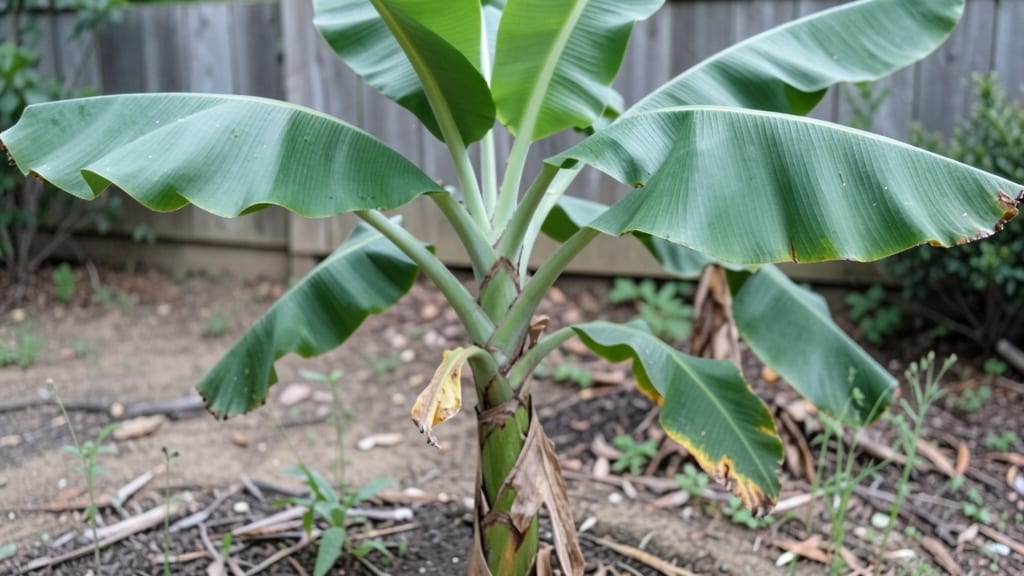
Growing a garden banana tree in your backyard might sound like a tropical fantasy, but with the right tricks, you can enjoy homegrown bananas even in colder climates. 🌱 I’ve grown these striking plants for years, and the secret isn’t just warmth—it’s choosing the right variety and protecting them from frost.
The first harvest is worth every effort, especially when you’re holding a banana that grew in your own yard.
You’ll need a dwarf variety like ‘Dwarf Cavendish’ or ‘Lady Finger’—they’re hardier and perfect for containers or small gardens. Plant in well-draining soil with plenty of organic matter, and give them a spot with full sun for at least six hours a day.
The key trick? Moving them indoors or under a protective cover when temperatures drop below 50°F. A 5-gallon pot is enough to start, but they’ll outgrow it quickly.
With consistent watering and a balanced fertilizer every two weeks during growing season, your banana tree will reward you with large, glossy leaves and—if you’re lucky—small clusters of bananas by late summer.
Even in Zone 5, I’ve seen them produce fruit with the right care. The real magic happens when you taste that first homegrown banana, sweet and fresh from your own garden.
Cold snaps are the biggest challenge, but a thick mulch layer and a greenhouse or cold frame can save your plant through winter. If you live in a colder area, treat it as an annual and replant each spring.
Once you master these tricks, you’ll have a banana tree that thrives year after year—no passport required.
📚 In This Guide
- What you need
- Instructions
- Tips and common mistakes
- Wrapping up and next steps
What you need
- ● Banana plant: 1 Musa spp. (e.g., Musa acuminata, Musa balbisiana, or cold-hardy varieties like 'Dwarf Cavendish' or 'Lady Finger')
- ● Option 1: Pup (offset) from an existing banana tree (easiest for beginners)
- ● Option 2: Seed (slower, but fun for experimentation!)
- ● Option 3: Young potted banana tree (available at nurseries)
- ● Container or planting site: For containers: 1 large pot (minimum 15–20 gallons, 18–24" deep) with drainage holes
- ● For in-ground: Well-draining soil in a sheltered, sunny spot (6+ hours of sunlight daily)
- ● Soil: 1 bag well-draining potting mix (or amend garden soil with compost + perlite for in-ground planting)
- ● Fertilizer: 1 balanced fertilizer (10-10-10 or 20-20-20) for planting
- ● 1 banana-specific fertilizer (high in potassium & magnesium, like Espoma Garden-Tone) for ongoing growth
- ● Mulch: 1–2 bags organic mulch (straw, wood chips, or pine bark) to retain moisture and insulate roots
- ● Tools: 1 trowel or shovel (for planting)
- ● 1 pruners or sharp knife (for trimming dead leaves or separating pups)
- ● 1 watering can or hose with a gentle spray nozzle
- ● 1 thermometer (to monitor soil/air temps, especially in cold climates)
- ● 1 greenhouse or cold frame (for overwintering in zones below 8a)
- ● 1 plant support (bamboo stakes or trellis for heavy fruit-bearing varieties)
- ● 1 spray bottle (for misting young leaves in dry climates)
- ● 1 banana tree blanket or frost cloth (for protection in unexpected cold snaps)
Step-by-Step instructions for growing banana trees indoors
Here's how to nurture a banana tree from a store-bought plant into a fruiting tropical beauty.
🌱 Step 1: Choose and Prepare Your Starting Plant
Pick a healthy banana plant from a nursery—look for one with at least 3-4 leaves and a sturdy 3-4 foot stem. Avoid plants with brown spots or mushy stems, as these signal rot. I always check the roots too: they should be firm and white, not black or slimy.
Remove the plant from its nursery pot and gently loosen the roots with your fingers. This encourages them to spread in their new home. If the roots are circling tightly, use a clean knife to make 2-3 vertical cuts along the root ball to break up the compacted growth.
🪴 Step 2: Plant in a Large, Well-Draining Container
Use a 5-gallon or larger container with drainage holes—banana trees hate soggy roots. I fill the bottom 2 inches with orchid bark mix for extra drainage, then add 3 gallons of well-draining potting soil mixed with 1 cup of perlite. This combo prevents root rot while keeping moisture available.
Set the banana plant in the center of the container and backfill with soil, pressing gently around the base to eliminate air pockets. Leave about 1 inch of space between the soil surface and the container rim—this prevents overflow when watering. Tap the pot firmly on the table to settle everything.
☀️ Step 3: Position for Maximum Light and Warmth
Banana trees need bright, indirect light for at least 6-8 hours daily. Place your pot near a south-facing window or under a grow light if natural light is limited. If leaves start turning yellow or growing pale, your plant isn’t getting enough light—move it closer to the window or add a grow light.
Keep the temperature between 65-85°F—banana trees are tropical and won’t tolerate cold drafts. If your home dips below 55°F at night, move the plant to a warmer spot or use a heating mat under the pot. Avoid placing it near air conditioning vents or drafty windows.
💧 Step 4: Water Deeply and Maintain Consistent Moisture
Water your banana tree once a week, soaking the soil until water runs out the drainage holes. Let it drain completely before placing it back in its saucer. Overwatering is the #1 killer of banana trees—always check the top 2 inches of soil before watering again. If it feels dry, water; if it’s still damp, wait.
Increase watering to every 4-5 days during the growing season (spring and summer) when the plant is actively producing new leaves. Reduce slightly in fall and winter, but never let the soil dry out completely. Yellowing leaves often mean overwatering, while crispy leaf edges signal underwatering.
✂️ Step 5: Fertilize and Prune for Strong Growth
Feed your banana tree every 4-6 weeks during the growing season with a balanced liquid fertilizer (10-10-10 or 20-20-20). Mix it at half-strength to avoid burning the roots. I start fertilizing in early spring and stop in late summer to let the plant rest before winter.
Prune only when necessary: remove yellow or damaged leaves at the base with clean scissors. If the plant gets too tall for its space, you can cut back the top 1-2 feet of the stem in late winter—this encourages bushier growth. Never prune more than one-third of the plant at once, or it may go into shock.
Tips & tricks for perfect garden banana trees
Here's what I've learned from years of growing banana trees indoors—these little tricks make all the difference in keeping your tropical friend happy and healthy.
Root Health is Everything: In Step 1, when you're loosening those roots, take an extra moment to inspect for any dark or mushy spots. Healthy roots should feel firm and spring back when gently pressed. If you find any damaged areas, trim them away with clean scissors before repotting. This prevents rot from spreading once you plant in your container. I've lost count of how many plants I've saved by catching root issues early!
Light is Non-Negotiable: For the 6-8 hours of bright, indirect light in Step 3, I recommend rotating your banana tree a quarter turn every week. This ensures even growth and prevents the plant from leaning toward one light source. If you notice new leaves growing smaller than the older ones, that's your plant begging for more light—consider supplementing with a grow light during shorter winter days.
Soil Mix Matters: When mixing your 3 gallons of potting soil with 1 cup of perlite in Step 2, don't skip the perlite! This isn't just about drainage—it creates those tiny air pockets roots need to breathe. I've seen banana trees thrive in this mix for years without any root rot issues. Pro tip: Add a handful of worm castings to boost nutrients if you have them on hand.
Seasonal Adjustments: During the growing season's every 4-5 days watering in Step 4, watch your plant closely. The key is keeping that top 2 inches of soil consistently moist but never soggy. In winter, when growth slows, you can reduce to every 7-10 days—just don't let the soil dry out completely. I've had plants survive winter dry spells, but they never recovered their vibrant growth afterward.
Pro Tips for Grow A Garden Banana Tree
- Here's what I've learned from years of growing banana trees indoors—these little tricks make all the difference in keeping your tropical friend happy and healthy.
- Root Health is Everything: In Step 1, when you're loosening those roots, take an extra moment to inspect for any dark or mushy spots.
- Light is Non-Negotiable: For the 6-8 hours of bright, indirect light in Step 3, I recommend rotating your banana tree a quarter turn every week.
Frequently asked questions
Got questions about growing garden banana trees in colder climates? You’re not alone!
Here are answers to the most common concerns—from timing to troubleshooting—to help you grow these tropical beauties like a pro.
Can I grow a banana tree in a cold climate?
While banana trees thrive in tropical zones (USDA Hardiness Zones 10-11), Musa basjoo (hardy banana) and Musa acuminata varieties can survive brief cold snaps down to 20°F (-7°C). For colder areas, grow them in containers and move them indoors or under cover when temperatures drop. Use thick mulch or frost cloth for extra protection!
How long does it take for a banana tree to bear fruit?
Patience is key! Hardy banana trees typically take 2–5 years to produce fruit, depending on care and climate. Musa basjoo (the hardiest variety) often flowers but rarely fruits in cold climates—focus on its ornamental value instead. For edible bananas, consider Musa acuminata ‘Dwarf Cavendish’ in containers and overwinter them indoors.
Do I need to dig up my banana tree every winter?
Not always! If you live in Zone 8 or warmer, a well-mulched banana tree may survive outdoors year-round. But in Zones 7 and below, dig up potted trees or mound soil around the base (up to 12 inches high) to insulate roots. For in-ground plants, wrap the trunk with burlap or cardboard and cover with straw or leaves.
Why is my banana tree’s leaves turning yellow or brown?
Yellowing leaves often signal overwatering or poor drainage, while brown tips or edges can mean underwatering or salt buildup from tap water. Check soil moisture—banana trees prefer consistently moist (not soggy) soil. Brown spots with black veins? Fungal disease (like sigatoka) may be the culprit. Prune affected leaves and apply copper fungicide if needed.
Can I grow a banana tree from a grocery store banana?
but it’s mostly for fun! Save the organic, seed-containing banana (like from a Lady Finger or Red Dacca), plant the top in moist soil, and keep it warm and humid. However, these plants won’t be cold-hardy and take years to fruit. For faster, hardier results, buy a nursery-grown Musa basjoo or acuminata sapling.
Pro Tip:
Use a self-watering pot or drip irrigation to keep banana trees hydrated without overdoing it. These tropical plants love water but hate soggy roots—aim for 1–2 inches of water per week during growing season.
Wrapping up and next steps
Growing a garden banana tree is totally doable—even in cooler climates! 🌱 With the right tricks (like choosing cold-hardy varieties, protecting from frost, and providing warmth), you can enjoy tropical fruit right in your backyard.
Whether you’re a beginner or a seasoned gardener, the key is patience and a little creativity.
Ready to take the next step? Start by selecting your banana variety and checking your local climate zone. Then, grab your tools and get planting—your future harvest of sweet, homegrown bananas awaits! 🍌✨