
Propagation
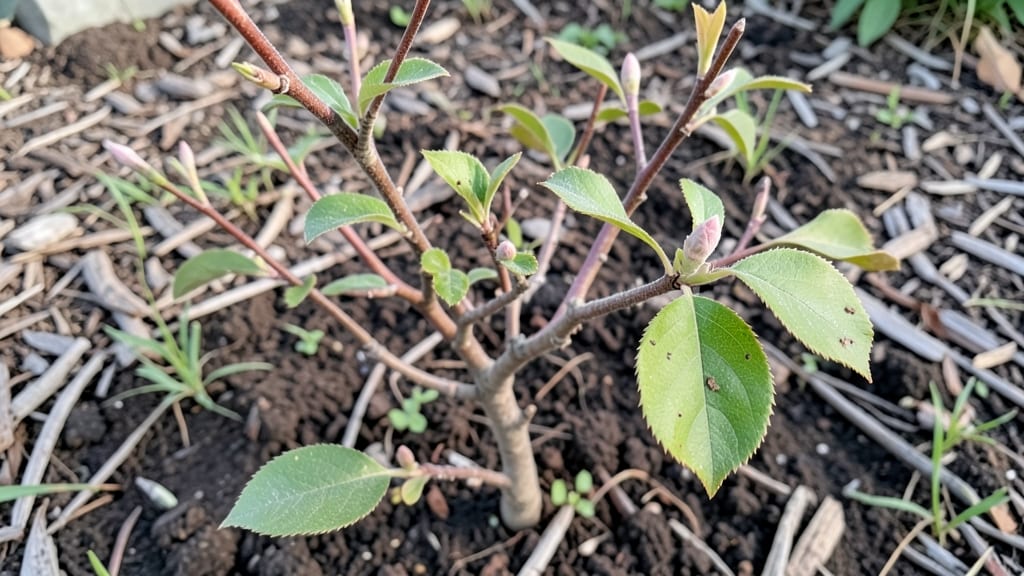
Growing a nectarine tree from seed is a long game with sweet payoffs—think 3-5 years of waiting for that first juicy fruit. 🌱 I started this journey with a single pit, and while it won’t be identical to store-bought trees, the thrill of nurturing something from scratch makes every step worthwhile.
The process starts with a simple kitchen experiment and ends with a tree that carries your touch in its roots.
You’ll need just a few things: a nectarine pit, damp paper towels, a plastic bag, and a sunny spot. The real magic happens during stratification—a cold period that mimics winter—where the seed learns to break dormancy.
This step alone can make or break your germination rate, and I’ll walk you through it without the guesswork. Patience is key, but the results are worth every wait.
Once your seedling sprouts, it’ll grow fast—6-12 inches in its first year—if you give it the right mix of sunlight and care. You’ll learn to recognize when it’s ready for bigger pots, then eventually, the ground.
The first few years focus on building a strong root system, not fruit, so resist the urge to rush. By year three, you might see tiny blossoms, and by year five? Maybe your first harvest.
Here’s the thing: seed-grown trees aren’t guaranteed to produce fruit like grafted varieties, but the journey itself is the reward. You’ll troubleshoot pests, adjust watering, and celebrate tiny milestones along the way. Ready to start? Let’s get those seeds sprouting—and your future orchard growing.
📚 In This Guide
- What you need
- Instructions
- Tips and common mistakes
- Wrapping up and next steps
What you need
- ● Fresh nectarine seeds – 3–5 seeds (from a ripe, organic nectarine for best results). Pro tip: 💡 Use seeds from a variety you love!
- ○ Small seed-starting pots or containers – 3–4 (3–4 inches deep, with drainage holes). Optional: Biodegradable pots for transplant ease.
- ● Well-draining potting mix – 1–2 bags (sterilized, seed-starting blend or 50% peat/50% perlite).
- ● Plastic wrap or humidity dome – To retain moisture during germination.
- ● Spray bottle – For gentle watering (avoid over-saturating seeds).
- ● Grow lights or sunny windowsill – A south-facing window or LED grow light (12–16 hrs/day).
- ● Patience and a warm spot – Seeds need consistent warmth (70–80°F / 21–27°C) to sprout!
- ● Pruning shears – For trimming seedlings later (sterilize with rubbing alcohol).
- ● Fertilizer (balanced, low-nitrogen) – Like 10-10-10 or compost tea (start after 4–6 weeks).
- ● Thermometer – To monitor soil temperature (critical for germination).
- ● Garden twine & stakes – For supporting the tree as it grows (3–5 ft tall).
- ● Mulch (straw or wood chips) – Once transplanted outdoors, to retain moisture.
Step-by-Step instructions for growing a nectarine tree from seed
Here's how to turn a single seed into a fruit-bearing tree—it takes time, but the reward is worth it.
🌱 Step 1: Extract and Prepare the Seed
Start with a fresh, plump nectarine pit from a ripe fruit. Remove any remaining fruit flesh and rinse the seed under cool water to clean it thoroughly. Here's the thing—don't rush the preparation. A seed that's been cleaned but not dried too much will germinate better.
Wrap the seed in a damp paper towel and place it in a sealed plastic bag. Store it in the refrigerator for 4-6 weeks. This cold stratification mimics winter conditions and breaks the seed's natural dormancy. Check the towel weekly—it should stay moist but not soggy. If it dries out, mist it lightly with water.
💧 Step 2: Plant the Stratified Seed
After stratification, fill a small pot—4-6 inches deep—with a well-draining seed-starting mix. Press the soil down gently to remove air pockets, but don't compact it too tightly. Plant the seed about 1 inch deep, with the pointed end facing upward. This ensures the seedling emerges correctly and avoids confusion later on.
Water the soil lightly until it feels evenly moist. Place the pot in a warm, sunny spot—70-75°F is ideal. Cover the pot loosely with plastic wrap to retain moisture, but leave it slightly ajar so air can circulate. You'll see sprouts in 2-4 weeks, depending on your climate and the seed's readiness.
☀️ Step 3: Nurture the Seedling Through Early Growth
Once the seedling emerges, remove the plastic wrap immediately to prevent fungal growth. Keep the soil consistently moist but never waterlogged—water when the top inch feels dry. Place the pot in full sun for at least 6 hours daily. If growing indoors, supplement with a grow light to prevent leggy growth.
When the seedling reaches 4-6 inches tall, transplant it into a larger container—8-10 inches deep—with fresh potting mix. This step encourages stronger root development. Pinch off any flowers that appear in the first year. You might be tempted to let it bloom, but fruiting now will weaken the young tree. Patience here ensures a healthier, more productive tree later.
🪴 Step 4: Transition to Outdoor Conditions
After the last frost date, gradually introduce the seedling to outdoor conditions. Start by placing it in a sheltered, shaded spot for 1-2 hours the first day. Over 10-14 days, slowly increase its exposure to direct sunlight and wind. This process, called hardening off, helps the seedling adjust without shock.
Once the seedling tolerates full outdoor conditions, plant it in a permanent location with well-draining soil and full sun. Choose a spot protected from strong winds. Mulch around the base to retain moisture and regulate soil temperature. Water deeply once a week, allowing the soil to dry slightly between waterings to prevent root rot.
⏰ Step 5: Long-Term Care for Fruit Production
Your nectarine tree will take 3-5 years to bear fruit, but consistent care now sets the foundation. Prune in late winter to remove dead or crossing branches. This encourages an open canopy that lets sunlight reach all parts of the tree. Thin out overcrowded branches to improve air circulation, which reduces disease risk.
Fertilize lightly in early spring with a balanced fruit tree fertilizer. Avoid over-fertilizing—too much nitrogen leads to leafy growth at the expense of fruit. Watch for pests like aphids or scale insects. A strong spray of water usually dislodges them, but severe infestations may require neem oil or insecticidal soap. With time and care, your seedling will grow into a productive tree.
Tips & tricks for growing a nectarine tree from seed
Turning a simple pit into a fruit-bearing tree takes more than just patience—it takes the right approach. Here's what I've learned from watching my own seedling grow into a thriving tree.
Stratification Success: The 4-6 week cold stratification in Step 1 is non-negotiable for nectarine seeds. I've tried skipping it, and the seeds either never sprouted or grew weak seedlings. Place your sealed bag on a refrigerator shelf—not the crisper drawer—where temperatures stay consistently around 35-40°F. This mimics winter conditions perfectly, breaking dormancy without over-stressing the seed.
Seed Orientation Matters: When planting your stratified seed in Step 2, pay attention to the pointed end—this is the radicle where roots will emerge. Planting it upside down (blunt end up) can confuse the seedling's growth pattern. I've seen this mistake lead to tangled roots that struggle to establish properly. The 1-inch depth recommendation gives the seedling room to grow without being buried too deep.
Lighting Strategy: For Step 3's 6 hours of daily sunlight, a south-facing window works if you're in a sunny climate, but most homes need supplemental lighting. I use a simple LED grow light on a timer for 12 hours daily—this prevents leggy growth that occurs when seedlings stretch toward weak light. The grow light should be just inches above the seedlings, close enough that you can almost touch it without burning your fingers.
Hardening Off Gradually: The 10-14 day hardening process in Step 4 is where many seedlings fail. Start with just 1-2 hours of outdoor exposure the first day, then increase by 1-2 hours each subsequent day. I've seen seedlings shocked by sudden full-sun exposure develop brown leaves overnight. This gradual approach strengthens the plant's cell walls and prepares it for outdoor conditions without trauma.
Pro Tips for Nectarine Tree From Seed
- Turning a simple pit into a fruit-bearing tree takes more than just patience—it takes the right approach.
- Stratification Success: The 4-6 week cold stratification in Step 1 is non-negotiable for nectarine seeds.
- Seed Orientation Matters: When planting your stratified seed in Step 2, pay attention to the pointed end—this is the radicle where roots will emerge.
Frequently asked questions
Got questions about growing a nectarine tree from seed?
You’re not alone—this process takes time and care, but the payoff is sweet! Below are answers to the most common queries to help you navigate the journey with confidence.
How long does it take for a nectarine seed to sprout?
A nectarine seed typically sprouts in 2–4 weeks after planting, provided it’s kept warm (60–70°F) and moist. Some seeds may take longer or require a cold stratification period (mimicking winter) to break dormancy. Patience is key—don’t give up if germination takes a few extra weeks!
Will a nectarine grown from seed produce fruit like the parent tree?
Probably not! Seeds produce unpredictable fruit—often smaller, less flavorful, or even different in color. For consistent, high-quality nectarines, consider grafting a known variety onto your seedling later. Think of it as a fun experiment with a gamble on flavor!
What’s the best climate for growing a nectarine tree from seed?
Nectarine trees thrive in USDA Zones 5–9, needing full sun (6+ hours daily) and well-draining soil. They’re sensitive to frost (especially young trees), so plant in spring after the last frost date. If you live in a colder zone, grow in containers for mobility or plant near a heat source.
Can I speed up growth after germination?
Once sprouted, keep seedlings in bright, indirect light and water when the top inch of soil feels dry. Transplant to a larger pot or garden bed after 2–3 months, and fertilize lightly with a balanced 10-10-10 mix in spring. Avoid overwatering—root rot is a common killer of young trees!
Why did my nectarine seed not sprout?
Seeds may fail to sprout due to old seeds, improper stratification, or poor moisture. Try soaking seeds in water for 24 hours before planting, or chill them in a damp paper towel in the fridge for 4–6 weeks to simulate winter. If multiple seeds fail, the fruit may have been hybridized (sterile seeds). Don’t despair—grab fresh seeds and try again!
Wrapping up and next steps
Growing a nectarine tree from seed is a rewarding journey that blends patience with the joy of nurturing life. While it may take 3-5 years to see fruit, the process teaches resilience and connection to nature.
Once your tree thrives, you’ll enjoy the sweet satisfaction of homegrown nectarines—and maybe even share them with neighbors! 🌱
Ready to take the next step? Start with a few seeds this season, or explore grafting for faster results. Either way, your garden (and future fruit baskets) will thank you!