Pruning
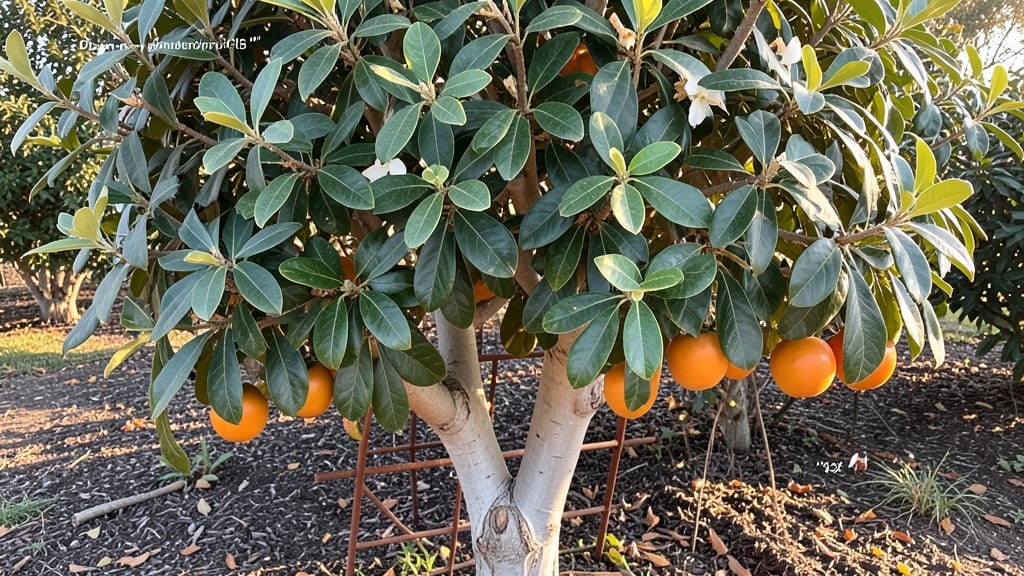
Growing non-astringent persimmon trees like 'Fuyu' means biting into sweet, honey-like fruit fresh off the branch—no waiting for frost to soften the flesh. 🌿 The secret to that year-round harvest starts with smart pruning, which I perfected after my first tree produced hard, tart fruit because I pruned at the wrong time.
These trees thrive with the right cuts, and the difference between a handful of fruits and a bountiful crop comes down to timing and technique.
You'll need sharp pruning shears, a ladder (for mature branches), and a clear day to work—persimmon trees reward precision over brute force. The best time to prune is late winter or early spring, just before buds swell, when the tree's energy shifts toward new growth.
Focus on removing dead wood first, then thin out crowded branches to let sunlight reach the center. For 'Fuyu' varieties, aim to keep the tree open and airy to prevent fungal issues.
What you'll end up with is a tree that produces fruit from late summer through fall, with some varieties even bearing a second crop if conditions are right.
The fruit ripens on the tree, turning from green to deep orange, and you can pick them when they're firm but yield slightly to gentle pressure. No more waiting for frost—just sweet, ready-to-eat persimmons that taste like nature's candy.
This method works for both small-space gardens and larger landscapes, though dwarf varieties like 'Fuyu' are ideal for containers or urban yards.
Whether you're a beginner or a seasoned gardener, the key is patience—persimmon trees take 3-5 years to bear fruit, but once they do, they'll keep producing with minimal effort. Let's get those branches trimmed right!
📚 In This Guide
- What you need
- Instructions
- Tips and common mistakes
- Wrapping up and next steps
What you need
- ● Pruning shears: Sharp, bypass-style shears (20–24" blades) for clean cuts on small branches. Sterilize with rubbing alcohol after each use to prevent disease.
- ● Loppers: Heavy-duty loppers (18–24" cutting capacity) for thicker branches (up to 2" diameter). Look for ratchet-style models for extra leverage.
- ● Pruning saw: A curved-tooth saw (for branches 2"–4" thick) or a folding pruning saw for portability. Never use a handsaw—it damages the tree!
- ● Gloves: Heavy-duty, cut-resistant gloves (gardening or pruning-specific) to protect your hands from thorns and sharp tools.
- ● Disinfectant: 70% isopropyl alcohol or a commercial pruning sealant (like Tanglefoot Pruning Sealer) to seal cuts and prevent infection.
- ● Ladder: A stable, extendable ladder (20–30 ft) with non-slip feet. Never stand on the top rungs!
- ● Work bag: A durable bag to carry tools, gloves, and disinfectant while you work.
- ● Marking twine or flags: Colored twine or plastic flags to tag branches for removal (helps avoid confusion mid-prune!).
- ● Pole pruner: For high branches (15–25 ft), saving you the hassle of a ladder.
- ● Tree wound dressing: Pruning paste (like Ortho Fruit Tree Sealant) to protect large cuts from pests.
- ● Safety goggles: Protect your eyes from debris, especially when sawing.
- ● Notebook & pen: To jot down notes on branch angles, fruit clusters, or areas needing extra attention.
- ○ Tree growth regulator: Optional for aggressive growers—products like Apogee can help control excessive growth.
Step-by-Step pruning guide for non-astringent persimmon trees
Here’s how to keep your tree healthy, productive, and full of sweet fruit every season.
✂️ Step 1: Prune During Dormancy for Best Growth
Start pruning in late winter or early spring, just before buds swell but before new growth begins. This timing ensures you remove dead wood while the tree is still dormant, reducing stress. Use sharp, clean pruners to make cuts at a 45-degree angle about ¼ inch above a bud—this encourages proper healing and new growth.
Focus on removing any dead, diseased, or crossing branches first. These compete for energy and can harbor pests. I always start at the center of the tree, working my way outward. You’ll notice the tree’s natural structure emerge as you remove the clutter—this is your guide for shaping it properly.
🌿 Step 2: Thin Out Overcrowded Branches
Next, thin out branches that are growing inward or rubbing against each other. These create weak spots where disease can enter and reduce airflow, which is critical for fruit development. Aim to leave 6-8 main scaffold branches spaced evenly around the tree, with each branch at least 12 inches apart from its neighbors.
If you see branches growing straight up from the trunk (called "water sprouts"), remove them entirely. These steal energy from fruit production. You’ll know you’re doing it right when sunlight starts reaching the center of the tree—this is when the tree’s structure opens up and becomes more productive.
☀️ Step 3: Shape for Sunlight and Airflow
Open the canopy by cutting back any branches that block light from reaching the center. Persimmons need full sun (6-8 hours daily) to produce sweet, non-astringent fruit. Focus on reducing shade by trimming branches that grow too densely. I like to step back every few cuts to visualize how sunlight will move through the tree.
Trim back any branches that are too long or leggy—these often produce fewer fruits. Cut them back to a lateral branch or bud that faces outward. You’ll see the tree’s natural shape start to take form, with a balanced, open structure that allows air to circulate freely and fruit to ripen evenly.
⏰ Step 4: Light Pruning After Harvest
After the fruit harvest, do a lighter pruning to remove any broken or damaged branches from fruit weight. This is also a good time to trim back any suckers (shoots growing from the base of the tree) and any branches that didn’t produce well. Keep cuts clean and precise—this prevents disease and encourages new growth for next season.
Pay attention to the tree’s overall health. If you notice any signs of stress, like yellowing leaves or sparse fruit, adjust your pruning approach. A well-pruned tree will show new, vibrant growth by early summer, and you’ll see more abundant fruit production the following year.
Tips & tricks for pruning non-astringent persimmon trees
Took me years to figure out these pruning secrets—here’s how to avoid common mistakes and get the most out of your tree.
The Timing Secret: Late winter or early spring is non-negotiable for Step 1. If you prune too early, you risk damaging emerging buds. I’ve learned the hard way—wait until buds swell but haven’t broken yet. This timing ensures your tree enters the growing season with maximum energy, not stress from fresh cuts. The 6-8 hours of sunlight mentioned in Step 3 starts with this foundation.
Branch Spacing Strategy: When thinning in Step 2, imagine a clock face. Space those 6-8 main scaffold branches evenly—think 45-degree angles between them. I measure 12 inches between branches by holding my pruners at arm’s length (about 18 inches) and adjusting until they’re evenly distributed. This creates that perfect open canopy we’re aiming for in Step 3.
Visual Pruning Cues: For Step 3, here’s what to watch for: When sunlight hits the center of the tree after your cuts, you’re golden. If you see shadows in the middle, keep trimming until light reaches the trunk. I step back every 5 cuts to check—this simple habit prevents over-trimming. Leggy branches (Step 3) should be cut back to outward-facing buds; if you’re unsure which way they face, look for the larger bud on the underside.
Post-Harvest Inspection: After harvest, don’t just trim broken branches—examine the tree’s structure. Suckers at the base? Cut them at the soil line. Branches that produced few fruits? Trim them back to encourage new growth. I mark these with flagging tape in summer so I remember which ones to address in the next dormant season. This proactive approach prevents the “yellowing leaves” stress mentioned in Step 4.
Pro Tips for Non Astringent Persimmon Tree
- Took me years to figure out these pruning secrets—here’s how to avoid common mistakes and get the most out of your tree.
- The Timing Secret: Late winter or early spring is non-negotiable for Step 1. If you prune too early, you risk damagin...
- Branch Spacing Strategy: When thinning in Step 2, imagine a clock face. Space those 6-8 main scaffold branches evenly...
Frequently asked questions
Got questions about growing and maintaining a non-astringent persimmon tree?
Here are answers to the most common ones to help you cultivate a thriving, fruit-bearing tree with ease!
What’s the best time of year to prune a non-astringent persimmon tree?
Prune your tree during late winter or early spring (before buds swell) or summer after harvest. Avoid heavy pruning in fall, as it can stimulate new growth that may not harden off before winter. Light shaping pruning can be done anytime, but major cuts should wait for dormant seasons for optimal healing.
How much can I prune my persimmon tree without harming it?
Remove no more than 20-25% of the tree’s canopy in a single pruning session. Focus on dead, diseased, or crossing branches first, then thin out crowded areas to improve airflow. Over-pruning can stress the tree, reducing fruit production. Thin branches gradually over 2-3 years for best results.
Why aren’t my persimmon fruits ripening evenly, even though the tree is healthy?
Uneven ripening often stems from uneven sunlight exposure or inconsistent pollination. Prune to open the canopy and ensure all branches get 6+ hours of sunlight daily. If your tree is self-pollinating but still struggling, hand-pollinate with a soft brush in early spring. Patience is key—some varieties ripen weeks apart!
Can I grow a non-astringent persimmon tree in a container, or does it need to be planted in the ground?
While possible, containers limit root growth and may reduce fruit yield. If you must pot your tree, use a large, sturdy container (20+ gallons) with drainage holes and repot every 2-3 years. Planting in well-draining soil with full sun (6+ hours) is ideal for long-term success. Dwarf varieties like ‘Fuyu’ adapt slightly better to containers than standard types.
What should I do if my persimmon tree’s branches are dying or oozing sap?
Dying branches or sap often signal bacterial infection, frost damage, or pest infestation. Prune affected branches 1-2 inches below the damage with sterilized tools, then dispose of them. Apply a copper fungicide if fungal issues are suspected. Keep the tree well-watered but not soggy to prevent stress. Monitor for pests like aphids or scale, which can also cause sap leakage.
Are there any pruning tricks to boost fruit size or sweetness?
To maximize fruit quality, thin out clusters to leave 6-8 inches between fruits—this redirects energy toward larger, sweeter persimmons. Prune to encourage sunlight into the center of the tree, which enhances sugar development. Avoid heavy nitrogen fertilizer, as it promotes leafy growth over fruit. Harvest when fruits soften slightly (but are still firm) for peak flavor!
Wrapping up and next steps
Growing a non-astringent persimmon tree is a rewarding journey that yields sweet, vibrant fruit year after year—when you master the art of pruning!
By following the right techniques, you’ll ensure a healthy tree, abundant harvests, and minimal stress on your part. Now’s the time to roll up your sleeves and give your tree the care it deserves!
Ready to take the next step? Start by scheduling your first pruning session—whether it’s winter dormancy or post-harvest maintenance—and watch your tree thrive. 🌱 With patience and practice, you’ll soon be enjoying homegrown persimmons that rival the best from the market!